
Selecting the right scribbler pen in the Philippines requires balancing ink chemistry, tip design, and paper quality. In a tropical climate where high relative humidity can delay ink drying times and cause feathering on standard paper, choosing the wrong pen can quickly turn a neat journal entry or study guide into a smudged, illegible mess. Whether you are organizing a daily planner, taking rapid lecture notes, or blending vibrant colors in an art journal, understanding how different pens interact with various paper weights is the key to achieving clean, professional results.
Quick Guide to Selecting a Scribbler Pen
To make an informed decision, you must first identify your primary task. Different activities demand specific combinations of ink delivery systems and tip structures. For instance, the fine, rigid tip needed for precise mathematical notes will perform poorly when trying to fill large areas of an art piece with solid color.
| Primary Use Case | Recommended Tip Type | Ideal Ink Formulation | Paper Compatibility | Key Advantage |
|---|---|---|---|---|
| Journaling & Planning | Fine Point (0.3mm to 0.5mm) | Pigment-based or Gel | 80 gsm to 120 gsm | Sharp lines, minimal ghosting, fits small grids |
| Note-Taking & Study | Medium Bullet or Gel (0.5mm to 0.7mm) | Quick-dry Water-based or Hybrid | 70 gsm to 80 gsm | Smooth glide, fast drying, reduces hand fatigue |
| Coloring & Illustration | Flexible Brush or Broad Chisel | Alcohol-based or Water-based | 120 gsm to 200+ gsm | Seamless blending, high color saturation |
| Detailed Doodling | Ultra-fine Plastic Collar (0.1mm to 0.3mm) | Archival Pigment | 100 gsm to 120 gsm | Extreme precision, waterproof for mixed media |
Understanding the core differences between ink types is the first step in narrowing down your choices. Water-based inks are highly vibrant and blendable, making them excellent for artistic endeavors, but they can easily smear if they come into contact with moisture. Alcohol-based inks dry almost instantly and offer unmatched blending capabilities, but they are highly prone to bleeding through all but the thickest marker papers. Pigment inks contain solid color particles that sit on top of the paper fibers rather than soaking deep into them, providing excellent water resistance and fade resistance once fully cured.
Products mentioned in this guide
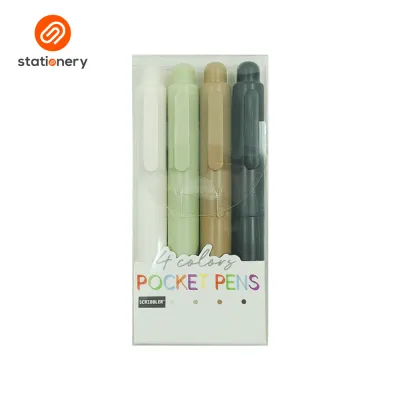
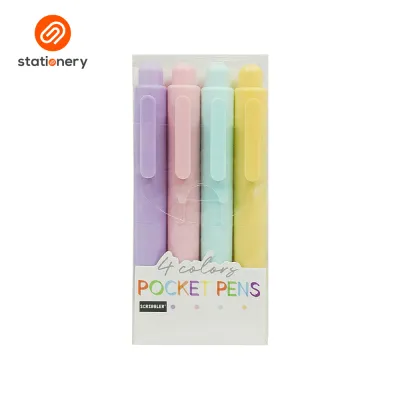
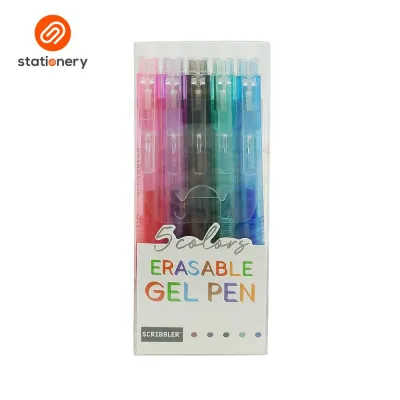
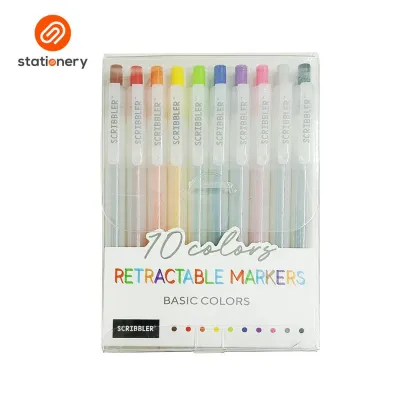
Prices are valid at publication and may change. Please refer to the product page for the latest price.
Before committing to a purchase, always perform a quick paper compatibility check. You can do this by applying a small stroke of ink to an inconspicuous corner or a spare sheet of the same notebook. Observe how long the ink takes to dry, whether the edges of the line begin to spread out like tiny spiderwebs (feathering), and if the color is visible on the reverse side of the page (ghosting or bleed-through).
Key Factors When Choosing a Scribbler Pen
Ink Formulation and Environmental Factors
The local climate plays a surprisingly large role in how writing instruments perform. In high-humidity environments, water-based inks evaporate more slowly, which extends the window of time during which a line can be accidentally smudged by a hand or a ruler. Conversely, alcohol-based inks rely on rapid solvent evaporation, making them less susceptible to humidity-induced smudging, though they do release stronger fumes that require adequate ventilation during long coloring sessions. Pigment-based inks offer a reliable middle ground for daily writing, as their binders lock the color particles in place quickly, minimizing both smudging and feathering even on standard copy paper.

Tip Material and Size Dynamics
The physical structure of the pen tip dictates both the line quality and the overall durability of the instrument. Fine-liner pens often utilize a plastic collar to support a delicate felt or plastic tip, protecting it from bending under heavy writing pressure. Brush pens feature flexible tips made of either individual nylon bristles or a solid, flexible elastomer. Nylon bristles behave like traditional paintbrushes, offering maximum line variation but requiring a steady hand and consistent pressure control. Elastomer brush tips are more resilient and forgiving for beginners, maintaining their shape even after repeated use. Bullet and chisel tips, typically made of dense polyester fibers, provide consistent line widths and are ideal for bold headings or filling in geometric shapes.
Barrel Ergonomics and Grip Comfort
For those who spend hours writing or drawing, the physical design of the pen barrel is just as important as the ink inside. Round, smooth plastic barrels are common but can become slippery if your hands perspire in warm weather. Triangular barrels naturally guide the fingers into a comfortable tripod grip, reducing muscle strain and preventing the pen from rolling off slanted desks. Rubberized or textured grip sections provide additional traction, allowing you to maintain control with minimal downward pressure, which significantly reduces hand fatigue during marathon study sessions or detailed coloring projects.
Paper Compatibility and Testing Methods
The relationship between a pen and paper is entirely dependent on the paper’s weight, texture, and sizing (the chemical treatment applied to paper during manufacturing to control absorbency). Standard office printer paper in the Philippines typically ranges from 70 gsm to 80 gsm and has high absorbency, which easily pulls liquid ink from the pen, causing feathering and severe bleed-through. Dedicated journals and sketchbooks often feature paper weights ranging from 100 gsm to 160 gsm, which can handle multiple layers of water-based ink without warping or ghosting. To test a new pen’s compatibility, draw a solid grid pattern on a test sheet, wait five seconds, and run a dry finger over it to check for smudging; then flip the page to inspect the reverse side for any signs of ink penetration.
What to Look for in a Journaling and Planning Pen
Fine Tip Requirements
Most popular planners and journals feature compact layouts, such as 5mm dot grids or narrow ruled lines. To write legibly within these tight spaces, you need a pen with a fine tip, typically between 0.3mm and 0.5mm. A tip that is too broad will cause letters like “e” and “o” to fill in with ink, turning your neat notes into solid blocks of color. Fine-point pens allow you to write small, clear characters and draw intricate icons or trackers without cluttering your layout.
Quick-Dry Ink Needs
Journaling is often a rapid, spontaneous activity. If you are quickly jotting down thoughts before rushing out the door, you cannot afford to wait several minutes for the ink to dry. Gel pens with rapid-dry formulas or pigment-based fineliners are ideal for this scenario. They dry almost instantly upon contact with the paper, allowing you to turn the page or close your planner immediately without transferring wet ink onto the opposite sheet.
Color Coding and Layering
Many planners use color-coding systems to categorize tasks, appointments, and personal goals. When selecting colored pens for planning, look for inks that offer high opacity and vibrant saturation. This ensures that lighter colors remain highly visible on the page. Additionally, if you enjoy decorating your planner with washi tape, stickers, or translucent sticky notes, verify that your pen’s ink can write smoothly over these semi-glossy surfaces without pooling, skipping, or smearing.
What to Look for in a Note-Taking and Study Pen
Smooth Ink Flow
During long lectures, seminars, or business meetings, the speed of your writing is crucial. Pens that skip or require heavy downward pressure to write will quickly cause hand cramps and fatigue. Look for pens with low-viscosity inks, such as hybrid ballpoints or advanced gel inks, which glide effortlessly across the paper. A smooth, consistent ink flow allows your hand to move quickly and fluidly, keeping pace with spoken information without interruption.
Highlighter Compatibility
Active studying often involves writing notes and immediately highlighting key terms. If your pen’s ink is not compatible with highlighters, the translucent marker tip will smear your written words, leaving a messy black or blue streak across your page and ruining the highlighter tip. To prevent this, choose water-resistant pigment inks for your notes, and always allow the ink to cure completely for a few seconds before running a highlighter over it. Alternatively, look for specialized quick-dry gel pens designed specifically to resist smearing under highlighters.
Smudge Resistance
Left-handed writers face a unique challenge when taking notes, as their writing hand naturally follows the pen tip, dragging across the freshly written line. For left-handed students and professionals, smudge resistance is the single most important factor. Fast-drying gel inks and hybrid ballpoint pens are highly recommended, as they dry within a fraction of a second, ensuring that the side of your hand remains clean and your notes stay pristine as you write from left to right.
What to Look for in a Coloring and Art Pen
Brush vs. Bullet Tips
Coloring and artistic illustration require different tools than daily writing. Dual-tip markers, which feature a flexible brush tip on one end and a sturdy bullet or chisel tip on the other, offer the ultimate versatility. The brush tip is perfect for organic shapes, sweeping strokes, and delicate blending, as it responds dynamically to changes in hand pressure. The bullet tip provides a rigid, predictable line width, making it ideal for outlining, filling in tight corners, and drawing precise geometric patterns.
Ink Saturation and Layering
Creating visual depth in coloring projects requires inks that can be layered without damaging the paper. Alcohol-based markers excel at seamless blending because the alcohol solvent temporarily re-wets the underlying ink layers, allowing colors to fuse together without visible harsh lines. However, water-based markers can also achieve beautiful layering effects if you use a light touch and high-quality paper. Be cautious not to over-saturate water-based ink on thin paper, as repeated strokes will break down the paper fibers, causing them to pill and tear.
Paper Weight Requirements
The success of your coloring project is heavily dependent on the paper you choose. Alcohol-based inks will bleed through standard 80 gsm paper almost instantly, potentially staining the pages underneath or the desk surface below. For serious coloring and marker art, always use heavy cardstock or specialized marker paper with a weight of at least 120 gsm, and preferably 200 gsm or higher. If you are coloring in a pre-printed book with thinner pages, always place a thick plastic backing sheet or a few sheets of scrap cardstock directly behind the page you are working on to catch any excess ink.
Purchasing Checklist and Verification Steps
Verifying Seller Ratings
When shopping on online marketplaces or e-commerce platforms in the Philippines, it is crucial to verify the authenticity of the seller. Look for official brand stores or highly rated preferred sellers with a long history of positive feedback. Read recent customer reviews, paying close attention to photos and videos uploaded by other buyers. Look for comments mentioning the packaging quality, whether the pens arrived fully functional, and if there were any signs of dried-out tips.
Checking Packaging Seals
Upon receiving your delivery, inspect the physical packaging before opening the pens. Genuine, high-quality pens typically arrive in sealed blister packs, shrink-wrapped boxes, or secure plastic cases. If the packaging appears torn, taped back together, or dirty, the pens may have been exposed to air or stored in poor conditions, which can dry out the ink before you even use them. Ensure that all caps are tightly snapped onto the pens and that there are no visible ink leaks inside the packaging.
Testing and Swatching
Before starting a major project or writing in a brand-new journal, establish a standard testing protocol. Gently remove the cap of each pen and scribble a few light lines on a piece of scrap paper of similar quality to your final project. This initial test helps prime the ink flow and allows you to check for any manufacturing defects, such as split brush tips or scratchy metal points. Store your pens horizontally immediately after testing to ensure that the ink remains evenly distributed between both ends of dual-tip markers.
Frequently Asked Questions (FAQ)
Can I use scribbler pens on standard printer paper?
Yes, but your success depends entirely on the ink formulation and tip size. Standard printer paper, which typically weighs between 70 gsm and 80 gsm, is highly porous and absorbent. If you use alcohol-based markers or heavy water-based brush pens, the ink will rapidly soak through the fibers, causing significant feathering and bleeding onto the pages underneath. To use these pens safely on standard paper, always place a thick backing sheet of cardstock or plastic directly behind your working page to protect your desk, and opt for fine-point pigment liners or quick-dry gel pens for daily writing tasks.
How do I prevent my marker pens from drying out?
Proper storage and handling are essential to maximize the lifespan of your pens, especially in warm, tropical climates. Always snap the caps on tightly immediately after use; leaving a pen uncapped for even a few minutes can cause the solvent in the tip to evaporate, leading to a scratchy flow or a completely dried-out tip. For dual-tip markers, store them horizontally on a flat surface so that the ink is distributed evenly to both tips. Storing dual-tip pens vertically can cause one end to become oversaturated and leaky while the other end dries out completely. Keep your pens in a cool, dry place away from direct sunlight and heat sources, as high temperatures can degrade the ink binders and cause the plastic barrels to warp.
Community discussion
Share your experience or ask a question. Comments are reviewed before publication.