
Determining the right Seamans file folder depends entirely on how you handle, transport, and store your documents. Whether you are organizing household records, managing school assignments, or handling high-volume office paperwork, matching the folder’s material, size, and closure mechanism to your specific scenario is the most reliable way to protect your files. This guide breaks down the core variants and provides a practical framework to help you select the best option for your daily needs.
Selecting the wrong folder can lead to bent corners, torn edges, or even lost documents, especially when commuting in humid tropical weather or storing papers in non-air-conditioned rooms. By evaluating your daily routine, the volume of papers you handle, and your storage environment, you can choose a filing solution that keeps your documents pristine and easily accessible.
Understanding Common Seamans File Folder Variants
To build an effective filing system, you must first understand the structural and material differences among the primary folder types. Standard Manila folders are the traditional choice for light, stationary filing. Made from semi-rigid paperboard, they are lightweight, highly customizable with handwritten labels, and ideal for organizing documents inside a filing cabinet drawer. However, they offer minimal protection against moisture and physical wear during transport.
Products mentioned in this guide
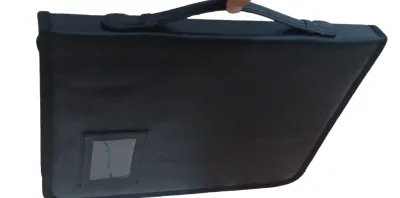
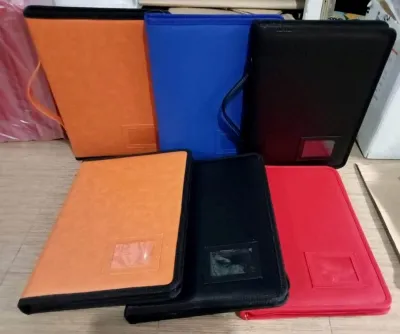
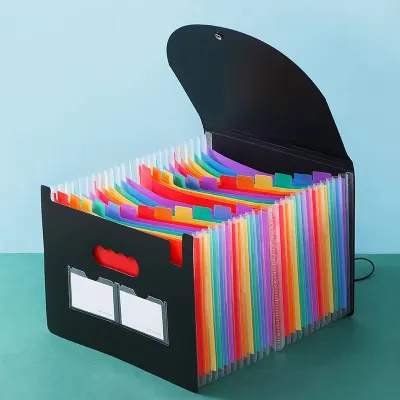
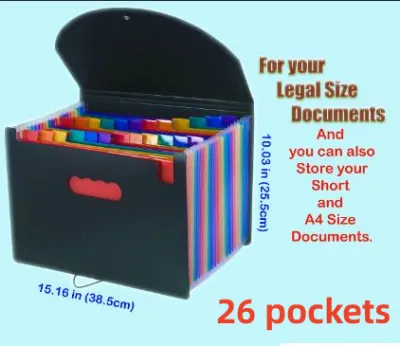
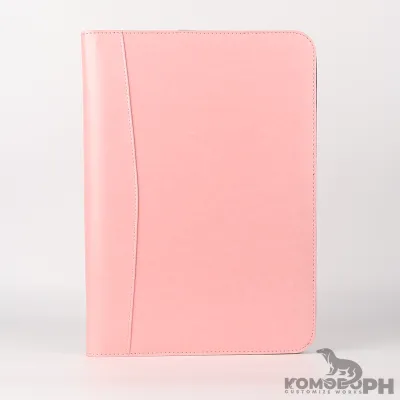
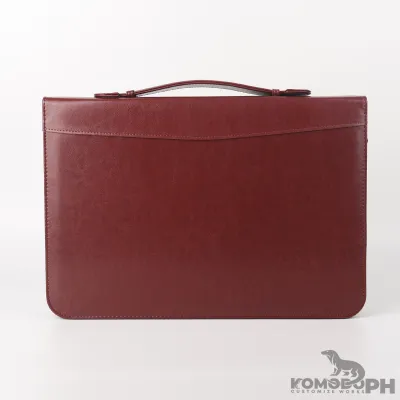
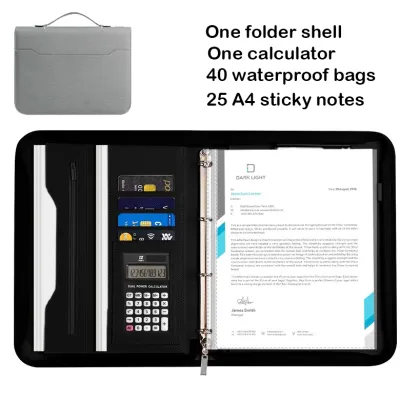
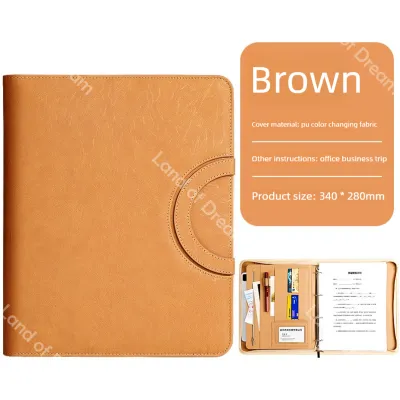
Prices are valid at publication and may change. Please refer to the product page for the latest price.
Plastic folders, typically made from polypropylene, provide a much higher level of durability and water resistance. These folders are excellent for carrying documents between locations, as they shield papers from light rain, accidental spills, and humid air. They often feature various closure mechanisms, such as elastic bands, snap buttons, or slide-on clips, which keep the contents secure even when the folder is tossed into a bag.
Expanding or accordion folders are designed for high-capacity storage and multi-subject organization. These variants feature pleated sides that stretch outward to accommodate thick stacks of paper, often divided into multiple internal pockets with index tabs. They may use a full protective flap with an elastic cord or a plastic clasp closure to ensure that large volumes of documents do not spill out during transit.
Matching Folder Types to Your Filing Scenarios
Every environment demands a different balance of portability, capacity, and protection. A folder that excels in a corporate office might fail quickly when stuffed into a student’s crowded backpack or stored in a humid home closet. Understanding these trade-offs helps you avoid overpaying for unnecessary features or underestimating your durability needs.

By analyzing how often you retrieve documents and whether they remain stationary or travel with you, you can pinpoint the exact folder style required. Let us look at how these needs translate across home, school, and professional settings.
Home Office and Personal Document Storage
Home document organization typically prioritizes long-term archiving and easy retrieval over daily portability. For household records such as appliance warranties, birth certificates, tax files, and medical histories, the primary goals are dust protection, clear labeling, and space efficiency. Because these files generally remain stationary, standard Manila folders or lightweight plastic folders are highly effective.
When setting up a home filing system, check the physical dimensions of your folders against your existing storage containers. Measure your filing cabinet drawers, plastic storage bins, or shelf depths before purchasing to ensure the folders can stand upright without bending at the top. Standard letter or legal sizes must align perfectly with your storage boxes to prevent dust accumulation and edge curling.
School and Academic Organization
Students and educators require filing solutions that can withstand constant movement, frequent handling, and the physical pressure of a packed backpack. In this environment, portability and secure closures are paramount. A simple open-top folder is rarely sufficient, as loose worksheets, homework assignments, and syllabus sheets can easily slip out during a busy school day.
For academic use, lightweight plastic folders with secure elastic bands or snap button closures are highly recommended. These materials resist the friction of being repeatedly slid in and out of backpacks and protect your work from sweat, water bottle leaks, and sudden downpours. Verifying the folder’s flexibility is also important; it needs to bend slightly without cracking when packed alongside heavy textbooks.
Professional and High-Volume Office Use
In a professional corporate setting, folders must handle high-volume paperwork while maintaining a neat, uniform appearance. Managing thick stacks of legal contracts, financial audits, or multi-page project reports requires folders with superior structural integrity. Standard paper folders can quickly tear at the seams if forced to hold more than their intended capacity.
For active, high-capacity office use, look for folders featuring reinforced edges and wide, expandable gussets. Before making a bulk purchase for your department, check the manufacturer’s stated sheet capacity on the label and test the tension of the closure mechanism. A high-quality clasp or heavy-duty elastic should hold the folder firmly closed without warping the cover or putting excessive pressure on the document edges.
Essential Specifications to Verify Before Purchase
Before purchasing any filing supplies, verify specific physical dimensions and compatibility standards to ensure they integrate with your existing setup. The most common mistake is buying folders without checking the exact paper size they are designed to hold. In the Philippines, office papers commonly come in Letter (8.5 x 11 inches), A4 (8.27 x 11.69 inches), and Legal or Folio sizes. Placing an A4 document in a folder designed strictly for Letter paper can cause the top edges of your documents to stick out and become damaged.
Always check the gusset width or expansion capacity indicated on the product packaging. A standard flat folder is designed to hold only a few dozen sheets of paper; forcing more into it will cause the folder to flare open, exposing your documents to dust and physical damage. If you regularly handle files thicker than half an inch, look for folders with pre-creased fold lines or expanding fabric gussets that allow the folder to lay flat even when fully loaded.
If you plan to organize your folders inside a larger three-ring binder, verify whether the folders come with pre-punched holes along the margin. Some plastic folders feature a reinforced multi-hole strip designed specifically for binder integration, while others are strictly standalone. Forcing a standard folder into a binder by punching your own holes can ruin the structural integrity of the folder and lead to tearing.
Practical Tips for Folder Maintenance and Organization
To maximize the lifespan of your filing folders and keep your documents in excellent condition, implement a consistent maintenance routine. When labeling your folders, use non-damaging methods to preserve their surfaces for future reuse. Removable adhesive labels or pencil markings on designated index tabs allow you to re-label the folders when projects change, preventing the waste of discarding a perfectly good plastic or Manila folder.
Proper environmental storage is critical for preventing material degradation, especially in tropical climates. Keep paper-based Manila folders away from areas prone to high humidity, direct sunlight, and moisture, such as damp basement storage or shelves directly beneath air conditioning vents. Excessive humidity can soften paper fibers, making them susceptible to tearing and mold growth, while direct sunlight can make plastic folders brittle over time.
Frequently Asked Questions (FAQ)
Can I use a standard Manila folder for heavy or thick documents?
Standard Manila folders are designed primarily for low-to-medium sheet counts, typically holding up to 50 to 100 sheets of standard paper depending on the paper weight. They lack reinforced gussets or expanding sides, meaning that forcing a thick stack of documents into them will cause the folder to bulge, warp, and tear at the bottom seam. If your document stack exceeds the folder’s natural resting thickness, it is best to upgrade to an expanding folder or a heavy-duty plastic folder with a built-in gusset designed specifically for high-capacity storage.
How do I prevent plastic folders from cracking over time?
To prevent plastic folders from becoming brittle and cracking, store them away from extreme heat sources and prolonged direct sunlight. High temperatures can degrade the plastic polymers, causing them to lose their flexibility. Additionally, avoid overstuffing the folders or pulling too hard on the snap buttons and elastic closures. Excessive tension on the plastic seams and closure points is the primary cause of stress fractures, so maintaining a reasonable document volume will significantly extend the physical lifespan of your plastic filing supplies.
Community discussion
Share your experience or ask a question. Comments are reviewed before publication.