
Finding the right box gift packaging is the secret to a beautifully presented present. If the box is too small, you risk crushing the item or tearing the wrapping paper. If it is too large, the gift will slide around, potentially sustaining damage before it is even opened. To choose the right size gift box, you must measure your item’s maximum dimensions, account for protective cushioning, and match these against the internal dimensions of the box. This simple process ensures your presentation remains intact and looks highly professional.
Measure Your Gift Accurately Before Packaging
Before you begin browsing through various box gift packaging options, you must establish a precise baseline of your item’s physical size. Grab a reliable measuring tape or a rigid ruler and find a flat, stable surface to work on. Laying your item down flat prevents it from shifting while you take measurements, ensuring accuracy from the very start.
Measure the three primary dimensions of your item: length, width, and height. Always measure at the absolute widest, longest, and tallest points of the object. If you are wrapping an item with irregular features—such as a mug with a protruding handle, a toy with extended limbs, or a bottle with a wide base—these outer limits define your baseline. Failing to measure these protrusions will result in a box that is too tight, which can cause the box walls to bulge or tear.
Products mentioned in this guide
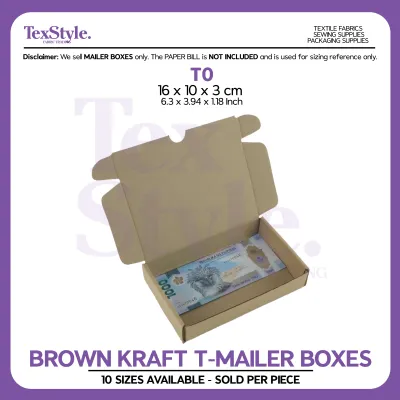
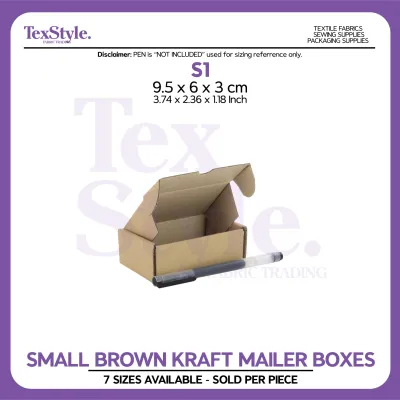
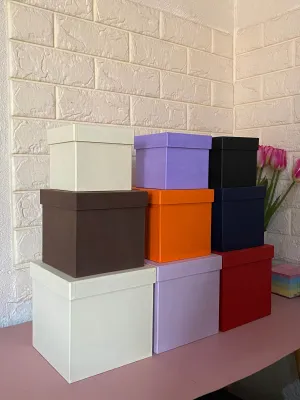
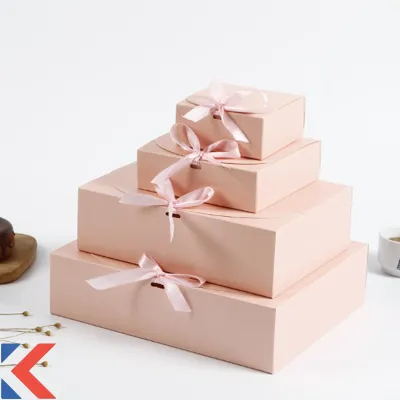
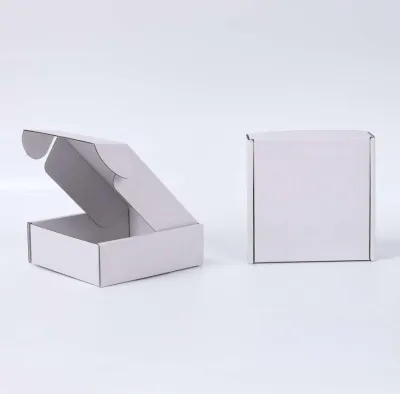
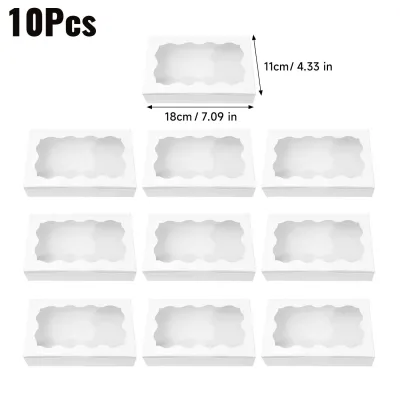
Prices are valid at publication and may change. Please refer to the product page for the latest price.
Do not forget to account for any existing retail packaging that you plan to keep. If the item already comes in a plastic display case, a decorative sleeve, or a protective cardboard sleeve, you must measure that outer packaging instead of the bare item. Rigid handles, decorative toppers, or delicate protrusions cannot be compressed, so they must be fully accommodated within your measurements to prevent structural damage.
Record all your measurements in a single, consistent unit, such as centimeters or inches. Mixing units often leads to calculation errors when you begin comparing your gift’s size against commercial box gift packaging specifications. Keeping a clear, written record of these numbers ensures you make accurate decisions when browsing options online or in a local stationery store.
Match Box Dimensions to Common Gift Categories
Flat, Small, or Fragile Items
Delicate items like jewelry, books, or handmade ceramics require a snug, secure fit. Whether you are wrapping a ₱1,500 delicate ceramic vase or a small set of porcelain cups, a snug fit is critical. When a box is too spacious, these items slide around, which can lead to scuffs, chips, or broken parts. For a single book or a small frame, look for shallow boxes that keep the item flat and minimize vertical movement.

If your gift consists of multiple small pieces, such as a set of delicate tea cups or a collection of handmade soaps, a single open compartment may not suffice. Plan to use rigid cardboard inserts, custom foam molds, or slotted dividers. These accessories keep each piece isolated, preventing them from colliding with one another during transport.
Pay close attention to the thickness and structural rigidity of the box material. Heavy but small items, like stone coasters or metal paperweights, can easily bow the bottom of a flimsy paperboard box. For these gifts, select a rigid setup box or a thick kraft paper box that maintains its shape under concentrated weight.
Bulky, Soft, or Oddly Shaped Items
Soft goods like apparel, plush toys, and knitwear offer more flexibility because they can be gently compressed. Measure these items in their natural, uncompressed state first. Then, decide if folding or lightly compressing them is acceptable for the presentation you want to achieve. A linen shirt folded neatly requires a wide, shallow box, whereas a plush toy might fit better in a deeper, square box.
For oddly shaped or top-heavy items, prioritize a box with a larger footprint rather than excessive height. A wider base lowers the center of gravity of the packaged gift, making it much less likely to tip over during transit or while sitting on a display table. This is particularly useful for tall, narrow items like decorative vases or sculpted candles.
Ensure the opening of the box is wide enough to allow the item to slide in and out smoothly. Forcing a bulky item through a narrow opening can crease the box edges, tear delicate tissue paper, or damage the gift itself. A lid-and-base style box or a magnetic closure box with a fully opening front flap is often highly suitable for these challenging shapes.
Calculate the Required Inner Space and Padding
Once you have the base measurements of your gift, you must calculate the extra space needed for protective and decorative padding. Cushioning materials like shredded paper, wood silk, tissue paper, or bubble wrap are essential for keeping the item secure. As a general guideline, add a clearance margin of at least 1 to 2 centimeters on all sides of the item to accommodate this protective layer.
It is crucial to distinguish between a box’s external dimensions and its internal usable space. Manufacturers and stationery suppliers typically list external dimensions on their product labels. However, the thickness of the cardboard, the folding flaps, and the inner structural joints reduce the actual space available inside. Always look for the internal dimensions in the product specifications, or subtract a few millimeters from the external measurements to be safe.
Environmental factors can also influence how you calculate your packaging needs. In tropical climates with high humidity, such as the Philippines, standard paperboard can absorb moisture from the air and lose some of its structural stiffness. If you are packaging a heavy or highly fragile item, adjust your target box size upward to allow for thicker, multi-layer cushioning at the base and sides. This extra padding not only absorbs physical shocks but also helps the box maintain its shape against external pressure in humid conditions.
Verify the Box Fit and Adjust if Necessary
Before you apply any adhesive tape or wrap the box in decorative paper, perform a physical test fit. Place your gift along with all planned padding materials inside the chosen box. Close the lid gently and give the box a very soft shake. If you hear the item sliding or rattling against the walls, you need to add more filler material to secure it.
Check that the box lid closes completely flush with the base. If the lid bulges upward even slightly, it indicates that the item or the padding is too tall for the box. A bulging lid puts constant pressure on the gift inside, increases the risk of the box bursting open, and makes it incredibly difficult to achieve clean, sharp folds when applying outer wrapping paper.
The adhesion of decorative tape and the crispness of wrapping paper folds depend heavily on the box’s surface finish. In humid environments, some glossy coatings or textured papers may resist standard adhesives. Test a small piece of tape on the bottom of the box to ensure it holds securely without peeling off before you complete the final wrapping.
If your test fit reveals that the box is too large, do not leave empty void spaces; instead, fill them with lightweight materials like crumpled tissue paper or crinkle-cut paper shreds. If the box is too small, resist the temptation to remove essential protective padding to make the item fit. Instead, switch to a larger box size to ensure your gift remains safe, presentable, and beautifully preserved.
Frequently Asked Questions (FAQ)
Should I buy a box that is exactly the same size as my gift?
Buying a box that matches your gift’s dimensions exactly is a common mistake that often leads to damaged packaging or a frustrated recipient. A zero-tolerance fit leaves absolutely no room for protective padding, meaning any external impact on the box will transfer directly to the gift.
Additionally, an extremely tight fit makes it very difficult for the recipient to slide the gift out of the box without tearing the packaging or damaging the item. To ensure a safe and elegant presentation, always allow a minimum clearance margin of 1 to 2 centimeters on all sides of your gift.
How do I measure a box if the dimensions are not listed online?
If you are repurposing an unmarked box or shopping in a physical store where dimensions are not clearly labeled, you can easily measure it yourself. Use a ruler or measuring tape to measure the inside length, width, and depth directly from the inner creases and flaps, rather than measuring the outer edges.
This distinction is especially important for corrugated cardboard boxes or thick-walled rigid boxes, where the material thickness can create a difference of several millimeters between the inside and outside. Measuring from the inner seams ensures you get an accurate representation of the actual usable volume available for your gift and its padding.
Community discussion
Share your experience or ask a question. Comments are reviewed before publication.