
Selecting the perfect sketchbook depends entirely on your chosen medium, as paper is not merely a passive background but an active participant in how your art behaves. A sketchbook designed for quick pencil sketches will buckle and pill under a light watercolor wash, while a heavy watercolor pad may swallow dry graphite details or cause expensive marker ink to bleed and feather. To find the ideal match, you must look past aesthetic covers and evaluate the physical properties of the paper itself—specifically its weight, texture, and chemical treatment.
In the Philippines, local environmental factors like high relative humidity also play a critical role in how paper behaves over time. Moisture in the air can soften paper fibers and alter how sizing reacts to wet media, making the choice of sketchbook even more consequential for local artists. By understanding how paper specifications align with watercolor, pencil, and marker techniques, you can invest in a book that preserves your artwork and elevates your creative process.
Understanding How Paper Properties Affect Your Art Medium
Every sheet of paper is defined by three primary characteristics: weight, surface texture (commonly referred to as “tooth”), and sizing. Paper weight is measured in grams per square meter (GSM) or pounds (lbs), indicating the density and thickness of the sheet. Light sheets around 80 to 120 GSM are ideal for dry sketching, whereas wet or heavy-ink mediums require robust options starting at 200 to 300 GSM to prevent physical degradation.
Products mentioned in this guide
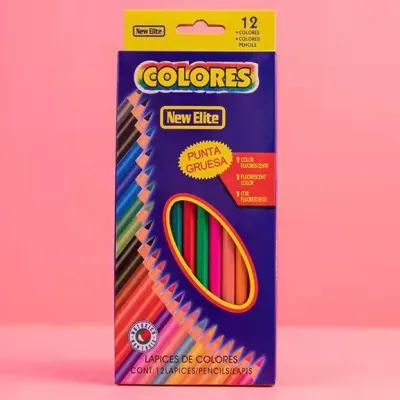
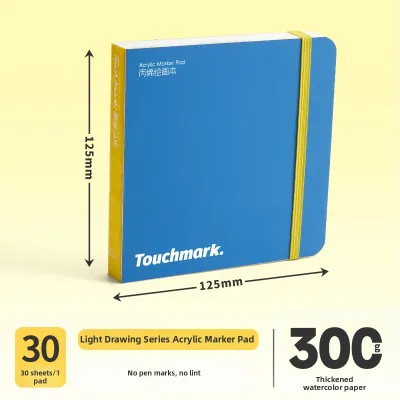
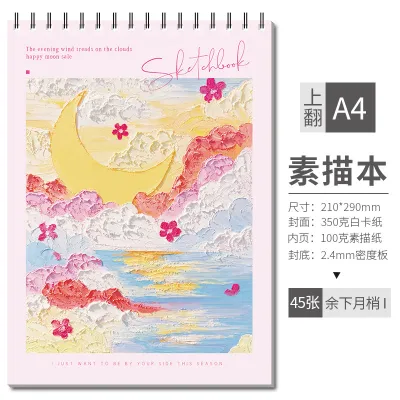
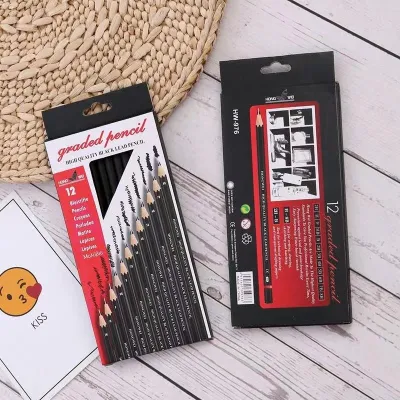
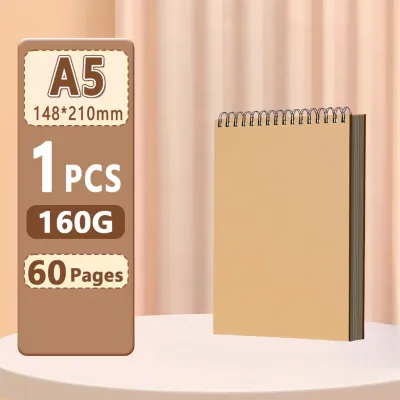
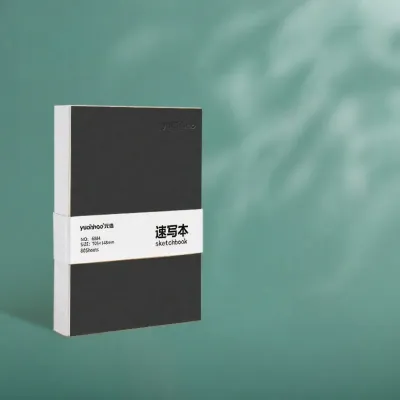
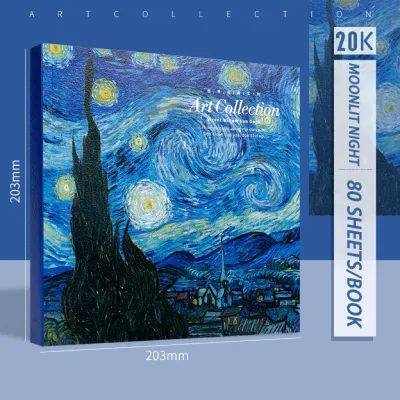
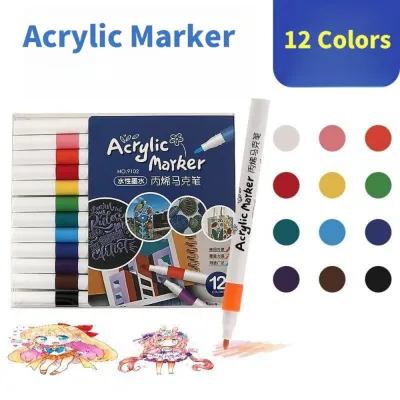
Prices are valid at publication and may change. Please refer to the product page for the latest price.
The surface texture, or tooth, determines how the paper interacts with the tip of your drawing tool. A rough texture acts like a miniature file, scraping off and trapping dry pigments like graphite, charcoal, or colored pencil. Conversely, a smooth, slick surface allows ink pens and markers to glide effortlessly without catching, ensuring clean lines and protecting delicate brush tips from premature wear.
Sizing is an internal or external chemical treatment—often using starch or gelatin—applied during manufacturing to control the paper’s absorbency. Unsized paper, such as newsprint or blotting paper, draws liquid instantly into its core, causing ink to feather and watercolor to lose its vibrant luster. Sized paper slows down water absorption, keeping pigments suspended on the surface so you can blend, layer, and lift colors before they lock into the fibers.
Before purchasing any sketchbook, always check the manufacturer’s technical specifications, which are typically printed on the cover wrap, back label, or online product listing. Look specifically for the GSM rating, the fiber composition (such as 100% cotton versus wood pulp), and the designated media compatibility. Verifying these details beforehand prevents the frustration of ruined pages and ensures your materials perform exactly as intended.
Choosing a Sketchbook That Handles Watercolor Washes
Watercolor painting is one of the most demanding tests for any paper because it introduces significant moisture that can compromise the structural integrity of the sheet. Without the right specifications, water will cause the paper fibers to expand unevenly, resulting in unsightly warping, pooling of pigment, and surface tearing.

Evaluating Paper Weight and Sizing
When selecting a sketchbook for watercolor, the paper weight is your first line of defense against warping and buckling. You should look for a minimum weight of 200 GSM for light washes, though 300 GSM (approximately 140 lbs) is the gold standard for heavy wet-on-wet techniques. Thicker paper possesses the mass required to absorb water deeply without losing its flat profile or tearing when you apply multiple layers of paint.
Sizing is equally crucial because it dictates how long the water remains workable on the surface. High-quality watercolor sketchbooks feature both internal sizing (mixed into the paper pulp) and external sizing (applied to the finished sheet). This dual treatment prevents the paper from acting like a sponge, allowing you to create smooth gradients, lift paint to correct mistakes, and maintain the brilliant transparency that defines the watercolor medium.
Choosing the Right Surface Texture
Watercolor paper is manufactured in three primary textures, each catering to distinct artistic styles and techniques. Cold-pressed paper, which has a mild, textured surface, is the most versatile option and serves as an excellent starting point for most artists. It provides enough texture to hold beautiful granulating pigments while remaining smooth enough for detailed brushwork.
Hot-pressed paper is completely smooth, having been pressed between hot metal rollers during production. This lack of texture makes it ideal for botanical illustrations, detailed line-and-wash pieces, and fine-liner ink work, as the paint dries quickly with crisp, sharp edges. Rough paper, on the other hand, features a highly pronounced texture that is perfect for expressive, atmospheric landscapes, as it catches dry-brush strokes and coaxes pigments into settling into deep, dramatic valleys.
Finding the Right Paper Tooth for Pencil and Dry Media
Dry media like graphite, charcoal, and colored pencils rely on physical friction to transfer pigment from the pencil core onto the page. If a paper is too smooth, the pencil will slide across the surface without leaving a rich mark, leading to a shiny, compressed layer of graphite that smudges at the slightest touch.
To achieve deep values and seamless gradients, you need a sketchbook with a distinct paper “tooth” or texture. Medium-texture paper, often labeled as “medium draw” or “vellum finish,” provides the perfect amount of resistance to shave off dry pigment and hold it securely within the paper’s microscopic grooves. This tooth is what allows you to layer multiple shades of colored pencil without the surface becoming slick, waxy, and resistant to further application.
However, dry media sketchbooks face a unique challenge during transport: the friction of pages rubbing against one another can easily smudge your finished drawings. To safeguard your work, look for sketchbooks that feature built-in protective elements. Some specialized options include acid-free interleaving sheets (glassine paper) between pages, or micro-perforated sheets that let you cleanly remove drawings for safe storage. A rigid, heavy-duty hard cover is also highly beneficial, as it prevents the book from flexing in your bag and keeps the pages pressed tightly together to minimize movement and pigment transfer.
Preventing Bleed-Through with Marker and Ink Sketchbooks
Alcohol-based markers and heavy drawing inks present a completely different set of challenges, as their solvents are designed to penetrate fibers rapidly to deliver vibrant, streak-free color. On standard paper, these solvents spread outward (feathering) and soak straight through to the back of the sheet (bleed-through), ruining the subsequent pages of your sketchbook.
To combat these issues, you must select a sketchbook featuring paper specifically engineered for alcohol markers or heavy ink. These papers often incorporate a special barrier coating on the back of each sheet or utilize ultra-dense, non-porous fibers that keep the ink suspended on the surface. This design ensures that colors remain incredibly vibrant, lines stay razor-sharp without feathering, and the ink does not bleed through to ruin the artwork on the next page.
In addition to bleed resistance, marker paper must feature an exceptionally smooth finish. Rough textures act like sandpaper on the delicate nylon or felt nibs of professional markers, causing them to fray and split prematurely. A smooth, low-friction surface allows the nib to glide effortlessly, which not only extends the lifespan of your expensive drawing tools but also ensures an even, streak-free laydown of color without pooling or pilling.
When shopping, check if the sketchbook offers micro-perforated pages, which allow you to easily tear out sheets to work on a flat, isolated surface. Many high-quality marker sketchbooks also include a loose plastic or heavy cardstock “bleed shield” inside the cover, which you can slide behind your active page as an extra layer of insurance to protect the rest of your book.
Can One Sketchbook Handle Multiple Mediums?
For artists who enjoy experimenting with different techniques on a single page, a dedicated “mixed-media” sketchbook is a highly appealing option. These books are designed to bridge the gap between dry and wet media, offering a versatile middle ground for creative exploration.
In practice, mixed-media paper is typically a medium-weight sheet—usually ranging from 150 to 250 GSM—with a moderate vellum or medium-smooth texture. This compromise allows the paper to accept light watercolor washes, ink line work, and dry pencil sketching reasonably well. It is an excellent choice for visual journaling, travel sketching, and quick multi-media studies where convenience and portability are prioritized over technical perfection.
However, mixed-media paper has clear physical limitations when pushed to structural extremes. If you attempt to apply heavy, wet-on-wet watercolor washes, the paper will inevitably buckle and warp more than a dedicated 300 GSM cotton watercolor sheet. Similarly, heavy layering of alcohol-based markers will eventually saturate the fibers and cause bleed-through, as mixed-media paper lacks the specialized barrier coatings found in dedicated marker pads.
To decide which route to take, evaluate your primary artistic workflow. If you occasionally add a light wash of color to your pen drawings, a mixed-media sketchbook is an incredibly convenient and cost-effective companion. However, if your work focuses heavily on advanced watercolor techniques, professional marker rendering, or intricate colored pencil layering, you will achieve far superior results by investing in a dedicated, medium-specific sketchbook.
Testing Paper Performance and Storing Sketchbooks
Before committing to a complex, time-consuming artwork in a new sketchbook, it is highly recommended to perform a quick diagnostic test. Use the very last page or the inside back cover to create a small “swatch matrix” using your favorite tools. Apply a heavy wet wash to check for buckling, layer your markers to observe bleed-through, and vigorously erase a graphite patch to see if the surface fibers pill or tear. This simple trial gives you immediate, practical insight into how the paper behaves under pressure.
Preserving your sketchbooks is also a vital consideration, especially in tropical climates like the Philippines, where high humidity can severely degrade paper quality over time. Excess moisture in the air softens paper fibers, weakens sizing, and creates a prime environment for mold and mildew growth, which can permanently stain your pages.
To protect your artwork, always store your sketchbooks flat in a cool, dry place away from direct sunlight, which can fade pigments and yellow paper. Consider placing your sketchbooks inside airtight plastic storage bins alongside a few packets of silica gel to actively absorb excess moisture. Keeping your workspace well-ventilated and avoiding storing books directly against damp concrete walls will go a long way in ensuring your sketches remain pristine for years to come.
Frequently Asked Questions (FAQ)
Do I need to stretch watercolor paper if it is bound in a sketchbook?
No, you do not need to go through the traditional, labor-intensive process of soaking and stretching loose sheets when working in a bound sketchbook. However, lighter-weight papers (under 300 GSM) will still experience some degree of buckling when exposed to heavy water washes. To minimize this issue, use low-tack painter’s tape to secure all four edges of your page directly to the sketchbook’s backing board or adjacent pages. This keeps the sheet taut as it dries, helping it lay flat once the moisture evaporates.
How can I stop marker ink from ruining the next page in my sketchbook?
If you are using a standard sketchbook that is not specifically rated for markers, you can easily prevent bleed-through by placing a protective guard sheet directly behind your working page. A clean piece of heavy cardstock, a sheet of plastic, or even a couple of layers of scrap paper will work perfectly to catch any excess solvent before it reaches the next page. Additionally, always leave your sketchbook open for a minute or two after finishing your drawing to let the alcohol-based ink dry completely, preventing the wet pigment from transferring onto the facing page.
Community discussion
Share your experience or ask a question. Comments are reviewed before publication.