
Selecting the right sketchbook is a fundamental decision that directly shapes your creative output. The paper inside a sketchbook is not merely a passive surface; it is an active participant in how your medium behaves, dries, and endures over time. Watercolor requires a thick, highly absorbent, and properly sized sheet that can withstand heavy washes without warping or pilling. Pencil drawings demand a surface with enough texture, or “tooth,” to shave off and hold graphite, while ink and markers require a dense, smooth surface that prevents feathering and bleed-through. By understanding how paper weight, texture, material, and sizing interact, you can select a sketchbook that perfectly supports your artistic style and preserves your work for years to come.
Decoding Paper Weight: Why GSM Matters for Your Medium
Paper weight is measured in grams per square meter (GSM), which indicates the density and thickness of the sheets. A higher GSM rating means the paper is thicker, heavier, and more capable of handling moisture, pressure, and repeated erasing. When browsing sketchbooks, checking this rating on the cover or product specification sheet is the first step to ensuring your medium will not ruin the pages.
For dry media like graphite, colored pencils, and light ink sketching, lightweight paper ranging from 80 GSM to 120 GSM is usually sufficient. These pages are thin and flexible, making them ideal for quick sketches, but they will buckle, warp, or tear if exposed to water. If you plan to use heavy ink washes, markers, or light watercolor, look for medium-weight paper between 150 GSM and 200 GSM, which offers moderate resistance to warping.
Products mentioned in this guide
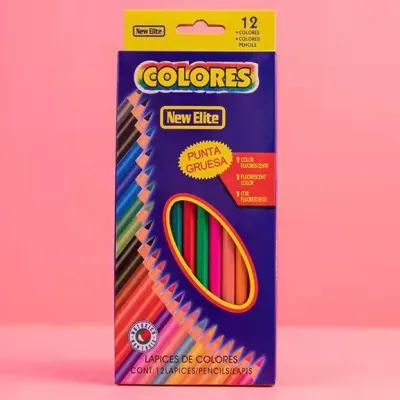
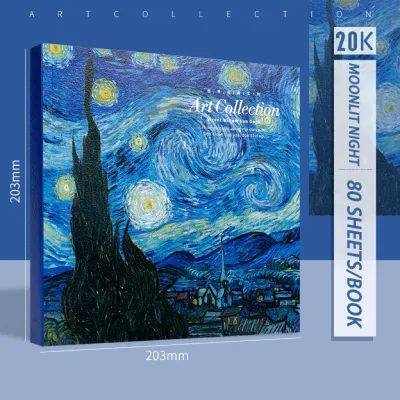
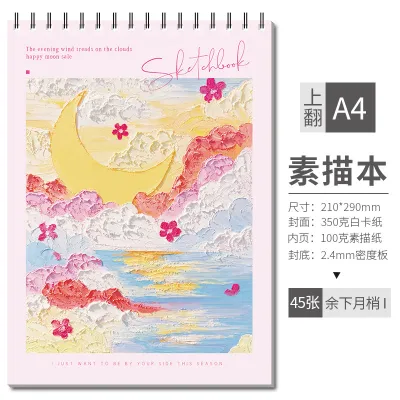
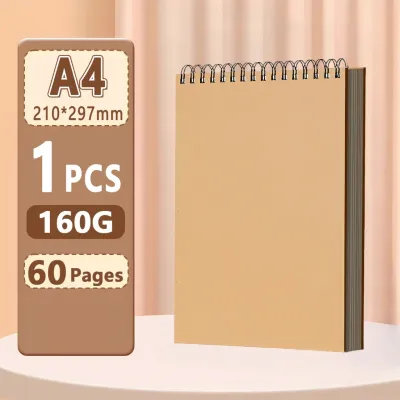
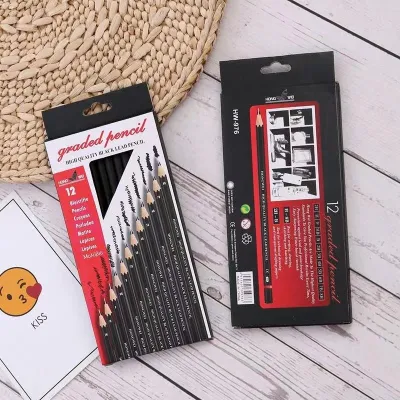
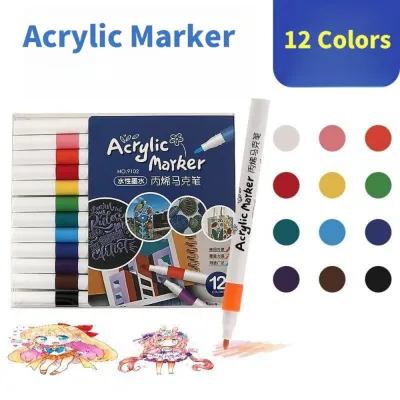
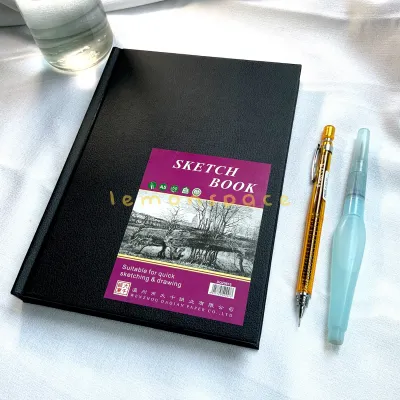
Prices are valid at publication and may change. Please refer to the product page for the latest price.
True watercolor painting and heavy wet media require heavyweight paper of at least 300 GSM. This thickness provides the structural integrity needed to absorb water without buckling or curling as it dries. Always verify the manufacturer’s label for the exact GSM rating, as some sketchbooks may look thick but actually contain lighter, highly compressed sheets that cannot handle wet techniques.
Matching Paper Texture and Finish to Your Primary Medium
The texture of sketchbook paper, often referred to as its finish, determines how pigments, graphite, and ink settle on the surface. Standard paper manufacturing produces three primary textures: hot-pressed, cold-pressed, and rough. Each texture alters the appearance of your lines and washes, making texture selection a critical decision for your artistic style.

Hot-pressed paper is pressed under high pressure between heated rollers, resulting in a smooth, flat surface. This finish is excellent for detailed ink drawings, fine-liner work, and precise pencil illustrations because there is no texture to interrupt the stroke. Cold-pressed paper is pressed without heat, leaving a textured, slightly bumpy surface that is highly versatile and popular for watercolor washes. Rough paper has a pronounced, uneven texture that creates dramatic effects as paint settles into the valleys of the sheet.
To check if a sketchbook’s texture suits your style, perform an observable test on a sample page or the back of a sheet. Run your fingertips across the surface to feel the grain, and draw a single light line with a medium-grade pencil. If the line breaks or appears grainy, the paper has a prominent tooth; if the line is solid and continuous, the surface is smooth.
Watercolor: Managing Absorption and Surface Sizing
Sizing is a treatment applied to paper during manufacturing to control its absorbency. Without sizing, paper acts like a paper towel, sucking up water and pigment instantly, which leads to dull colors and uncontrollable bleeding. Sizing can be mixed into the paper pulp (internal sizing) or brushed onto the finished sheet (external sizing) to slow down water absorption.
Properly sized watercolor paper allows water to pool slightly on the surface, giving you time to blend colors and lift pigment before it dries. You can identify well-sized paper by placing a tiny drop of water on a corner; if the drop beads up for a few seconds before slowly soaking in, the paper is sized correctly. If the water sinks in immediately and darkens the paper instantly, the sheet is unsized or poorly sized, making it unsuitable for wet washes.
Pencil and Graphite: Finding the Right Tooth
For pencil and graphite artists, the “tooth” of the paper—the microscopic roughness of the surface—is what pulls the graphite off the pencil core and holds it in place. If a paper is too smooth, like high-gloss cardstock, the graphite cannot grip the surface, resulting in faint lines and a shiny, metallic sheen that easily smudges.
Conversely, paper with too much tooth, such as rough watercolor paper, will wear down your pencil tips rapidly and make detailed shading difficult. The texture breaks up the graphite, creating a grainy appearance that is hard to blend smoothly. For general graphite drawing, a medium-tooth paper provides the ideal balance, allowing you to layer light and dark values while maintaining crisp details.
Ink and Markers: Preventing Bleed and Feathering
Ink and marker artists require paper with high fiber density and a tight weave to prevent feathering, which occurs when ink spreads sideways along the paper fibers. Smooth, coated papers or high-density mixed-media sheets keep ink lines sharp and precise.
Bleed-through, where ink penetrates to the back of the page or onto the next sheet, is another common issue, especially with alcohol-based markers. To prevent this, look for sketchbooks specifically labeled as marker-resistant, which often feature a special barrier coating on the back of each page. Always test your pens on an inconspicuous back page to check the opacity and bleed resistance before starting a major piece.
Cotton vs. Wood Pulp: Evaluating Material and Archival Quality
The raw material used to make sketchbook paper determines its durability, longevity, and how it responds to erasing. Wood pulp (cellulose) paper is the most common and affordable option, making it excellent for daily practice and sketching. However, wood pulp fibers are shorter and less resilient, meaning the paper can tear or pill if you erase repeatedly or apply heavy water washes.
Cotton paper, made from 100% cotton linters, is highly regarded by professional artists. Cotton fibers are naturally long and strong, allowing the paper to absorb massive amounts of water, withstand aggressive scrubbing, and tolerate heavy erasing without degrading. Additionally, cotton paper is naturally acid-free, meaning it will not yellow, become brittle, or degrade your pigments over time.
When shopping, check the product packaging for terms like “100% Cotton” or “Acid-Free.” If a sketchbook does not specify its material, it is highly likely made from wood pulp. For finished pieces that you want to preserve for decades, investing in acid-free cotton paper is essential, while wood pulp sketchbooks remain the practical choice for everyday studies.
Sketchbook Formats, Binding, and Practical Features
The physical construction of a sketchbook affects how and where you can use it. Spiral binding allows the book to fold completely flat or back on itself, which is highly convenient for working on your lap or in tight spaces, and it makes page removal easy. However, the metal coils can sometimes get in the way of your hand, and the pages are more vulnerable to tearing out accidentally.
Stitched or thread-bound sketchbooks offer a traditional book feel and allow you to draw across a double-page spread without a gap. These books are highly durable, though they may require some breaking-in to lay completely flat. Glued pads or fold-over sketchbooks are excellent for studio work where you intend to remove every finished sheet, but they are less secure for carrying around in a bag.
For outdoor or field sketching, look for practical features like a rigid hardcover that acts as a built-in easel, an elastic band to keep the book closed in transit, and a ribbon marker. In humid tropical climates, a sturdy cover also helps protect the inner pages from moisture in the air. Additionally, pay attention to the paper grain direction; paper that folds easily along the spine will lay flatter than paper bound against the grain.
Pre-Purchase Checklist: Verifying Specifications and Compatibility
Before purchasing a new sketchbook, run through a quick checklist to ensure it matches your creative workflow. First, cross-reference the paper weight (GSM) and texture with your primary medium to avoid buying a book that cannot support your techniques. Check the material composition, looking for acid-free labels if archival quality is a priority for your work.
If you are trying a new brand or paper type, consider buying a smaller, travel-sized version first to test how your specific tools react to the surface. Check the manufacturer’s compatibility guidelines, which often list recommended mediums directly on the cover or product description. Finally, inspect the binding quality and cover rigidity to ensure the sketchbook can withstand your typical working environment, whether that is a clean studio desk or a humid outdoor setting.
Frequently Asked Questions (FAQ)
Can I use a single sketchbook for watercolor, pencil, and ink?
Yes, you can use a single sketchbook for multiple media by choosing a dedicated mixed-media sketchbook. These books typically feature medium-weight paper (around 150 to 250 GSM) with a moderate vellum or medium-tooth texture. While highly versatile, mixed-media paper represents a compromise; it will not handle heavy watercolor washes as well as dedicated 300 GSM cotton paper, nor will it offer the ultra-smooth surface ideal for detailed pen work. To optimize your results on mixed-media paper, limit the amount of water you use and avoid heavy scrubbing with your brushes.
Does the color of the sketchbook paper affect my drawing?
Yes, the color of the paper significantly influences the contrast, value range, and overall mood of your artwork. Traditional white or off-white paper provides the maximum contrast, allowing bright highlights and deep shadows to stand out clearly. Toned papers, such as tan, gray, or black, shift your starting point to a mid-tone value. On toned paper, you must use white gel pens, gouache, or light pastels to build up highlights, while using graphite or dark ink for shadows. This approach creates a rapid sense of depth and three-dimensional form that is highly effective for sketching.
Community discussion
Share your experience or ask a question. Comments are reviewed before publication.