
Selecting the correct packaging is essential to ensure your pasalubong arrives safely and looks presentable. The ideal box for souvenir items depends heavily on the physical characteristics of the goods, such as moisture sensitivity, fragility, and weight. By matching the box material, structure, and size to specific categories like food, handicrafts, or clothing, you can prevent damage during transit and elevate the unboxing experience for your recipients.
How to Assess Your Pasalubong Needs Before Choosing a Box
Before purchasing any packaging, you must evaluate the physical traits of your souvenirs. Heavy items like stone carvings or jars of preserves require thick, rigid walls to prevent the bottom of the box from sagging or tearing. Lightweight items like handwoven fans or dried herbs can use thinner paperboard, but they still need structural protection from external pressure.
Moisture and oil sensitivity are critical factors in tropical climates. High humidity can soften standard cardboard, making it lose its structural integrity during long journeys. If your souvenirs are sensitive to temperature fluctuations or humidity, you must select materials that resist moisture absorption or plan to use protective inner barriers.
Products mentioned in this guide
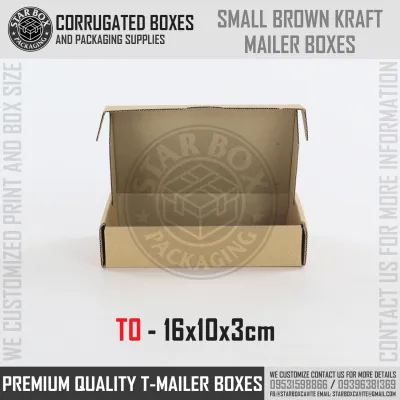
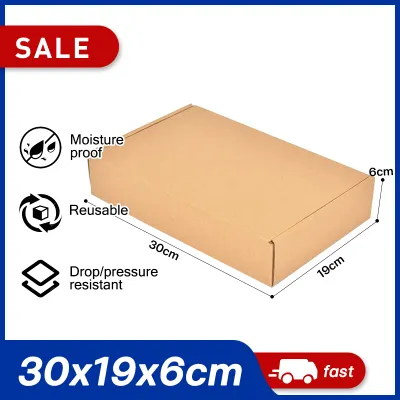
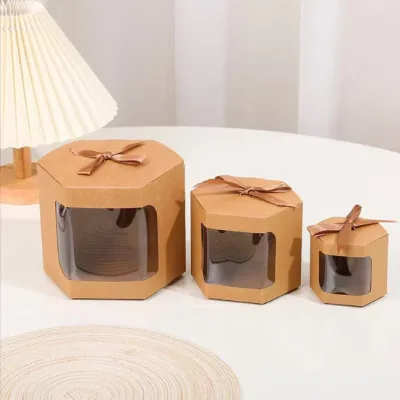
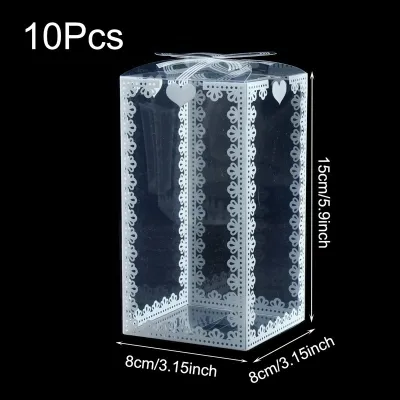
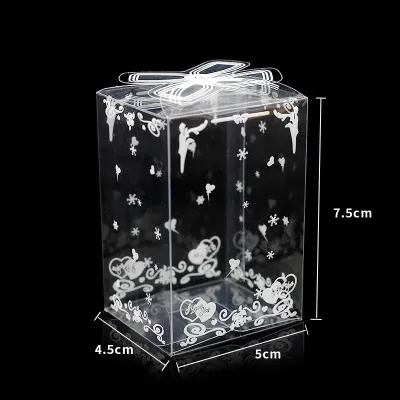
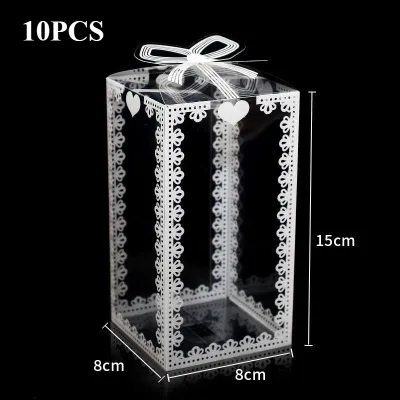
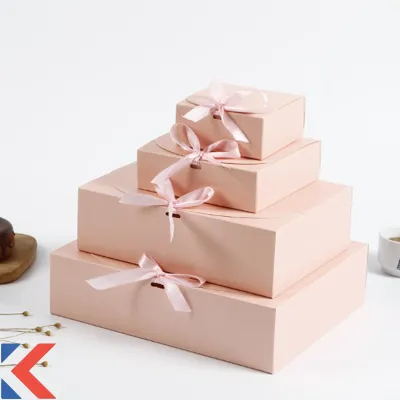
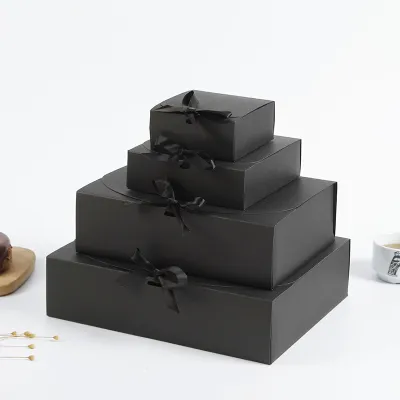
Prices are valid at publication and may change. Please refer to the product page for the latest price.
Transit conditions dictate the level of durability your box needs. If you are traveling by provincial bus, ferry, or airplane, your packages will likely be stacked under heavy luggage. A box with high crush resistance is necessary to withstand this pressure over long travel times.
Finally, decide whether you want to showcase the item immediately or keep it hidden. A box with a clear plastic window is excellent for visually appealing items like colorful delicacies or intricate crafts. Conversely, a solid, fully enclosed box provides better protection against light exposure and keeps the contents a surprise until opening.
Choosing the Right Box for Food and Edible Souvenirs
Food items are among the most popular pasalubong choices, but they present unique packaging challenges. When packaging items that will directly touch the box interior, such as loose pastries or traditional baked goods, always verify that the box material is rated as food-safe. If you cannot confirm this, use food-grade inner liners, parchment paper, or wax paper to create a safe barrier.

Oily or greasy treats like polvoron, fried chips, or buttery pastries can easily ruin standard paperboard. Look for boxes with grease-resistant interior coatings that prevent oil from seeping through and creating unsightly stains on the exterior. Alternatively, wrap each food item individually in greaseproof paper before placing it inside the box.
Structural security is vital to prevent accidental spills during transit. Choose boxes featuring secure locking tabs, tuck flaps, or reinforced corners. These designs stay closed even when subjected to movement inside a travel bag, ensuring your snacks do not scatter.
Consider the ventilation needs of your food items. Freshly baked goods release steam, which can make them soggy if trapped inside an airtight container; these require boxes with small ventilation holes. On the other hand, dried, crispy, or highly humidity-sensitive items like banana chips or toasted pastries need airtight sealing or tightly closed boxes to maintain their texture in humid environments.
Protecting Fragile Souvenirs and Handicrafts
Delicate handicrafts, such as Capiz shell ornaments, pottery, or wooden carvings, require robust physical protection. For heavy or highly breakable items, prioritize double-walled corrugated cardboard boxes or rigid setup boxes. These materials offer superior structural strength and absorb external impacts far better than thin folding cartons.
When selecting a box, ensure the internal dimensions leave adequate clearance on all sides of the item. You will need at least one to two inches of space around the object to pack cushioning materials. Placing a fragile item directly against the box wall increases the risk of breakage if the box is bumped or dropped.
Check the manufacturer’s specifications for weight limits or edge crush test (ECT) ratings when buying corrugated boxes. A higher ECT rating indicates better stacking strength, which is crucial if your souvenir box will be placed at the bottom of a heavy travel trunk or cargo hold.
If you are packing multiple fragile pieces in a single container, do not let them touch each other. Plan to use internal corrugated dividers, cardboard inserts, or custom partitions. These dividers keep each item isolated and prevent them from knocking together and chipping during transit.
Packaging Clothing and Textile Souvenirs Safely
Textile gifts, such as handwoven shirts, traditional fabrics, or embroidered linens, require packaging that keeps them clean, dry, and uncreased. Mailer-style boxes and telescoping boxes are excellent choices for garments. They provide a flat, stable surface that keeps folded textiles neat and prevents the box from bending easily under light pressure.
Humid transit environments pose a risk of mold or musty odors for organic fabrics. To protect textiles, check if the box has a moisture-resistant outer coating. If it does not, wrap the folded clothing in an inner poly bag or acid-free tissue paper before placing it in the box to seal out damp air.
The depth of the box should match the folded thickness of your garments. If the box is too shallow, compressing the fabric to close the lid will cause deep, stubborn creases that are difficult to iron out. If the box is too deep, the clothing will slide around and become unfolded; use tissue paper to fill any excess space.
If you want to highlight the beautiful weave, embroidery, or pattern of the textile, consider a box with a die-cut window. This allows the recipient to appreciate the craftsmanship immediately without breaking the protective seal of the packaging.
How to Measure and Select the Perfect Box Size
Choosing the right box size prevents your souvenirs from shifting during travel and reduces the amount of packing material needed. To start, measure your item’s length, width, and height at its widest, longest, and thickest points. Always use a rigid measuring tape or ruler rather than a flexible fabric tape to ensure accuracy.
Once you have the base measurements of the item, add the necessary clearance for internal padding. For fragile items, add at least two to four centimeters to each dimension to accommodate bubble wrap or paper fill. For non-fragile items like clothing, you only need to add a few millimeters of clearance to ensure the item slides in easily.
Be careful to distinguish between internal and external box dimensions when browsing supplier listings. External dimensions include the thickness of the cardboard walls, which can be significant for corrugated or rigid boxes. Always rely on the listed internal dimensions to ensure your item and its cushioning will actually fit inside.
Keep a simple sizing checklist handy when shopping. Compare your calculated target dimensions (item size plus padding clearance) to the standard box sizes offered by local packaging suppliers. If your measurements fall between two standard sizes, always choose the larger size to avoid crushing your item.
Enhancing Presentation with Wrapping and Cushioning Supplies
The right internal wrapping materials secure your souvenirs while creating a beautiful unboxing experience. Use appropriate void fill, such as shredded crinkle paper, soft tissue paper, or biodegradable packing peanuts, to immobilize items. Gently pack the fill into any empty spaces so the contents cannot shift when you shake the box.
To secure the exterior, choose decorative elements like cotton ribbons, rustic jute twine, or paper belly bands. These accents should complement the natural texture of kraft paper boxes or the clean look of white board boxes. Select ties that are easy to untie so the recipient does not struggle to open the gift.
You do not need expensive custom-printed boxes to make your gifts look premium. Use custom stickers, personalized gift tags, or rubber stamps to decorate standard stock boxes. This approach is highly cost-effective, saving you precious pesos (₱) on custom printing without sacrificing the premium look.
Finally, verify that any adhesives, packing tapes, or sealing waxes you use are compatible with the box’s outer surface. Some glossy or coated boxes resist standard paper tapes, causing them to peel off during transit. Test your tape on a small, inconspicuous area of the box first to ensure a strong, secure bond that keeps your package sealed until it reaches its destination.

Community discussion
Share your experience or ask a question. Comments are reviewed before publication.