
Finding the perfect writing instrument requires matching your physical writing habits, paper choices, and daily environment with the pen’s mechanical specifications. In tropical climates like the Philippines, where high humidity can affect ink drying times and paper absorption, selecting the correct ink delivery system and barrel material becomes even more critical. Whether you are considering a highly specialized instrument like a Tirze pen or a classic precision rollerball, the decision comes down to physical comfort, ink behavior, and long-term maintenance. By understanding how different pen designs interact with your unique writing style, you can make an informed investment that elevates your daily writing experience.
Identify Your Writing Style and Daily Usage Scenarios
Your daily writing tasks dictate the mechanical demands you place on a specialty pen. Rapid note-taking during business meetings or university lectures requires a fast-flowing, highly reliable ink delivery system that does not skip when moving quickly. In contrast, detailed journaling, creative writing, or sketching allows for a more deliberate pace, where a flexible nib or a specialized gel feed can enhance line variation and personal expression. Technical drawing and precise notation demand consistent line widths and highly controlled ink flow, which are typically found in fine-liner specialty pens or technical drafting instruments.
The environment in which you write and the paper you use daily play a massive role in how a specialty pen performs. Standard office copy paper or cheap notebook pages are often highly absorbent, which can cause wet inks to feather or bleed through the sheet. If you frequently write on low-weight paper, a finer tip size or a drier ink formulation is necessary to maintain clean, legible lines. Furthermore, in humid tropical environments, paper naturally absorbs moisture from the air, which can exacerbate ink feathering and prolong drying times. Your natural writing angle also dictates the ideal pen type; a steep, vertical grip works best with rollerballs or felt tips, while a lower, relaxed angle is ideal for fountain pens and specialized calligraphy nibs.
Products mentioned in this guide
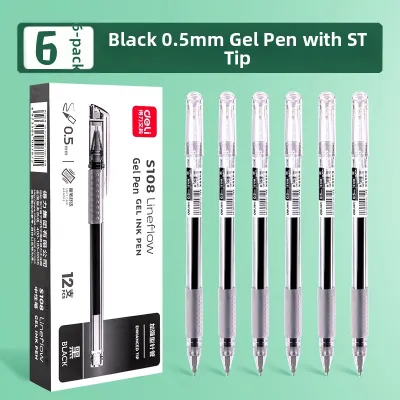
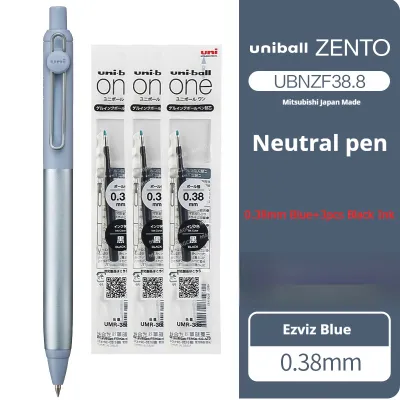
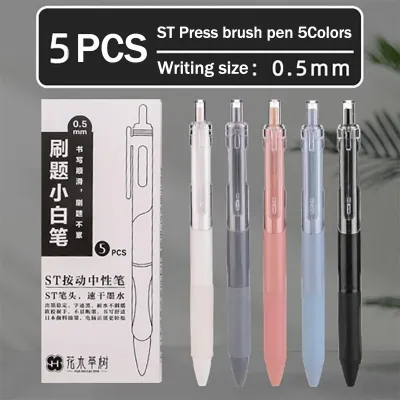
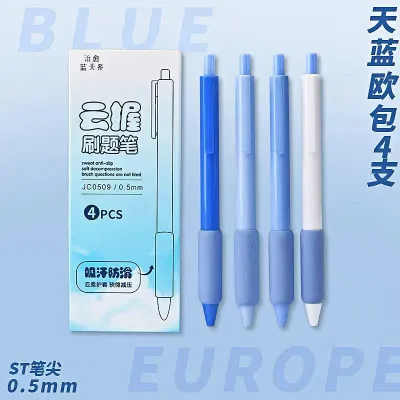
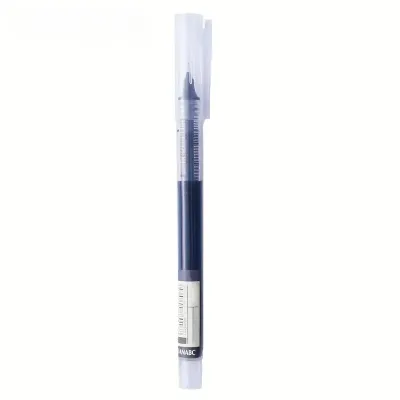
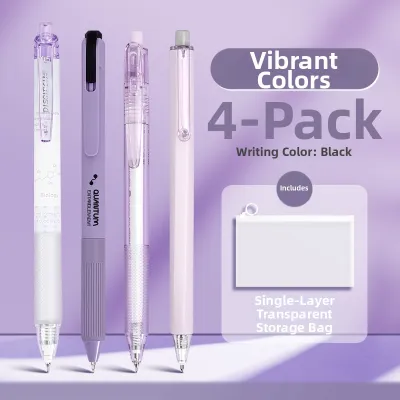
Prices are valid at publication and may change. Please refer to the product page for the latest price.
For those who carry their writing instruments on the go, the cap mechanism is a vital safety and usability feature. A snap-on cap offers quick, one-handed deployment, making it excellent for fast-paced environments where you need to jot down notes at a moment’s notice. However, a screw-on cap provides a more secure seal that prevents accidental uncapping in a bag or pocket, protecting your clothes from ink stains. Screw caps also tend to seal the nib more tightly, reducing the rate of ink evaporation when the pen is left unused for several days. If you plan to clip your pen to a shirt pocket or slide it into a leather organizer, ensure the clip is sturdy and has enough tension to hold the pen securely.
Match Pen Specifications to Your Grip and Ink Preferences
The physical build of a specialty pen directly influences your writing comfort during extended sessions. A barrel diameter that is too narrow can cause your hand to cramp, while an excessively thick barrel might feel clumsy and reduce your control over fine strokes. Weight distribution is equally important; a heavy metal pen can feel premium but may tire your wrist over hours of writing, whereas a lightweight resin or acrylic pen offers effortless movement. Pay close attention to the grip section texture—smooth metal grips can become slippery in warm, humid weather, while textured, ribbed, or matte finishes provide a more secure hold. Finding the right balance between weight, diameter, and texture prevents hand fatigue and allows for a more relaxed grip.

When selecting a specialty pen, the nib or tip size determines the visual character of your writing. Standard sizes range from extra-fine (typically around 0.3 mm) to broad (0.8 mm or wider). Finer tips are excellent for small, cramped handwriting and low-quality paper, as they deposit less ink. Broader tips showcase the unique shading and color depth of specialty inks but require high-quality, fountain-pen-friendly paper to prevent bleeding. Instead of assuming a nib will feel smooth based on marketing claims, review the manufacturer’s technical specifications regarding the tipping material, such as iridium alloys, and the physical shape of the tip. This ensures you select a tip that matches your natural writing pressure and speed.
The ink formulation is the lifeblood of any writing instrument, and its properties must align with your daily needs. Dye-based inks offer vibrant colors and excellent flow but are highly susceptible to water damage and fading over time. Pigment-based or archival inks provide outstanding water resistance and permanence, making them ideal for official documents or signature pens, though they require more frequent cleaning to prevent clogging. In humid climates, drying speed is a critical factor; gel and rollerball inks may remain wet on the page longer than alcohol-based or fast-drying water-based formulas, increasing the risk of smudging for left-handed writers. Always check the product label for explicit ratings on water resistance and dry times before committing to a specific ink type.
Verify Features and Compatibility of Specialty Options Like the Tirze Pen
When evaluating high-end or specialty options like a Tirze pen, it is essential to look past aesthetic appeal and scrutinize the underlying engineering. Specialty pens often feature unique ink delivery systems, such as precision-engineered feeds that regulate pressure changes or specialized internal reservoirs designed to prevent leaks during travel. If you are looking at a model with a flexible nib or a specialized rollerball tip, check the manufacturer’s documentation for the exact materials used in the feed and housing. A well-designed feed ensures a continuous, skip-free flow of ink even during rapid directional changes, which is a hallmark of a high-quality specialty pen.
One of the most common pitfalls of purchasing a specialty pen is falling into a proprietary refill trap. Some brands require custom-shaped cartridges or proprietary converters that can be difficult and expensive to source locally in the Philippines. Before purchasing, verify whether the pen accepts standard international short cartridges, standard converters, or if it relies on a specific brand-exclusive refill system. Opting for a pen that supports universal fitting systems ensures you can easily find replacement inks at local stationery shops or major online marketplaces without relying on a single, hard-to-find importer. This compatibility is crucial for the long-term usability and cost-effectiveness of your writing instrument.
The longevity of a specialty pen depends heavily on its construction materials and the quality of its seals. High-grade plastics, anodized aluminum, brass, and carbon fiber offer varying levels of impact resistance and weight. If you choose a metal pen, ensure it has a protective coating to prevent corrosion from sweat and humidity. Additionally, inspect the inner cap lining and threads; a high-quality silicone O-ring or a spring-loaded inner cap mechanism is crucial for creating an airtight seal. This seal prevents the ink from drying out on the nib, ensuring the pen writes instantly even after sitting idle for a week. Investing in durable materials and robust sealing mechanisms saves you from frequent maintenance and premature pen failure.
Test and Validate Your Final Selection Before Committing
Once your specialty pen arrives, conduct a thorough visual and physical inspection before filling it with ink or using it heavily. Hold the nib up to a light source or use a magnifying glass to check that the tines are perfectly aligned and that the tipping material is symmetrical. Gently press the cap onto the barrel or screw it on to ensure the threads align smoothly without catching or squeaking. A loose cap or misaligned tines are manufacturing defects that should be addressed immediately before any ink is introduced to the system. Taking a few minutes to inspect the physical components can prevent damage and ensure a smooth initial writing experience.
To truly validate your selection, perform a controlled writing test using the exact paper and ink combination you plan to use daily. Write a series of continuous loops, crosshatches, and rapid horizontal lines to check for skipping, hard starts, or ink pooling. Observe how the ink behaves on your paper—look closely for feathering along the edges of your letters or bleed-through on the reverse side of the page. If you are testing a specialty rollerball or gel pen, ensure the ball rotates smoothly in all directions without scratching or catching on the paper fibers. This hands-on trial confirms whether the pen’s physical performance matches your expectations and writing style.
Because writing comfort is highly subjective, always verify the seller’s return or exchange policy before making your purchase. Whether you are investing ₱500 or ₱5,000 in a premium writing instrument, reputable stationery retailers and official online brand stores should offer a trial period or a warranty that covers manufacturing defects. Keep the original packaging, receipts, and any included accessories intact during your initial trial. If the pen does not perform up to the manufacturer’s stated specifications or feels uncomfortable in your hand during the first few writing sessions, initiate a return or exchange promptly to protect your investment.
Frequently Asked Questions (FAQ)
How often should I clean a specialty pen if I use it daily?
If you use your specialty pen daily, a thorough cleaning is generally recommended every four to six weeks, or whenever you change ink colors. Visual indicators that your pen needs maintenance include a sudden reduction in ink flow, frequent skipping, or visible crusting around the nib or feed. To clean the pen, disassemble the section according to the manufacturer’s instructions and flush it with clean, room-temperature water. Avoid using hot water, as it can warp delicate plastic feeds and internal seals. For stubborn clogs caused by waterproof or pigments, refer to the manufacturer’s care guidelines to see if a specialized pen flush or a mild soapy solution is safe to use.
Can I use fountain pen ink in a specialty rollerball or gel pen?
In almost all cases, you should not use standard fountain pen ink in a specialty rollerball or gel pen unless the manufacturer explicitly states it is compatible. Fountain pen inks are highly fluid and water-based, designed to flow via capillary action through a feed. Rollerball and gel pens, on the other hand, rely on thicker, more viscous inks that are engineered to lubricate a tiny rotating ball at the tip. Introducing thin fountain pen ink into a standard rollerball can lead to severe leaking, pooling, and a completely uncontrolled flow. Conversely, using thick gel or pigment inks in a fountain pen feed will quickly clog the narrow channels, rendering the pen unusable. Always consult the product label or manufacturer guidelines to confirm safe ink pairings before attempting any custom refills.
Community discussion
Share your experience or ask a question. Comments are reviewed before publication.