
Choosing the right sticker book for kids involves balancing their physical development with their current imaginative play. A book that is too complex leads to frustration, while one that is too simple is quickly discarded. By matching sticker sizes to fine motor skills and selecting themes that align with daily play, you can find an engaging, screen-free activity that supports independent learning.
Assess Your Child's Fine Motor Skills and Readiness
Before purchasing a sticker book, observe how your child interacts with small objects. A child’s physical readiness dictates whether they will enjoy the book independently or require constant adult assistance.
Look closely at their pincer grasp, which is the ability to hold objects between the thumb and index finger. Toddlers who are still developing this grasp struggle with tiny, intricate stickers. For these younger children, look for books featuring large, chunky stickers with wide borders. Older children who can handle pencils or safety scissors will appreciate smaller, highly detailed stickers that challenge their precision.
Products mentioned in this guide
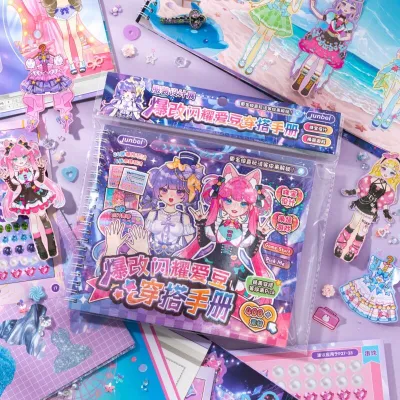
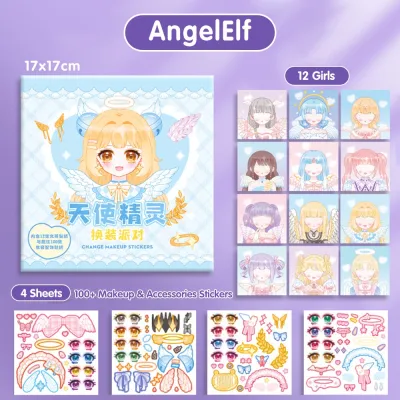
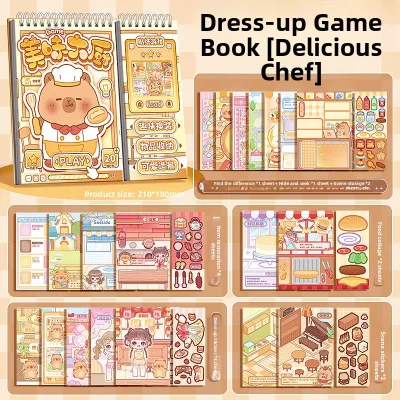
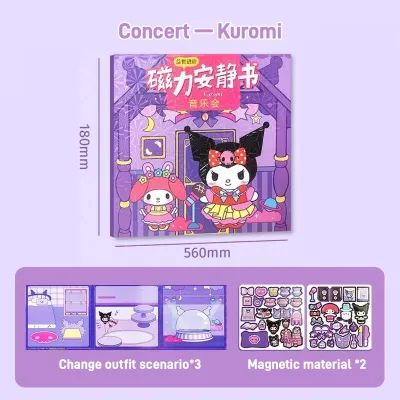
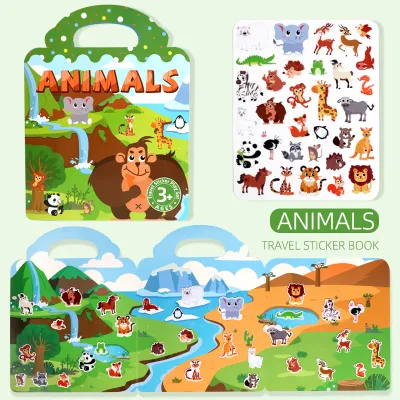
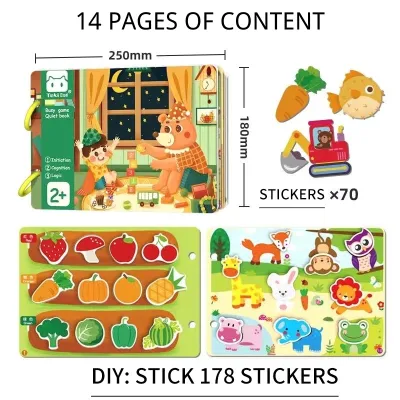
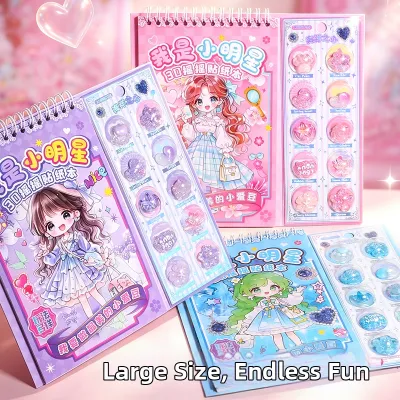
Prices are valid at publication and may change. Please refer to the product page for the latest price.
The physical construction of the book itself is just as important as the stickers. Enthusiastic young hands can easily rip thin pages when turning them or pressing down stickers. Opt for books with thick, laminated cardstock pages or heavy-weight paper. Spiral binding or flat-laying designs are particularly helpful, as they prevent the book from snapping shut while a child is trying to place a sticker.
Finally, examine the backing paper. Some sticker books feature a pre-cut border around the stickers, making it easy for tiny fingers to get underneath the edge. If the stickers are tightly packed on the sheet with no gaps, your child may need you to peel the backing off first. Testing a single sheet or looking for easy-peel labels can save hours of frustration.
Identify Themes That Match Their Current Interests
A sticker book only holds a child’s attention if the subject matter connects with their inner world. Observing their daily play habits is the easiest way to identify what will capture their imagination.

Pay attention to the toys, stories, and shows your child gravitates toward. If they spend hours lining up toy cars, a transportation-themed book is a natural fit. For children who enjoy open-ended storytelling, look for blank canvas books or general creative packs that feature a mix of animals, shapes, and characters. These allow them to invent their own narratives without being restricted by a specific storyline.
You will also want to decide between structured scene-building books and freeform options. Structured books provide designated outlines or shadow shapes where specific stickers must go, acting like a puzzle. This is excellent for children who love order, matching games, and clear goals. Conversely, blank scene books offer a background—like a park, a house, or a coral reef—and let the child place stickers wherever they please, fostering creative expression.
While educational sticker books that teach letters, numbers, or science concepts are highly valuable, balance them with pure entertainment. If a sticker book feels too much like schoolwork, a child may reject it. Look for books that blend learning with play, such as matching shapes to complete a colorful picture, ensuring the activity remains a joyful hobby rather than a chore.
Compare Sticker Book Formats and Features
Sticker books come in several distinct formats, each offering different play values and practical benefits. Understanding these formats helps you get the best value for your budget in ₱.
One major decision is choosing between reusable vinyl-like stickers and traditional paper stickers. Reusable stickers, often made of static cling vinyl, can be peeled off and repositioned dozens of times. While they may carry a slightly higher upfront cost in ₱, their longevity makes them highly cost-effective for younger children who like to change their minds. Traditional paper stickers, on the other hand, offer a satisfying tactile stickiness and permanent placement, which older children often prefer for creating permanent art or decorating journals.
Many modern sticker books include extra interactive elements that extend playtime beyond simple peeling and pasting. Look for books that feature fold-out panoramic scenes, built-in stencils, or coloring pages that work alongside the stickers. Some books even come with water-based markers, allowing children to draw their own details around the stickers they have placed.
Portability is another key factor, especially if you need a quiet activity for travel, restaurant visits, or long car rides. Compact, lightweight books with built-in handles or storage pockets for loose sticker sheets are ideal for on-the-go entertainment. In warm, humid climates, look for books with secure closures, as high humidity can sometimes cause sticker sheets to curl or slide out of loose pockets if left unprotected.
Verify Safety, Materials, and Durability
Safety and quality should always guide your final purchase decision. Because children handle these books closely and often place stickers on their skin, checking the materials is essential.
Always read the product packaging for clear safety indicators. Look for non-toxic labels and pay close attention to age-appropriate choking hazard warnings. Books designed for children under three years old should feature large stickers that cannot be easily swallowed, while books with tiny accessory stickers should be reserved for older kids.
The adhesive quality requires careful inspection. Safe, child-friendly sticker books use water-based, low-tack adhesives that do not irritate the skin. This also ensures that if a sticker accidentally ends up on your wooden dining table, tiled floor, or painted walls, it can be removed easily without leaving a sticky, dirt-attracting residue or stripping the paint.
Lastly, assess the durability of the paper. High-quality sticker books use coated paper that resists tearing when a sticker is peeled off and repositioned. If the paper feels thin, rough, or newsprint-like, the stickers are likely to tear the page on contact, ending the fun prematurely. Investing in sturdy, well-made books ensures a smoother, more satisfying creative experience.
Frequently Asked Questions (FAQ)
How can I remove permanent stickers from a page without tearing it?
To remove a permanent paper sticker without tearing the page, start by peeling very slowly from one corner. Avoid pulling straight up; instead, fold the sticker back flat against itself as you peel. If the adhesive is stubborn, you can gently warm the back of the page with a hairdryer on its lowest, coolest setting for a few seconds to soften the glue. Alternatively, slide a thin, flexible plastic card or a dull plastic clay tool underneath the edge to lift it. If the paper begins to tear, it is best to stop and leave the sticker in place to preserve the rest of the page.
Are reusable sticker books a better choice for toddlers?
Yes, reusable sticker books are generally highly suitable for toddlers. Younger children are still developing their spatial awareness and often want to move a sticker immediately after placing it. Traditional paper stickers tear easily when repositioned, which can cause frustration. Reusable vinyl stickers are much thicker, highly durable, and can withstand rough handling, bending, and repeated peeling. While they may cost slightly more in ₱ initially, their durability and endless replay value make them a practical choice for early childhood play.
Community discussion
Share your experience or ask a question. Comments are reviewed before publication.