
Selecting the ideal sticker pad for your child is more than just picking a colorful cover; it requires matching the physical design of the stickers to your child’s developmental milestones. The right choice prevents the frustration of torn paper and supports fine motor progression. For toddlers, oversized stickers with thick backings are essential for early hand-eye coordination. Preschoolers thrive on reusable, thematic scene-building pads that foster imaginative storytelling. Older, school-age children enjoy detailed, permanent designs for personalizing their belongings and journaling. By aligning sticker features with your child’s age and skills, you turn a simple activity into an engaging, educational experience.
In the Philippines, where rainy afternoons or humid days often keep children playing indoors, a well-chosen sticker pad serves as an excellent screen-free activity. However, high tropical humidity can affect how adhesives perform, making it crucial to select the right material for our climate. Understanding your child’s physical abilities and play preferences is the first step toward finding the perfect match.
Assess Your Child's Fine Motor Skills and Interests
Before browsing the aisles of your local stationery shop or scrolling through online marketplaces, take a moment to observe how your child interacts with small objects. Fine motor control develops at its own pace, and matching a sticker pad to your child’s current physical abilities ensures they enjoy the process without getting discouraged.
Products mentioned in this guide
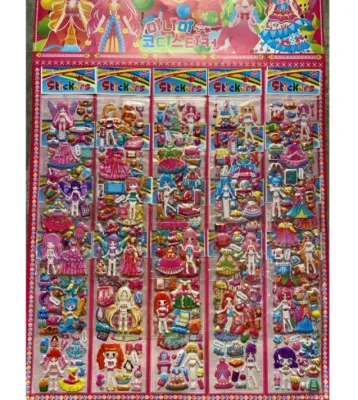
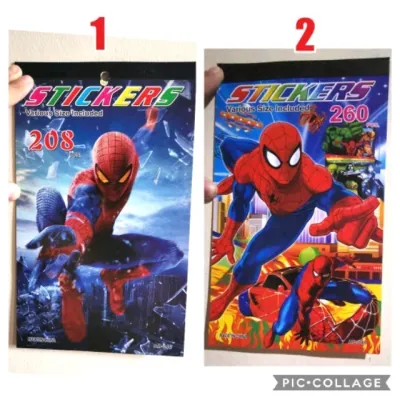
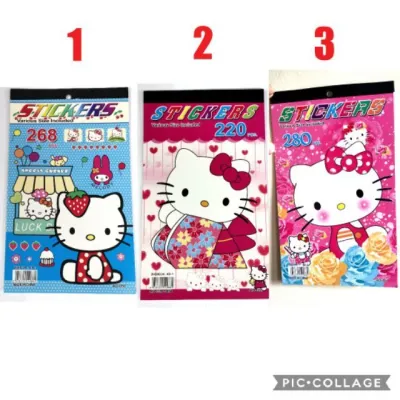
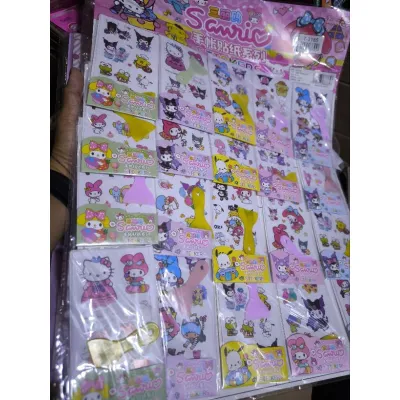
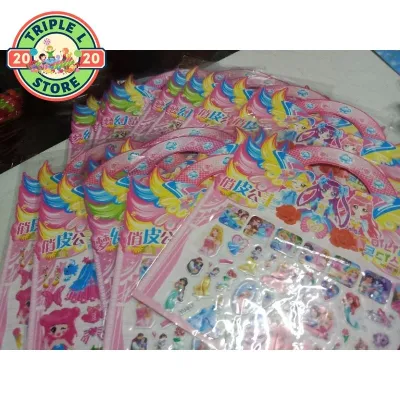
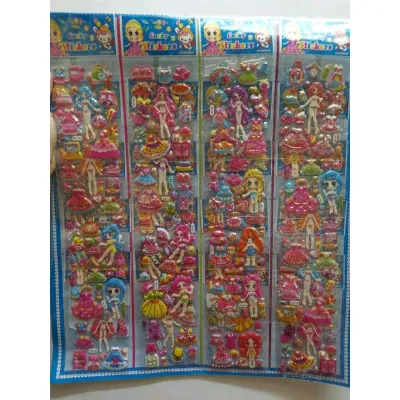
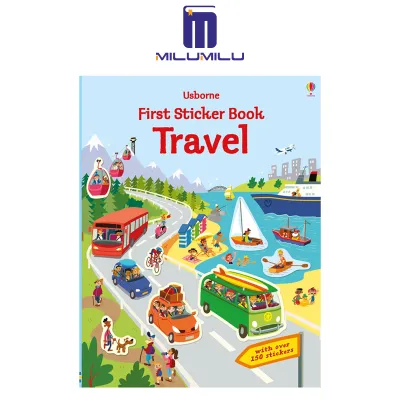
Prices are valid at publication and may change. Please refer to the product page for the latest price.
Watch your child’s pincer grasp—the ability to pinch objects between the thumb and index finger. If your child still uses their whole hand to grasp items, they will struggle with small, intricate stickers. They need large, chunky designs that they can easily grab. If they can easily pick up tiny crumbs or thread large beads, they are ready for moderately sized stickers with more complex shapes.
Pay attention to their thematic interests to keep them engaged. A child who is currently obsessed with animals, vehicles, ocean life, or space will spend far more time interacting with a themed pad. These familiar subjects also provide excellent opportunities for you to talk with your child, helping them build vocabulary as they point to and name each sticker.
Finally, observe how your child likes to play. Some children enjoy the repetitive motion of placing a sticker down, peeling it back up, and moving it somewhere else. Others prefer the permanent satisfaction of sticking an image down and leaving it as a completed piece of art. Identifying this preference helps you choose between reusable static-cling pads and traditional adhesive-backed sticker books.
Matching Sticker Pad Features to Age Groups
Sticker pads are not one-size-fits-all. Manufacturers design these products with specific age brackets in mind, tailoring the sticker size, adhesive strength, and page layout to match childhood developmental stages.

Toddlers (Ages 1–3): Large, Easy-Peel, and Safe Options
For toddlers, the primary goal of sticker play is developing basic hand-eye coordination and spatial awareness. At this stage, look for sticker pads that feature extra-large, chunky stickers. The backing paper should be thick and sturdy, allowing tiny hands to grip the edges without tearing the paper.
Safety is the most critical consideration for this age group. Because toddlers still explore their world by putting objects in their mouths, ensure that all stickers and packaging are large enough to prevent choking hazards. Look for clear age recommendations on the cover, and verify that the product uses non-toxic, water-based adhesives that are safe for accidental skin contact.
Choose pads that focus on high-contrast colors, simple geometric shapes, and basic vocabulary themes. Large illustrations of familiar items like farm animals, fruits, and simple shapes help toddlers connect the physical sticker to the spoken word, turning playtime into an interactive learning session.
Preschoolers (Ages 3–5): Thematic Scenes and Moderate Complexity
Preschoolers are developing rapidly, both in their physical coordination and their capacity for imaginative play. For this age group, look for sticker pads that include colorful background scenes, such as a bustling city street, a prehistoric dinosaur landscape, or a cozy dollhouse. These scenes act as creative prompts, guiding children to place stickers in logical spots and build their own stories.
Introduce moderately sized stickers with more varied outlines. At this stage, children can handle shapes that require a bit more precision to peel, such as the curved tail of a monkey or the wheels of a car. This level of complexity challenges their fine motor skills and keeps them focused without causing the intense frustration that highly detailed, tiny stickers might bring.
Reusable sticker pads are highly recommended for preschoolers. Look for options made from static-cling vinyl or those featuring low-tack adhesives. In the warm, humid climate of the Philippines, static-cling stickers are particularly excellent because they do not rely on chemical glues, which can melt, become sticky, or attract dust and pet hair over time. These reusable options allow children to rearrange scenes endlessly, offering great play value.
School-Age Kids (Ages 6+): Detailed Designs and Creative Journaling
Older children use stickers as a form of self-expression, decoration, and creative organization. For school-age kids, select sticker pads that feature intricate, highly detailed designs. They will appreciate smaller die-cut stickers, complex shapes, and specialty materials like puffy textures, holographic finishes, or metallic foil accents.
Look for thematic sets that align with their growing hobbies. Many older kids enjoy bullet journaling, scrapbooking, or keeping a personal diary. Sticker pads designed for planners, aesthetic journaling, or detailed fantasy world-building are perfect for this age group. These pads often include functional stickers like borders, labels, and decorative icons that help them organize their school projects and personal notebooks.
At this stage, children generally prefer permanent adhesives. They want their stickers to stay securely attached to their school folders, water bottles, pencil cases, or bedroom organizers. Verify that the adhesive is strong and durable. Because high humidity can cause low-quality paper stickers to curl or lift at the edges, look for water-resistant vinyl sticker pads if your child plans to decorate items that undergo daily wear and tear.
Key Features to Check Before Buying
Before making your final purchase, taking a few moments to evaluate the physical construction of the sticker pad can save you from common frustrations. First, verify that the adhesive type matches your intended use. If you want an activity for a long car ride or a flight, reusable static-cling stickers are ideal because they can be applied to windows and plastic trays without leaving a sticky residue. If your child is working on a permanent craft project, traditional paper stickers are the better choice.
Next, examine the paper quality and the binding of the pad. A good sticker pad should have sturdy, thick backing sheets that do not tear easily when a sticker is pulled. Look for pads with spiral binding or lay-flat designs, which allow the book to stay open easily on a table or lap. Additionally, check if the backing paper is scored or if the background matrix—the excess paper surrounding the stickers—has been removed. Removing this excess border makes it significantly easier for young children to lift the stickers independently.
Finally, always review the safety labels and certifications on the packaging. Look for non-toxic designations to ensure the materials are safe for prolonged skin contact. If you are buying for a household with multiple children of different ages, keep small-part warnings in mind and store detailed sticker pads out of reach of younger siblings who might put them in their mouths.
Frequently Asked Questions (FAQ)
Are reusable sticker pads worth the investment for young children?
Yes, reusable sticker pads offer exceptional value for money. Because children can peel, place, and rearrange the stickers multiple times, a single pad provides hours of entertainment across many play sessions. This repetitive play is highly beneficial for reinforcing fine motor skills, spatial awareness, and creative storytelling, making them a much more sustainable and cost-effective option than single-use paper sticker books.
How can I prevent stickers from tearing when my child peels them?
To prevent tearing, teach your child to gently bend the backing sheet away from the sticker rather than pulling the sticker straight up. Bending the sheet forces the edge of the sticker to pop up naturally, making it easy for small fingers to grasp. For younger toddlers, you can also peel off and discard the entire background matrix (the excess paper surrounding the stickers) before giving them the sheet, leaving only the individual stickers on the backing.
What should I do if a reusable sticker loses its stickiness?
If static-cling or vinyl reusable stickers stop adhering to surfaces, it is usually because they have accumulated dust, lint, or natural oils from your child’s hands. You can easily restore their cling by washing them gently in cool, soapy water, rinsing them thoroughly, and letting them air dry on a clean towel. For low-tack adhesive stickers that have permanently lost their stickiness, you can repurpose them for traditional paper crafts by applying a small amount of non-toxic school glue stick to the back.
Community discussion
Share your experience or ask a question. Comments are reviewed before publication.