
Selecting the right sunflower design fabric—often searched locally as tela sunflower design—involves more than just picking a visually appealing floral print. Whether you are sewing a breezy summer dress, a sturdy tote bag, or vibrant accent pillows for your living room, the scale, layout, and material base of the pattern will dictate your project’s success. A mismatch between your fabric choice and your pattern design can lead to awkward seam lines, distorted motifs, or a garment that is uncomfortable to wear in warm weather.
In the Philippines, where tropical heat and high humidity are constant considerations, choosing the right textile base is just as important as selecting the print itself. Lightweight, breathable fibers keep garments comfortable, while durable, tightly woven structures ensure home decor items withstand daily wear and frequent washing. By understanding how to evaluate sunflower motifs and match them to your sewing skill level, you can approach your next project with confidence and achieve a professional-grade finish.
Match the Sunflower Scale and Layout to Your Project
The scale of a sunflower print refers to the physical size of the individual flower motifs on the fabric. Large-scale prints feature expansive sunflower heads that can measure anywhere from five inches to over a foot in diameter. These bold designs are excellent for statement pieces where the fabric remains relatively flat and uninterrupted, such as structured tote bags, wide-panel curtains, or large quilt blocks. If you attempt to cut a large-scale print into small garment pieces with multiple seams and darts, the beautiful sunflower motifs will be sliced apart, leaving unrecognizable yellow patches that disrupt the visual flow of the design.
Products mentioned in this guide
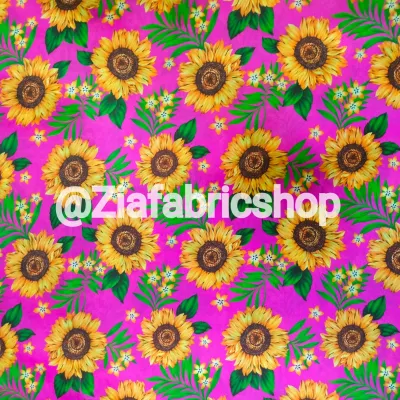
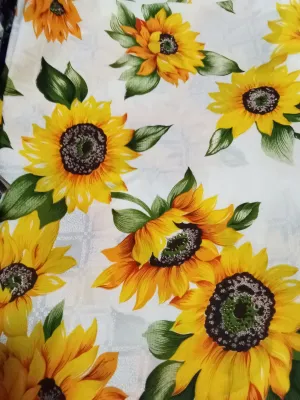
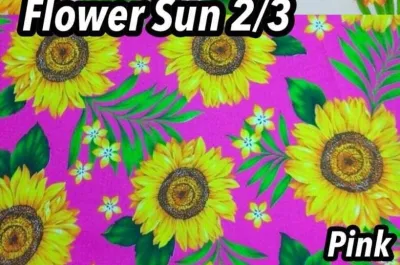
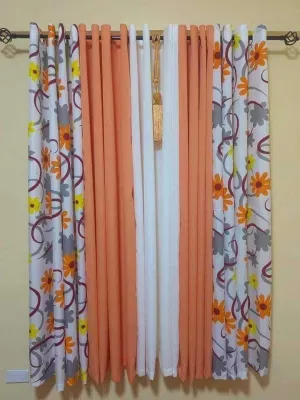
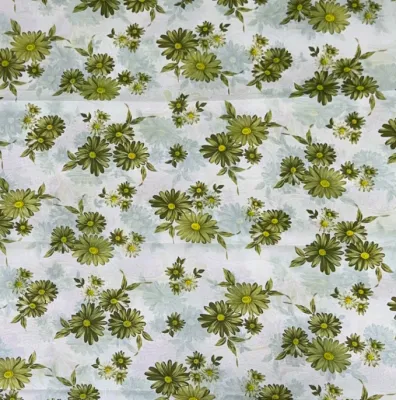
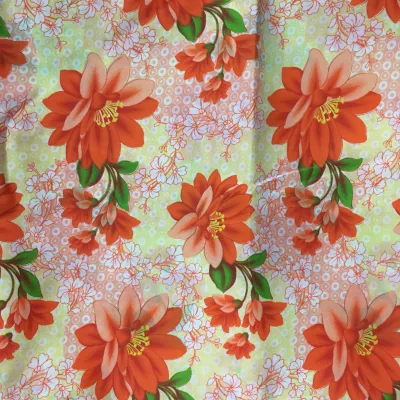
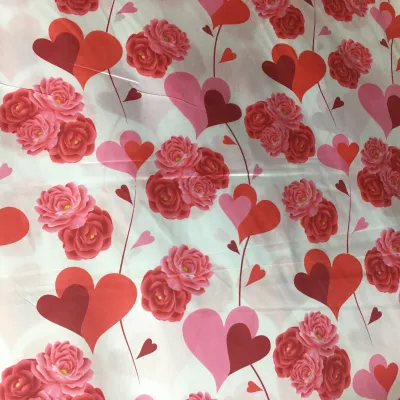
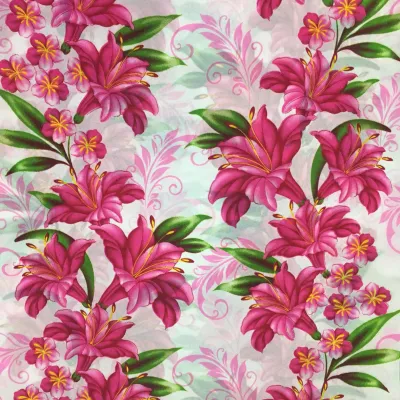
Prices are valid at publication and may change. Please refer to the product page for the latest price.
For apparel projects like blouses, casual skirts, and children’s wear, small-scale or tossed layouts are generally much easier to manage. A tossed layout features sunflower motifs scattered randomly in various directions rather than lined up in neat rows. This random arrangement is highly forgiving during the cutting process because you do not have to worry about matching up exact lines across side seams or centering a massive flower directly over a bust dart. It also minimizes fabric waste, as you can nestle your pattern pieces closely together on the cutting table.
When browsing for fabric, it is crucial to distinguish between directional and non-directional patterns. A directional sunflower print has a clear “up” and “down” orientation—for example, all the stems point toward the bottom selvage, or the flower heads face a single direction. Sewing with directional fabric requires meticulous planning because every single pattern piece must be cut facing the same way. If you accidentally flip a sleeve or a back panel upside down, the sunflowers on that section will appear inverted, which can ruin the look of the finished garment.
To avoid running out of material, always check the pattern repeat length on the product listing before making a purchase. The repeat is the distance between one point in the design and the exact spot where that same design element appears again. If a fabric has a large vertical repeat, you will need to purchase extra yardage to ensure you can align the sunflower motifs across prominent seams, such as the center front of a dress or the matching sides of a cushion cover.
Select the Fabric Base According to Your Skill Level
Your experience level with a sewing machine should heavily influence the type of fabric base you choose for your sunflower project. For beginners, stable woven cottons and quilting cottons are an excellent choice. These fabrics do not stretch, slip, or warp out of shape when you are cutting out your pattern pieces or pinning them together. They feed smoothly through the sewing machine without bunching, making them incredibly easy to control. If you are still mastering straight seams and neat hems, a high-quality cotton tela sunflower design will provide a stress-free sewing experience.

Intermediate sewists looking to create garments with beautiful movement and drape should consider rayon, viscose, or lightweight linen blends. These materials drape elegantly around the body, making them ideal for flowy tropical dresses, wrap skirts, and lightweight summer tops. However, these fabrics are notoriously slippery and prone to shifting on the cutting table. To handle them successfully, you will need to use fine, sharp pins or pattern weights, a rotary cutter, and a brand-new fine sewing machine needle (such as a size 70/10 or 80/12) to prevent snagging the delicate threads.
If your goal is to sew heavy-duty items like market totes, backpacks, or outdoor seat cushions, you will need to step up to canvas, denim, or upholstery-weight fabrics. These sturdy materials provide the structural integrity required to hold heavy items or withstand constant friction. Sewing through multiple layers of thick canvas can strain a standard domestic sewing machine, so it is essential to equip your machine with a heavy-duty needle (size 90/14 or 100/16) and use a walking foot attachment to ensure the layers feed through evenly without slipping or skipping stitches.
Regardless of the fabric base you select, always review the manufacturer’s care label or product description before starting. In tropical climates, garments and home textiles require frequent laundering to stay fresh. Pre-washing your fabric is a non-negotiable step; it pre-shrinks the fibers so your finished project does not warp or shrink after its first wash. Pre-washing also removes any chemical sizing or stiffeners applied during manufacturing, revealing the true softness and drape of the textile.
Evaluate Color Palettes for Versatility and Aesthetics
Sunflower fabric patterns are no longer limited to the traditional bright yellow petals and deep green leaves of the classic garden flower. While the traditional colorway remains popular for rustic, country-style decor and cheerful summer wear, modern textile designers offer a wide array of alternative palettes. You can find muted mustard yellows paired with terracotta and sage green for a retro, bohemian vibe, or even minimalist black-and-white line drawings of sunflowers for a sleek, contemporary look. Consider where and how the finished item will be used to ensure the color palette harmonizes with your existing wardrobe or home interior.
The background color of the print is another critical factor that influences both the aesthetics and the practicality of your project. A dark background, such as deep navy, charcoal, or black, makes the yellow sunflowers pop dramatically and is exceptionally practical for items that see heavy use, as it easily hides minor stains and dirt. On the other hand, a light background like cream, soft beige, or white offers a fresh, airy, and romantic feel. However, light-colored fabrics are often more translucent, meaning you may need to invest in a lining fabric to ensure your garments are not see-through under bright sunlight.
When planning your project, look beyond the sunflowers themselves and identify the secondary and tertiary colors within the print, such as the warm brown of the flower centers or the soft olive of the stems. You can pull these exact shades to select coordinating solid fabrics for color-blocking, pocket details, bias binding, or quilt sashing. This technique anchors the busy floral print and gives your finished piece a highly cohesive, professional appearance.
Because computer and phone screens display colors differently, shopping for fabric online can sometimes lead to surprises when the package arrives. To ensure color accuracy, look for user-uploaded photos in the review section of online marketplaces to see how the fabric looks in natural, unedited lighting. If you are planning a large-scale project where color matching is critical, ordering a small physical swatch first—which often costs only ₱50 to ₱100—is a smart way to verify both the color and the physical hand of the fabric before committing to a larger purchase.
Build Your Sunflower Fabric Shortlist and Buying Checklist
Before you click the purchase button or head to the cutting counter at your local fabric store, it is essential to compile a precise buying checklist. First, calculate your required yardage carefully. Do not rely solely on the standard yardage listed on your sewing pattern envelope, especially if you are working with a directional print or a large-scale motif that requires pattern matching. Add an extra 10% to 20% to your total yardage calculation to give yourself a safety buffer for aligning the sunflowers across seams and accommodating any minor cutting mistakes.
Next, verify the usable width of the fabric. While a bolt of fabric may be advertised as 44 inches or 60 inches wide, the actual usable area might be slightly less due to wide, unprinted selvages along the edges. The selvage often contains manufacturer information, color dots, and pinholes from the weaving process, none of which can be included in your visible pattern pieces. Knowing the exact usable width ensures your paper pattern pieces will actually fit side-by-side on the fabric grain.
If you are sourcing your tela sunflower design from an online store, make it a habit to order a sample swatch whenever possible. Physically holding the fabric allows you to perform a simple “scrunch test” to evaluate how easily the material wrinkles and how soft it feels against your skin. It also lets you test how the fabric reacts to your iron, which is crucial for pressing crisp seams during construction.
Finally, always review the seller’s return policy and dye-lot guarantees before finalizing your order. Fabric printed in different batches can exhibit subtle variations in color intensity or background shade. If you underestimate your yardage and need to order more later, there is a risk that the new fabric will not match your original piece. Buying all your required fabric from the same dye lot in a single transaction is the best way to guarantee color consistency across your entire sewing project.
Frequently Asked Questions (FAQ)
How do I calculate yardage for a directional sunflower pattern?
A directional sunflower pattern is one where the motifs have a clear top and bottom orientation, meaning they must all face the same direction on your finished item. Because you cannot rotate your pattern pieces upside down to fit them into tight spaces on the fabric layout, you will experience more fabric waste. To compensate, you should generally purchase 10% to 20% more fabric than the standard pattern envelope recommends. A highly reliable method is to lay out your paper pattern pieces on a floor space marked to your fabric’s width, ensuring all pieces point in the same direction, and then measure the total length required.
What is the best thread color to use with a multicolored sunflower print?
For structural seams that hold the project together, always match your sewing thread to the dominant background color of the fabric. This ensures that if a seam experiences tension and stretches slightly, the thread remains virtually invisible from the outside. If the sunflower print is highly variegated with multiple background shades, a neutral medium grey, beige, or soft navy thread is excellent because it naturally absorbs and blends into surrounding colors. If you want to add decorative topstitching, you can intentionally use a contrasting bright yellow or forest green thread, but keep in mind that this requires highly consistent stitch tension to look professional.
Can I use quilting cotton with a sunflower design to make clothing?
Yes, quilting cotton is a highly popular choice for apparel, particularly for structured garments like A-line skirts, structured shorts, casual button-up shirts, and children’s clothing. It is incredibly stable, easy to cut, and simple to sew, making it a favorite for beginners. However, quilting cotton lacks the fluid drape of apparel-specific fabrics like rayon or silk, so it is not suitable for flowy, gathered dresses or garments that require soft movement. If you choose to use quilting cotton for clothing, always pre-wash it in warm water before cutting to wash out the stiff manufacturing sizing and to account for initial shrinkage.
Community discussion
Share your experience or ask a question. Comments are reviewed before publication.