
Choosing the right textile paint for clothes requires matching the paint’s chemical formulation to your fabric’s fiber content, weave, and intended use. A paint that looks vibrant on a cotton tote bag might crack and peel on a stretchy polyester jersey or feel uncomfortably stiff on a lightweight linen shirt. By evaluating how different paints interact with various textiles, you can ensure your custom designs remain bright, flexible, and fully washable.
Identify Your Fabric Type and Preparation Needs
Natural fibers like cotton, linen, and canvas are highly porous. They readily absorb water-based textile paints, creating a strong, permanent bond once heat-set. If you are working with these materials, standard fabric paints will easily penetrate the fibers and provide excellent longevity.
Synthetic fibers like polyester, nylon, and acrylic are less absorbent. Standard textile paints may pool on the surface or peel off after washing. For synthetics, look for paints specifically formulated for synthetic blends, or mix your paint with a specialized fabric medium designed to improve adhesion on slick surfaces.
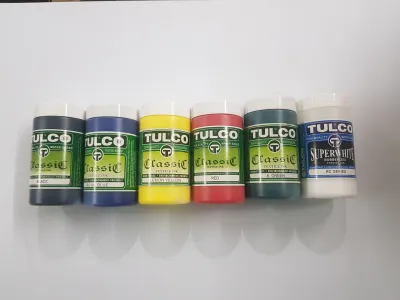
Products mentioned in this guide
![[30ml] Focus Textile Paint [ SOLD PER PIECE ]](https://img.lazcdn.com/g/p/77e13cc90eb7804a57bd9493878440dd.jpg_400x400q80.jpg_.webp)
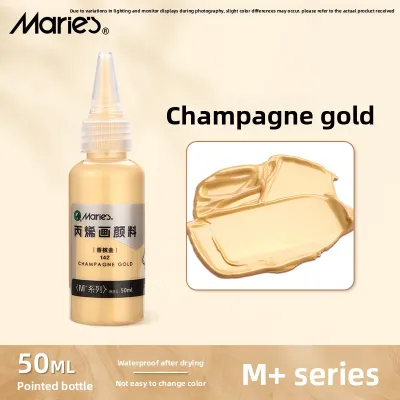
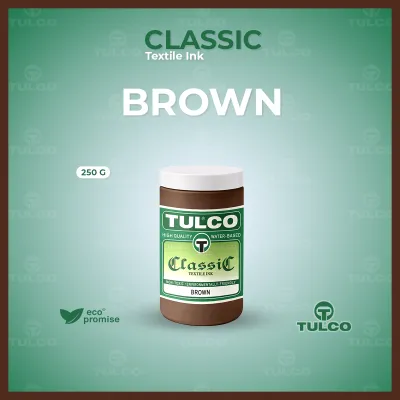
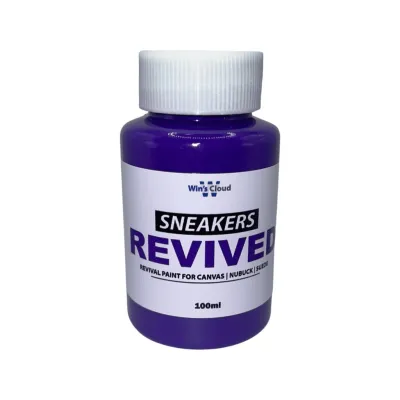
Prices are valid at publication and may change. Please refer to the product page for the latest price.
The weave and thickness of your fabric also dictate your paint choice. Tight, heavy weaves like denim and canvas can support heavy-body paints and thick layers. Loose or delicate weaves, such as silk or thin cotton knits, require fluid textile paints or dye-like formulations that penetrate the fibers without clogging the gaps or making the fabric stiff.
Because bleed resistance, drying speed, and final water resistance depend entirely on the exact combination of your paint and fabric, always perform a trial run on a scrap piece of the same material. Observe how the paint spreads, how long it takes to dry in your local humidity, and how it holds up to a test wash before committing to your final piece.
Pre-washing is a non-negotiable step for any fabric painting project. New garments are treated with chemical starches called sizing, which prevent paint from bonding with the actual fibers. Wash the fabric without fabric softener, as softeners leave a residue that blocks paint absorption, and let it dry completely before you begin.
Determine Your Desired Finish and Texture
Textile paints come in various finishes, including matte, satin, and glossy. Matte finishes blend seamlessly into the fabric, maintaining a more natural look, while satin and glossy finishes offer a slight sheen that stands out.

Be aware that the finish often affects the drape of the garment. Thicker, glossy paints tend to create a plastic-like layer that can make lightweight fabrics stiff and uncomfortable to wear. If you want to maintain the soft, flowing drape of a t-shirt or dress, choose ultra-soft fabric paints or highly pigmented fluid mediums.
Specialty textures add dimension to your designs. Metallic, glitter, and dimensional (puffy) paints are popular for accent lines and bold graphics. Puffy paints expand when exposed to heat, creating a raised texture, but they require careful handling and are more prone to peeling if applied too thickly or on highly elastic areas.
Opacity is another critical factor, especially when working on dark-colored fabrics. Standard textile paints are often translucent and will disappear when applied to black or navy blue cloth. For dark garments, look for paints explicitly labeled as “opaque” or “for dark fabrics,” which contain higher concentrations of titanium dioxide or other blocking pigments to mask the underlying fabric color.
Match the Paint to Your Project Complexity and Skill Level
Your choice of paint should align with your design’s complexity and your preferred application method. If you are planning detailed brushwork, blending colors directly on the fabric, you need a paint with a slower drying time. In warm, humid tropical climates, water-based paints can dry unpredictably; working in a cool, shaded space helps maintain a workable wet edge.
For quick block coloring, stenciling, or stamping, faster-drying, high-viscosity paints are ideal. These thicker formulations stay where you put them and are less likely to seep under the edges of a stencil or stamp, ensuring clean, sharp lines.
Different paint consistencies require specific application tools. Fluid, ink-like textile paints work beautifully with airbrushes, spray bottles, or fine-tip detail brushes. Thicker, dimensional paints are best applied directly from squeeze bottles or with stiff-bristled stencil brushes and sponges.
You must also decide between ready-to-use fabric paints and mixing your own. Ready-to-use bottles are convenient for beginners and quick projects. However, if you already own a large collection of high-quality artist acrylics, mixing them with a dedicated textile medium is a cost-effective way to customize the paint’s viscosity and flexibility while ensuring it bonds permanently to the cloth. Investing in a quality ₱200 bottle of dedicated fabric paint is often more reliable than trying to stretch cheap, unmodified school paints that will wash away.
Check Compatibility, Safety, and Care Instructions
Before purchasing, always check the manufacturer’s label for heat-setting instructions. Most permanent textile paints require heat application—usually with a household iron—to cure the binders and lock the pigment into the fibers. Ensure your fabric can withstand the required iron temperature; delicate synthetics may melt under the heat needed to set certain paints.
Safety is paramount, especially if you are painting children’s clothing, baby onesies, or items that will have prolonged, direct contact with skin. Look for non-toxic certifications, such as the AP (Approved Product) seal from the Art and Creative Materials Institute (ACMI), to ensure the paint does not contain harmful solvents or heavy metals.
Finally, review the long-term care requirements of the paint. Some formulations allow for standard machine washing and tumble drying, while others demand gentle hand washing in cold water and line drying. In humid environments, allowing the paint to cure fully for several days before the first wash is crucial to preventing premature cracking, peeling, or fading.
Frequently Asked Questions (FAQ)
Can I use regular acrylic paint instead of specific textile paint for clothes?
While you can apply regular acrylic paint to fabric, it will dry into a stiff, plastic-like layer that is highly prone to cracking and peeling as the garment moves. Regular acrylics also tend to wash out or fade rapidly over time. To use standard acrylics safely on wearables, you must mix them with a textile medium. This medium dilutes the acrylic binders, making the cured paint flexible enough to bend with the fabric fibers and withstand repeated laundry cycles.
How do I prevent the paint from bleeding through to the other side of the fabric?
To prevent paint from transferring to the back of your garment, always place a physical barrier inside the item before you start painting. A piece of thick cardboard wrapped in plastic wrap, a smooth plastic sheet, or wax paper works effectively. Additionally, control your paint application by avoiding over-saturation. Applying multiple thin layers rather than one thick, wet coat prevents the liquid from soaking completely through the fabric fibers.
What is the best way to heat-set textile paint to ensure it survives washing?
The standard way to heat-set textile paint is using a dry household iron. Wait at least 24 hours after painting to ensure the design is completely dry. Place a clean pressing cloth, parchment paper, or a thin cotton rag over the design to protect your iron. Iron the area on the medium-to-high heat setting allowed for your fabric type, moving the iron constantly for three to five minutes. If the fabric is too delicate for direct heat, you can iron the garment from the reverse side or use a clothes dryer on high heat for 30 to 40 minutes, provided the fabric is dryer-safe.
Community discussion
Share your experience or ask a question. Comments are reviewed before publication.