
Tinalak fabric, a traditional handwoven textile crafted from abaca fibers, is celebrated for its striking geometric patterns, deep cultural heritage, and unique, rigid texture. When selecting this remarkable material for an embroidery project, the key is to match the physical characteristics of the handwoven abaca with your intended stitching technique. Because tinalak is significantly stiffer and coarser than standard embroidery canvases like linen or cotton, successful embroidery depends on choosing the right weave density, fiber grade, and structural quality. By understanding how the natural properties of abaca interact with needles and threads, you can create a stunning, durable piece of textile art that honors both the weaver’s craft and your own embroidery design.
Identify the Right Tinalak Weave and Fiber Grade for Your Technique
The density of a tinalak weave is determined by the spacing of the warp and weft threads on the traditional backstrap loom. For surface embroidery techniques—such as satin stitch, stem stitch, or long-and-short stitch—a tight, closely woven tinalak is highly recommended. A dense weave provides a solid foundation that supports the weight of decorative stitches without allowing the background to peek through unevenly. On the other hand, if your project involves counted thread work, cross-stitch, or blackwork, look for open-weave variations of tinalak. These looser weaves feature visible, grid-like spaces between the abaca fibers, making it much easier to count threads and insert your needle consistently without distorting the fabric’s natural alignment.
Abaca, often referred to as Manila hemp, is harvested from the leaf sheaths of a wild banana relative. The fibers are stripped, combed, and graded by hand. Fine-grade abaca fibers are exceptionally thin, smooth, and flexible, resulting in a tinalak fabric that is relatively soft and easy to stitch through. This grade is ideal for intricate embroidery designs, as it offers minimal resistance to the needle and allows for clean, sharp stitch definition. Coarse-grade abaca fibers, conversely, are thick, woody, and highly rigid. While they give the fabric a beautiful, rustic texture and excellent structural body, they present significant resistance to needle penetration. Embroidering on coarse tinalak requires strong hands, heavy-duty tools, and simpler, more open stitch patterns to prevent the fibers from splitting or breaking under tension.
Products mentioned in this guide
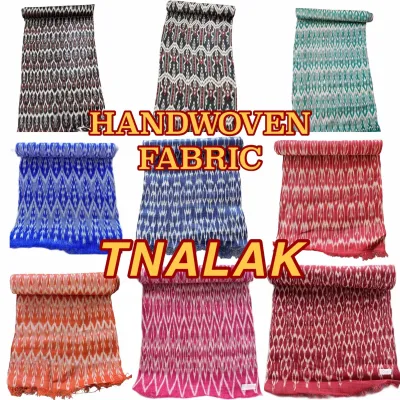
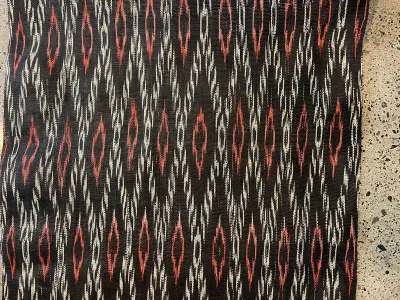
Prices are valid at publication and may change. Please refer to the product page for the latest price.
Traditional tinalak is famous for its tri-color palette of black, red, and natural ecru. The black and red sections are created using natural plant dyes, which can slightly alter the physical properties of the abaca fibers. The dyed fibers often feel slightly stiffer or more matte compared to the natural ecru sections, which retain the fiber’s organic sheen and flexibility. When planning your embroidery, consider how these color blocks will affect your design’s visibility and execution. Embroidering over the natural, undyed sections provides a neutral, high-contrast canvas that makes vibrant thread colors pop. If you choose to embroider directly over the dyed geometric patterns, you must select thread colors and weights that can compete visually with the bold, dark background without getting lost in the intricate ikat motifs.
Evaluate Fabric Quality and Structural Integrity Before Buying
Because authentic tinalak is entirely handmade, every piece is unique and carries minor variations. However, for embroidery purposes, you must carefully inspect the structural integrity of the fabric before starting. Hold the tinalak up to a gentle light source to examine the uniformity of the weave. Look for areas of uneven tension, large gaps, or loose warp threads that could compromise the fabric’s strength. While small irregularities are a hallmark of handwoven textiles, major tension flaws can cause the fabric to warp or pucker severely once placed under the tension of an embroidery hoop or frame. Choosing a piece with consistent, balanced tension ensures that your stitches remain flat and aligned.

The long, slippery nature of abaca fibers makes tinalak highly susceptible to fraying along cut edges. When purchasing tinalak, pay close attention to how the edges are finished. A stable, woven selvage is the gold standard, as it will not unravel during handling. If you are working with cut yardage, inspect the cut ends for immediate signs of fraying. If the fibers are already slipping loose, you will need to take immediate steps to secure them before beginning your project. Avoid pieces that show signs of unraveling deep into the body of the weave, as this indicates a loose structure that may not withstand the repetitive pulling of embroidery threads.
Traditional natural dyes used in tinalak can sometimes be sensitive to moisture, humidity, and washing. Before committing your time and expensive embroidery threads to a piece of tinalak, it is crucial to perform a simple, non-destructive colorfastness test. Dampen a clean, white cotton cloth or cotton swab with cool water and gently press it against a dyed section of the fabric—preferably on a small scrap or an inconspicuous corner—for approximately thirty seconds. Check the white cloth for any transfer of red or black dye. If the dye bleeds, you must take extra precautions during and after the embroidery process, such as avoiding any wet-blocking, washing, or exposure to high humidity, to prevent the dyes from ruining your finished stitches.
Select Compatible Needles, Threads, and Stabilizers
Standard embroidery needles are often too delicate or blunt to pierce the tough, woody fibers of tinalak without bending or causing damage. To work comfortably and protect the fabric, select sharp, heavy-duty needles designed for coarse materials. Crewel needles (sizes 18 to 22) or chenille needles are excellent choices. These needles feature sharp, tapered points that can cleanly push aside the abaca fibers rather than splitting them, along with large, elongated eyes that accommodate thicker threads. Using a needle with an eye slightly wider than your thread is essential; this creates a temporary opening in the weave as the needle passes through, reducing friction and preventing your embroidery thread from shredding.
The bold, organic texture of tinalak demands threads that can hold their own visually and structurally. Fine, single-strand embroidery floss will easily sink into the coarse abaca weave and become virtually invisible. Instead, opt for thicker, high-contrast threads that complement the fabric’s rustic character. Pearl cotton (size 5 or 8) is highly recommended for its smooth finish, beautiful sheen, and excellent stitch definition against the textured background. Tapestry wool, crewel wool, or multi-strand cotton floss (using four to six strands) also work beautifully, providing the necessary bulk to stand out. When selecting thread colors, test them against both the dark dyed sections and the light natural sections of the tinalak to ensure adequate contrast throughout your design.
Using the right stabilizer is critical to preventing fabric distortion and puckering, especially when executing dense or heavy embroidery patterns on handwoven abaca.
- Tear-away stabilizers: These are ideal for light to medium embroidery designs on relatively tight tinalak weaves. They provide excellent temporary support while you stitch and can be easily torn away from the back of the fabric once your project is complete, leaving no stiff residue behind.
- Cut-away stabilizers: For dense, heavy, or highly detailed stitch patterns, or when working on looser, more open tinalak weaves, a cut-away stabilizer is the best choice. It remains permanently behind the fabric, offering continuous structural support that prevents the embroidery from sagging, stretching, or distorting over time.
- Wash-away stabilizers: These water-soluble stabilizers are incredibly useful for transferring complex designs onto the highly textured surface of tinalak. However, they should only be used if your tinalak has passed the colorfastness test. If the fabric is colorfast, you can stitch through the stabilizer and then gently rinse it away with cool water, leaving only your beautiful embroidery behind.
Prepare and Secure the Tinalak for Stitching
Before you begin stitching, it is vital to secure the raw, cut edges of your tinalak fabric to prevent catastrophic unraveling. Because abaca fibers are stiff and slippery, they can quickly work themselves loose during handling. You can secure the edges by running a wide zigzag or serging stitch along the perimeter using a sewing machine. If a machine is not available, hand-whip the edges with a simple overcast stitch using strong sewing thread. Alternatively, you can bind the raw edges with acid-free fabric tape or high-quality painter’s tape. This simple preparation step ensures that your fabric remains intact and stable throughout the entire embroidery process.
While standard round embroidery hoops are popular, they present unique risks when used with tinalak. The rigid, woody nature of abaca fibers means that clamping the fabric tightly between two wooden or plastic rings can leave permanent, unsightly creases or even bruise and break the fibers. To avoid this, a scroll frame or a slate frame is highly recommended. These frames hold the fabric flat and under even tension from the top and bottom without clamping down on the areas you plan to stitch. If you must use a round hoop, choose a spring-tension hoop or wrap the inner ring of a wooden hoop with soft cotton bias tape to cushion the fabric. Always remove the tinalak from the hoop whenever you are not actively stitching to prevent deep, irreversible creases from setting into the fibers.
Before starting your main design, always conduct a trial run on a small scrap piece of the same tinalak fabric. This test allows you to assess how easily your chosen needle and thread glide through the abaca fibers and helps you calibrate your hand tension. Because abaca is a highly rigid and unforgiving material, pulling your stitches too tight will cause the fabric to pucker permanently, while stitching too loosely will result in sagging, untidy threads that get lost in the fabric’s texture. Finding the perfect, balanced tension during this test phase is the key to achieving a professional, polished finish on your final embroidery project.
Frequently Asked Questions (FAQ)
Is Tinalak fabric suitable for delicate or highly detailed embroidery?
Tinalak’s coarse, handwoven texture and rigid abaca fibers present significant challenges for delicate, miniature, or highly detailed embroidery techniques, such as micro-stitching or fine thread painting. The natural gaps and variations in the handwoven weave make it difficult to place tiny, precise stitches close together without them slipping, disappearing, or distorting the fabric’s structure. For detailed designs, a highly effective workaround is to use a backing fabric, such as a fine cotton muslin, linen, or silk organza, placed directly behind the tinalak. This double-layer method provides a stable, fine-grained surface that supports detailed stitches while allowing the rustic, textured beauty of the tinalak to frame and enhance your work. Alternatively, adapting your design to feature bold, graphic embroidery styles—such as crewelwork, sashiko-inspired patterns, or geometric satin stitching—will naturally complement the structural scale and organic character of the abaca weave.
How should I clean and care for finished Tinalak embroidery?
Caring for finished tinalak embroidery requires a gentle touch to preserve both the natural abaca fibers and the delicate embroidery threads. Full immersion washing is highly discouraged, as water can strip the natural sizing from the abaca, causing the fabric to lose its characteristic stiffness, luster, and shape, while also risking dye bleeding from the traditional red and black sections. Instead, rely on spot cleaning for minor soils. Gently dabbing the affected area with a clean, damp white cloth using cold water and a mild, pH-neutral detergent, taking care not to rub or agitate the fibers, which can cause fraying. Avoid harsh chemicals, bleach, or vigorous scrubbing. To dry, lay the embroidered piece completely flat on a clean, dry towel in a shaded, well-ventilated area away from direct sunlight, which can fade the natural dyes and make the abaca fibers brittle. Store your finished piece flat or rolled around an acid-free cardboard tube rather than folded, as folding can cause permanent, irreversible creasing in the rigid abaca fibers.

Community discussion
Share your experience or ask a question. Comments are reviewed before publication.