
Selecting the perfect tumbler box size is a balancing act between securing the vessel and leaving enough room for protective cushioning. To find the ideal fit, you must measure the absolute maximum height and widest diameter of your tumbler, then add a consistent clearance buffer of at least 1 to 2 centimeters on all sides. This buffer accommodates essential padding materials like bubble wrap or crinkle paper, ensuring your gift or product remains stationary during transit. In warm, humid climates like the Philippines, where moisture can soften standard paperboard, choosing a box with the correct dimensions and structural integrity is vital to prevent the packaging from collapsing or warping under the weight of a heavy stainless steel flask.
Understand Tumbler Dimensions and Box Sizing Standards
Before purchasing packaging, you must understand how manufacturers label their boxes. Most commercial gift boxes are listed by their external dimensions, which include the thickness of the walls. However, the internal dimensions dictate whether your tumbler will fit. A thick corrugated cardboard box might lose up to 5 millimeters of internal space on each side compared to its external measurements.
The three critical dimensions are length, width, and height. For a cylindrical or tapered tumbler, the length and width of the box must both accommodate the tumbler’s maximum diameter. The height of the box must match or exceed the total height of the tumbler. When browsing online marketplaces or local stationery shops, always look for the internal dimensions. If only external dimensions are provided, select a box that is slightly larger than your calculated target.
Products mentioned in this guide
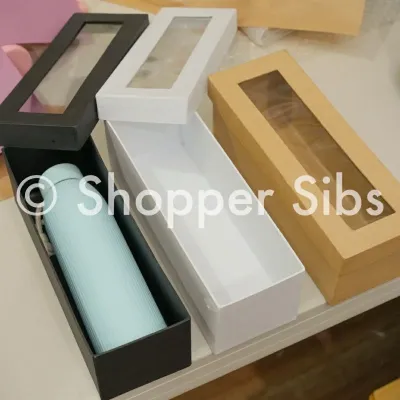
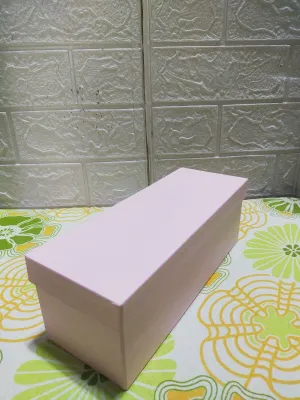
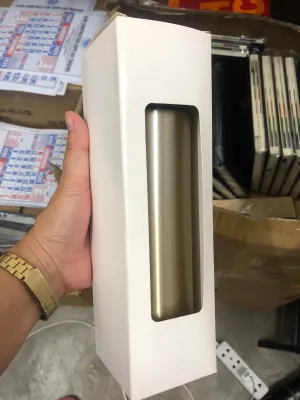
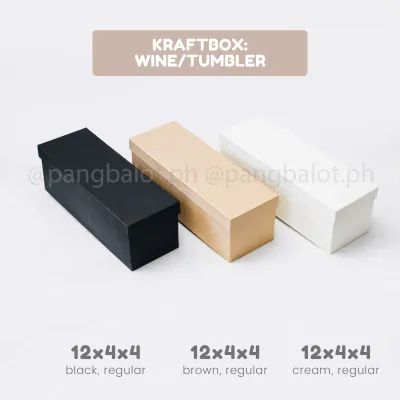
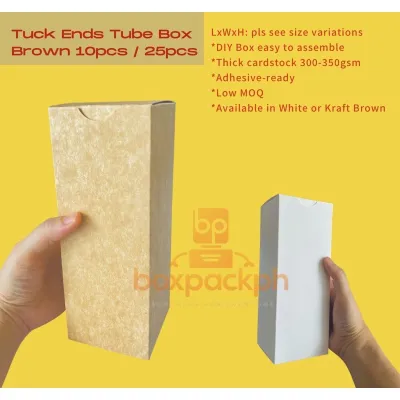
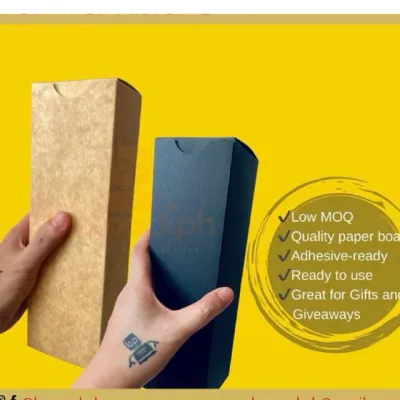
Prices are valid at publication and may change. Please refer to the product page for the latest price.
Additionally, consider the material standard. Thin paperboard boxes are highly susceptible to moisture absorption in humid environments, causing them to sag under a heavy double-walled tumbler. Corrugated cardboard, particularly E-flute or B-flute board, offers superior structural rigidity and insulation against external impacts, making it the preferred standard for shipping premium drinkware.
Step-by-Step Guide to Measuring Your Tumbler
Accurate measurements are the foundation of secure packaging. Gather a flexible sewing tape measure or a standard rigid ruler. If using a rigid ruler, place the tumbler on a flat surface next to a vertical wall to project accurate straight-line measurements.

Step 1: Measure the total height. Place the tumbler upright with the lid securely attached. If the lid features a built-in flip-up loop, a fixed handle, or a non-detachable straw, measure to the absolute highest point of these features. Do not measure only the metal body, as ignoring the lid height will result in a box that cannot close.
Step 2: Measure the widest diameter. Rotate the tumbler to identify its widest point. For standard cylindrical flasks, this is the diameter of the base. However, many modern tumblers feature a tapered design or a silicone boot. If your tumbler has a side handle, measure from the outer edge of the handle straight across to the opposite side of the body. This maximum width determines the minimum length and width your box must have.
Step 3: Record your measurements and calculate the required box size. To find the minimum internal box dimensions, add a padding buffer. For lightweight tissue paper wrapping, add at least 1 centimeter to both the width and height. For heavy-duty bubble wrap or thick crinkle paper, add 2 to 3 centimeters to ensure the tumbler does not press directly against the cardboard walls.
Matching Box Sizes to Different Tumbler Types
Different tumbler profiles require distinct packaging strategies to ensure they do not shift during handling. A box that fits a standard coffee mug perfectly will likely be too short and wide for a tall travel flask. When selecting a box, match the structural shape of the packaging to the silhouette of the drinkware.
Furthermore, the weight of the tumbler dictates the required box strength. Heavy-duty, double-walled stainless steel tumblers require boxes with high structural integrity. If you choose a box with walls that are too thin, the heavy base of the tumbler can easily break through the bottom flaps during transit, especially if the package is subjected to sudden drops or rough handling.
Slim and Tall Tumblers
Slim, elongated tumblers, such as 20-ounce skinny flasks, present a unique packaging challenge due to their high height-to-width ratio. If placed in a standard square box, these tumblers will have excessive empty space around their sides. This empty space allows the tumbler to tip over or rattle back and forth, which can scratch the powder-coated exterior or dent the metal.
To secure a slim tumbler, look for tall, narrow boxes specifically designed for this silhouette. If you must use a wider box, utilize internal cardboard dividers, custom foam inserts, or tightly packed crinkle paper to fill the lateral gaps. Ensuring a snug fit along the sides prevents the tumbler from shifting horizontally, keeping it upright and centered throughout its journey.
Regular and Standard Tumblers
Standard tumblers, such as classic 16-ounce or 20-ounce curved travel mugs, generally have balanced proportions. These vessels fit well in standard rectangular or slightly cubic boxes. Because their height and width are relatively proportional, finding a matching box size is straightforward.
When packaging standard tumblers, focus on balancing the padding allowance. You want enough space for a protective layer of bubble wrap or a decorative wrap of premium tissue paper, but not so much space that you must fill the box with excessive loose filler. A gap of about 1.5 centimeters around the tumbler is ideal, allowing the vessel to sit securely without requiring bulky, expensive stuffing materials.
Large Capacity and Wide Tumblers
Large-capacity tumblers, such as 30-ounce or 40-ounce handled travel cups, require specialized packaging due to their sheer size and weight. The protruding handle is the primary obstacle; if the box is too narrow, the handle will press directly against the cardboard wall, making it highly vulnerable to cracking or snapping if the box is bumped.
Select a wide, heavy-duty box that accommodates the full span of the handle with at least 1 centimeter of clearance. Because these large tumblers are heavy, standard folding paperboard boxes are insufficient. Opt for thick corrugated cardboard boxes with reinforced corners. This extra structural support prevents the box from deforming or collapsing when stacked under other packages, ensuring the heavy tumbler remains fully protected.
Accounting for Wrapping, Padding, and Decorative Materials
Choosing the right box size is not just about the tumbler itself; you must also account for the physical volume of your wrapping and decorative materials. If you plan to wrap the tumbler in multiple layers of protective bubble wrap, this will significantly increase its overall diameter. A single layer of standard bubble wrap adds about 1 centimeter to the width, while double-wrapping can add up to 2.5 centimeters.
If you are preparing a gift, the choice of decorative elements like wrapping paper, ribbons, and bows will influence your box selection. For a clean, elegant look, you might wrap the box itself in high-gsm wrapping paper. When selecting wrapping paper, ensure it has good crease retention and tear resistance, especially around the sharp corners of a corrugated box. If you plan to place a large, pre-made ribbon bow inside the box on top of the tumbler, you must add at least 3 to 5 centimeters of extra height clearance to prevent the bow from being crushed when the lid is closed. Budgeting around ₱30 to ₱80 for premium ribbons and wrapping accessories can elevate the presentation significantly.
For odd-shaped tumblers, standard flat padding like tissue paper may fall short. In these cases, consider using crinkle paper or custom-molded pulp inserts. Crinkle paper is highly versatile as it compresses under pressure, filling irregular gaps around handles and tapered bases while providing excellent shock absorption. When using decorative ribbons to tie the box exterior, choose durable materials like grosgrain or double-faced satin. If you are writing a gift tag, use a smudge-proof pen with water-resistant ink; this ensures that any condensation from tropical humidity or cold drinks does not cause the ink to bleed, keeping your presentation pristine.
How to Verify the Fit Before Final Wrapping
Before sealing your package and applying the final decorative ribbon, it is crucial to perform a few quick checks to verify the fit. This step prevents shipping damage and ensures a professional presentation for the recipient.
First, perform the “shake test.” Place the padded tumbler inside the box, close the lid, and gently shake the package. If you feel or hear the tumbler sliding, shifting, or rattling inside, the box has too much empty space. Open the box and add more crinkle paper or bubble wrap to fill the voids until the movement stops.
Second, inspect the exterior of the box for any signs of bulging or tight squeezing. If the cardboard walls are bowing outward or showing stress marks, the tumbler is too large for the box or the padding is packed too tightly. A bulging box is highly susceptible to bursting open during transit.
Finally, verify that the box lid closes completely flush without requiring forced pressure. Forcing a lid shut can put dangerous stress on the tumbler’s lid, straw mechanism, or delicate plastic parts, potentially cracking them before the recipient even opens the gift. If the lid does not close easily, swap the box for a slightly taller size or reduce the thickness of the top padding layer.
Frequently Asked Questions (FAQ)
Can I use a standard shoebox or generic gift box for a large tumbler?
While it is tempting to repurpose a standard shoebox or a generic folding gift box, they often lack the structural integrity required for heavy drinkware. Generic gift boxes are typically made of thin paperboard, which easily bends, sags, or tears under the weight of a stainless steel tumbler. Shoeboxes may offer more space, but their lids do not seal securely without heavy taping, and their dimensions rarely match the tall, cylindrical shape of a tumbler, requiring an excessive amount of filler material. For safe transit, it is highly recommended to use a purpose-built, rigid corrugated box designed specifically for drinkware.
What is the best way to package a tumbler with a protruding straw lid?
Packaging a tumbler with a fixed or protruding straw requires careful height calculation. Always measure to the absolute tip of the straw when determining the required box height. If the straw is detachable, the safest and most space-efficient method is to remove it from the lid. Wrap the straw separately in a protective sleeve or a small paper pouch, and place it diagonally inside the box alongside the tumbler body. This allows you to use a shorter, more standard box size while eliminating the risk of the straw bending, cracking, or puncturing the top of the box during shipping.
Community discussion
Share your experience or ask a question. Comments are reviewed before publication.