
Selecting the right clay for your crafting project is the single most important decision you will make before opening your toolkit. The ideal material depends entirely on your project’s final use, your workspace setup, and your curing capabilities. If you want to make functional, food-safe kitchenware, traditional ceramic clay fired in a kiln is your only viable path. For detailed jewelry and miniatures cured in a home oven, polymer clay is the ideal choice. For casual crafting, school projects, or lightweight decorative items that cure at room temperature, air-dry clay is the most accessible. Matching your creative goals to the correct material prevents frustrating failures like cracking, warping, or structural collapse.
Match Your Project Goal to a Clay Category
Before diving into technical specifications, you can narrow down your options by matching your primary crafting goal to a specific clay category. This high-level matrix helps you identify the most suitable starting point:
- Jewelry, Beads, and Miniatures: Polymer clay is the industry standard due to its ability to hold tiny details, vibrant color options, and slight flexibility after baking.
- Decorative Dishes, Sculptures, and School Crafts: Air-dry clay is highly accessible, requiring no specialized heating tools to cure.
- Heavy-Duty Repairs and Mixed-Media Art: Epoxy clay provides exceptional adhesive strength and cures to a rock-hard finish without heat.
- Functional Mugs, Bowls, and Plates: Ceramic or pottery clay is the only material capable of becoming food-safe and waterproof when fired in a kiln.
Keep in mind that this is a preliminary guide. You must still verify your workspace conditions, tool compatibility, and curing equipment before making a final purchase.
Products mentioned in this guide
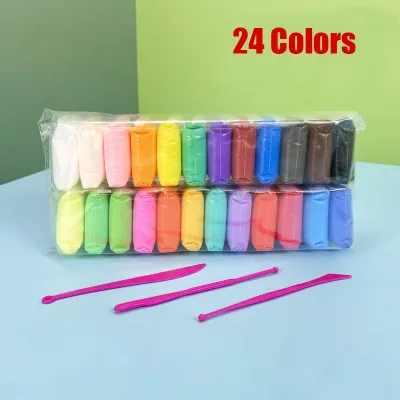
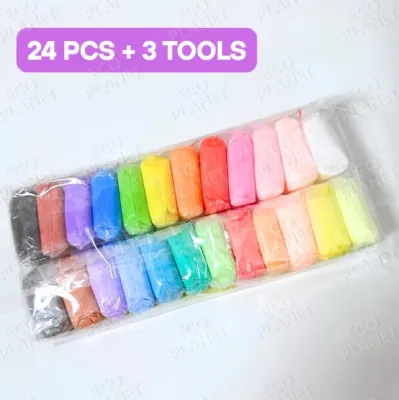
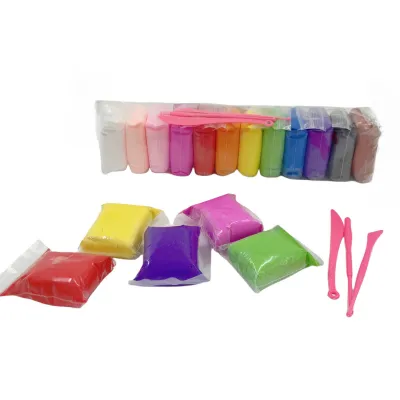
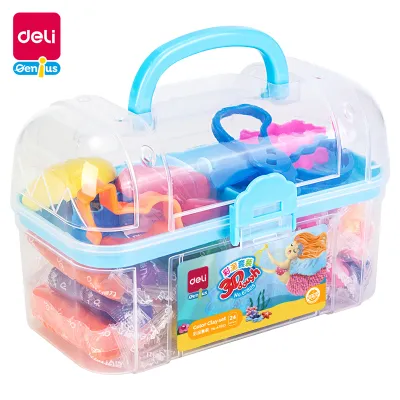
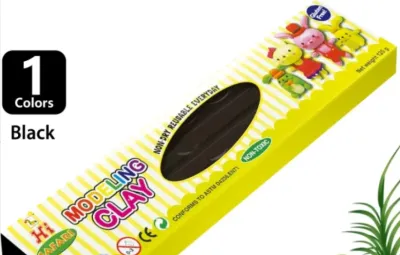
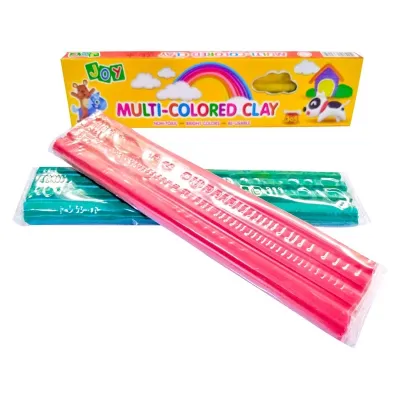
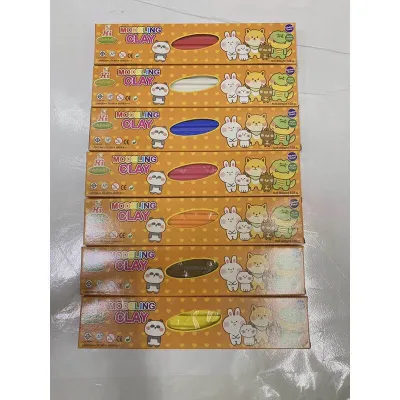
Prices are valid at publication and may change. Please refer to the product page for the latest price.
Assess Your Project Requirements: Durability, Detail, and Function
Evaluating the physical and functional demands of your finished piece is the first step in self-diagnosis.

Functionality vs. Decoration: Will your finished item hold food, water, or withstand washing? Functional items like coffee mugs, soup bowls, and dinner plates must be completely non-porous and chemically stable. Only ceramic clay, when properly glazed and fired in a high-temperature kiln, achieves this food-safe standard. Decorative items like wall plaques, trinket dishes, or display figurines do not face these structural demands, allowing you to use air-dry or polymer clay safely.
Level of Detail: Intricate designs require a medium that holds its shape without sagging or losing crisp edges. Polymer clay is highly cohesive and dense, allowing you to sculpt tiny details, fine textures, and complex patterns without crumbling. Air-dry clay is generally coarser and contains fibers or water that evaporate, causing slight shrinkage. This shrinkage can warp fine details, making it better suited for broader, more organic shapes.
Flexibility and Weight: Consider how the finished item will be handled. Wearable art, such as statement earrings, needs to be lightweight and resilient. Cured polymer clay retains a slight, microscopic flexibility, making it highly resistant to snapping when dropped. Air-dry clay dries to a rigid, often brittle state; thin sections can break easily under stress. For large sculptures, weight is a critical factor. Air-dry clay can be heavy if solid, but lightweight paper-based air-dry clays are available for hanging ornaments.
Check Your Workspace: Tools, Curing Methods, and Ventilation
Your physical environment and available equipment will quickly rule out certain clay types.
Curing Equipment: Every clay type has a specific curing mechanism. Air-dry clay cures purely through moisture evaporation at room temperature, requiring no specialized heating tools. Polymer clay is an oven-bake material that must be cured at precise, low temperatures (typically between 110°C and 135°C, depending on the manufacturer’s label instructions) using a dedicated craft oven or a household oven monitored with an independent thermometer. Ceramic clay requires a professional kiln that reaches temperatures exceeding 1,000°C, which is far beyond the capability of any domestic appliance.
Climate Considerations: Environmental factors play a major role in how clay behaves. In highly humid tropical climates, such as those found throughout the Philippines, air-dry clay takes significantly longer to cure. Excess moisture in the air slows down evaporation, which can cause the clay to remain soft for days. If left in a damp, unventilated space, slow-drying clay can warp, crack, or even develop mold. Crafters in humid regions may need to use a gentle fan or a dedicated drying box to ensure even curing.
Space and Cleanup: Consider the physical footprint of your crafting area. Polymer clay is oil-based and can leave a plasticizer residue on porous surfaces. It requires non-porous work areas like glass or silicone mats, and tools must be kept strictly separate from food preparation utensils. Air-dry and ceramic clays are water-based, making cleanup easier with plain water, but they generate fine dust when sanded. This dust requires proper ventilation or wet-sanding techniques.
Compare Popular Clay Types for Specific Crafting Needs
Understanding the unique properties of each clay category allows you to make an informed purchase.
Air-Dry Clay for Decorative and Beginner-Friendly Projects
Air-dry clay is highly accessible, making it a staple for beginners, hobbyists, and classroom activities. Because it requires no baking or specialized firing equipment, you can open a pack and begin sculpting immediately on any clean surface. It is ideal for creating decorative dishes, hand-pressed leaf impressions, and simple relief sculptures.
However, its water-based nature introduces clear limitations. As the water evaporates during drying, the clay shrinks—typically by 5% to 10%—which can cause cracking if the piece varies in thickness or is built around a rigid, non-yielding armature. It is inherently porous and will soften or dissolve if exposed to water. While you can apply specialty varnishes or acrylic sealers to make the surface water-resistant, it will never be fully waterproof or food-safe. Always check the manufacturer’s packaging for specific sealing and drying recommendations.
Polymer Clay for Miniatures, Jewelry, and Fine Details
Polymer clay is a synthetic material composed of polyvinyl chloride (PVC) binders and liquid plasticizers. This composition gives it a smooth, highly workable texture that does not dry out when exposed to air, allowing you to work on a piece over several days without rush. It is the premier choice for making intricate jewelry, miniature dollhouse accessories, and detailed character models because it holds sharp edges and fine textures beautifully.
Because it does not contain water, polymer clay experiences negligible shrinkage during the baking process, ensuring your cured piece remains the exact size and shape you sculpted. However, it requires strict adherence to baking guidelines. Overheating polymer clay can scorch the material and release irritating fumes, so using an independent oven thermometer is vital. Additionally, always work in a well-ventilated room and keep baking sheets or ovens used for clay separate from your daily cooking equipment.
Epoxy Clay for Structural Repairs and Mixed-Media Art
Epoxy clay is a self-hardening, two-part system consisting of a resin and a hardener. When you mix equal parts of these components together, a chemical reaction begins that cures the clay to a rock-hard state without heat or air exposure. It is highly adhesive and bonds exceptionally well to wood, metal, glass, plastic, and stone, making it the ideal choice for structural repairs, reinforcing delicate armatures, or embedding heavy crystals and mixed-media elements.
This material has a limited working time, often referred to as its “pot life,” which typically ranges from one to three hours after mixing. Once this window closes, the clay becomes too stiff to sculpt. Because the chemical reaction can cause skin irritation, it is important to wear protective gloves during the mixing and shaping phases. Once fully cured, epoxy clay is incredibly durable, waterproof, and can be sanded, drilled, or painted with ease.
Ceramic and Pottery Clay for Functional and Food-Safe Items
Ceramic clay is a natural, earth-derived material that represents the gold standard for functional pottery. If your goal is to create everyday items like coffee mugs, soup bowls, flowerpots, or dinner plates, this is the only clay category that can fulfill your needs. Once fired in a professional kiln and coated with food-safe glazes, ceramic clay becomes completely vitrified, non-porous, dishwasher-safe, and highly durable.
The primary trade-off is the high barrier to entry. Ceramic clay cannot be cured at home without a specialized kiln that reaches temperatures from 1,000°C to over 1,200°C. Attempting to bake ceramic clay in a household oven will only result in a fragile, dried-out piece of mud. If you do not own a kiln, look for local community art centers, pottery schools, or shared studio spaces in your area that offer firing services. Do not attempt to substitute air-dry clay or polymer clay for items intended to contact food or hot liquids, as they are chemically unsuitable.
Safety, Storage, and Handling Best Practices
Crafting with clay is a rewarding experience, but maintaining proper hygiene and safety standards is essential. Never use cooking ovens, baking sheets, or kitchen utensils for polymer clay preparation unless they are permanently dedicated to your craft. Wash your hands thoroughly with soap and water after handling any sculpting material, particularly when working with children or before eating. If your project involves sanding cured clay—whether it is polymer, air-dry, or ceramic—always wear a dust mask and sand outdoors or use wet-sanding techniques to prevent inhaling fine particulate matter.
To prolong the shelf life of your unused clay and prevent costly waste, proper storage is key. Water-based clays, such as air-dry and ceramic varieties, must be wrapped tightly in damp paper towels, sealed inside heavy-duty plastic bags, and stored in airtight plastic containers. Keep them in a cool, shaded area away from direct sunlight and heat sources, which can accelerate drying. Polymer clay, while air-stable, should be wrapped in wax paper or kept in polypropylene plastic containers (look for recycling code 5), as some other plastics can react with the plasticizers in the clay and melt over time.
Because formulations vary widely between manufacturers, always read the product labels, safety data sheets (SDS), and age recommendations before starting. Some clays contain specific additives, preservatives, or colorants that require unique handling or disposal methods. Always perform a small test patch or a test bake with a scrap piece of clay to verify curing times, shrinkage rates, and color changes before committing your entire batch of material to a complex project.
Frequently Asked Questions (FAQ)
Can I mix different types of clay together?
No, you should avoid mixing different types of clay together in their raw state. Water-based clays (like air-dry clay) and oil-based or synthetic clays (like polymer clay) have incompatible chemical structures. Mixing them will prevent proper curing, leading to severe cracking, peeling, or structural failure during the drying or baking process. If your project requires multiple clay types, sculpt and cure each component separately according to its specific manufacturer instructions, then join them afterward using high-strength adhesives, mechanical pegs, or epoxy resin.
Is air-dry clay waterproof once it dries?
No, air-dry clay is naturally porous and is not waterproof. Even when fully cured, exposure to water will cause the clay to rehydrate, soften, and eventually fall apart. While you can apply specialized acrylic varnishes, polyurethane sealants, or epoxy resins to make the surface water-resistant, these coatings only protect against minor dampness or light cleaning. Sealed air-dry clay should never be submerged in water, used to hold standing water in vases, or used for outdoor items exposed to heavy rain.
How can I prevent my clay from cracking while it dries or cures?
Cracking is usually caused by uneven drying or rapid temperature changes. For air-dry clay, ensure your piece has a uniform thickness and dry it slowly away from direct sunlight, air conditioners, or heaters; in humid climates, a slow, natural dry is safer than forced heat. For polymer clay, always bake your pieces at the exact temperature specified on the product packaging, using an independent oven thermometer to verify your oven’s accuracy. Avoid sudden drafts when removing baked pieces from the oven, letting them cool down gradually inside the turned-off oven if they are particularly thick or delicate.
Community discussion
Share your experience or ask a question. Comments are reviewed before publication.