
Selecting the right watercolor set for a school art class requires balancing budget, classroom practicality, and artistic performance. For most students, a student-grade solid pan set with 12 to 24 colors offers the best combination of portability, ease of use, and value. This setup minimizes classroom messes, fits easily onto small school desks, and provides a rich palette for learning color theory.
In the Philippines, the tropical climate and typical classroom environments introduce unique factors to consider. High humidity can affect how art supplies dry and store, while compact, shared desks mean that bulky painting setups are highly impractical. Choosing a set that is easy to pack, quick to clean, and resilient against humidity will save both parents and students from unnecessary frustration during the school year.
Quick Guide: Essential Features for School Watercolors
When shopping for school art supplies, having a quick checklist can help you narrow down the options in the stationery aisle. Prioritizing a few key features ensures that the watercolor set is safe, practical, and aligned with classroom requirements.
Products mentioned in this guide
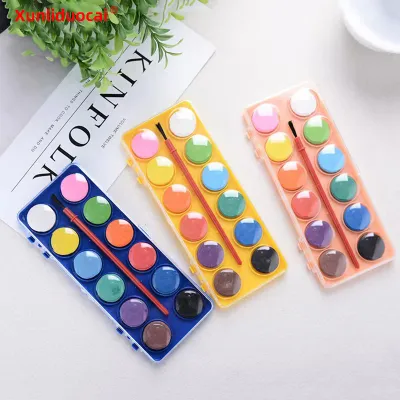
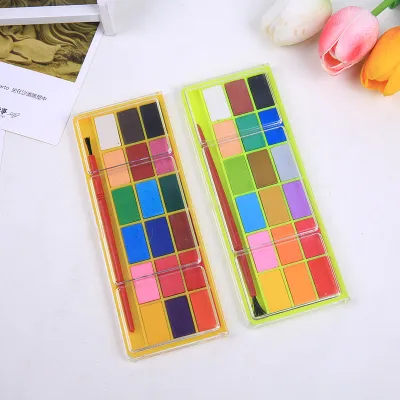
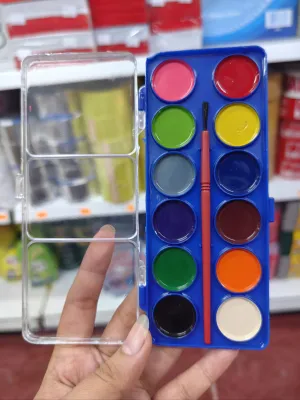
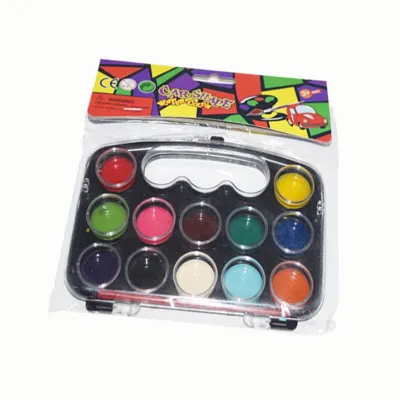
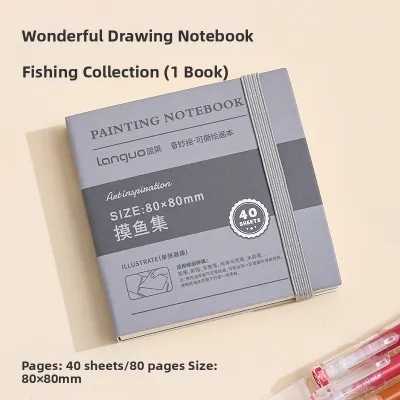
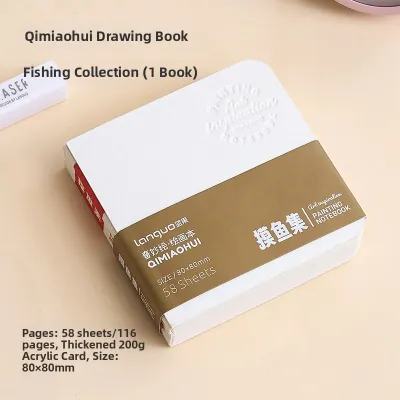
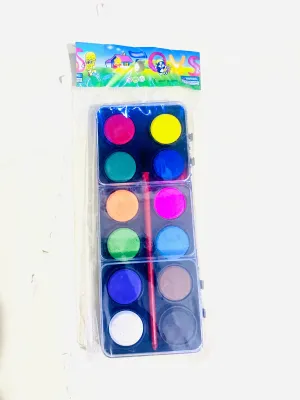
Prices are valid at publication and may change. Please refer to the product page for the latest price.
- Safety Certification: Always look for a non-toxic safety label, such as the ACMI AP (Approved Product) seal. This ensures the paint is safe for children who might accidentally get it on their skin or lick their brushes.
- Appropriate Format: Choose solid half-pans for elementary and middle school students to minimize spills. Reserve liquid tubes for older high school students who are comfortable handling more complex setups.
- Practical Color Count: Opt for a set containing 12 to 24 colors. This range provides enough variety for creative projects without becoming too bulky or expensive.
- School Syllabus Alignment: Always cross-reference your purchase with the teacher's specific supply list, as some curriculums mandate specific brands, formats, or paper types.
- Student-Grade Standard: Stick to student-grade paints (often labeled as "student," "academy," or "fine") rather than professional-grade. These are highly affordable, typically ranging from ₱150 to ₱800, and are designed to be more forgiving for beginners.
Solid Pans vs. Tube Paints: Choosing the Right Format
Understanding the physical format of the paint is the first major decision point. Watercolors are primarily sold in two formats: dry solid pans and moist liquid tubes. Each format serves a different age group and classroom scenario.

Solid Pan Sets (Half-Pans)
Solid pan sets consist of dry blocks of watercolor pigment housed in small plastic cups, known as half-pans. These pans are activated by touching them with a wet paintbrush. They are the most popular choice for school art classes due to their incredible convenience and low maintenance.
Dry pans are highly portable and virtually mess-free, making them perfect for Philippine classrooms where desk space is limited and transition times between classes are short. When the class bell rings, a student can simply wipe the plastic lid dry, close the tin, and slide it into their backpack without worrying about leaks. They are ideal for elementary students, sketchbook work, and standard desk assignments.
In a tropical climate, humidity is a constant factor that affects how art supplies are stored. Solid pan sets are highly resilient under these conditions because the paint is already dry, making it far less likely to leak or degrade when exposed to heat. However, students often close their watercolor tins while the pans are still wet from activation. Storing a damp palette inside a dark backpack can create a breeding ground for mold, so it is wise to let the tin air-dry at home after school.
The main limitation of solid pans is that it can be difficult to mix a large volume of a single color. If a project requires a broad, even wash across a large sheet of paper, repeatedly scrubbing a small dry pan with a wet brush to collect enough pigment can be tedious and can wear down brush bristles over time.
Tube Paint Sets
Tube paint sets contain moist, concentrated watercolor paint that is squeezed directly onto a mixing palette. This format offers rich, immediate color saturation and is highly favored by older students who need to cover large areas quickly, such as painting a background for a poster-making contest or a group project.
Squeezing a small dollop of paint onto a palette allows for instant, smooth color mixing without the need to activate dry blocks. This makes tubes excellent for high school students who are working on large-format poster boards or detailed canvas-sized projects. It allows them to mix large pools of consistent color easily.
However, tube paints present a much higher risk of mess in a school environment. If a student fails to tighten a cap properly, the paint can leak into their school bag, ruining expensive textbooks, uniforms, and stationery. Additionally, in warm tropical weather, any paint left around the nozzle can dry into a solid crust, clogging the tube and making it difficult to open or use next time.
Tube sets also require carrying extra accessories, including a separate mixing palette and a sturdy, stable water container. Managing these loose items on a crowded school desk increases the likelihood of accidental spills, which can disrupt the classroom and ruin nearby artwork.
Key Specifications to Evaluate for School Projects
Beyond choosing between pans and tubes, evaluating specific technical details will help you select a watercolor set that offers a smooth learning experience.
Color Count and Pigment Quality
When browsing the stationery aisle, you will find sets ranging from a basic 6-color strip to massive 48-color palettes. For school art classes, a set of 12 to 24 colors is the ideal range. This selection provides enough variety to keep projects interesting without overwhelming the student or encouraging them to rely solely on pre-mixed shades.
More importantly, a limited palette encourages students to learn the fundamentals of color theory. A good school set should feature true primary colors—specifically a warm and cool version of red, blue, and yellow. For instance, having both a warm Ultramarine Blue and a cool Coerulean Blue allows students to mix clean, vibrant purples and greens. If a set relies too heavily on pre-mixed “convenience” colors like peach, lavender, or lime green, students miss out on the critical educational experience of mixing these shades themselves.
Student-Grade vs. Professional
It is easy to assume that buying the most expensive paint will yield the best results, but student-grade watercolors are actually the superior choice for classroom learning. Student-grade paints are formulated with a higher proportion of binders and fillers, which makes them highly affordable and exceptionally forgiving.
Professional-grade paints use pure, highly concentrated organic pigments that stain the paper instantly, leaving little room for error. In contrast, student-grade paints are much more “liftable.” If a student applies too much color or makes a mistake, they can easily reactivate the paint on the paper with a damp brush and dab it away with a clean tissue. This editability reduces frustration and builds confidence as students experiment with different techniques.
Safety Certifications
Safety should always be a top priority when selecting school supplies, especially for younger children who may have a habit of putting paintbrushes in their mouths or getting paint on their skin. Always check the packaging for recognized non-toxic certifications.
The most common international standard is the Art and Creative Materials Institute (ACMI) AP (Approved Product) seal. This seal certifies that the product has been evaluated by a toxicologist and contains no materials in sufficient quantities to be toxic or injurious to humans. In the Philippines, reputable brands sold in major bookstores will carry this seal or an equivalent local health certification. Avoid purchasing ultra-cheap, unbranded watercolor sets from questionable online sources, as these products may contain harmful preservatives or heavy metals.
Accessories and Packaging
The design of the watercolor case is just as important as the paint inside. Metal tins are highly durable and act as a protective shield, preventing the dry pans from being crushed by heavy textbooks inside a backpack. They also feature fold-out lids that double as mixing palettes. Plastic trays are lighter and more affordable, but their hinges and latches are prone to cracking if dropped on hard classroom floors.
Additionally, pay close attention to the included brush. Many budget watercolor sets come with a cheap, stiff plastic brush that sheds bristles and fails to hold water. To ensure a frustration-free experience, consider purchasing a separate synthetic round brush (size 6 or 8 is highly versatile). Synthetic fibers like nylon or taklon are durable, hold their shape well, and resist the high humidity that can cause natural hair brushes to rot if not dried perfectly.
Recommended Watercolor Set Types by Student Profile
To help you make the right purchase, we have categorized the most common watercolor configurations by student profile and typical project needs.
Compact Metal Tin (12-18 Half-Pans)
- Best for: Elementary school students and daily sketchbook assignments.
- Pros: Highly durable, lightweight, compact, and protects the paint pans from being crushed in a crowded backpack.
- Cons: Limited mixing space on the fold-out lid.
This configuration is the gold standard for younger students. The sturdy metal casing can withstand being dropped on concrete classroom floors, and the dry pans keep mess to an absolute minimum. The built-in mixing wells on the lid provide just enough space for simple color blending without cluttering the desk.
Plastic Palette Set with Refillable Pans (24 Colors)
- Best for: Middle school students actively learning color theory and advanced mixing.
- Pros: Generous mixing wells, a wider color selection, and individual pans can be replaced when they run out.
- Cons: Bulkier to carry, and plastic hinges can crack over time.
This set is perfect for intermediate students who need a broader range of colors for detailed projects. The larger plastic casing offers deep, spacious mixing wells that prevent different paint mixtures from running into each other. Because the pans are removable, you can easily purchase individual refills for popular colors like blue or yellow without buying an entirely new set.
Introductory Tube Set (6-12 Basic Tubes)
- Best for: High school art students, elective art courses, or large collaborative poster projects.
- Pros: Vibrant, rich color output, and easy to squeeze out large volumes of paint for broad background washes.
- Cons: Requires a separate mixing palette and water container; high risk of dry-out if caps are not sealed tightly.
For older students tackling advanced art projects, a basic tube set provides the necessary pigment density and mixing flexibility. It allows students to work on larger surfaces like poster boards or thick multimedia paper. However, it requires a higher level of responsibility to maintain the tubes and manage the extra accessories without making a mess.
Buying Advice
Before heading to the store, always verify the exact contents against the teacher’s supply list to avoid purchasing unnecessary items. Prices for reputable student-grade watercolor sets in the Philippines typically range from ₱150 for basic plastic pan sets to ₱1,200 for comprehensive metal tin configurations. To find the best value, compare prices between local physical stationery stores and major online marketplaces. Keep an eye out for back-to-school promotions, which often bundle watercolor sets with brushes and paper at a discounted rate.
Frequently Asked Questions (FAQ)
Do school watercolor sets need to be lightfast?
No, lightfastness—the resistance of a pigment to fading under long-term light exposure—is not a priority for standard school assignments. Most student work is graded, returned, and stored away in folders or portfolios rather than being hung in direct sunlight. Lightfast pigments are expensive to manufacture, which is why student-grade sets generally do not prioritize this feature. It only becomes important if the student is creating artwork intended for long-term framing, public display, or a professional portfolio, in which case you should look for sets that explicitly list lightfastness ratings on the packaging.
Can I use professional-grade watercolors for school assignments?
While professional-grade watercolors offer stunning vibrancy and beautiful granulation, they are generally unnecessary and impractical for school art classes. They are significantly more expensive—often costing five to ten times more than student-grade alternatives. Furthermore, professional pigments are highly concentrated and can be difficult for beginners to control, often staining the paper instantly and making mistakes impossible to correct. Stick to student-grade sets unless the art teacher specifically requests professional materials for an advanced elective course.
What type of paper works best with student-grade watercolors?
The quality of the paper is just as important as the paint itself. Student-grade watercolors require a fair amount of water to activate and blend properly. If you use standard printer paper or thin sketchbook paper, the water will cause the paper to warp, buckle, pill, and eventually tear.
For the best results, always pair student watercolors with cold-pressed watercolor paper that has a weight of at least 140 lb (300 gsm). This thickness allows the paper to absorb water evenly without degrading, giving the student a smooth, frustration-free painting experience. Watercolor pads are widely available in local stationery stores and are a highly recommended companion purchase for any school art class.

Community discussion
Share your experience or ask a question. Comments are reviewed before publication.