
Selecting the ideal white board marker in the Philippines requires balancing several practical factors, from the specific writing environment to the ambient climate. In a tropical country where high humidity and warm temperatures are common, dry-erase inks can behave differently than they do in cooler, drier climates. High humidity can slow down the drying time of certain ink formulations, leading to smudges, while intense heat can accelerate the evaporation of solvents if markers are left uncapped or stored incorrectly. Whether you are equipping a corporate boardroom in Makati, a high-school classroom in Cebu, or a home study space in Davao, understanding the technical specifications of these writing instruments ensures clear communication and long-lasting performance.
The primary function of a dry-erase marker is to deliver highly visible, consistent lines that can be wiped away effortlessly without leaving permanent marks. This seemingly simple task relies on a delicate chemical balance between pigments, solvents, and release agents. When this balance is disrupted by poor surface compatibility, incorrect storage, or low-quality materials, users often face frustrating issues like ghosting, faint lines, or dried-out tips. By evaluating markers based on their nib construction, ink properties, and barrel designs, you can make an informed decision that matches your specific daily needs.
Core Specifications to Evaluate in a White Board Marker
To choose the right marker, you must first understand the physical and chemical components that dictate how it writes and erases. The most visible component is the nib, which is typically made of dense polyester or acrylic fibers. These fibers must be durable enough to maintain their shape under consistent writing pressure. Nib shapes generally fall into two categories: bullet and chisel. Bullet nibs feature a rounded, symmetrical tip that produces a consistent line width, usually ranging from 1.5mm to 3mm. This consistency makes bullet nibs excellent for detailed diagrams, small handwriting, and close-up reading on personal or medium-sized boards. Chisel nibs, on the other hand, have a flat, angled tip. By varying the angle at which you hold the marker, you can produce thin lines for detailed work or broad, thick strokes (often up to 5mm or more) for maximum visibility. Chisel nibs are the standard choice for large presentation spaces where writing must be legible from a distance.
Products mentioned in this guide
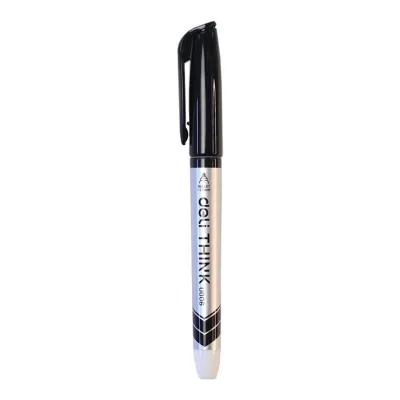
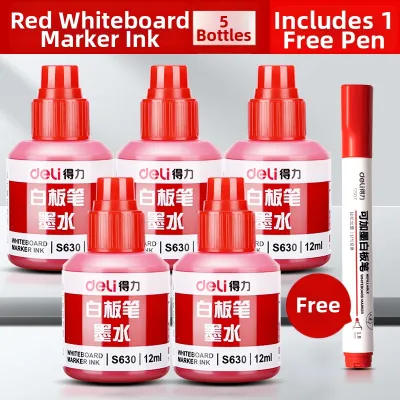
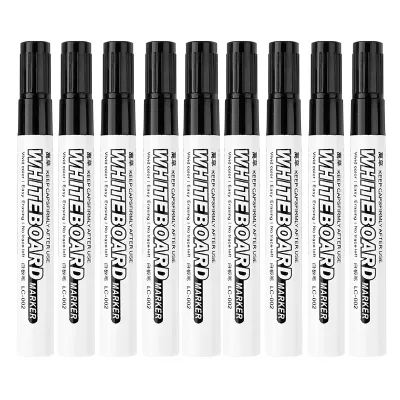
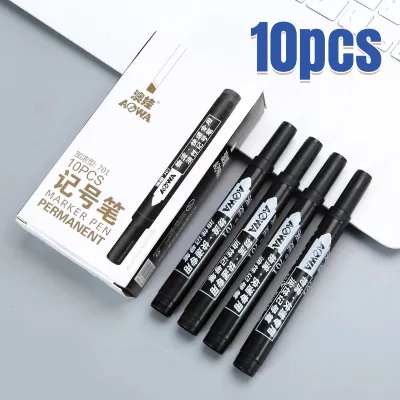
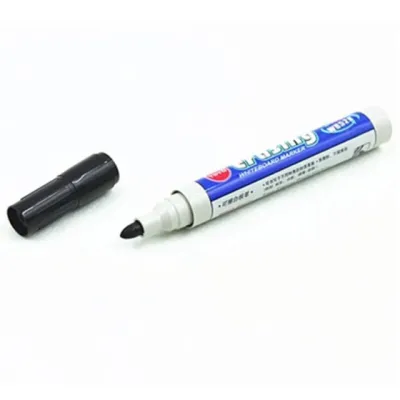
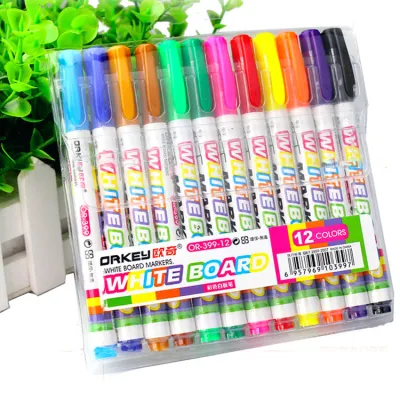
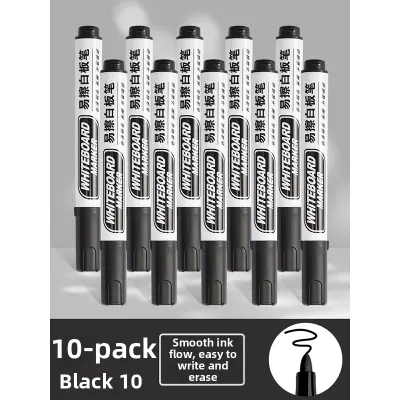
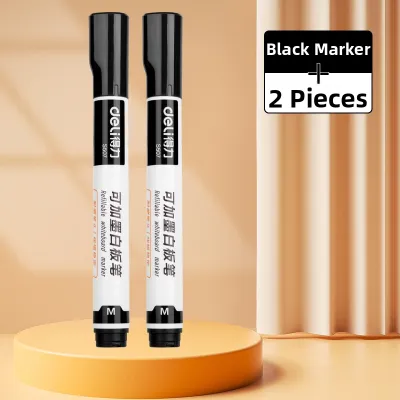
Prices are valid at publication and may change. Please refer to the product page for the latest price.
The ink formulation is the most complex aspect of a white board marker. Dry-erase ink consists of color pigments, a solvent that keeps the ink liquid, and a chemical release agent (typically a silicone polymer). When you write on a non-porous surface, the solvent evaporates rapidly, leaving behind a dry, colored powder. The release agent prevents the pigment from adhering permanently to the board, allowing it to be wiped away easily with a dry cloth or felt eraser. Solvents generally fall into two categories: standard alcohol-based solvents and low-odor formulations. Standard solvents often contain butyl acetate or isopropyl alcohol, which can emit a sharp, pungent odor that some users find irritating in confined spaces. Low-odor markers use alternative, less volatile solvents that minimize fumes, making them much more comfortable for prolonged use in enclosed rooms.
Barrel design also plays a significant role in usability and longevity. Most markers feature plastic barrels, which are lightweight and resistant to impact. Some professional-grade markers utilize aluminum barrels, which offer superior durability and a premium feel but are generally heavier and more expensive. A key feature to look for is an ink level indicator. Some markers are designed with a transparent window or a clear liquid ink chamber, allowing you to see exactly how much ink remains. This eliminates the guesswork and prevents the inconvenience of a marker running dry in the middle of an important presentation or lesson.
For high-volume users, refillable marker systems are an increasingly popular and environmentally friendly option. Instead of discarding the entire marker when the ink runs out, these systems allow you to replenish the ink reservoir using a dropper bottle or by inserting a replacement cartridge. This not only reduces plastic waste but also lowers the long-term cost per use. Some premium refillable systems also offer replaceable felt nibs. Because the nib can become frayed, split, or clogged with dust over time, being able to swap out the tip ensures that you can continue using the marker body and ink reservoir for years without a loss in writing quality.
Matching Marker Profiles to Your Primary Environment
Different environments demand different marker characteristics to ensure optimal performance and user comfort. In a corporate office setting, meetings often take place in enclosed, air-conditioned boardrooms with limited fresh air circulation. In these spaces, using standard, high-odor markers can quickly lead to discomfort, headaches, or complaints from sensitive individuals. Therefore, prioritizing low-odor, quick-drying inks is essential for office environments. Because office presentations often involve detailed project timelines, financial charts, and strategic diagrams, fine or medium bullet nibs are highly preferred. These nibs allow presenters to write small, precise text and draw intricate lines that remain neat and legible on medium-sized boards or modern glass writing surfaces.

Classroom environments present a completely different set of challenges. Teachers write continuously throughout the day, and their writing must be clearly visible to students sitting at the very back of a large, brightly lit room. For this reason, classrooms require high-visibility chisel nibs that can produce bold, thick lines. The colors used must offer high contrast against the white background; deep blacks, dark blues, and rich reds are the standard, while lighter colors like green or orange are typically reserved for highlighting specific details. Classroom markers must also be exceptionally durable. They are frequently dropped on hard floors, left uncapped during lessons, and subjected to heavy daily use by both teachers and students. Choosing markers with robust plastic barrels and resilient nibs that do not easily recede into the collar under heavy pressure is vital for educational institutions.
Home environments, such as home offices, children’s study areas, or kitchen organization boards, require a balance of safety, versatility, and cost-effectiveness. Home spaces are often smaller and may rely on natural ventilation, making low-odor formulations a non-negotiable requirement, especially if children are using the markers for homework or creative drawing. Since home whiteboards are typically smaller than those found in offices or schools, medium bullet nibs are usually the most practical choice. Multi-color packs containing a variety of vibrant shades are highly useful for color-coding family schedules, meal plans, and chore lists. Because home markers may sit unused in a drawer for weeks at a time, selecting markers with superior cap seals is critical to prevent the ink from drying out during periods of inactivity.
Surface Compatibility and Erasability Checks
The performance of any white board marker is only as good as the surface it is written on. Whiteboards are manufactured from several different materials, each with its own level of porosity and durability. Melamine boards are the most affordable option, consisting of a plastic-coated fiberboard. However, melamine is relatively porous and prone to wearing down over time. As the protective coating wears away, ink pigments can penetrate the surface, leading to permanent staining and ghosting. Painted steel boards offer a step up in durability, featuring a smoother, less porous surface that resists ghosting better than melamine. Porcelain or ceramic boards are highly durable, non-porous, and scratch-resistant, making them excellent for heavy-duty use in schools and offices. Tempered glass boards represent the premium tier; they are completely non-porous, virtually impossible to stain or ghost, and provide an exceptionally smooth writing experience, though they require high-contrast inks to ensure visibility against the glass.
One of the most common issues in any environment is the accidental use of permanent markers on a whiteboard. Because the packaging of permanent markers can look remarkably similar to dry-erase markers, it is crucial to verify the product labels before use. Look for explicit terms such as “dry-erase,” “whiteboard,” or “erasable” on the marker barrel. If a permanent marker is accidentally used, do not panic or attempt to scrape the ink off. A reliable, non-destructive method to remove permanent ink is to draw directly over the permanent marks with a fresh dry-erase marker. The solvents in the dry-erase ink will temporarily re-liquefy the permanent binder, allowing you to wipe both inks away immediately with a clean eraser.
To prevent widespread damage to a new or unfamiliar whiteboard, always perform a spot test before fully deploying a new brand of marker. Draw a small, simple line or character in an inconspicuous corner of the board. Allow the ink to dry completely for approximately 15 to 30 seconds, then attempt to wipe it away using a standard dry felt eraser. The ink should crumble into a dry powder and lift off the board cleanly without leaving a shadow. If the ink smears, leaves a persistent stain, or requires heavy scrubbing to remove, the ink formulation may not be compatible with your board’s specific coating, or the board itself may require a thorough cleaning.
If you encounter a marker that consistently leaves ghosting or shadows on your board, stop using it immediately. Continued use will only worsen the staining and make the board increasingly difficult to clean. Avoid using abrasive household cleaners, steel wool, or harsh chemical solvents like acetone, as these will permanently strip the protective dry-erase coating from the board. Instead, consult the whiteboard manufacturer’s official cleaning guidelines. Many manufacturers recommend using specialized whiteboard cleaning sprays or microfiber cloths dampened with a small amount of water or isopropyl alcohol, depending on the specific board material.
Building Your Purchase Shortlist and Verifying Claims
When preparing to purchase white board markers, creating a practical checklist helps ensure you select high-quality, safe, and cost-effective products. First, prioritize safety certifications, especially if the markers will be used by children in schools or at home. Look for recognized non-toxic standards on the packaging, such as the ASTM D-4236 certification or EN71 compliance. These labels verify that the product has been tested for toxicological safety and does not contain harmful levels of solvents or heavy metals, making them safe for regular skin contact and indoor use.
Next, pay close attention to manufacturing dates or shelf-life indicators. Because dry-erase inks rely on volatile solvents, markers can dry out over time even if they remain sealed in their original packaging. When buying from physical retail stores or online marketplaces, check the box or the marker barrels for batch codes or production dates. Avoid purchasing old stock that has been sitting in storage for several years, as the ink may have already begun to dry out, resulting in faint lines and poor performance right out of the box.
Verifying the integrity of the cap seal is another critical step when evaluating physical stock. A high-quality marker must feature a tight, secure cap that prevents air from entering the ink reservoir. When handling a marker, test the cap by removing it and snapping it back into place. You should hear and feel a distinct, audible “click.” This click indicates that the cap has formed an airtight seal around the nib. If the cap feels loose, slides off easily, or does not click securely, the marker is highly likely to dry out quickly on your desk or shelf.
Finally, evaluate the financial aspect of your purchase by comparing bulk packs against individual markers based on your actual usage frequency. For high-volume environments like schools or busy corporate offices, purchasing bulk boxes of 12 or more markers in a single color (usually black or blue) offers a significantly lower price per unit in ₱ compared to buying individual markers. However, for home use or small offices where writing is sporadic, buying a large bulk pack can lead to waste, as unused markers may dry out before you have a chance to use them. In these scenarios, a small, high-quality multi-color pack of four to six markers is a much more practical and economical choice.
Frequently Asked Questions (FAQ)
How can I revive a dried-out white board marker?
If a white board marker has been left uncapped and has dried out, you may be able to salvage it depending on how long it has been exposed to the air. First, consult the manufacturer’s instructions for any specific revival recommendations. A safe, observable method to try is to recap the marker tightly and store it vertically with the tip pointing downward for 24 to 48 hours. This allows gravity to pull the remaining solvent and pigment back down into the felt nib. After this resting period, gently scribble on a scrap piece of paper to see if the ink flow has returned. Avoid injecting unverified chemical solvents, rubbing alcohol, or water directly into the nib, as these can permanently ruin the felt fibers, alter the chemical balance of the ink, or damage your whiteboard surface. If the internal ink reservoir or sponge is completely depleted, the marker cannot be revived and must be replaced or refilled using official manufacturer refill cartridges.
Why does my white board marker leave a shadow or ghosting after erasing?
Ghosting occurs when the ink pigment penetrates the microscopic pores of the whiteboard surface, leaving a faint, visible shadow of your writing. This can happen if you attempt to erase the ink before it has dried completely, which smears the wet pigment into the board’s pores rather than allowing it to lift off as a dry powder. It can also occur if the whiteboard’s protective topcoat has degraded due to age, heavy use, or the previous use of abrasive cleaners. To diagnose the issue, check if the board surface is clean and free of dust, oils, or fingerprints, which can trap ink pigments. Always consult your whiteboard manufacturer’s recommended cleaning solutions rather than using harsh household detergents or rough sponges, which can scratch the surface and permanently worsen the ghosting effect.
Community discussion
Share your experience or ask a question. Comments are reviewed before publication.