
Finding a white pen that delivers clean, visible highlights on your study notes or journal pages requires understanding how different ink formulations interact with paper. Unlike traditional neon highlighters that dye paper fibers, a white highlighter must lay down an opaque layer of pigment to stand out against dark backgrounds or contrast with existing colored inks. Achieving this clean look without smudging, bleeding through thin pages, or skipping depends on matching the pen’s ink type and nib design to your specific paper. By evaluating key performance factors like opacity, drying speed, and tip shape, you can select a reliable tool that enhances your study guides, planners, and creative layouts.
Key Factors When Choosing a White Pen for Highlights
Selecting the right white pen requires looking closely at the technical specifications of the ink and the physical design of the tip. Because white ink must be opaque to be visible, manufacturers use heavier pigments, such as titanium dioxide, suspended in a liquid medium. How this medium behaves on your page determines whether your highlights will look crisp and clean or streaky and faded.
Ink formulation is the most critical factor governing opacity and coverage. Gel inks use a water-based gel that flows smoothly and provides moderate to high opacity, making them excellent for precise lines and detailed accents. Paint-based inks, often acrylic, offer maximum opacity and can completely cover dark paper or underlying black ink, but they require shaking and priming to keep the pigment suspended. Water-based pigment inks are typically lighter and semi-opaque, allowing you to layer them over other colors for a softer, more subtle highlighting effect.
Products mentioned in this guide
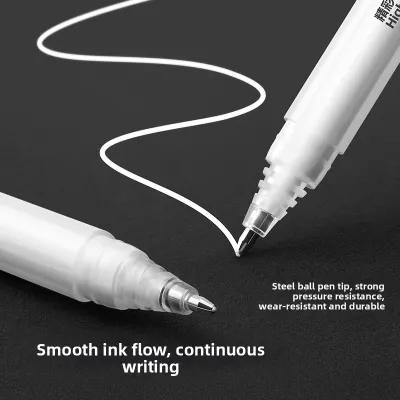
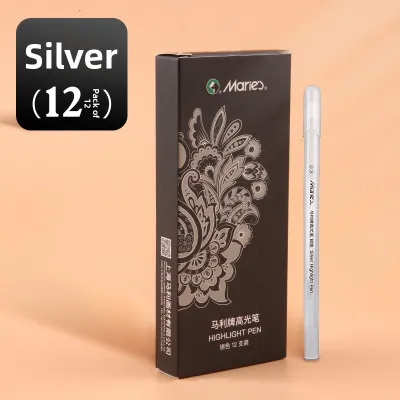
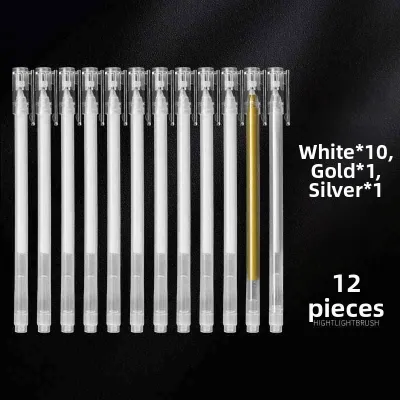
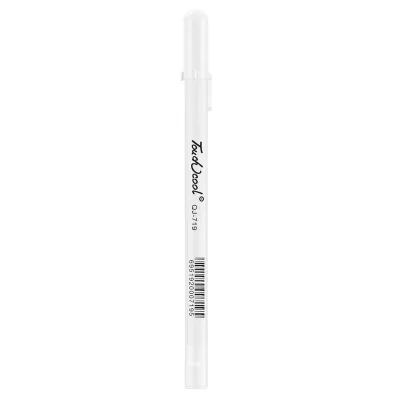
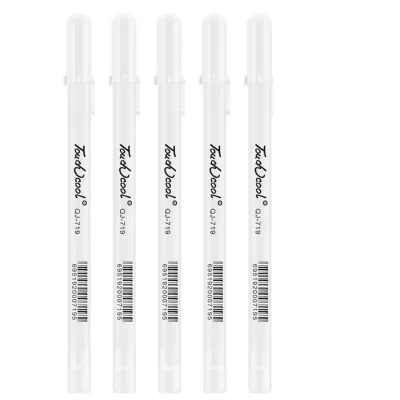
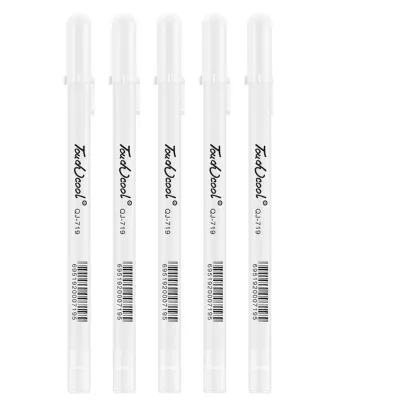
Prices are valid at publication and may change. Please refer to the product page for the latest price.
Nib sizes and shapes dictate how you can apply the ink to your page. Chisel tips, which usually range from 2.0mm to 4.0mm, are designed for broad, sweeping strokes that can cover an entire line of text in a single pass. Bullet tips, typically ranging from 0.5mm to 1.0mm, are ideal for precise underlining, framing, or writing small notes. Brush tips feature a flexible, tapered point that responds to hand pressure, allowing you to create variable line widths and artistic, fluid strokes.
In the tropical climate of the Philippines, high relative humidity can significantly delay ink drying times. Water-based gel inks that might dry in seconds in arid climates can remain wet or tacky for longer on local school notebooks or coated planner pages. This makes drying speed and smudge resistance critical considerations, especially for left-handed writers who risk dragging their hands across freshly written notes. Checking the ink’s drying characteristics on your preferred paper is essential to avoid messy smudges.
| Ink Type | Opacity Level | Drying Speed | Paper Compatibility | Best Use Case |
|---|---|---|---|---|
| Gel Ink | Medium to High | Moderate to Slow | Standard copy paper, medium journal pages | Underlining, fine accents, and detailing |
| Acrylic Paint Ink | Very High (Opaque) | Slow | Heavy cardstock, dark kraft paper, mixed media | Broad highlights, dark paper lettering |
| Water-Based Pigment | Low to Medium | Fast | Thin textbook paper, standard notebooks | Layering over colored highlights, light accents |
Matching White Highlighters to Your Specific Use Cases
Your primary writing tasks and the quality of your paper should guide your choice of a white highlighting tool. Using a heavy, highly opaque paint marker on thin study materials will cause frustration, just as using a thin, translucent pen on dark journal pages will yield invisible results.

For studying and textbook annotation, you are often dealing with thin, lightweight paper, such as standard 50 gsm to 70 gsm newsprint or textbook pages. This type of paper is highly susceptible to ink bleed-through and feathering. To keep your notes clean, prioritize fast-drying, water-based pigment pens with fine bullet tips. These tools allow you to underline key terms or add subtle white highlights over dark printed text without the ink soaking through to the reverse side of the page.
Bullet journaling and dark paper crafts require a completely different approach. Journaling enthusiasts frequently use thick, dark-colored paper, such as black or kraft pages, which often range from 120 gsm to 160 gsm. To make your highlights pop against these deep backgrounds, you need maximum opacity. Acrylic-based paint markers or high-pigment gel pens are the best choices here, as the thick ink sits on top of the paper fibers rather than sinking in, creating a stark, crisp contrast that remains vibrant after drying.
Fine detailing and lettering tasks demand precision and control. If your goal is to add highlights to hand-lettered titles, create three-dimensional accents on colored drawings, or clean up minor ink mistakes in your planner, a fine-point gel pen (0.5mm or smaller) or a flexible brush-tip pen is ideal. These tools allow you to apply tiny dots of white light to the curves of your letters, giving them depth and making your creative layouts stand out.
How to Evaluate and Test White Highlighters Before Buying
To avoid disappointment and ensure your white pen performs as expected, it is important to evaluate the product carefully before making a purchase, whether you are shopping in a physical store or browsing online listings.
Start by reading the product labels and manufacturer specifications. Look for terms like “pigment-based,” “waterproof after drying,” or “lightfast,” which indicate a high-quality ink formulation. Check the tip size, which is usually indicated in millimeters, to ensure it matches your writing style. Verify that the label specifies compatibility with paper, as some industrial paint markers are designed primarily for non-porous surfaces like glass or metal and may bleed excessively on standard stationery.
If you are shopping in a physical store that provides tester pens, conduct a hands-on trial. Bring a small scrap of the actual paper you plan to use, as standard tester pads in stores may not react the same way as your personal journal or textbook. Draw a thick line of dark ink using your favorite black pen or colored marker, let it dry, and then draw the white pen over it. Observe how long it takes for the white ink to become completely opaque, check if it smears the underlying ink, and turn the paper over to inspect for any signs of bleeding or ghosting.
When shopping on online marketplaces, marketing images can sometimes be misleadingly bright. Scroll down to the customer review section and look for real-life photos uploaded by other students and journalers. Pay close attention to reviews that mention “skipping” (where the ink flow cuts out mid-stroke), “scratchiness” (where the metal tip scrapes the paper instead of gliding), or complaints about pens arriving completely dried out due to poor storage conditions.
Where to Buy and What to Check Upon Delivery
To ensure you receive genuine, fresh stock that has been stored correctly, it is best to purchase your stationery from authorized retailers or reputable online sellers.
When navigating retail channels, look for established physical stationery stores in local malls or their official flagship storefronts on major ecommerce platforms. Avoid purchasing extremely cheap, unbranded bulk sets from generic online sellers. These products are often old inventory that has been stored in hot, unventilated warehouses, which causes the ink to dry out, separate, or clog before you even open the cap.
Once your package arrives, inspect the physical condition of the pens immediately. Check that the caps are tightly sealed and that there are no visible cracks in the plastic barrels. Some high-quality gel pens feature a tiny wax or silicone bead on the tip to prevent drying during transit; verify that this seal is intact before your first use.
Perform an immediate unboxing test by gently peeling off the protective tip seal and scribbling on a piece of scrap paper to prime the ink flow. For paint-style markers, you may need to shake the pen thoroughly and gently press the nib down on a flat surface several times to start the ink flow. If the pen skips constantly, feels scratchy, or fails to write after proper priming, contact the seller immediately. Most reputable online platforms offer a short return window for defective stationery items, so performing this check on day one is essential.
Frequently Asked Questions (FAQ)
Can I use a white gel pen instead of a white highlighter?
Yes, you can use a white gel pen for highlighting, but its suitability depends on the style of highlight you want to achieve. Gel pens typically feature fine bullet tips (ranging from 0.5mm to 1.0mm), making them excellent for precise underlining, adding thin accent lines, or writing notes on dark paper. However, they are not designed to cover large blocks of text. If you want to create broad, traditional highlighted blocks over printed words, a white marker with a chisel or broad brush tip is much more efficient, as it covers more surface area in a single stroke without leaving streak marks.
Why is my white highlighter skipping or not showing up on dark paper?
Skipping or poor visibility usually happens when the heavy pigment in the ink settles or dries out. Because white ink relies on solid pigments like titanium dioxide to achieve opacity, these particles can settle to the bottom of the pen barrel over time. To prevent this, store your white pens horizontally rather than vertically to keep the pigment evenly distributed. If the pen is skipping, the tip may be clogged with dried ink or paper fibers; gently wiping the nib with a damp paper towel can clear the clog. Additionally, highly absorbent or textured papers can soak up the liquid ink, causing the white pigment to disperse and look faint. Using smoother, less porous paper will help the white ink sit on the surface and remain highly visible.
Community discussion
Share your experience or ask a question. Comments are reviewed before publication.