
Selecting the correct wrapping paper requires matching the material’s flexibility, thickness, and dimensions to the physical profile of your gift. Using the wrong paper can lead to torn corners, bulky folds, or wasted material. By assessing your gift’s shape and size, choosing the most suitable paper type, calculating the exact dimensions needed, and gathering the right tools, you can achieve a clean, professional finish every time.
How to Measure and Assess Your Gift for Wrapping
Before cutting any paper, you must determine the physical dimensions of your gift. Use a flexible measuring tape or a piece of string to find the length, width, and height of the item. Lay the gift on a flat surface and measure the longest side to establish the length. Next, measure the distance across the front to find the width, and finally, measure from the base to the top to determine the height. Recording these three numbers prevents the common mistake of cutting a sheet that is too small to cover the item.
Once you have the measurements, identify the gift’s primary shape category. Most items fall into standard geometric groups: rectangular boxes, cylinders, or irregular shapes. Rectangular boxes are the most straightforward to wrap because they have flat faces and defined edges that guide your folds. Cylinders, such as poster tubes or bottles, require paper that can wrap smoothly around curves. Irregular objects, like soft toys or clothing, lack flat planes and have protruding parts that can easily puncture thin paper.
Products mentioned in this guide
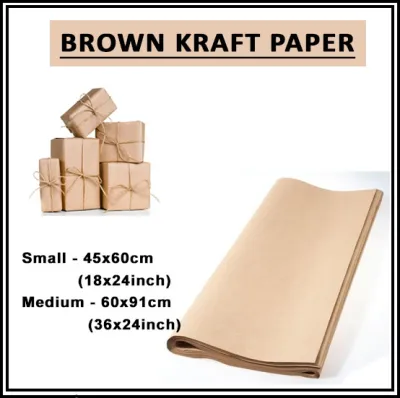
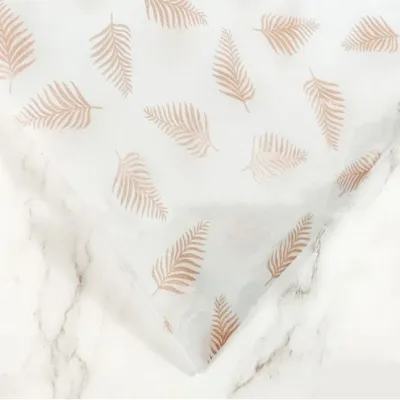
Prices are valid at publication and may change. Please refer to the product page for the latest price.
Finally, assess the item’s fragility and surface texture. Delicate items made of glass, ceramic, or polished wood require protective cushioning before you apply the outer decorative paper. In warm, humid climates, moisture in the air can soften thin paper, making it more susceptible to tearing when stretched over sharp edges. If your gift has sharp corners or a delicate finish, plan to use a protective inner layer, such as plain tissue paper, to buffer the item and preserve its condition during handling.
Best Wrapping Paper Types for Different Gift Shapes
Matching your wrapping paper to the physical structure of your gift is the key to a neat presentation. The weight, flexibility, and coating of the paper dictate how easily it bends around curves or holds a sharp crease. Choosing a material with the right structural properties ensures the paper conforms to the gift without tearing or buckling.

Rectangular and Boxed Gifts
Standard rectangular boxes benefit from papers that hold crisp folds and sharp edges. Standard glossy paper, matte paper, or medium-weight kraft paper are excellent choices for these shapes. These papers possess enough stiffness to maintain their shape along the straight edges of a box, resulting in clean, professional lines. Glossy papers offer a vibrant, polished look, while matte and kraft papers provide a modern, understated aesthetic.
When shopping for paper, check the product label or online specifications for thickness and tear resistance. Paper weight is often measured in grams per square meter (GSM). A weight between 70 GSM and 90 GSM is ideal for boxed gifts, as it is thick enough to conceal the item inside but flexible enough to fold cleanly. Avoid paper that is too thin, as it will split easily at the sharp corners of the box when you pull it tight to secure the seams.
Heavily textured, embossed, or thick foil papers require extra care when wrapped around rectangular boxes. These materials are highly rigid and tend to resist sharp creases. If you fold them too aggressively, the printed surface or foil coating can crack, leaving unsightly white lines along the edges. To prevent this, you can gently score the fold lines with a bone folder or use softer, rounded folds instead of pinching the edges too tightly.
Cylindrical, Round, and Odd-Shaped Gifts
Items without flat sides require highly flexible and forgiving wrapping materials. Tissue paper, cellophane, and fabric wraps are ideal for gathering, twisting, and tying around curved or uneven surfaces. These materials drape naturally over rounded shapes, eliminating the awkward bunching that occurs when you try to force stiff paper around a curve. Cellophane is particularly useful for gift baskets or bottles, as it provides structure while showcasing the contents.
To wrap a cylindrical item like a bottle or a jar, the “candy wrapper” twist is a highly effective technique. Roll the cylinder in a sheet of flexible paper, leaving several centimeters of excess material at both ends. Secure the center seam with tape, then gently twist the excess paper at each end, securing the twists with decorative ribbon or twine. For spherical items, place the gift in the center of a large sheet of tissue paper, gather all four corners at the top, and tie them together to create an elegant pouch.
Avoid using stiff, thick, or heavily coated papers for curved or irregular gifts. Rigid papers will buckle, crack, and refuse to lay flat against curved surfaces, resulting in a messy appearance. Additionally, the natural springiness of thick paper will fight against adhesive tape, causing the seams to pop open. If you must use a standard wrapping paper for an odd shape, consider placing the item inside a simple cardboard box first to create a flat, easy-to-wrap surface.
Fragile and Oversized Items
Delicate or exceptionally large gifts require durable paper solutions that offer both protection and complete coverage. Heavy-duty kraft paper, corrugated paper, or layered tissue paper provide the necessary cushioning and tear resistance for these challenging items. Kraft paper is particularly resilient, making it an excellent outer layer for heavy items that might shift and break through thinner decorative sheets during transport.
For fragile items like glassware, ceramics, or framed pictures, always apply a soft, plain inner wrap before using your decorative outer paper. Wrapping the item in several layers of acid-free tissue paper or bubble wrap protects the delicate surfaces from scratches and cushions them against minor impacts. Once the item is safely padded, you can apply a sturdy outer wrapping paper to complete the presentation without risking damage to the gift.
Oversized items, such as large home appliances or giant toy boxes, are difficult to wrap using standard pre-cut sheets. To avoid visible, messy seams where multiple sheets join, purchase wrapping paper in bulk rolls or wide-format sheets. Standard retail sheets are often too narrow, but wide-format rolls (typically 70 centimeters or wider) allow you to cover large surface areas in a single, continuous wrap. This approach ensures a clean look and prevents the paper from tearing at weak, taped seams.
Quick Reference: Matching Paper Types to Gift Profiles
Use this quick reference table to select the best paper type and folding technique for your specific gift shape.
| Gift Shape/Type | Recommended Paper Types | Key Folding Technique | What to Avoid |
|---|---|---|---|
| Rectangular Box | Glossy, matte, or medium-weight kraft paper (70–90 GSM) | Crisp, pinched creases along edges; neat triangular end flaps | Extremely thin paper that tears at corners; over-folding textured paper |
| Cylinder / Bottle | Tissue paper, cellophane, lightweight wrapping paper | "Candy wrapper" twist at ends; neat pleating on flat circular bases | Stiff, heavy-weight, or laminated papers that buckle |
| Irregular / Soft | Tissue paper, fabric wraps, cellophane | Gathering into a top pouch; placing inside a gift box first | Forcing stiff paper to conform to uneven shapes |
| Fragile / Large | Heavy-duty kraft paper, corrugated paper, wide-format rolls | Layered inner wrapping for padding; single-sheet seamless outer wrap | Thin decorative sheets; patching multiple small sheets together |
How to Calculate the Correct Wrapping Paper Size
Calculating the exact dimensions of paper needed before cutting prevents waste and ensures your paper covers the gift completely. To find the correct width of paper required for a rectangular box, use a simple formula. The paper must wrap entirely around the box, covering the width twice and the height twice, with a small overlap to secure the seam. The formula is: (Gift Width x 2) + (Gift Height x 2) + 5 centimeters for the overlap. For example, if your box is 15 centimeters wide and 10 centimeters high, you will need a paper width of 55 centimeters.
To calculate the correct length of paper, you must ensure the paper covers the length of the box and has enough excess on each end to fold up and cover the sides. The formula is: Gift Length + (Gift Height x 1.5). The excess paper on each end should equal roughly three-quarters of the box’s height. If the end flaps are too long, they will overlap excessively and create bulky, messy folds; if they are too short, they will not cover the sides of the box. Cutting the paper according to these calculations ensures clean, flat folds on the ends of your gift.
Before purchasing wrapping paper, always check the roll dimensions on the product packaging or online listing. Standard rolls in local stationery shops typically come in widths of 50 centimeters or 70 centimeters, with total lengths ranging from 2 to 10 meters. Comparing your calculated paper requirements with the roll dimensions ensures you buy a roll wide enough for your largest gift. This step is especially important when shopping online, where product photos can make small rolls appear much larger than they actually are.
Essential Wrapping Tools and Accessories to Buy
Achieving a professional, clean wrap requires the right tools to secure and trim your paper. Double-sided tape is highly recommended for a seamless finish. Unlike standard clear tape, which sits on top of the paper and leaves shiny plastic lines, double-sided tape is hidden completely between the overlapping layers of paper. This creates clean, invisible seams that elevate the overall presentation of your gift.
Sharp crafting scissors or a dedicated rolling paper cutter are essential for making clean cuts. Dull household scissors tend to snag and chew through paper, leaving jagged, frayed edges that ruin the clean lines of your wrap. A sharp blade glides effortlessly through the paper, allowing you to cut straight lines with minimal effort. Keeping a dedicated pair of scissors for stationery tasks ensures the blades remain sharp and ready for use.
When selecting ribbons, twine, and gift tags, choose accessories that complement the weight and texture of your wrapping paper. Lightweight papers, such as tissue paper, pair beautifully with delicate satin ribbons or thin cotton twine. Heavy-duty papers, like kraft paper, can support thicker, textured embellishments like jute twine or wide grosgrain ribbons. Using accessories that match the paper’s weight prevents the ribbon from pulling on or tearing the paper.
Finally, consider your budget when stocking up on wrapping supplies. When browsing local stationery stores or online marketplaces, compare the price per meter in ₱ for tape, ribbon, and paper rolls. Buying bulk rolls of high-quality double-sided tape and neutral wrapping papers, such as plain kraft paper, is often much more cost-effective than purchasing individual sheets and small tape dispensers. This approach ensures you always have versatile, durable supplies on hand for any occasion.
Frequently Asked Questions (FAQ)
Can I use regular printer paper to wrap small gifts?
Regular printer paper can be used to wrap very small, flat items like jewelry boxes, gift cards, or small books, but it has notable limitations. Standard printer paper is typically stiff, small (usually A4 or Letter size), and lacks a decorative finish. Because of its rigidity, it can easily tear at the corners if folded too tightly around sharp edges. While it is not ideal as a primary decorative wrap for larger or curved items, you can use it creatively by drawing custom designs on it, or use it as a protective, plain inner layer to cushion fragile items before applying a final decorative wrap.
How do I prevent glossy wrapping paper from slipping while taping?
Glossy wrapping paper has a slick, non-porous coating that can make it difficult for standard adhesive tapes to grip. To prevent slipping, use high-tack tape or specialized double-sided tape designed specifically for glossy or laminated surfaces. Before applying the tape, fold a small, clean tab (about 1 centimeter wide) along the edge of the paper. This double-layer fold provides a sturdier physical grip, prevents the paper from sliding out of alignment, and gives the adhesive tape a flat, reinforced surface to bond with, ensuring a secure and lasting seal.
Community discussion
Share your experience or ask a question. Comments are reviewed before publication.