
Finding the ideal yellow pad holder requires balancing structural support, weather protection, and precise sizing. For students rushing between university lecture halls and professionals navigating busy office environments, the humble yellow pad is an indispensable tool for drafting, note-taking, and organizing thoughts. However, without a dedicated holder, these long paper pads quickly succumb to bent corners, torn pages, and moisture damage. The right holder acts as both a protective shield during transit and a stable writing desk when you are on the move.
To make an informed decision, you must prioritize three core criteria: exact size compatibility with local paper standards, a rigid backboard that allows you to write comfortably without a table, and a secure closure mechanism that matches your daily commute. By focusing on these practical elements, you can find a durable accessory that keeps your notes pristine and your daily routine seamless.
Verifying Size Compatibility for Local Legal Pads
One of the most common pitfalls when purchasing a yellow pad holder is selecting a size that does not match local paper dimensions. In the Philippines, the standard “legal” yellow pad typically measures 8.5 by 13 inches (approximately 216 by 330 millimeters), which is often referred to locally as “long” size. However, many internationally manufactured folders and portfolios are designed for US legal size, which measures 8.5 by 14 inches, or A4 size, which is much shorter at 11.69 inches.
Products mentioned in this guide
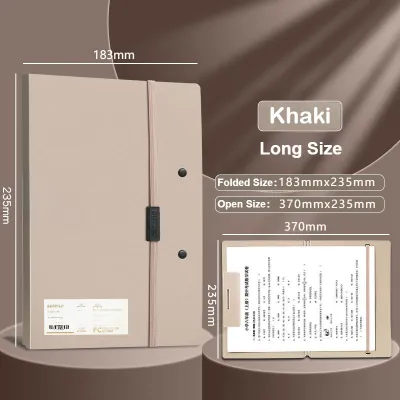
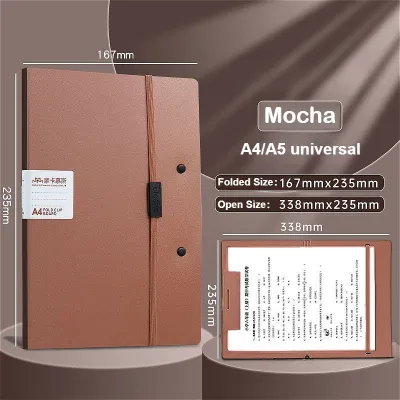
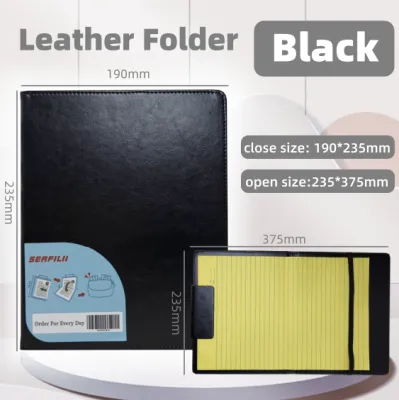
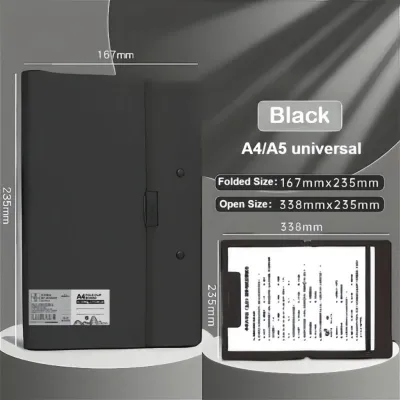
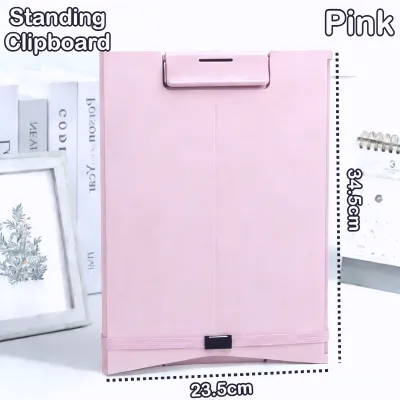
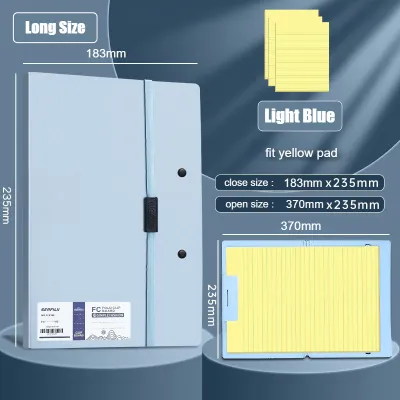
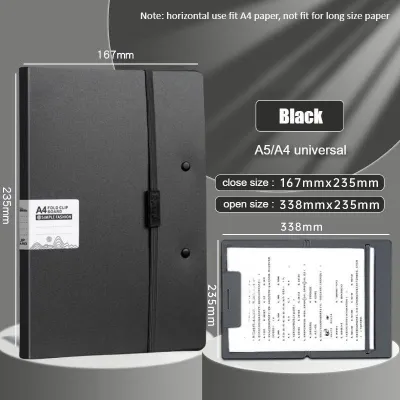
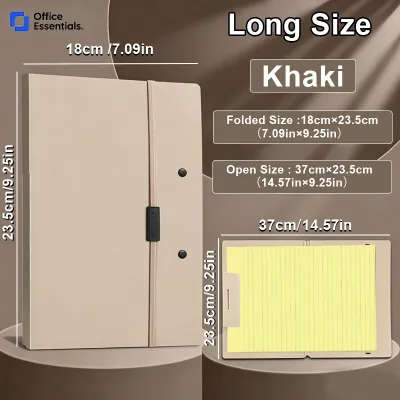
Prices are valid at publication and may change. Please refer to the product page for the latest price.
Before making a purchase, you must carefully verify the internal dimensions of the holder. If you accidentally purchase an A4-sized holder, the bottom of your yellow pad will protrude, leaving the edges exposed to fraying, dirt, and tearing inside your bag. Conversely, a holder designed for US legal pads will accommodate your local pad but may leave excess empty space at the bottom, making the folder unnecessarily bulky and difficult to fit into a standard backpack or tote.
To ensure a perfect fit, look for product listings that explicitly state compatibility with 13-inch long paper. You should also check the design of the internal pocket or clip mechanism. A high-quality holder should feature a top clip or a slip-in sleeve that holds the cardboard backing of the yellow pad securely without pinching the paper or causing the pad to sag.
Additionally, pay close attention to edge protection. The best holders feature extended outer borders or reinforced plastic rims that extend slightly beyond the dimensions of the pad. This design ensures that if your bag is dropped or squeezed, the impact is absorbed by the outer shell of the holder rather than the corners of your writing paper.
Evaluating Materials for Daily Durability and Writing Support
The material of your yellow pad holder directly impacts its lifespan, weight, and how comfortable it is to use as a portable writing surface. Because stationery in tropical climates is constantly exposed to high humidity and sudden downpours, choosing a material that can withstand these environmental factors is crucial for long-term utility.

Plastic options, such as polypropylene (PP) and polyvinyl chloride (PVC), are highly popular due to their lightweight nature and excellent water resistance. Polypropylene is particularly durable, flexible, and resistant to cracking, making it an ideal choice for students who constantly pack and unpack their bags. PVC is also widely available and often more rigid, but it can become sticky or transfer ink from printed documents in extreme heat. When choosing a plastic holder, look for a matte or textured finish, which resists scratches and fingerprints better than smooth, glossy alternatives.
For a more professional aesthetic suitable for boardrooms, law offices, or corporate meetings, leatherette (polyurethane or PU leather) and fabric-covered holders are excellent alternatives. Leatherette offers a sophisticated look and provides moderate water resistance, though it requires occasional wiping to prevent dust buildup. Fabric holders, often made of heavy-duty polyester or nylon, offer great scratch resistance and a modern look, but they can absorb moisture during heavy rain. If you opt for fabric or leatherette, ensure the inner core is made of a dense, moisture-resistant plastic board rather than standard cardboard, which can warp and lose its rigidity when exposed to humid air.
Regardless of the outer material, the rigidity of the back cover is paramount. If you frequently take notes while standing in corridors, sitting in chairs without desks, or commuting, you need a backboard that does not bend under the pressure of your pen. Test the rigidity by gently trying to flex the holder; a high-quality model should offer firm resistance, providing a desktop-like experience wherever you are.
Comparing Closure Mechanisms for Transit Protection
How your holder closes determines how well it protects your documents during transit. If you are constantly moving between classrooms or office floors, you need a closure system that balances security with quick access.
Snap Buttons and Elastic Bands
- Best for: Quick access during fast-paced lectures or back-to-back meetings.
- Characteristics: These designs allow you to flip the holder open in a single motion. Elastic bands offer flexibility, accommodating thicker pads, but they can stretch out over time. Snap buttons provide a positive, secure click but require a bit of pressure to close, which can occasionally bend the plastic cover if not aligned correctly.
Zippered Enclosures
- Best for: Maximum security during long commutes and rainy weather.
- Characteristics: A zipper running along three sides of the holder seals your yellow pad and any loose sheets completely away from the elements. This is highly recommended for commuters who travel via public utility vehicles where bags might be squeezed or exposed to sudden splashes. The trade-off is that zippered portfolios are bulkier and take slightly longer to open and close.
Open-Top and Flap Designs
- Best for: Desk-bound users who rarely travel with their stationery.
- Characteristics: These holders rely on a simple fold-over flap or have no cover at all, functioning like a traditional clipboard. While they offer the fastest access to your paper, they provide minimal protection against dust, rain, or accidental drops, making them less suitable for active transit.
How to Filter and Verify Options on E-Commerce Platforms
Finding the right yellow pad holder on online marketplaces requires a discerning eye, as product titles can often be misleading or filled with generic keywords. To narrow down your search effectively, you must use precise search terms and verify seller claims through user feedback.
Start by using specific search queries rather than broad terms. Instead of searching for a generic “pad holder,” try terms like “long legal pad portfolio,” “8.5 x 13 clipboard folder,” or “plastic yellow pad cover.” These targeted phrases help filter out standard letter-sized and A4-sized office folders, bringing you closer to products designed for local paper dimensions.
Once you find a potential candidate, do not rely solely on the product title or the seller’s stock photos. Scroll down to the user review section and look for uploaded customer photos. These real-world images are invaluable for assessing the actual color, material thickness, and build quality of the holder. Look specifically for reviews written by local students or office workers who mention whether a standard local yellow pad fits perfectly inside without hanging over the edges.
Additionally, check the detailed product specifications for exact centimeter or inch measurements. If the dimensions are not listed, use the platform’s chat feature to ask the seller directly if the holder accommodates 13-inch long paper. Finally, evaluate the seller’s rating and shipping origin. Opting for established local stationery distributors or highly rated preferred sellers reduces the risk of shipping delays and ensures a smoother return process if the item does not meet your size expectations.
Frequently Asked Questions (FAQ)
Can I use a letter-sized holder for a legal-sized yellow pad?
Using a letter-sized holder for a legal-sized yellow pad is not recommended because of the significant difference in length. A standard letter-sized holder is designed for paper that is 11 inches long, whereas a local legal yellow pad is 13 inches long.
If you attempt to force a legal pad into a letter-sized holder, approximately two inches of the pad will hang out of the bottom. This exposure leaves the bottom pages highly vulnerable to bending, tearing, and getting dirty inside your bag. Furthermore, if the holder features a flap, snap, or zipper closure, you will not be able to close it properly, defeating the purpose of having a protective cover. To maintain the integrity of your documents, it is always best to purchase a holder specifically rated for legal or long-sized paper.
How do I clean and maintain a plastic yellow pad holder?
Cleaning a plastic yellow pad holder is a simple process that can significantly extend its lifespan. For routine maintenance, remove your yellow pad and any loose papers, then wipe the entire surface of the plastic with a damp microfiber cloth to remove dust, fingerprints, and minor ink smudges.
Avoid using harsh chemical solvents, alcohol-based cleaners, or abrasive scrubbing pads, as these can scratch, cloud, or degrade the plastic material over time. If there are stubborn sticky residues from price tags or tape, use a tiny drop of mild dishwashing liquid mixed with warm water, gently rub the area with a soft cloth, and rinse with a clean, damp cloth. Always allow the holder to dry completely in a well-ventilated area before putting your paper pad back inside, as any trapped moisture can seep into the paper and cause it to warp or develop mold.
Community discussion
Share your experience or ask a question. Comments are reviewed before publication.