
Choosing the right VEEDS beads for everyday bracelets versus statement necklaces requires balancing physical durability with visual scale. Everyday bracelets are highly active accessories that demand small, smooth, and exceptionally resilient beads (typically 2 mm to 6 mm) to withstand constant friction, sweat, and daily impacts. In contrast, statement necklaces prioritize visual impact, structural balance, and dramatic aesthetics, allowing for much larger focal beads (8 mm to 20 mm or more) with intricate finishes. By analyzing how a finished piece interacts with the body and the environment, you can select the correct bead sizes, materials, and hole diameters to ensure your jewelry remains both comfortable and structurally sound.
Understanding the physical mechanics of jewelry wear is the first step toward successful crafting. While a delicate, painted bead might look stunning on a display board, it can quickly degrade when worn on a highly active wrist. Conversely, a heavy, solid stone bead that anchors a necklace perfectly might prove too bulky and uncomfortable for daily wear on a bracelet. Aligning your material choices with the specific physical demands of each jewelry type prevents premature wear and ensures your handmade pieces look professional for years to come.
Defining the Scene: Daily Wear vs. Statement Pieces
Everyday bracelets are highly kinetic accessories. They move constantly as the wearer goes about their day, frequently coming into contact with hard surfaces such as wooden desks, laptop edges, steering wheels, and fabric sleeves. Because of this continuous physical interaction, comfort and durability are the primary design requirements. A daily-wear bracelet must feel lightweight, sit flush against the skin, and remain free of sharp edges that could scratch the wearer or snag on clothing.
Products mentioned in this guide
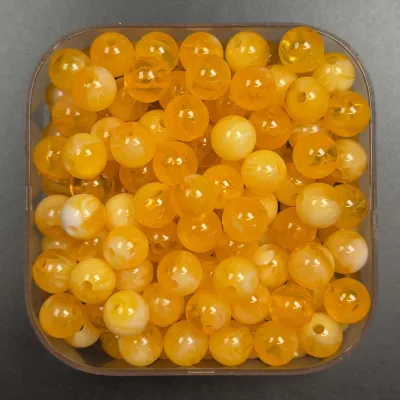
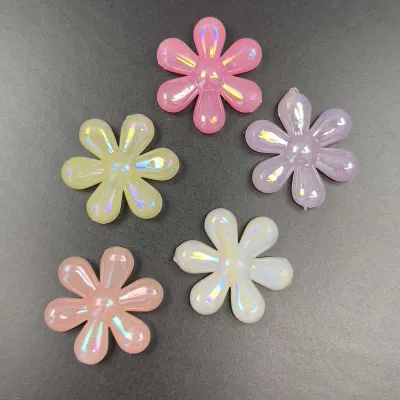
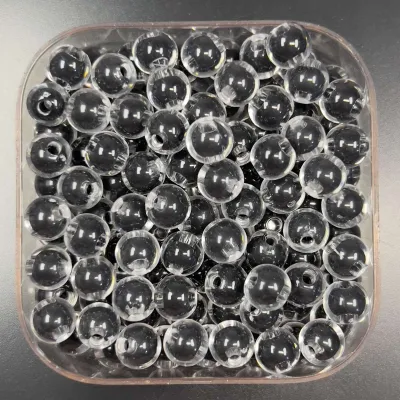
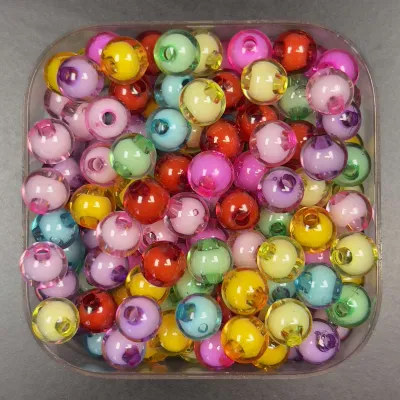
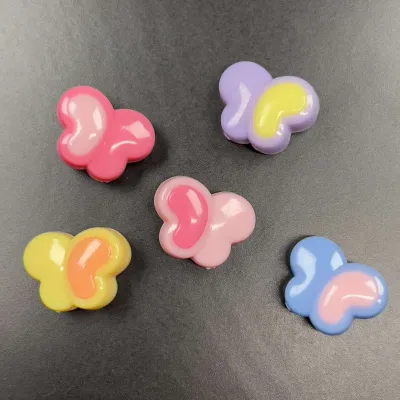
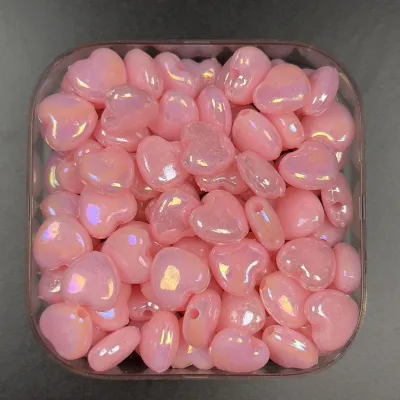
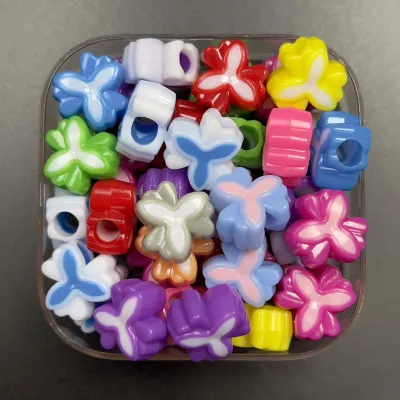
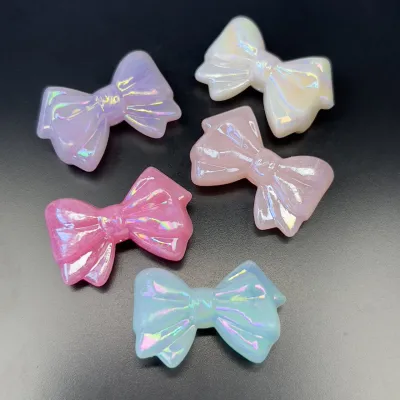
Prices are valid at publication and may change. Please refer to the product page for the latest price.
Statement necklaces, by contrast, are low-movement pieces designed to serve as the visual centerpiece of an outfit. Resting against the collarbone or chest, they do not endure the same physical friction as bracelets. This structural safety allows you to incorporate delicate finishes, complex shapes, and heavier materials. However, the primary challenge for a statement necklace is gravity and weight distribution. A poorly planned necklace can strain the neck, sit awkwardly on the chest, or cause the stringing material to sag and snap over time.
Matching Bead Sizes and Shapes to Your Design Goals
The physical dimensions of your beads dictate both the comfort of the wearer and the aesthetic success of the design. VEEDS beads are available in a wide array of sizes, usually measured in millimeters (mm), which must be carefully matched to the scale of the jewelry piece.

Proportions for Everyday Bracelets
For daily-wear bracelets, smaller bead dimensions are highly recommended to ensure comfort and practicality. Ideal choices include tiny 2 mm to 4 mm seed beads, 4 mm to 6 mm round beads, or flat disc beads (such as polymer clay heishi discs). These smaller profiles sit low on the wrist, minimizing the overall bulk of the bracelet and preventing it from catching on sleeves, bags, or keyboards.
When selecting shapes for bracelets, prioritize smooth, rounded geometries. Perfectly round beads, smooth rondelles, and flat discs slide easily over the skin without causing irritation. Avoid highly faceted, sharp, or irregular shapes for everyday bracelets, as these can press uncomfortably into the wrist during prolonged typing or writing. Always verify the exact millimeter specifications on the product listing to ensure the scale matches standard, comfortable bracelet proportions.
Scale and Focal Points for Statement Necklaces
Statement necklaces thrive on dramatic proportions and a clear visual hierarchy. To create an eye-catching design, select larger focal beads ranging from 8 mm to 16 mm, or even larger accent pendants. These substantial sizes ensure the necklace remains visible from a distance and complements various necklines without getting lost against the fabric of your clothing.
To prevent the piece from becoming excessively heavy or visually chaotic, balance these large focal elements with smaller spacer beads, such as 3 mm or 4 mm round beads. A classic design technique involves placing the largest, most detailed beads near the center of the necklace and gradually transitioning to smaller, lighter beads near the clasp. Look for beads with distinct textures, large geometric facets, or unique shapes like teardrops, bicones, or elongated tubes to capture light and add depth to your statement piece.
Comparing Material Durability and Visual Finishes
Different bead materials and surface treatments perform uniquely under the specific stress conditions of daily wear versus occasional statement wear. Selecting the right material ensures your jewelry maintains its beauty over time.
Withstanding Friction: Materials for Bracelets
Everyday bracelets require materials that can withstand continuous physical contact without chipping, scratching, or losing their color. Highly durable options include solid glass (such as premium seed beads), polished natural stones, and high-quality, solid-color acrylics. These materials are non-porous and resist the degrading effects of frequent handwashing, daily friction, and sweat.
When sourcing beads for daily wear, avoid delicate surface treatments. Painted coatings, soft metallic plating, and easily scratched plastics will quickly wear away under constant friction, exposing the base material underneath. Always check the manufacturer’s description to verify if the color is solid throughout the bead or merely applied as a thin topcoat. If you are unsure of a bead’s durability, perform a simple scratch test on a single sample before committing to a full design.
Maximizing Impact: Finishes for Necklaces
Because statement necklaces experience minimal physical friction, they are the perfect canvas for fragile, high-impact surface finishes. You can safely incorporate beads with lustrous metallic platings, iridescent aurora borealis (AB) coatings, delicate pearlized layers, or intricate hand-painted patterns. These finishes reflect light beautifully, adding a sense of luxury and complexity to your design.
However, even though these finishes are protected from heavy friction, they remain sensitive to chemical exposure. Cosmetics, perfumes, hairsprays, and sweat can cause delicate coatings to tarnish, peel, or discolor. To preserve these stunning visual effects, always apply your beauty products and allow them to dry completely before putting on your necklace, and follow specific care guidelines to keep the finishes pristine.
Verifying Specifications When Sourcing VEEDS Beads
Sourcing jewelry-making supplies online in the Philippines requires careful attention to product specifications to avoid design failures. Before finalizing your purchase, use this targeted checklist to verify that your selected beads match your project’s technical needs:
- Hole Size and Cord Compatibility: Always check the drill hole diameter specified in the product listing. Statement necklaces often require thicker, high-tensile stringing materials like multi-strand beading wire, leather cord, or thick nylon, which demand larger bead holes (typically 1.0 mm to 2.0 mm). Everyday elastic bracelets, conversely, use thin elastic cords (0.5 mm to 0.8 mm), which fit easily through smaller bead holes but require the bead holes to be smooth to prevent fraying.
- Weight and Density Estimation: Large glass, ceramic, or metal beads carry significant weight. Before purchasing, calculate the total estimated weight of the beads required for a necklace. If the design is too heavy, it can cause physical discomfort for the wearer and place excessive strain on the clasp and stringing wire. Consider mixing lightweight acrylic or wooden beads with heavy glass or stone accents to keep the necklace comfortable.
- Colorfastness and Skin Sensitivity: For everyday bracelets that sit directly against the skin, verify whether the beads are dyed or color-infused. In the warm, humid climate of the Philippines, sweat can react with low-quality dyes, causing the color to bleed onto the skin or clothing. Look for "colorfast" or "through-colored" designations in the product details.
If a product listing lacks clear measurements for hole size, weight, or material composition, contact the seller directly to request these details. For large-scale projects, consider purchasing a small sample batch first to test the physical quality, color accuracy, and compatibility with your stringing materials.
Cross-Scenario Compatibility: Versatile Bead Choices
Maintaining separate inventories for bracelets and necklaces can become costly. Fortunately, certain versatile beads transition seamlessly between both styles, allowing you to maximize your crafting budget. Medium-sized metallic spacer beads (4 mm to 6 mm), classic glass pearls, and uniform wooden beads are excellent multi-use options.
The secret to shifting these beads between casual daily wear and formal statement wear lies in how you style and string them. For example, a set of 6 mm glass pearls can be strung on durable elastic cord for a simple, elegant everyday bracelet. Alternatively, those same pearls can be combined with large geometric focal beads, metallic spacers, and a robust toggle clasp on multi-strand wire to create a dramatic, layered statement necklace. By stocking up on high-quality, versatile basics, you can easily adapt your designs to any jewelry-making scenario.
Frequently Asked Questions (FAQ)
What stringing material works best for heavy statement beads?
Heavy statement beads require strong, high-tensile stringing materials to prevent sagging and breakage. Multi-strand stainless steel beading wire coated in protective nylon (such as 19-strand or 49-strand wire) offers the ideal balance of flexibility and strength. For designs with very large holes, heavy-duty leather cord or thick waxed cotton cord also provides excellent structural support. Avoid standard elastic thread or thin monofilament nylon, as they can stretch out or snap under heavy loads.
How do I protect bead finishes in a humid, tropical climate?
High humidity and perspiration can accelerate the tarnishing of metallic finishes and degrade delicate bead coatings. To protect your jewelry, store finished pieces in airtight plastic bags or jewelry boxes containing silica gel packets to absorb excess moisture. Always wipe your beads with a soft, dry microfiber cloth after each wear to remove body oils, sweat, and cosmetic residue before storing them away.
Community discussion
Share your experience or ask a question. Comments are reviewed before publication.