
Highly effective wrapping papers for polvoron are those that combine high grease resistance with excellent tensile strength, such as glassine, cellophane, wax paper, and food-grade foil wrappers. These materials prevent the butter or margarine in the toasted flour mixture from seeping through while resisting tears during the tight twisting or folding process.
Selecting the right pambalot ng polvoron is not just about aesthetics; it directly affects the shelf life, presentation, and handling of the sweet. In warm, tropical climates like the Philippines, where ambient temperatures can cause fats to soften quickly, an inadequate wrapper will rapidly fail. Understanding the physical properties of different wrapping materials allows you to choose a paper that keeps your treats pristine, whether you are preparing a small batch for family or packaging them for a commercial venture.
What to Look for in Polvoron Wrapping Paper
When evaluating wrapping options for polvoron, three primary material properties must guide your decision: grease resistance, tensile strength, and food safety.
Products mentioned in this guide
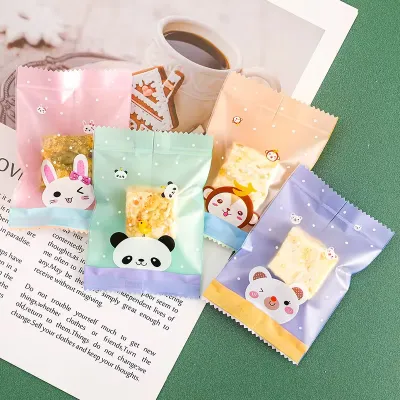
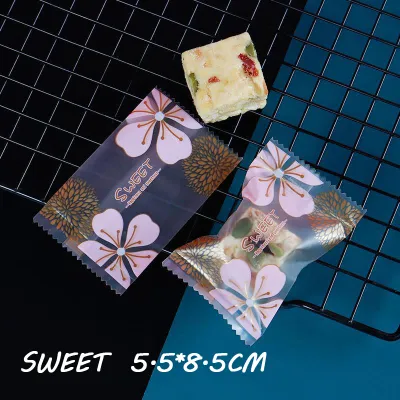
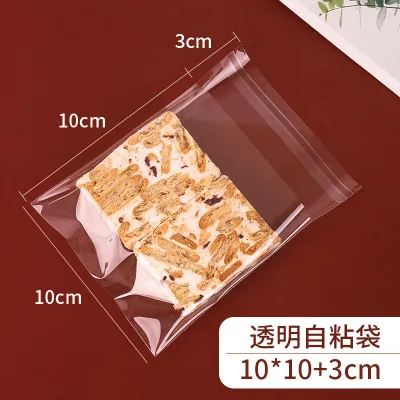
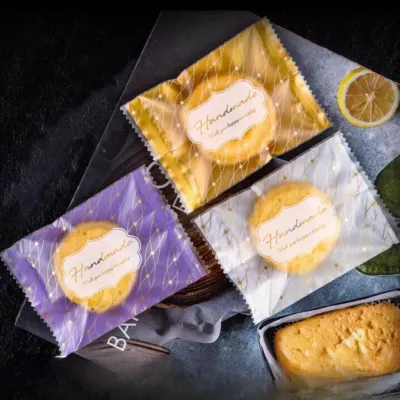
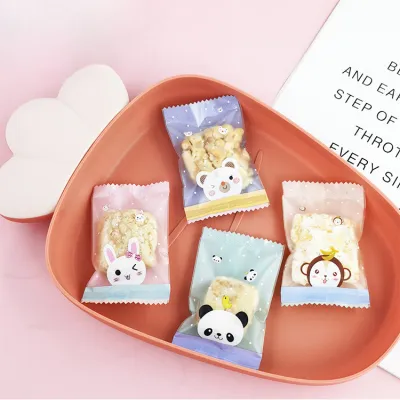
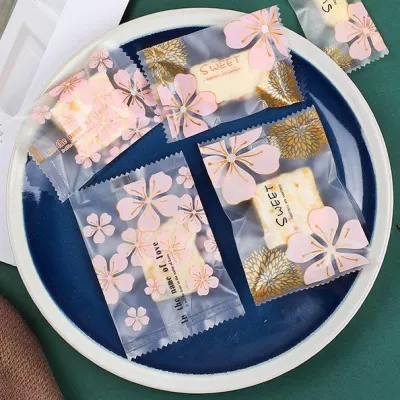
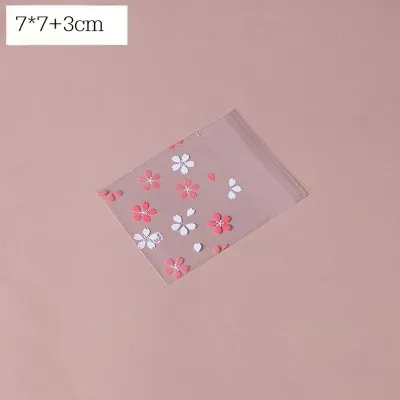
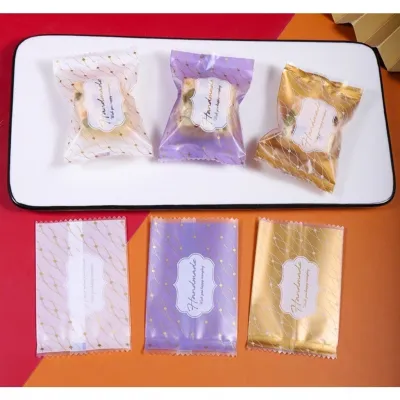
Prices are valid at publication and may change. Please refer to the product page for the latest price.
Grease Resistance
The defining characteristic of a high-quality polvoron wrapper is its ability to act as an oil barrier. Polvoron relies on melted butter or margarine to bind the dry ingredients together. In warm environments, these fats easily liquefy and migrate outward. If the wrapping material lacks grease resistance, the oil will seep through the paper fibers, resulting in dark, damp spots that ruin the presentation and make the package messy to handle.
Tensile Strength and Flexibility
Wrapping polvoron is a hands-on process that involves tight folding, creasing, or twisting. The paper must possess high folding endurance and tensile strength to resist tearing under tension. When you twist the ends of a wrapper to create the classic candy shape, the material experiences significant torsional stress. Brittle or overly thin papers will split at the twist points, exposing the fragile polvoron inside to air and moisture.
Food Safety Compliance
Because the wrapping paper comes into direct, prolonged contact with the food, it must be certified food-grade. Standard decorative papers, craft sheets, or industrial tissues often contain chemical dyes, bleaches, and synthetic coatings that are unsafe for consumption. These substances can easily migrate into the oily surface of the polvoron, posing health risks and altering the taste of the sweet.
Material Options That Resist Oil and Tearing
Several wrapping materials excel at containing oils while maintaining their structural integrity during the wrapping process.

Cellophane and Glassine
Glassine is a smooth, translucent paper that undergoes a manufacturing process called supercalendering, which flattens the fibers to create a highly grease-resistant barrier. It is a traditional choice for wrapping polvoron because it folds sharply, holds creases exceptionally well, and resists oil penetration. Cellophane, particularly genuine cellulose-based film, offers excellent transparency and greaseproof qualities. When sourcing glassine or cellophane, check the thickness or weight (measured in GSM); slightly thicker sheets provide better tear resistance when twisting the ends.
Wax Paper and Parchment Paper
Wax paper is coated with a thin layer of food-safe wax on both sides, making it highly resistant to moisture and oil. It is highly flexible and easy to fold around the molded sweet. However, wax paper has low “memory,” meaning twisted ends may unravel unless secured with a sticker or outer tie. Parchment paper, which is treated with silicone, offers superior greaseproof performance and high tensile strength. While parchment is incredibly durable and tear-resistant, its springy nature makes it better suited for neat, envelope-style folds rather than tight twists.
Foil Wrappers and Metallized Films
Aluminum foil and metallized plastic films provide an absolute barrier against oil, moisture, and light. Foil possesses excellent “dead-fold” characteristics, meaning it stays exactly where you fold it without springing back. This makes it incredibly easy to wrap tightly around the polvoron mold. The primary trade-off is aesthetic; foil lacks the classic, rustic look of paper and does not allow the product to breathe, which can trap residual moisture if the polvoron is wrapped before it has fully cooled.
Coated Kraft or Specialty Greaseproof Papers
For an artisanal or rustic presentation, lightweight kraft paper with a specialized greaseproof coating is an excellent alternative. These papers provide the natural, textured look of traditional kraft while preventing oil from seeping through to the exterior. When selecting coated kraft, inspect the inner surface to ensure the greaseproof barrier is uniform and free of microscopic gaps that could allow oil spots to develop over time.
Wrapping Materials to Avoid
To prevent messy oil leaks and torn packaging, certain common papers should be avoided entirely when wrapping polvoron.
Uncoated Standard Tissue or Crepe Paper
Although colorful tissue paper and textured crepe paper are widely available and inexpensive, they are highly porous and completely lack grease resistance. The capillary action of the uncoated paper fibers will actively draw the butter out of the polvoron. Within hours, the paper will develop large oil stains, lose its structural integrity, and tear at the slightest touch.
Thin, Non-Food-Grade Decorative Papers
Wrapping papers designed for gifts, scrapbooking, or general stationery should never be used in direct contact with food. These papers are often treated with industrial chemicals, optical brighteners, and non-food-safe inks. In addition to the chemical transfer hazard, these decorative papers are typically brittle and prone to tearing along fold lines when subjected to the tension of wrapping a firm, molded sweet.
Highly Textured or Heavily Embossed Papers
Papers with deep textures, linen finishes, or heavy embossing have uneven surfaces that create natural weak points. When you attempt to fold or twist these materials tightly around a firm polvoron, the physical stress concentrates along the embossed ridges. This uneven distribution of tension causes the paper to split and rip cleanly along the creases, ruining the wrap.
Folding and Handling Techniques to Prevent Tearing
Even the best wrapping paper can tear if subjected to improper handling or incorrect folding techniques. Applying the right methods ensures a secure, clean wrap every time.
Pre-Cutting and Sizing
One of the most common causes of tearing is trying to wrap a polvoron with a sheet of paper that is too small. When the paper is insufficient, you are forced to pull it tightly over the edges of the sweet, putting immense stress on the material. Measure your polvoron mold before cutting your wrappers. A standard oval mold typically requires a wrapper cut to at least 9×9 centimeters or 10×10 centimeters. Providing a generous margin ensures you can fold or twist the ends without stretching the paper to its breaking point.
Folding Methods
The two most reliable folding methods are the envelope fold and the classic candy-wrapper twist. For the envelope fold, place the polvoron in the center of the sheet, fold the long sides over to meet in the middle, and then fold the open ends inward to form neat triangles before securing them with a small food-safe sticker. For the candy-wrapper twist, roll the paper around the polvoron to form a cylinder, then gently grip the protruding ends and twist them in opposite directions. Always twist slowly and smoothly to distribute the torsional stress evenly across the paper fibers rather than concentrating it in one spot.
Double-Wrapping Strategies
If you want to achieve a specific aesthetic using a delicate, non-greaseproof outer paper (such as colorful tissue paper), use a double-wrapping strategy. Wrap the polvoron first in a tight, protective layer of thin glassine or wax paper to seal in the oil and protect the shape. Once the inner barrier is secure, wrap the decorative outer paper over it. This method keeps the outer layer pristine and free of oil stains while allowing you to use creative, colorful designs that would otherwise fail on their own.
Temperature Considerations
Temperature plays a critical role in the success of your wrapping process. Never attempt to wrap polvoron while the mixture is still warm from toasting the flour or mixing in the melted butter. Warmth keeps the fats in a completely liquid state, which accelerates oil migration and softens the wrapping paper, making it highly susceptible to tearing. Allow the molded polvoron to cool completely and set in a cool, dry place—or briefly in the refrigerator—before wrapping. This solidifies the fats, making the sweet firmer and significantly reducing immediate oil transfer.
How to Evaluate and Buy Wrapping Supplies
Sourcing the right materials requires careful evaluation of product labels and practical testing to ensure they meet your specific needs.
Verifying Food-Safe Labels and Greaseproof Specifications
When browsing local baking supply stores or online marketplaces, always read the product descriptions and labels carefully. Look for explicit terms such as “food-grade,” “greaseproof,” “waxed,” or “silicone-coated.” Avoid purchasing generic, unlabeled paper or plastic sheets that do not clearly state their material composition or food safety certifications, as these may not provide the necessary oil barrier or safety guarantees.
Testing a Small Batch
Before investing in a large quantity of wrappers for commercial production or holiday gift-giving, purchase a small sample pack to conduct a simple performance test. Wrap a few test pieces of polvoron and leave them in a warm room overnight. The next day, inspect the wrappers for any signs of oil seeping through the paper, tearing at the twisted ends, or unraveling folds. This hands-on test allows you to verify how the material performs under real-world conditions before committing to a bulk purchase.
Comparing Cost-Efficiency and Waste
Consider your production volume when deciding between pre-cut wrappers and roll-based materials. Pre-cut wrappers save a significant amount of preparation time and ensure perfectly uniform sizing, making them highly convenient for high-volume wrapping. However, they generally carry a higher cost per sheet. Roll-based greaseproof or parchment paper is highly cost-effective—allowing you to wrap a large volume of sweets for a fraction of the price, such as spending around ₱100 for a generous roll—but it requires manual cutting, which increases preparation time and can lead to uneven edges if not cut with a sharp paper trimmer.
Frequently Asked Questions (FAQ)
Can I use standard plastic cling wrap for polvoron?
While standard plastic cling wrap is highly effective at blocking oil and moisture, it presents several practical challenges that make it less than ideal for wrapping polvoron. Its high static cling makes it difficult to handle in small, pre-cut squares, often causing the film to tangle and stick to itself before you can place the sweet. Furthermore, cling wrap cannot hold a folded crease or a twisted candy shape on its own without heat sealing or adhesive tape, and its soft, clingy texture lacks the clean, traditional aesthetic expected of classic polvoron presentation.
How do I handle oil stains on secondary packaging if the inner wrapper leaks?
If oil seeps through the primary wrapper and stains secondary packaging, such as cardboard boxes or paperboard liners, immediate action is required. Use a clean, dry paper towel to blot the excess oil from the surface as quickly as possible to prevent the stain from spreading further. However, because cardboard and paperboard are highly porous, oil stains are usually permanent once absorbed into the fibers. If the structural integrity of the box is compromised or if the stain is large and unsightly, it is best to discard the damaged packaging and replace it, ensuring you upgrade the inner wrapper to a higher-quality greaseproof material for your next batch.

Community discussion
Share your experience or ask a question. Comments are reviewed before publication.