
Starting your artistic journey is exciting, but walking down the stationery aisle or browsing an online marketplace can quickly become overwhelming. To find the right first art set, look for a focused collection of reliable, student-grade materials that match a single creative interest—such as sketching or watercolor painting—rather than a massive, low-quality kit filled with hundreds of filler items. A great starter set should prioritize the quality of its core mediums, include essential application tools, and provide paper or canvas that is specifically rated to handle those mediums. By focusing on these foundational elements, you can build your skills with predictable, responsive materials without overspending.
Assess Your Creative Goals Before Buying
Before clicking add-to-cart or heading to your local bookstore, take a moment to define what you actually want to create. Art sets generally fall into distinct categories: drawing and sketching, wet painting mediums, or mixed-media. If you find yourself constantly doodling with ballpoint pens or pencils, a drawing set featuring various graphite grades and charcoal is your best starting point. If you are drawn to vibrant colors and fluid strokes, a watercolor or acrylic painting set is more appropriate.
Evaluating your commitment level is equally important when choosing your first kit. If you are testing a casual curiosity, a small, specialized starter kit focusing on one medium prevents you from accumulating clutter. On the other hand, if you are determined to explore multiple techniques, a modest mixed-media set can offer a safe introduction to different styles. Avoid the temptation to buy a massive, multi-tiered wooden case containing every medium imaginable; these general sets often spread their quality thin, leaving you with subpar tools that can make learning more frustrating than it needs to be.
Products mentioned in this guide
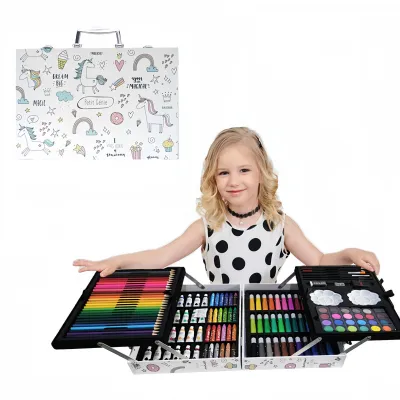
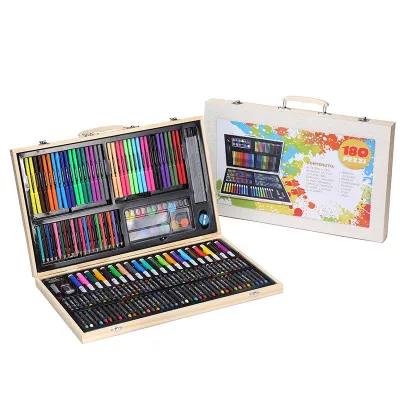
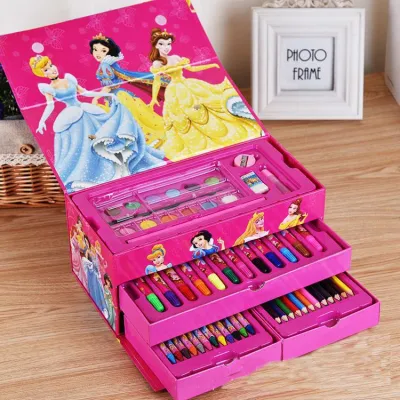
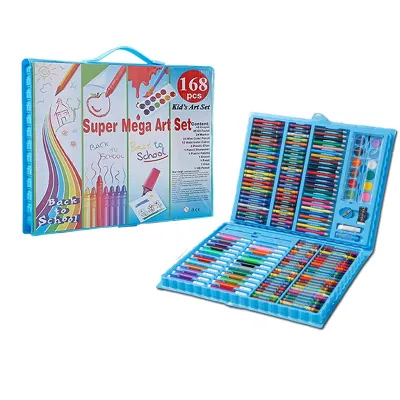
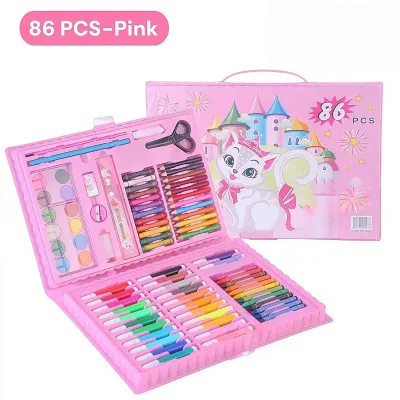
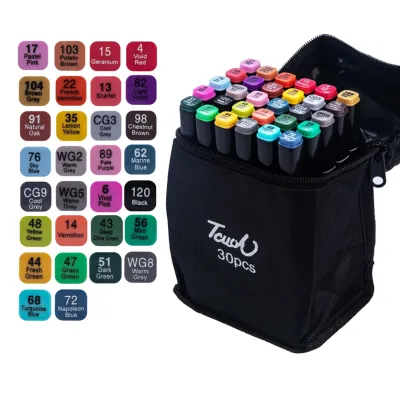
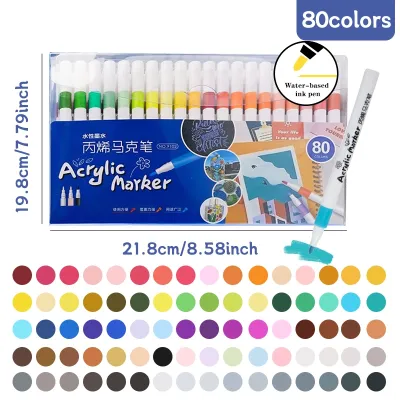
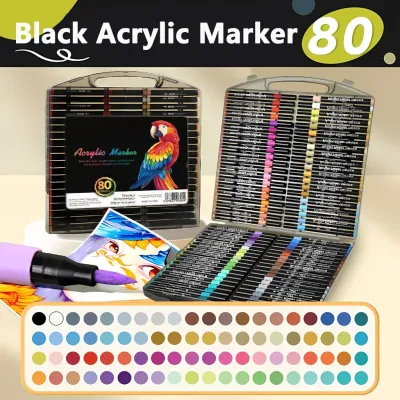
Prices are valid at publication and may change. Please refer to the product page for the latest price.
Essential Components of a Quality Beginner Art Set
A worthwhile art set must contain the core mediums and tools necessary to complete a project from start to finish without requiring immediate extra purchases. For drawing enthusiasts, look for a set that includes a range of graphite pencils (from hard H grades for light guidelines to soft B grades for deep shadows). For painting, a starter set should offer a balanced palette of primary colors, plus black and white, allowing you to learn the fundamentals of color mixing.

Beyond the pigments and pencils, pay close attention to the included tools. A painting kit should feature at least three to four brushes of varying shapes and sizes, such as a flat brush for broad washes and a round brush for detail work. Drawing kits benefit from blending stumps (tortillons) for smooth transitions and a durable sharpener.
Finally, never overlook the surface medium. The best art sets include a small pad of paper or canvas panels specifically matched to the kit’s contents. When reviewing the packaging, check the paper weight label, which is measured in grams per square meter (GSM). Dry drawing mediums require a minimum of 100 to 120 GSM to withstand erasing, while wet mediums like watercolor demand heavy, textured paper of at least 300 GSM to prevent warping and bleed-through under humid tropical conditions.
Red Flags to Avoid in Starter Art Kits
As you compare different options on an online marketplace, learning to spot low-quality kits will save you both money and creative frustration. The most common trap is “toy-grade” pigments, which are often marketed to beginners but lack the necessary binder and pigment concentration. These materials tend to apply chalky, fade quickly when exposed to light, and resist smooth blending. Check the product labels for terms like “highly pigmented” or “student-grade,” and avoid sets that look like children’s toys.
Another major red flag is an inflated piece count. Manufacturers often boast about “150-piece” or “200-piece” sets, but a closer look reveals that the bulk of the count consists of cheap plastic paperclips, flimsy rulers, thin markers that dry out instantly, and low-grade crayons. These filler items add no value to your artistic development and simply take up space.
Lastly, verify that the kit does not omit crucial utility accessories. A painting set without a mixing palette, or a sketching set that lacks a proper kneaded eraser, will force you to make immediate secondary purchases. A high-quality set focuses on a smaller number of reliable, functional tools rather than a mountain of plastic fillers.
Matching the Set to Your Skill Level and Budget
Navigating art supply labels requires understanding the distinction between student-grade and professional-grade products. Student-grade supplies are formulated with more affordable binders and alternative pigments, making them highly accessible and perfect for practicing techniques without worrying about the cost of mistakes. Professional-grade items offer maximum lightfastness and pigment density but come at a premium price that is rarely necessary for a beginner.
When planning your purchase in the Philippines, setting a realistic budget in ₱ is key to finding a satisfying balance. You do not need to spend thousands of ₱ on your very first set; a modest budget of a few hundred to a couple of thousand ₱ is more than enough to secure a reputable student-grade kit. Investing this amount in a focused, high-quality starter set is far better than spending the same amount on a giant, low-quality plastic suitcase of art supplies.
You should also decide between buying an all-in-one boxed set or assembling a custom bundle. Boxed sets offer convenience and curated compatibility, making them excellent gifts or hassle-free entry points. However, if you already know exactly what you want to achieve, purchasing a few individual items—such as a single high-quality sketchpad, three select drawing pencils, and one reliable eraser—can often yield a superior experience for the same budget.
Next Steps After Unboxing Your First Art Set
Once you unbox your new art set, resist the urge to start a complex masterpiece immediately. Begin by testing your materials on a scrap sheet of paper to observe how they behave. Create a simple color chart to see how the paints dry, as some mediums dry darker or lighter than they appear when wet. In warm, humid environments, pay attention to drying times, as high humidity can slow down the drying process of watercolors and acrylics, requiring you to adjust your working pace.
Next, set up a dedicated, comfortable workspace. Ensure you have clear, natural lighting or a bright desk lamp to prevent eye strain and accurately judge colors. If your set includes wet mediums or solvents, work in a well-ventilated area near an open window or fan to maintain a comfortable and safe environment while you create.
Frequently Asked Questions (FAQ)
Is it better to buy a large 100-piece set or a smaller, focused kit?
Smaller, focused kits are almost always better for beginners. Large multi-piece sets often inflate their piece counts with low-quality fillers, cheap plastic accessories, and weak pigments that hinder your progress. A smaller kit concentrates your budget on reliable, student-grade materials that behave predictably, helping you learn proper techniques without unnecessary frustration.
How do I know if the paper included in the art set is good enough?
Check the paper weight printed on the packaging, measured in GSM (grams per square meter). For sketching and drawing, look for paper that is at least 100 to 120 GSM to handle erasing. For wet mediums like watercolors, the paper must be at least 300 GSM; anything lighter will warp, buckle, or bleed through, especially in humid climates.
Should I upgrade my art set immediately if I feel I am improving?
There is no need to replace your entire set all at once. As your skills develop, upgrade your supplies individually based on what you use most. If you find your brushes losing their shape, invest in a couple of high-quality individual brushes. If you run out of a specific paint color, replace it with a professional-grade tube while continuing to use the rest of your student-grade set.
Community discussion
Share your experience or ask a question. Comments are reviewed before publication.