
Choosing your first fountain pen is a highly personal decision that depends on matching the pen’s physical design to your natural writing habits. To find a model that feels comfortable and writes reliably, you must consider how the pen’s weight, barrel diameter, and nib size interact with your hand size, grip style, and daily writing tasks. Prioritizing reliable ink flow, comfortable ergonomics, and straightforward maintenance over complex filling mechanisms or premium decorative materials will ensure a smooth transition into using these classic writing instruments.
While the variety of options can feel overwhelming, understanding a few key physical and mechanical characteristics will help you narrow down the selection. By evaluating your writing style and environmental factors, such as paper quality and local humidity, you can confidently select an entry-level pen that elevates your daily writing experience.
Step 1: Diagnose Your Writing Habits and Grip Style
Before browsing online marketplaces or visiting a local stationery shop, take a moment to observe how you physically hold and use a standard pen. Your natural grip and the pressure you apply to the page dictate which pen materials and weights will feel most comfortable during extended use.
Products mentioned in this guide
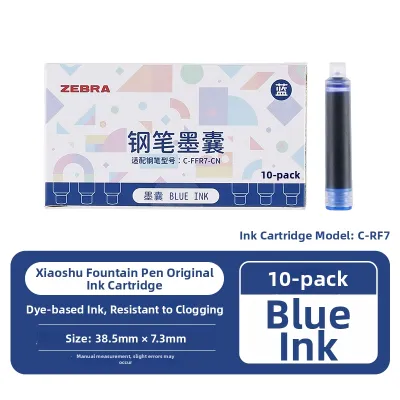
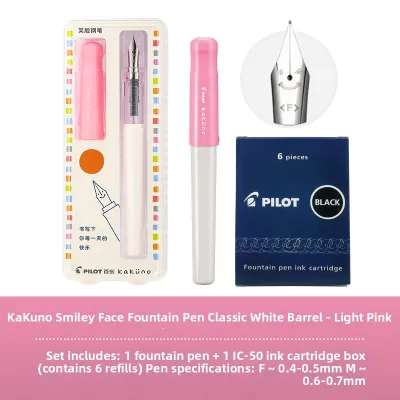
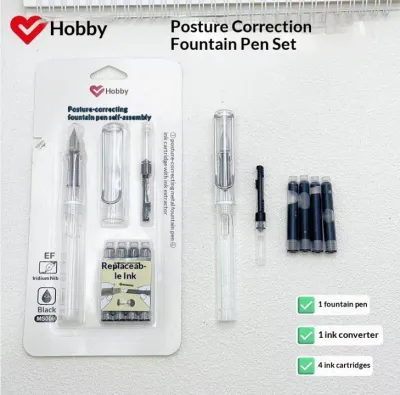
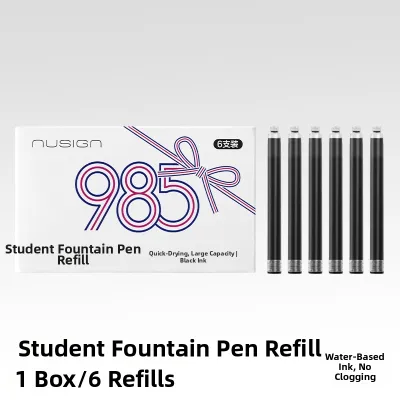
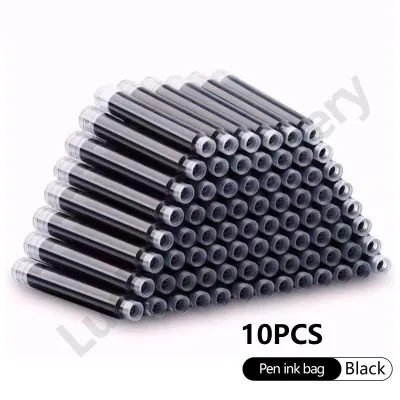
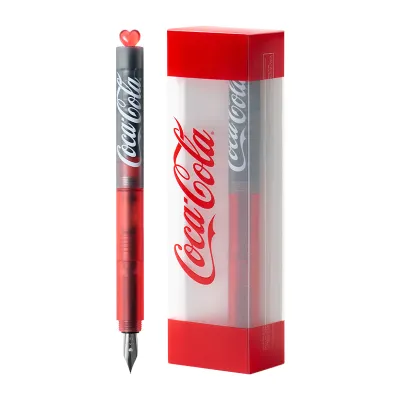
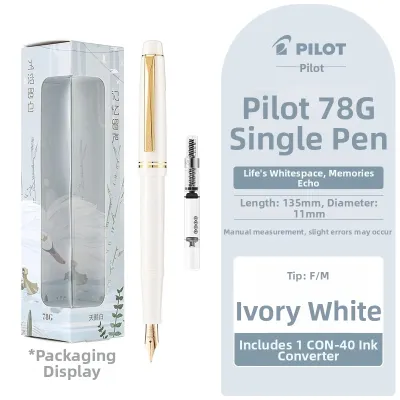
Prices are valid at publication and may change. Please refer to the product page for the latest price.
Assess Your Grip and Writing Pressure
Unlike ballpoint pens, which require downward pressure to roll a metal ball and transfer thick paste ink, a fountain pen relies on capillary action to draw liquid ink onto the page. This means the pen should write under its own weight without requiring you to press down. If you have spent years using ballpoints, you may have developed a tight grip or a habit of applying heavy pressure, which can lead to hand fatigue when transitioning to a fountain pen.
If you naturally grip pens tightly or apply heavy pressure, look for a fountain pen with a textured, matte, or rubberized grip section to prevent your fingers from slipping. A slightly heavier pen made of brass or aluminum can also help train your hand to relax, as the physical weight of the pen body does the work of pressing the nib to the paper. Conversely, if you already write with a light, relaxed grip, a lightweight plastic or resin pen with a smooth finish will glide effortlessly across the page without requiring unnecessary muscular effort.
Evaluate Your Writing Speed and Session Length
Your typical writing tasks play a significant role in determining the ideal balance and ink flow of your first pen. Quick, rapid notes taken during a fast-paced meeting or lecture require a pen that is highly responsive, while long, reflective journaling sessions demand superior ergonomic balance to prevent physical strain.
For long writing sessions, a well-balanced pen is essential to avoid hand cramps. The pen’s center of gravity should rest comfortably in the web of your hand, neither pulling backward nor tipping forward. Fast writers need a pen with a consistent, slightly wet ink flow—often referred to as a wet feed—to ensure the ink keeps up with rapid strokes without skipping or leaving blank gaps. Slower, more deliberate writers can easily use pens with a drier, more controlled ink flow, which can actually help keep their handwriting neat and prevent ink from pooling on the page.
Step 2: Match Pen Dimensions to Your Hand Size
The physical dimensions of a fountain pen must complement your hand anatomy to ensure long-term comfort. A pen that is too slim can cause your fingers to cramp, while a pen that is too thick or heavy can strain your wrist.

Barrel Diameter and Section Grip
The most critical dimension of any pen is the grip section, which is the specific area where your fingers rest while writing. Grip sections vary widely in diameter, shape, and material, and finding the right fit is essential for preventing long-term physical discomfort.
- Larger Hands: Writers with larger hands generally benefit from wider barrels with a grip section diameter of 11mm or more. A thicker grip prevents the fingers from wrapping too tightly around the pen, reducing the likelihood of joint strain.
- Smaller Hands: Writers with smaller hands typically find slimmer pens, with a grip section diameter between 8mm and 10mm, much easier to control and maneuver.
- Grip Contours: Pay close attention to the shape of the grip section. Some entry-level pens feature molded triangular grips designed to guide your fingers into a proper tripod writing posture. While highly beneficial for beginners learning the correct writing angle, these molded grips can feel restrictive if your natural grip style deviates from the standard tripod position.
Pen Weight and Posting the Cap
“Posting” refers to the act of pushing the pen’s cap onto the back of the barrel while writing. This practice is highly convenient because it keeps the cap secure and prevents it from rolling off your desk, but it significantly alters the pen’s overall balance and weight distribution.
Heavier pens made of brass, copper, or thick stainless steel can become excessively back-heavy when posted. This shifting of the center of gravity pulls the front of the pen upward, forcing you to grip the pen tighter to keep the nib on the paper, which quickly leads to hand fatigue. Lighter pens made of resin, acrylic, or thin aluminum are much more forgiving when posted, adding a comfortable amount of length and weight without disrupting the balance. When evaluating a pen, consider whether you prefer the feel of a posted or unposted pen, and verify that the unposted barrel length is sufficient to rest comfortably in the web of your hand if you choose to write without the cap attached.
Step 3: Define Your Intended Use and Nib Size
The nib is the metal tip of the fountain pen that touches the paper, and its size determines the line width and volume of ink deposited on the page. Choosing the right nib size depends on your handwriting style, your primary writing tasks, and the quality of the paper you use daily.
Match Nib Size to Your Daily Tasks
Fountain pen nibs are generally categorized into standard sizes, though it is important to note that Eastern brands (such as Japanese manufacturers) typically produce finer lines than Western brands (such as European manufacturers). A Japanese Medium nib, for example, often writes a line similar in width to a European Fine nib.
- Extra Fine (EF) and Fine (F): These nibs are highly recommended for daily note-taking, small or compact handwriting, detailed margin notes, and filling out standard forms. They lay down a thin, controlled line of ink, making them highly versatile for everyday use.
- Medium (M): Excellent for signatures, personal journaling, and creative writing. Medium nibs offer a smoother, wetter writing experience and allow the unique colors and shading properties of different inks to stand out.
- Broad (B) and Stub Nibs: These specialty nibs are designed for calligraphy, large headings, and artistic projects. Because they lay down a very wide, wet line of ink, they are generally impractical for daily, compact note-taking on standard paper.
Consider Paper Quality and Drying Time
Because fountain pen ink is water-based, its performance is highly dependent on the paper you use. Standard copy paper, which typically ranges from 70gsm to 80gsm, is highly absorbent and acts like a sponge when it comes into contact with liquid ink.
When a wet or broad nib is used on standard, highly absorbent paper, the ink tends to spread sideways along the paper fibers—a phenomenon known as feathering. The ink may also bleed completely through to the other side of the page, rendering the reverse side unusable. Furthermore, in humid environments like the tropical climate of the Philippines, high relative humidity slows down the evaporation of water-based inks. A wet line of ink can take a considerable amount of time to dry, increasing the risk of accidental smudges for fast writers and left-handed individuals. For these reasons, beginners are strongly advised to start with a Fine (F) or Extra Fine (EF) nib, which limits ink volume and performs reliably on standard office paper.
Step 4: Evaluate Filling Systems and Maintenance
All fountain pens require a system to store and deliver ink to the nib. As a beginner, you should choose an ink delivery system that matches your lifestyle and your willingness to perform routine maintenance.
Cartridges vs. Converters
The two most common ink delivery systems for beginner-friendly fountain pens are disposable ink cartridges and reusable converters. Each system offers distinct advantages depending on your writing environment and preferences.
- Disposable Cartridges: These small, pre-filled plastic tubes are the easiest and cleanest option for absolute beginners. To use one, you simply insert the cartridge into the pen's section until the internal seal punctures, and the pen is ready to write. Cartridges are highly portable and convenient for students or professionals who need to swap ink quickly on the go. However, they limit you to the specific ink colors offered by the manufacturer, and proprietary cartridge designs mean you must buy refills that match your pen's brand.
- Converters: A converter is a reusable cartridge containing a mechanical filling system, such as a twist piston or a squeeze bladder. It allows you to draw ink directly from a bottle, opening up a vast world of hundreds of unique ink colors, shading properties, and water-resistant formulas. While using a converter is highly economical and environmentally friendly over time, it requires a bit of practice and involves handling open ink bottles.
Cleaning and Flushing Requirements
To maintain consistent ink flow and prevent clogging, fountain pens require periodic cleaning. Over time, water from the ink can evaporate inside the pen, leaving behind dried dye particles that block the microscopic channels of the feed.
Basic maintenance is simple: every few weeks, or whenever you change ink colors, you should flush the nib and feed with clean, room-temperature water until the water runs completely clear. Beginners should avoid complex vacuum fillers, plunger mechanisms, or integrated piston-filling pens. While these advanced systems hold a large volume of ink, they are significantly harder to disassemble, clean, and troubleshoot if ink is accidentally allowed to dry inside the barrel.
Step 5: Practical Testing and Final Verification
Before finalizing your purchase, it is highly beneficial to conduct a few practical checks to ensure the pen meets your expectations and is free from manufacturing defects.
If you are purchasing your pen from a physical stationery store, ask if a tester model is available. When testing a pen, do not simply write your signature; instead, write continuous figure-eights, long horizontal lines, and rapid crosshatches. This allows you to evaluate the consistency of the ink flow in all directions and check if the nib skips or feels scratchy. Hold the pen in your hand for several minutes without writing to assess its overall weight, balance, and how comfortably the grip section fits your fingers.
When buying online from an e-commerce platform, pay close attention to the product specifications and what is included in the box. Many entry-level pens are packaged with only a single cartridge, meaning you will need to purchase a compatible converter separately if you plan to use bottled ink. Read customer reviews carefully, filtering for mentions of “out-of-the-box” performance, and verify the seller’s return policy in case the pen arrives with misaligned nib tines or flow issues.
Frequently Asked Questions (FAQ)
Do I need to buy an expensive fountain pen to get a good writing experience?
No, you do not need to spend a fortune to enjoy a superior writing experience. Many entry-level fountain pens, ranging from under ₱500 to ₱1,500, offer outstanding, reliable ink flow and durable steel nibs that perform beautifully. Higher price tags, particularly those over ₱1,500, typically reflect premium body materials—such as hand-turned acrylics, natural wood, or precious metals—intricate filling systems, or gold nibs. While gold nibs offer a softer, more springy feel and excellent corrosion resistance, a well-tuned steel nib on a budget-friendly pen can write just as smoothly and reliably for daily tasks.
Can I use any bottled ink in my first fountain pen?
No, you must only use bottled inks specifically formulated and labeled for fountain pens. Never use India ink, calligraphy dip pen ink, drawing inks, or heavily pigmented acrylic inks in a fountain pen. These non-compatible inks contain binders, such as shellac or gum arabic, which dry to a water-resistant finish. If these binders dry inside your pen, they will permanently clog the delicate capillary channels of the feed and ruin the instrument. Stick to water-based fountain pen inks from reputable stationery manufacturers to ensure safe operation and easy cleaning.
Community discussion
Share your experience or ask a question. Comments are reviewed before publication.