
Selecting your first watercolor painting set requires balancing paint quality, brush usability, and paper compatibility to ensure a smooth learning curve. For absolute beginners, the ideal starting point is a student-grade pan set paired with a versatile round synthetic brush and dedicated 300 gsm cold-press paper. This combination provides the necessary control over water and pigment without requiring a significant financial investment.
In tropical climates like the Philippines, high humidity levels can significantly affect how watercolor paints dry and how paper behaves. Choosing the right materials from the start helps prevent common frustrations such as mold growth on damp paper, warping, and muddy color mixing. By focusing on a few essential selection criteria, you can find a high-quality starter kit that supports your creative journey and helps you build solid painting habits.
Understanding Paint Grades: Student vs. Artist
Watercolor paints are generally categorized into two main grades: student-grade and artist-grade. The primary difference lies in the ratio of pigment to binder. Artist-grade paints contain a high concentration of finely ground, pure pigments suspended in a natural binder like gum arabic, resulting in exceptional vibrancy, transparency, and mixing purity. Student-grade paints, on the other hand, utilize more synthetic binders, fillers, and chalks to keep production costs low. While this makes them highly affordable for beginners, it can slightly reduce their transparency and make colors appear somewhat chalky when heavily diluted.
Products mentioned in this guide
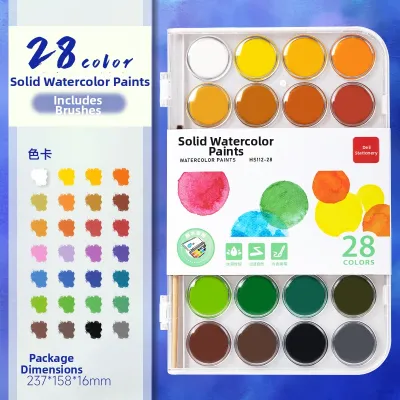
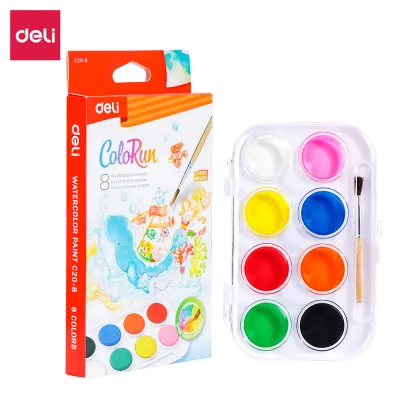
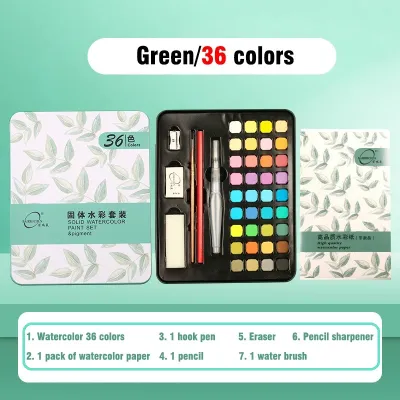
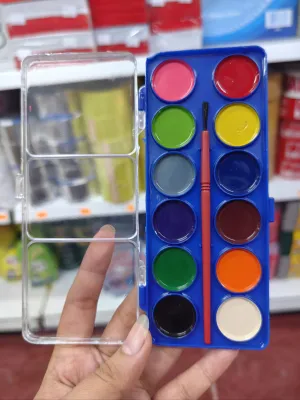
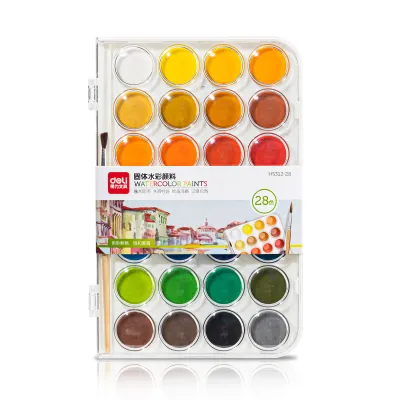
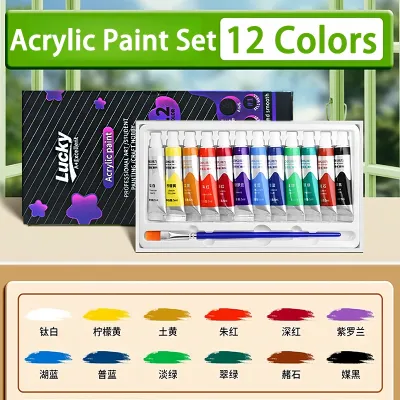
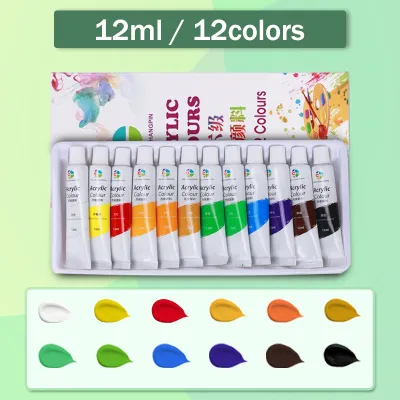
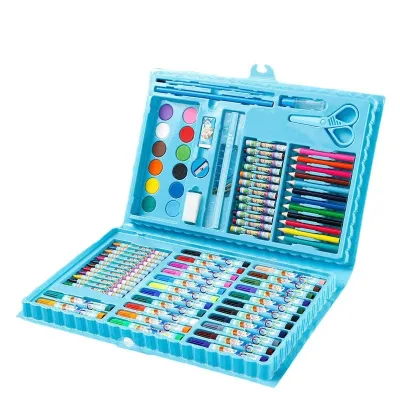
Prices are valid at publication and may change. Please refer to the product page for the latest price.
For those just starting out, student-grade sets are highly recommended. They offer a cost-effective way to practice water control, brush techniques, and basic color theory without the pressure of wasting expensive, professional-grade materials. Modern student-grade paints from reputable manufacturers have improved significantly, offering excellent color payoff and smooth mixing capabilities that are more than adequate for initial skill building.
When evaluating a watercolor set, it is important to look beyond the brand name and check the manufacturer’s labels for quality indicators. Look for sets that list specific pigment codes (such as PB29 for Ultramarine Blue or PY150 for Nickel Azo Yellow) rather than generic color names like “sky blue.” Single-pigment paints mix much more predictably than multi-pigment convenience blends, which can quickly turn muddy on your paper. Additionally, check for lightfastness ratings, which indicate how resistant the paint is to fading when exposed to light. A rating of Class I or II (or an equivalent three-to-four-star rating) ensures your artwork will retain its color for years to come.
You will also need to choose between dry pans (half-pans or full pans) and tubes. Pans are dry cakes of paint that activate when touched with a wet brush, making them highly portable, easy to organize, and excellent for beginners who are still learning to control their water-to-paint ratio. Tubes contain wet, paste-like paint that is ideal for mixing large washes of color, but they can be more challenging to manage and are prone to drying out or molding in humid environments if the caps are not sealed tightly. For most beginners, a dry pan set is the most practical and user-friendly option.
Evaluating the Included Brushes
The brushes included in your watercolor set are your primary tools for manipulating water and pigment on paper. Many cheap starter kits include low-quality brushes with stiff, plastic bristles that scratch the paper surface and fail to hold water. To avoid frustration, look for a set that includes, or can be paired with, high-quality synthetic brushes designed specifically for watercolor painting.

For beginners, the most essential brush shape is the round brush, specifically in a medium size such as a size 6 or size 8. A quality round brush is incredibly versatile; it features a full, round belly that holds a generous amount of water and paint, tapering to a sharp, fine point that allows you to paint delicate details and thin lines. A flat brush, typically half an inch wide, is also useful for laying down broad, even washes of color or creating sharp, geometric edges, but a single versatile round brush is often all you need to get started.
When choosing between synthetic and natural hair bristles, synthetic options made from nylon or polyester blends are generally the best choice for beginners. Synthetic bristles offer excellent “spring”—meaning they return to their original shape quickly after a brushstroke—and are highly durable. They are also much easier to clean and maintain than natural hair brushes, such as sable or squirrel, which are expensive, delicate, and prone to damage if left soaking in water. In warm, humid climates, synthetic bristles also resist degradation better than natural fibers.
Before purchasing, inspect the construction of the brush. Pay close attention to the ferrule, which is the metal sleeve that connects the bristles to the handle. A high-quality brush features a seamless, double-crimped aluminum or brass ferrule that holds the bristles securely in place. Avoid brushes with loose or poorly glued ferrules, as they will wobble during use and shed loose hairs directly into your wet paint washes, which can be difficult to remove without ruining your work. The handle should feel comfortable and balanced in your hand, with a smooth, water-resistant varnish that prevents the wood from swelling or cracking when exposed to moisture.
Checking Paper Quality and Compatibility
Watercolor paper is arguably the most critical component of your painting setup, yet it is often overlooked by beginners. Because watercolor painting relies on heavy applications of water, the paper must be strong enough to absorb moisture without warping, buckling, or tearing. Standard drawing paper, printer paper, and cheap sketchbooks lack the necessary thickness and surface treatment, causing water to pool on the surface and the paper fibers to break apart into small, unsightly pills.
The most important specification to check when selecting watercolor paper is its weight, which is measured in grams per square meter (gsm) or pounds (lb). For successful practice, always choose paper with a weight of at least 300 gsm (140 lb). This thickness provides the structural integrity needed to handle wet-on-wet techniques and multiple layers of paint without severe warping. While lighter papers (such as 190 gsm) are available, they require stretching and taping down to prevent buckling, which adds an extra layer of complexity for beginners.
Paper texture also plays a significant role in how your paint behaves. Watercolor paper is available in three primary textures: cold-press, hot-press, and rough. Cold-press paper has a slightly textured, bumpy surface that is highly forgiving for beginners. The texture helps hold water and pigment in place, allowing for smooth blends and giving you more time to manipulate the paint before it dries. Hot-press paper is completely smooth and dries very quickly, making it excellent for detailed line work and illustration but highly challenging for smooth, even washes. Rough paper has a heavy, pronounced texture that creates dramatic, grainy effects but can be difficult to control. For almost all beginners, cold-press paper is the ideal choice.
When purchasing a watercolor set, verify whether it includes actual watercolor paper or if you need to buy a separate pad. Many starter kits include a few sheets of low-quality paper as a bonus, but these are rarely sufficient for ongoing practice. Investing in a dedicated watercolor paper pad or block made from 100% cotton or high-quality wood pulp (cellulose) will dramatically improve your painting experience. In humid environments, store your paper pads in an airtight plastic bag with a few silica gel packets to protect them from moisture and prevent the internal sizing from degrading over time.
Assessing the Palette and Accessories
The palette is your workspace where you mix colors, dilute paint, and control your water-to-paint ratio. A well-designed palette is essential for keeping your colors clean and organized. When evaluating a starter set, look for a palette with deep, spacious mixing wells. If the wells are too shallow or crowded, wet colors will easily bleed into one another, contaminating your mixtures and creating muddy results.
Palettes are typically made of plastic or metal. Plastic palettes are lightweight, inexpensive, and common in beginner kits. However, brand-new plastic can sometimes cause water and wet paint to bead up on the surface, making it difficult to see the true color of your mixture. You can easily remedy this by gently scrubbing the mixing areas with a mild abrasive cleaner or a pencil eraser before your first use. Metal palettes, often featuring a white enamel coating, offer a smoother mixing surface where paint spreads evenly, and they are highly durable, though they are slightly heavier and more expensive.
Consider the portability and storage features of the kit, especially if you have limited workspace or plan to paint outdoors. A compact, folding design with a secure latch is highly practical. It keeps your paint pans protected from dust, pet hair, and humidity when not in use, and it easily fits into a drawer or bag. Some travel-friendly sets also feature a thumb ring on the bottom of the case, allowing you to hold the palette securely in one hand while painting with the other.
Many beginner watercolor sets come with supplementary accessories, but not all of them are equally useful. A small cellulose sponge is highly practical for dabbing excess water from your brush and controlling moisture levels. A collapsible water cup is another convenient accessory that saves space in your kit. Some sets include masking fluid, which is used to block out areas of the paper to keep them white, but this requires careful application and can easily ruin your brushes if left to dry on the bristles. Focus on kits that prioritize high-quality basic components—paint, brush, and paper—rather than those that bundle numerous low-quality accessories.
Creating Your Purchasing Checklist
To help you navigate the wide variety of options available in local art shops and online marketplaces, use this structured checklist to filter out low-quality products and select a reliable starter set.
Core Requirements Checklist
- Paint Quality: A student-grade pan set containing at least 12 essential colors, with clear pigment codes and lightfastness ratings printed on the packaging.
- Brush: At least one high-quality round synthetic brush (size 6 or 8) with a seamless, double-crimped ferrule and a varnished wooden handle.
- Paper: A dedicated pad of cold-press watercolor paper with a weight of at least 300 gsm (140 lb), preferably acid-free to prevent yellowing over time.
- Palette: A sturdy plastic or metal case with deep, separated mixing wells and a secure closure mechanism.
Red Flags to Avoid
- Unlabeled Pigments: Avoid sets that do not list pigment codes or lightfastness ratings, as these often contain cheap, chalky fillers that dry to a dull, opaque finish.
- Stiff Plastic Brushes: Reject brushes with stiff, shiny plastic bristles that scratch the paper surface and cannot hold water.
- Flimsy Palettes: Avoid ultra-thin plastic palettes that warp easily under light pressure, causing wet paint to spill and mix unintentionally.
- Thin Paper: Do not use paper rated under 200 gsm for watercolor painting, as it will warp and tear almost immediately.
When shopping on ecommerce platforms, compare prices across different sellers to find the best value. Beginner-friendly watercolor sets typically range from ₱400 to ₱1,500 depending on the brand and included accessories. Always factor in shipping costs and check the seller’s return policy to ensure your delicate paper pads and paint pans arrive undamaged and dry. Reading customer reviews can also provide valuable insights into how well the set is packaged for transit.
Frequently Asked Questions (FAQ)
Do I need to buy extra colors immediately?
No, starting with a basic palette of 12 colors is highly recommended for beginners. A limited color selection forces you to learn the fundamentals of color theory and mixing, helping you understand how to create a wide range of vibrant secondary and tertiary tones using only primary colors. Relying on a massive array of pre-mixed convenience colors can hinder your learning progress and make it difficult to achieve color harmony in your paintings. As your skills develop and you identify specific subjects you enjoy painting, such as landscapes or portraits, you can gradually expand your palette with individual tubes of specialized pigments.
Can I use regular drawing paper for watercolors?
No, regular drawing paper is not suitable for watercolor painting and will quickly lead to frustration. Standard sketchbooks and drawing pads typically feature thin paper (often under 120 gsm) that lacks the necessary internal and external sizing to handle water. When exposed to wet washes, this paper will warp severely, cause water to pool unpredictably, and break apart into small paper pills as you move your brush. To achieve clean, predictable results and enjoy the painting process, always invest in dedicated watercolor paper rated at 300 gsm (140 lb) or higher.
Community discussion
Share your experience or ask a question. Comments are reviewed before publication.