
Decorating an abaca bag for souvenir packaging transforms a simple, rustic utility item into a sophisticated, memorable keepsake. To achieve a polished presentation, you must combine the natural, coarse texture of abaca fibers with refined embellishments like satin, grosgrain, or organza ribbons. By mastering precise cutting, secure fastening, and balanced layering, you can create stunning gift packaging suitable for weddings, corporate events, and personal celebrations. This guide provides a comprehensive, step-by-step approach to embellishing abaca bags, ensuring your finished souvenirs look professional, cohesive, and ready for presentation.
Preparing Your Abaca Bag and Decorating Supplies
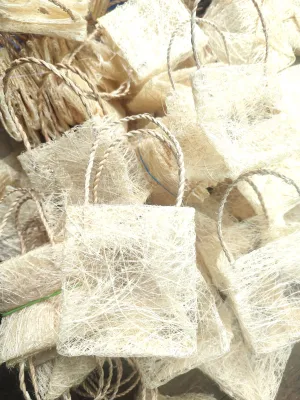
Before applying any decorative elements, you must carefully inspect the base abaca bag to ensure it can support your design. Examine the tightness of the weave, looking for any loose strands, gaps, or uneven patches that might compromise the bag’s structural integrity. A tight, uniform weave provides a stable surface for adhesives and heavy embellishments, while a loose weave may require lighter decorations to prevent sagging. Feel the surface texture to identify any excessively rough fibers that could snag delicate ribbon materials like silk or organza.
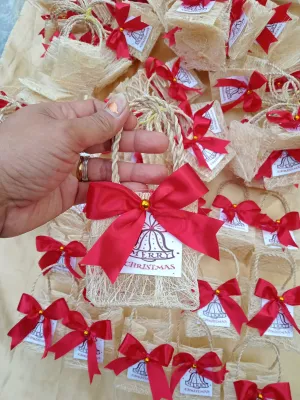
Selecting the right ribbon is crucial for creating a harmonious design that complements the organic appeal of abaca. Satin ribbons offer a smooth, glossy contrast to the matte, textured fibers of the bag, making them excellent for formal events. Grosgrain ribbons provide a ribbed texture that grips the abaca surface well, offering a more structured and modern look. For a soft, romantic aesthetic, consider organza or cotton lace, which allow the natural golden-brown hue of the abaca to peek through the translucent fabric.
Products mentioned in this guide
![[READ DESCRIPTION] PartySuite Local 10 Pieces Abaca Souvenir/ Giveaway Bag](https://img.lazcdn.com/g/p/603afad0fb76cd7b51d57de7c235b99d.jpg_400x400q80.jpg_.webp)
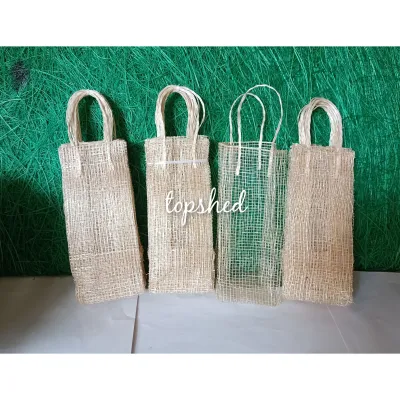
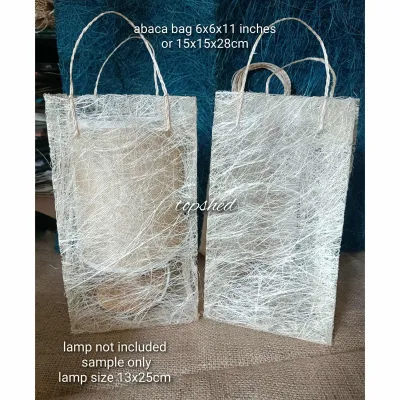
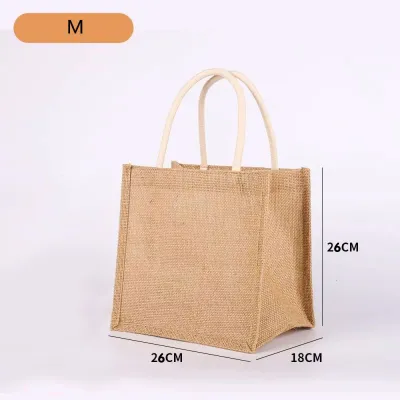
Prices are valid at publication and may change. Please refer to the product page for the latest price.
Gathering the proper tools beforehand ensures a smooth crafting process and prevents damage to your materials. You will need sharp fabric scissors to make clean cuts without fraying, a flexible measuring tape to plan your layouts, and temporary securing pins to test placements. For fastening, prepare fabric-safe adhesives, low-temperature glue guns, or thin floral wire. When planning your budget in ₱ per souvenir, sourcing these materials in bulk can significantly reduce your overall costs.
Step-by-Step Guide to Attaching Ribbons and Bows
Achieving a professional finish requires precision when measuring, cutting, and securing your ribbons to the textured abaca surface. Start by wrapping your measuring tape around the specific area of the bag you wish to decorate, such as the base of the handles or across the center panel. Always add a small allowance of about two to three centimeters to your measurement to account for folding, overlapping, or wrapping around the edges. Cut the ribbon cleanly at a sharp angle using your fabric scissors to prevent immediate fraying.

Securing flat ribbons smoothly across a textured abaca surface requires care to prevent unsightly wrinkling, bubbling, or shifting. Because abaca is highly porous and uneven, standard liquid glues can easily seep through the weave, leaving stiff, dark stains on both the bag and the ribbon. To avoid this, apply a thin, even layer of specialized fabric glue or double-sided fabric tape directly to the ribbon first, rather than the bag. Press the ribbon firmly onto the abaca, smoothing it from the center outward to ensure complete contact with the raised fibers.
When positioning your main bow, aim for visual balance that enhances the bag’s natural proportions rather than overwhelming them. Placing a large bow directly at the center of the bag’s front panel creates a bold, classic focal point, while positioning a smaller bow at the base of one handle offers an asymmetrical, modern look. Use temporary pins to test different placements, viewing the bag from a distance to check its symmetry and overall visual weight before permanently securing the bow.
Creating Classic Hand-Tied Bows
A classic hand-tied bow is the foundation of elegant souvenir packaging, offering a timeless look that never goes out of style. To begin, cut a length of ribbon approximately thirty to forty centimeters long, depending on your desired loop size. Fold the ribbon to form two equal-sized loops, often referred to as “bunny ears,” ensuring the shiny or patterned side of the fabric faces outward. Cross the right loop over the left loop, tuck it through the central opening underneath, and pull both loops gently to form a basic knot.
Once the basic knot is formed, carefully adjust the loops and tails to achieve perfect symmetry and proportion. Hold the central knot firmly with one hand while gently pulling the loops to enlarge them, or pulling the tails to shrink them. Ensure the loops are equal in size and that the tails hang at a natural, graceful angle. To prevent the ribbon from fraying over time, trim the ends of the tails at a clean forty-five-degree angle, or fold the tail in half vertically and cut upward at an angle to create a classic V-cut.
Finish the bow by fluffing the loops to give them a three-dimensional, voluminous shape. If you are using satin or grosgrain, gently insert your fingers into the loops and round them out to remove any flat spots or creases. For wired ribbons, shape the edges into soft curves that hold their form even during handling. A well-fluffed bow adds a sense of luxury and care, showing your recipients that every detail of the souvenir was thoughtfully crafted.
Adding Layered or Multi-Ribbon Accents
Layering different ribbons is an excellent way to add depth, texture, and color contrast to your abaca bag souvenirs. Start by selecting a wide, solid-colored ribbon to serve as your base, such as a thick cream-colored grosgrain or a rustic burlap strip. Pair this with a narrower, contrasting accent ribbon, such as a thin metallic gold satin or a delicate patterned ribbon. The contrast between the wide, textured base and the narrow, shiny accent creates a visually rich design that elevates the entire presentation.
To manage bulk and ensure clean lines, align the edges of your ribbons and secure them together before attaching them to the bag. Lay the wider base ribbon flat on your workspace, center the narrower ribbon on top of it, and use a tiny dab of fabric glue or a thin strip of double-sided tape to bond them together. This prevents the ribbons from sliding or separating during assembly, making it much easier to tie them into a cohesive bow or wrap them smoothly around the bag’s handles.
When working with multiple ribbons, always balance the visual weight so the decorations do not overwhelm the natural beauty of the abaca fibers. The goal of embellishing an abaca bag is to enhance its organic, tropical charm, not to hide it completely under layers of fabric. Keep your color palette cohesive, matching the ribbons to the theme of your event, and ensure that a generous portion of the raw abaca weave remains visible to preserve the bag’s authentic, handcrafted identity.
Enhancing the Design with Complementary Decorative Elements
To elevate your abaca bag souvenirs even further, consider integrating complementary decorative elements that add a personalized touch. Dried botanicals, such as lavender sprigs, baby’s breath, or local dried grass, pair beautifully with the rustic texture of abaca and add a subtle, natural fragrance. You can also slide polished wooden beads onto the ribbon tails, tie a rustic jute twine around the handles, or attach a custom-printed cardstock gift tag featuring the event date and a thank-you message.
When adding these extra elements, careful placement is essential to maintain both the aesthetic appeal and the functionality of the bag. Avoid placing bulky decorations near the bag’s opening or handles, where they might interfere with opening the bag or carrying it comfortably. Instead, tuck dried flowers or tags directly behind the central knot of your bow, allowing them to fan out gracefully without obstructing the bag’s utility. This keeps the design compact, organized, and visually striking.
Selecting the right attachment method for mixed materials ensures that your decorations remain secure during transport and handling. Use thin, flexible floral wire to bind dried flowers together before securing them to the bow’s knot, as wire provides a strong hold without the mess of liquid adhesives. For lightweight elements like paper tags or wooden beads, threading them onto jute twine or a thin ribbon tail is often the most secure and visually appealing option. This ensures that every element of your carefully crafted souvenir arrives intact.
Final Inspection and Presentation Tips
Before distributing your decorated abaca bags to guests or clients, conduct a thorough final inspection to ensure quality and durability. Gently tug on each ribbon, bow, and decorative element to verify that the adhesive or knot is holding securely. If any part feels loose, reinforce it immediately with an extra dab of fabric glue or a tight wire twist. Check for any visible glue residue, stray threads, or uneven ribbon cuts, trimming away any imperfections with your sharp fabric scissors.
Next, verify that your decorations do not interfere with the practical use of the bag. Open and close the bag fully to ensure the ribbons do not restrict the opening or limit the interior capacity. If the bag features a zipper or a button closure, test it multiple times to confirm that no fabric or decorative elements get caught in the mechanism. A beautiful souvenir must also be functional, allowing your guests to reuse the abaca bag long after the event has concluded.
Proper storage and transportation are vital to keeping your finished souvenirs looking pristine, especially in tropical climates where humidity can affect materials. Store the decorated bags in a cool, dry room away from direct sunlight, which can fade the ribbon colors and dry out the abaca fibers. Avoid stacking the bags directly on top of one another, as this can crush the bows and wrinkle the ribbons; instead, line them up vertically in sturdy storage boxes. When transporting them to your venue, pack them snugly to prevent shifting, ensuring they arrive looking as fresh and polished as the moment you finished making them.
Frequently Asked Questions (FAQ)
Can I use hot glue on abaca bags without damaging the fibers?
Yes, you can use hot glue on abaca bags, but you must use a low-temperature glue gun and apply it with caution. High-temperature hot glue can melt synthetic ribbon materials and create a messy, uncontrollable flow that seeps through the porous abaca weave, leaving hard, unsightly yellow patches. Always test your glue on a small, hidden area of the bag first to observe how the fibers react. To prevent seepage, apply the glue sparingly to the ribbon or accessory first, let it cool for a couple of seconds, and then press it gently onto the abaca surface.
What ribbon width works best for standard-sized souvenir abaca bags?
The ideal ribbon width depends on the overall dimensions of your abaca bag and the style of decoration you want to achieve. For standard-sized souvenir bags (approximately 20 by 20 centimeters), a ribbon width of 2.5 to 4 centimeters (about 1 to 1.5 inches) works best for creating balanced, prominent bows. If you are wrapping the handles or adding delicate borders, a narrower ribbon of 1 to 1.5 centimeters is much easier to manipulate. Consider the visual weight of the material as well; heavy fabrics like thick burlap require wider dimensions to look proportional, while light fabrics like organza can be layered to build volume.
Community discussion
Share your experience or ask a question. Comments are reviewed before publication.