
Custom sticky notes serve as highly effective tools for branding, office organization, and personalized gifts. Whether you are running a local business in Manila, organizing a corporate seminar, or designing unique merchandise for an online store, creating these items from scratch allows you to control every detail. However, transitioning a digital design into a physical pad of sticky notes requires careful planning, especially when dealing with tropical humidity that can affect paper behavior and adhesive performance.
Designing and ordering custom sticky notes involves a series of technical decisions, from selecting the right paper weight to preparing print-ready files and choosing a reliable manufacturer. By understanding the production process, you can avoid common pitfalls such as misaligned prints, weak adhesives, or bleeding ink. This guide walks you through the entire journey of creating custom sticky notes, ensuring your final product is both functional and visually striking.
Define Your Purpose and Specifications
Before opening any design software, you must define the physical characteristics of your sticky notes based on how they will be used. The most common shape is the standard square, typically measuring 3×3 inches, which offers a balanced area for quick notes and fits neatly on most desks. Rectangular options, such as 3×4 or 3×5 inches, provide more writing space for detailed lists, while smaller sizes work well as page markers.
Products mentioned in this guide
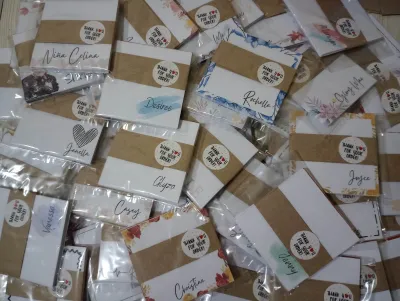
144 Lazada user ratings
Seller was very responsive and easy to talk to. Orders were made fast with good quality. Perfect gift for friends and family for the holiday…Read full reviewShow less
Seller was very responsive and easy to talk to. Orders were made fast with good quality. Perfect gift for friends and family for the holidays. Packaged well and delivered fast.
Ordered: Oct. 10 Received: Oct. 11 Well-packed 👍 Accommodating Seller 👍 Beautiful floral designs. High-quality paper material. Cute and aest…Read full reviewShow less
Ordered: Oct. 10 Received: Oct. 11 Well-packed 👍 Accommodating Seller 👍 Beautiful floral designs. High-quality paper material. Cute and aesthetic design. THANK YOU Seller 😊
Fast shipping and good packaging, Ideal for personal or professional use, Madaling kausap si seller. Thank you also for the freebie!
Seller is responsive & packed the items well. Seller also sent some freebies. I will buy again. Thanks seller!
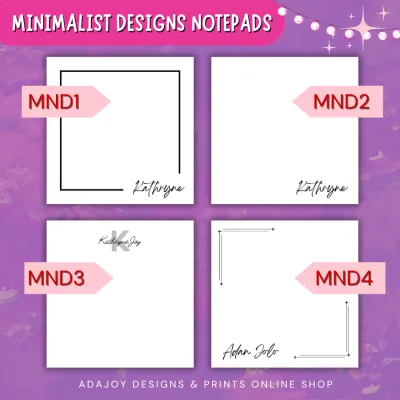
16 Lazada user ratings
maayos kausap at nung nirequest ko to do earlier deluvery than the original date nasunod. i highly recommended itong shop na to as this ia i…Read full reviewShow less
maayos kausap at nung nirequest ko to do earlier deluvery than the original date nasunod. i highly recommended itong shop na to as this ia i think is professional at customer oriented seller. kudos
Followed the design that I said. Also shipped fast even though seller is from Ilocos. Easy to communicate with seller.
1 Lazada user ratings
ok naman, manipis lang based sa photos na naka post. tapos hindi lahat nalagyan nila ng plastic packaging na for protection sana sa paper. n…Read full reviewShow less
ok naman, manipis lang based sa photos na naka post. tapos hindi lahat nalagyan nila ng plastic packaging na for protection sana sa paper. nakakalungkot lang kasi ipang gift sana tapos walang plastic. hindi lang comfortable ipang gift na ganon ang itsura.
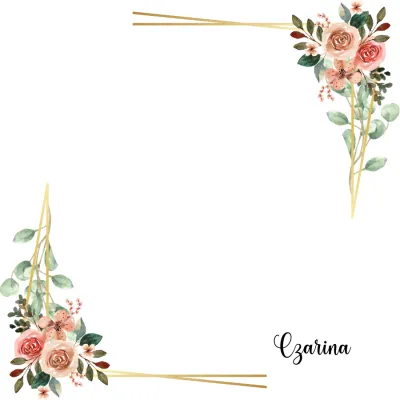
79 Lazada user ratings
Variety of designs to choose from, Convenient and portable, Perfect size for notes, Ideal for personal and professional use, Great for givea…Read full reviewShow less
Variety of designs to choose from, Convenient and portable, Perfect size for notes, Ideal for personal and professional use, Great for giveaways and souvenirs, Customizable for special requests,
Excellent as gifts, Customizable for special requests, Variety of designs to choose from, Perfect size for notes, Great for giveaways and so…Read full reviewShow less
Excellent as gifts, Customizable for special requests, Variety of designs to choose from, Perfect size for notes, Great for giveaways and souvenirs,
ang bilis ng processing. napaka accommodating pa ng seller with my request. Natuwa ako sa order ko kaya next time ulit. thank you po
Perfect size for notes, Beautiful floral designs, Great for giveaways and souvenirs, Customizable for special requests,
Quality:Very Good

7 Lazada user ratings
Quality: high quality print, vibrant colours Design and print are as advertised. Fast delivery even if its holiday season.
Quality: high quality print, colors are vibrant Design and print are as advertised.
Quality: high quality print, vibrant colors Design and print are as advertised.
Very good, i will order again next time
4 Lazada user ratings
cute though printed name is a little small
Prices are valid at publication and may change. Please refer to the product page for the latest price.
If you want your brand to stand out, custom die-cut shapes—such as circles, speech bubbles, or custom silhouettes—are highly engaging. However, keep in mind that die-cut designs require specialized cutting blades, which increases production costs and setup times. Additionally, complex shapes with sharp, narrow corners can easily bend or tear when peeled from the pad, so it is best to keep the outer contours relatively simple.
The weight and finish of the paper directly influence the writing experience. Most standard sticky notes use paper weights ranging from 70 gsm to 80 gsm, which is thick enough to prevent most ballpoint and gel inks from bleeding through while remaining flexible. To ensure the paper texture matches your expectations, ask potential suppliers for a sample kit or swatch book. This allows you to test how different pens write on the surface and check if the paper has an uncoated finish that absorbs ink quickly without smudging.
Adhesive quality is another critical factor, particularly in warm, humid climates where moisture in the air can weaken standard glues. You need to decide between standard low-tack adhesive, which is designed for clean removal from paper and computer monitors, and high-tack adhesive, which holds better on textured surfaces like plastic, wood, or painted walls. Requesting samples to test on your target surfaces is the most reliable way to verify that the notes will stay in place without leaving a sticky residue behind when peeled off.
Design the Layout and Artwork
Creating a successful design requires preparing your digital files according to commercial printing standards. Start by obtaining a design template from your chosen printer, which will have pre-configured lines for the bleed, trim, and safe zones. The bleed zone, usually extending 1.5 mm to 3 mm beyond the final cut line, ensures that your background colors or patterns run all the way to the edge without leaving unsightly white borders if the cutting machine shifts slightly.

The trim line represents the actual edge of the finished sticky note, while the safe zone is an inner boundary—typically 3 mm inside the trim line—where all critical text, logos, and essential design elements must remain. Placing text too close to the trim line risks having it cut off during the high-speed trimming process.
Color management is crucial for achieving accurate print results. Digital screens display colors using the RGB (Red, Green, Blue) spectrum, whereas commercial printers use CMYK (Cyan, Magenta, Yellow, Key/Black) inks. You must convert your design document to the CMYK color space before designing to avoid unexpected color shifts, as bright neon colors on your screen can appear dull or muddy when printed. Additionally, ensure all raster images, such as logos or photos, have a minimum resolution of 300 DPI (dots per inch) at their actual print size to prevent pixelation and blurriness.
When planning your layout, remember that the adhesive strip is typically applied along the top edge of the back of each sheet. Avoid placing heavy ink coverage, dark backgrounds, or critical text directly over this area on the front side, as the pressure from the adhesive application can sometimes cause ink transfer or make it difficult to write on that section. Keep the main writing area light in color, using subtle grid lines, dots, or blank space, and position your branding or decorative elements along the bottom or side margins.
Choose a Printing Method and Supplier
Selecting the right printing method depends largely on your budget and the total quantity you plan to order. Digital printing is ideal for short runs, typically under 500 pads, because it requires minimal setup and allows for quick turnaround times. While the unit cost per pad is higher with digital printing, it is a cost-effective way to test a design or produce limited-edition merchandise without a large upfront investment.
For larger bulk orders, offset printing is the industry standard. This method uses custom metal plates to transfer ink onto the paper, resulting in exceptional color accuracy, sharp details, and a significantly lower unit cost as your order volume increases. However, offset printing involves high initial setup costs and longer production times, making it less suitable for small batches.
When evaluating potential suppliers, look beyond just the price per unit. Consider their communication speed, the clarity of their proofing process, and their estimated production timelines. A reliable supplier will readily provide physical or digital proofs and explain their minimum order quantities (MOQs), which can range from 50 pads for digital printing to 1,000 pads or more for offset runs.
Calculate the total investment by factoring in all costs, including setup fees, shipping charges, and local taxes. For example, an order of 100 pads might cost ₱80 per pad, while an order of 1,000 pads might drop the price to ₱30 per pad. Evaluate these volume tiers against your actual distribution needs and storage capacity to determine the most economical choice for your project.
Review Proofs and Place the Order
Before authorizing mass production, you must carefully review the digital proof provided by the printer. This proof is a digital representation of how your design will look after printing and cutting. Use a systematic pre-flight checklist to inspect the proof: verify that all spelling is correct, confirm that the logo alignment is centered, check that the crop marks align with your intended dimensions, and ensure that no text has shifted into the safe zone.
For large or high-value orders, it is highly recommended to request a physical proof, even if it requires an additional fee. A physical proof is a single, fully manufactured sample pad that allows you to evaluate the actual paper texture, test the adhesive strength on various surfaces, and verify that the printed colors match your brand guidelines under natural light. This step is the ultimate safeguard against costly printing errors.
Once you are satisfied with the proof, review the supplier’s purchasing agreement and shipping terms. Clarify the expected delivery schedule, especially if you have a hard deadline for an event or product launch. Additionally, ensure you understand the supplier’s policy regarding manufacturing defects; a reputable printer should offer clear terms for reprints or refunds if the delivered sticky notes suffer from severe cutting misalignment, incorrect colors, or failed adhesive.
Inspect and Store Your Custom Sticky Notes
When your shipment arrives, do not simply store the boxes away. Conduct a random quality inspection by opening several boxes and pulling sample pads from the top, middle, and bottom of the packaging. Check for consistent cutting alignment across the pads, verify that the colors are uniform throughout the batch, and test the adhesive by peeling a few sheets and sticking them to different surfaces to ensure they hold firmly without curling.
Proper storage is essential for maintaining the quality of your custom sticky notes, particularly in tropical environments characterized by high humidity and temperature fluctuations. Store the pads in a cool, dry place, ideally in an air-conditioned room or inside airtight plastic containers with silica gel packets to absorb excess moisture. Keep them away from direct sunlight, drafty areas, and heat sources, as excessive heat can dry out the water-based adhesive or cause it to become overly sticky and ooze onto adjacent sheets.
If you discover any manufacturing defects during your inspection, document them immediately. Take clear, well-lit photographs and videos showing the specific issues, such as misaligned cuts, ink smudges, or weak adhesive, and contact your supplier right away. Providing organized photographic evidence promptly makes it much easier for the supplier to investigate the issue and arrange for a replacement batch or a refund according to your agreement.
Frequently Asked Questions (FAQ)
What file formats do printers usually accept for custom sticky notes?
Printers generally prefer vector-based file formats such as PDF, AI, or EPS. Vector files preserve the mathematical lines of your artwork, allowing text and logos to remain perfectly sharp at any scale. If you must use raster-based files like PSD, TIFF, or high-quality JPEG, ensure they are saved at a minimum resolution of 300 DPI in the CMYK color mode to prevent blurry or pixelated prints.
Can I order custom sticky notes with multiple designs in one batch?
Yes, many printers allow you to split a single order across multiple designs, but this often incurs additional setup or plate-change fees. For digital printing, splitting designs is relatively simple and inexpensive. For offset printing, however, each unique design requires its own set of printing plates, which can significantly increase the overall cost, so it is best to clarify these fees with your supplier beforehand.
How do I test if the adhesive is strong enough for my specific use case?
To test the adhesive, request a sample pad from your supplier and apply individual sheets to the actual surfaces where they will be used, such as laptop lids, whiteboards, or paper documents. Leave the notes in place for 24 to 48 hours under normal environmental conditions, observing whether the corners curl or if the sheet falls off. A quality adhesive should peel away cleanly without leaving any sticky residue or tearing the underlying surface.
Community discussion
Share your experience or ask a question. Comments are reviewed before publication.