
A buy 1 take 1 record book promotion looks like an instant win for your budget, but the actual value depends entirely on whether the paper, binding, and page count match standard-priced alternatives. To spot genuine savings, you must look past the promotional banner and calculate the cost per usable page while verifying that the physical construction can withstand daily use. If a bundle forces you to write on thin, bleeding paper or leaves you with falling pages, the “free” second book quickly becomes an expensive inconvenience.
The True Cost of a Record Book Buy 1 Take 1 Promotion
Evaluating a promotional bundle requires looking at the total transaction cost rather than the word “free.” Many shoppers assume a buy 1 take 1 deal automatically slashes their stationery expenses in half. However, smart purchasing starts by comparing the total bundle price against the regular retail price of a single, equivalent-quality record book from a trusted brand.
Sellers sometimes inflate the base price of the primary item to offset the cost of the second book. For instance, if a standard high-quality record book normally costs ₱80, but a promotional “buy 1 take 1” bundle is priced at ₱140, you are not actually getting a free book. Instead, you are paying a heavily marked-up price for the first item, reducing your actual savings to a fraction of what was advertised.
Products mentioned in this guide
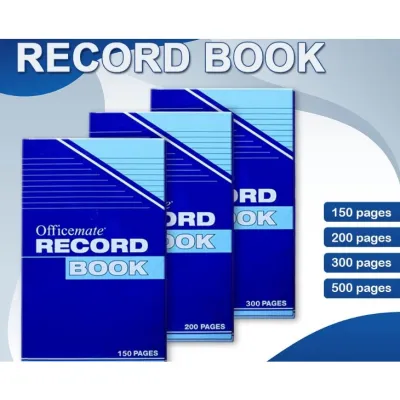
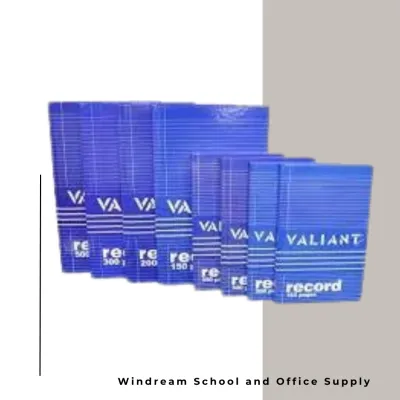
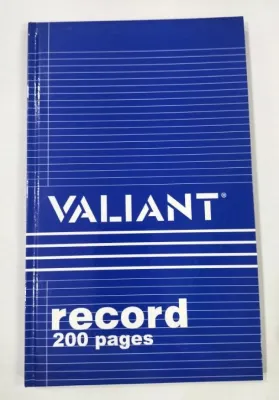
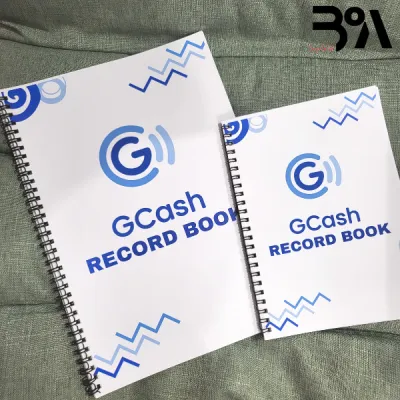
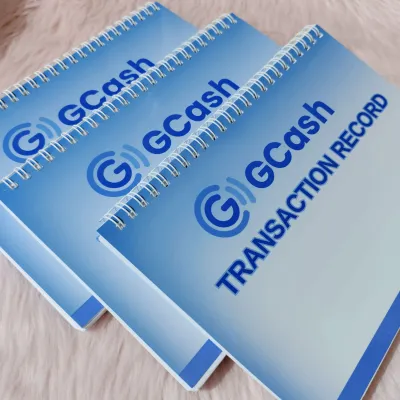
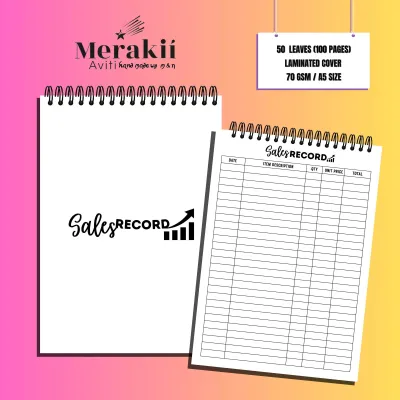
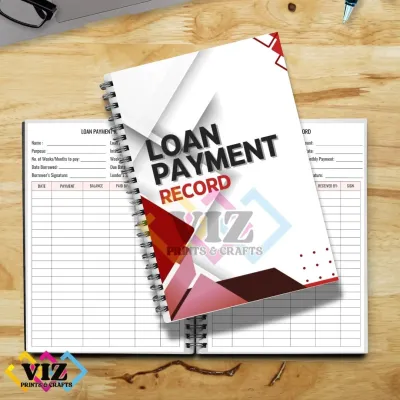
Prices are valid at publication and may change. Please refer to the product page for the latest price.
The core decision rule for any promotional stationery purchase is simple: a bundle deal is only valuable if the physical specifications of both books fully meet your daily writing or recording needs. If you require durable ledger books for business accounting, accepting two flimsy, low-grade notebooks just because they are bundled together is a waste of money. Every sheet must perform to your standards, or the unused second book will simply sit on a shelf gathering dust.
Key Specifications to Compare Before Checkout
To ensure that promotional record books deliver the same utility as their regular-priced counterparts, you must inspect their physical attributes. Manufacturers often adjust production specifications for promotional runs, making a close inspection of the product details essential before you head to the cash register or click the checkout button.

Page Count and Paper Weight
- Understanding Leaves versus Pages: Always check the exact page count listed on the cover or product description, making sure to distinguish between total pages and actual leaves. A "leaf" refers to a single sheet of paper, which contains two writable pages (front and back). Some promotional books prominently display "160 Pages" on the cover, which sounds substantial but actually translates to only 80 leaves. If you fail to verify this distinction, you might accidentally purchase half-capacity books that run out of space far sooner than expected.
- Verifying Paper Weight (GSM): Paper weight, measured in grams per square meter (gsm), directly dictates how the paper behaves under different writing instruments. Standard office record books typically feature paper weights ranging from 55 gsm to 70 gsm or higher. For daily writing with standard ballpoint pens, a lighter 55 gsm paper may suffice, but gel pens, rollerballs, and fountain pens require at least 70 gsm to prevent ink from feathering or bleeding through to the other side. Before buying a bundle, check the paper weight specification to ensure it matches your preferred writing tools.
- Testing for Ink Compatibility: If you are shopping in a physical store, feel the texture of the paper between your fingers. High-quality paper feels smooth and consistent, whereas lower-grade promotional paper often feels rough, fibrous, or unusually thin. Smooth paper allows pen tips to glide effortlessly, reducing hand fatigue during long writing sessions and ensuring that ink dries evenly without spreading across the fibers.
Binding Durability and Cover Material
- Assessing Binding Types: The method used to hold the pages together determines how long the record book will remain intact under heavy use. Stitched or thread-bound bindings are generally the most durable, allowing the book to lay relatively flat when open without putting excessive stress on the spine. Glued or perfect-bound books are common in budget promotions, but low-quality adhesives can dry out and crack, causing individual pages to fall out. Spiral or wire-bound books offer excellent lay-flat capability but can snag on clothing or bag linings during transport.
- Evaluating Cover Materials: A record book's cover protects your valuable notes from physical damage and environmental wear. Look for thick, rigid paperboard, hardbound covers, or water-resistant plastic-coated covers. In tropical climates with high humidity, thin paper covers easily absorb moisture from the air, leading to warping, curling corners, and structural softening. A sturdy hardbound cover acts as a portable writing surface and keeps the inner pages crisp and flat, even when stuffed inside a crowded backpack.
- Checking Spine Reinforcement: Examine the spine of the book for extra reinforcement, such as bookbinding tape or double stitching. A reinforced spine prevents the cover from separating from the page block when the book is repeatedly opened and closed. If the spine feels loose or shows visible gaps between the paper and the outer cover, the book is highly likely to fall apart after a few weeks of active record-keeping.
Common Quality Traps in Bundle Promotions
Promotional bundles are highly effective marketing tools, but they sometimes serve as a way for manufacturers and retailers to clear out substandard or compromised inventory. Recognizing these common quality traps will help you avoid spending money on products that fail to deliver long-term utility.
One of the most frequent traps is “shrinkflation” disguised as a discount. A manufacturer might produce a special run of record books specifically for a buy 1 take 1 promotion. While the cover design and dimensions look identical to the standard retail version, the promotional book may contain only 50 leaves instead of the standard 80 leaves. You end up paying for two thin books that combined barely equal the capacity of one standard book, completely erasing any perceived financial advantage.
Another common compromise is the use of downgraded paper stock. To maintain profit margins during a two-for-one sale, a manufacturer might swap out high-grade, bleed-resistant paper for a cheaper, lower-density alternative. This downgraded paper often suffers from severe “ghosting”—where writing on one side is highly visible on the reverse—effectively forcing you to write on only one side of each page. This cuts your usable writing space in half, turning an apparent bargain into a frustrating limitation.
Flimsy bindings and ultra-thin covers are also hallmark signs of a low-quality promotional run. If the manufacturer uses cheap hot-melt glue instead of proper stitching, the pages will begin to loosen the moment you try to press the book flat to write near the margins. A book that loses its pages defeats the entire purpose of keeping permanent records, making these cheap bundles a liability for students and professionals alike.
Finally, watch out for deceptive bundles where the “free” item is not an identical record book but a completely different, lower-tier product. Retailers sometimes pair a decent record book with a cheap, slow-moving clearance item like a thin notepad, a low-quality plastic folder, or outdated stationery stock. Always read the fine print of the promotion to confirm that you are actually receiving two identical, high-quality record books rather than one good book and one piece of useless warehouse clutter.
How to Calculate the Real Per-Page Value
To cut through marketing hype, you need an objective way to measure value. The most reliable method is to calculate the cost per usable page in ₱, allowing you to compare promotional bundles directly against standard, single-item purchases.
To find this metric, use a simple formula: divide the total price of the purchase by the total number of usable leaves or pages provided. For example, if a buy 1 take 1 bundle costs ₱120 and contains two books with 80 leaves (160 pages) each, you are receiving a total of 160 leaves (320 pages). Dividing ₱120 by 160 leaves gives you a cost of ₱0.75 per leaf. If a single, high-quality standard book costs ₱80 and contains 100 leaves, the cost is ₱0.80 per leaf. In this scenario, the bundle offers a genuine, albeit modest, discount per leaf.
However, you must also factor in the usable writing area of those pages. Some record books feature excessively wide margins, oversized pre-printed headers, or highly restrictive ruling that limits how much information you can actually fit on a single sheet. If a promotional book has massive margins that waste 30% of the page surface, your actual cost per square centimeter of writing space is much higher than the raw page count suggests.
Using this per-page calculation helps you decide if buying two lower-tier promotional books is truly better than investing in one premium, regular-priced notebook. If the premium notebook costs slightly more per page but features thick, bleed-resistant paper that lets you comfortably write on both sides of every leaf, it delivers far better long-term utility than two cheap promotional books that limit you to writing on only one side due to severe ink bleed-through.
Pre-Purchase Checklist for Online and In-Store Deals
Before finalizing your purchase, take a few moments to run through a quick verification checklist. This ensures you do not encounter hidden costs or receive mismatched products that fail to meet your expectations.
- Verify the Final Checkout Total: When shopping on an online marketplace or ecommerce platform, promotional discounts can easily be wiped out by high shipping fees or packaging surcharges. Ensure that the buy 1 take 1 discount is fully applied in your digital cart and that you do not have to add expensive filler items just to meet a high minimum spend threshold for the promotion to activate.
- Review the Return and Exchange Policy: Always check the seller's terms regarding defective items, especially when buying promotional bundles. Some retailers mark promotional items as "final sale" or "non-returnable." Ensure you have the right to exchange the books if you discover manufacturing defects such as misprinted lines, upside-down pages, or split bindings upon opening the package.
- Confirm the Exact Bundle Contents: Double-check that the bundle includes matching sizes (such as A5, B5, or standard composition size) and ruling types (such as lined, grid, or blank). It is incredibly frustrating to order a bundle expecting two lined record books, only to receive one lined book and one grid-patterned book that does not fit your writing style.
- Inspect Physical Condition In-Store: If you are buying from a physical bookstore, do not just grab the first bundle on the shelf. Inspect the corners for impact damage, check the spine for tears, and flip through the pages of both books to ensure there are no folded, uncut, or missing sheets before heading to the cash register.
Frequently Asked Questions (FAQ)
Are buy 1 take 1 record books usually lower quality than regular ones?
Not always, but they can be. Some promotions are genuine clearance events designed to move excess inventory of standard-line products, while others feature special production batches made with slightly lighter paper or cheaper glue to keep costs down. To protect your budget, read recent buyer reviews on the ecommerce platform, paying close attention to comments about paper thickness, ink ghosting, and spine durability rather than relying solely on the brand’s reputation.
Should I stock up on record books during these promotions?
Only if you have a clear use for them within the next few months and a dry place to store them. In humid tropical environments, storing large quantities of paper products can lead to moisture absorption, which causes pages to warp, yellow, or develop a musty odor. Calculate your actual consumption rate first; buying ten books when you only use two per year means the remaining eight may degrade in storage long before you ever get a chance to write in them.
Community discussion
Share your experience or ask a question. Comments are reviewed before publication.