
Ordering paper bags wholesale is a strategic decision that directly impacts your brand image, operational efficiency, and bottom line. To make a successful bulk purchase, you must evaluate several critical factors: material weight and durability, structural design, minimum order quantities (MOQs), and how well the bags withstand local environmental conditions. Making the wrong choice can lead to torn handles, damaged merchandise, and wasted storage space.
For businesses operating in the Philippines, these decisions require extra care. High humidity levels, tropical wet seasons, and localized single-use plastic bans across various municipalities mean your packaging must be both physically resilient and legally compliant. By systematically analyzing your product requirements, testing physical samples, and understanding the commercial trade-offs of customization, you can secure high-quality packaging that protects your products and elevates your brand.
Define Your Product Requirements and Brand Positioning
Before browsing supplier catalogs or requesting quotes, you must define the exact job your paper bags need to perform. Begin by categorizing the primary items you intend to pack. Group your merchandise by physical weight, shape, and fragility. Heavy retail goods like boxed shoes, books, or glass jars require robust structural support, whereas lightweight apparel, cosmetics, or soft pastries can use thinner, more economical materials.
Products mentioned in this guide
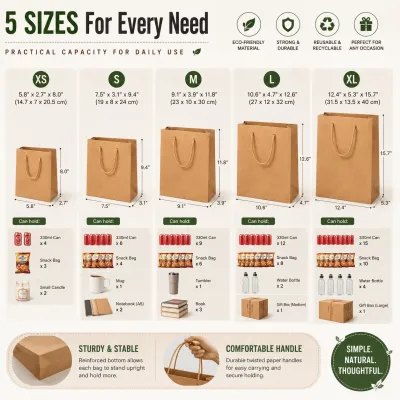
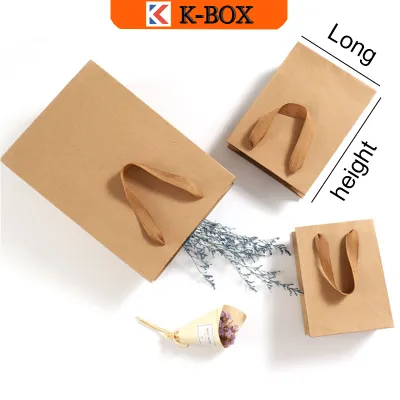
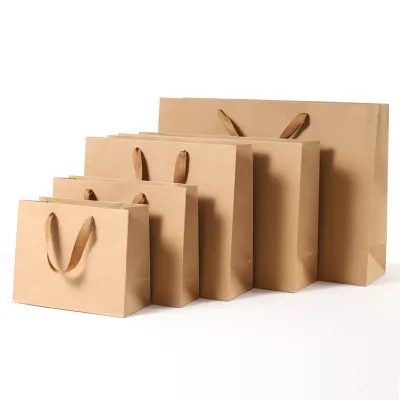
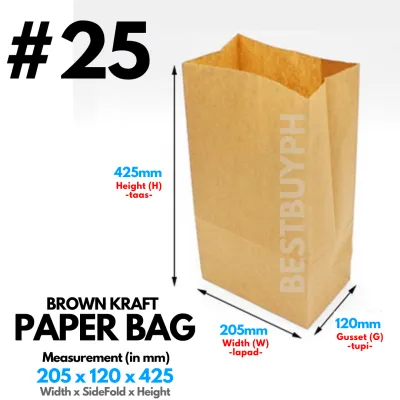
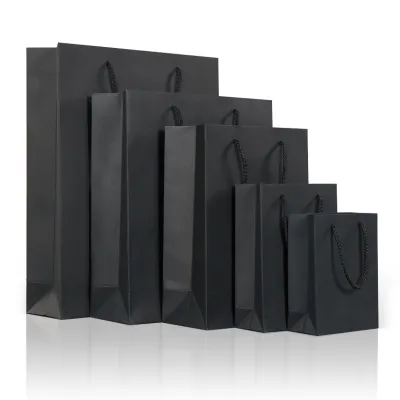
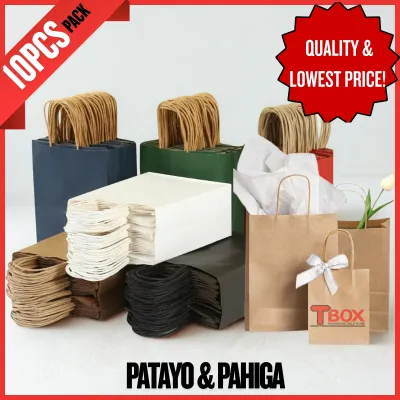
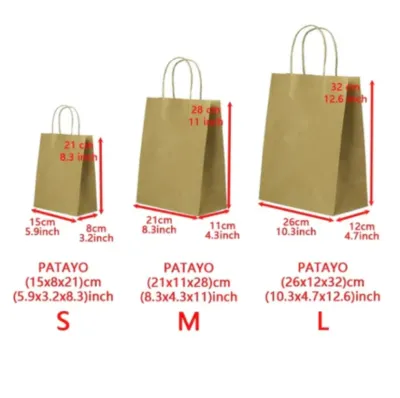
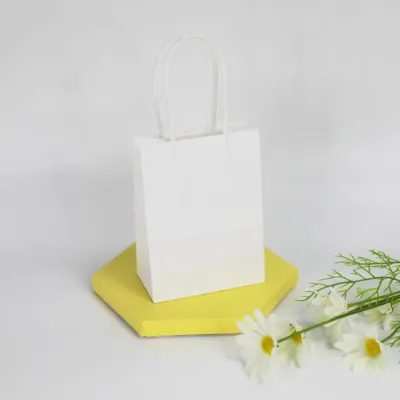
Prices are valid at publication and may change. Please refer to the product page for the latest price.
Your packaging is also a highly visible touchpoint for your brand. The carry-out experience acts as a mobile billboard when customers walk through shopping malls or city streets. A rustic, unbleached kraft bag communicates eco-friendliness, simplicity, and organic quality, which is ideal for artisanal bakeries or sustainable fashion brands. Conversely, a smooth, matte-finished white bag with minimalist print suggests luxury, modern aesthetics, and premium value, suitable for high-end boutiques or cosmetics.
Finally, align your packaging choices with local environmental regulations. Numerous local government units (LGUs) across the Philippines enforce strict ordinances banning or heavily taxing single-use plastics. Choosing paper bags wholesale helps you comply with these local laws, but you must ensure the bags themselves do not contain hidden plastic laminations that violate local definitions of eco-friendly packaging. If you operate in the food service sector, verify that the raw paper and adhesives are certified food-safe for direct or indirect contact to prevent chemical migration into your products.
Evaluate Paper Materials and Verify Weight Capacity
Selecting the right paper material requires balancing visual appeal, printability, and physical strength. The most common paper types available from wholesale suppliers include:

- Natural Kraft Paper: Unbleached and highly durable, this material features long wood fibers that provide exceptional tear resistance and tensile strength. It is the most cost-effective and environmentally friendly option.
- Bleached White Kraft Paper: This paper offers a clean, bright canvas. It is ideal if your branding relies on vibrant colors or precise color matching, as the white background prevents ink distortion.
- Recycled Paper: Made from post-consumer waste, recycled paper appeals to eco-conscious consumers. However, because the recycling process shortens the wood fibers, it generally has slightly lower tensile strength than virgin kraft paper.
- Coated or Art Paper: Featuring a smooth, clay-coated surface, this paper allows for high-resolution offset printing and premium finishes like matte or gloss lamination. It is highly rigid but is more expensive and harder to recycle.
To determine the strength of these materials, look at the paper weight, which is measured in Grams per Square Meter (GSM). As a general rule, a higher GSM indicates thicker, more rigid paper. Use these general benchmarks to guide your selection:
- 70 to 90 GSM: Suitable for lightweight items, such as bread, pastries, greeting cards, or small cosmetic bottles.
- 100 to 120 GSM: The standard range for general retail, apparel, and light grocery items.
- 130 to 150+ GSM: Heavy-duty grade, necessary for carrying heavy books, wine bottles, gourmet jars, or multiple clothing items.
Never rely solely on generic marketing terms like “heavy-duty” or “extra strong.” Instead, request the exact GSM specification from the supplier. Because high relative humidity in tropical climates can soften paper fibers and weaken standard water-soluble adhesives, you must test how the material performs under local conditions.
To verify durability, perform an easy water-droplet test on a sample bag to observe how quickly moisture penetrates the surface. If your business operates during the rainy season or handles chilled takeout items that produce condensation, look for paper treated with mild moisture-resistant barriers, or choose a higher GSM to compensate for potential loss of rigidity.
Select the Right Dimensions, Gussets, and Handle Types
An improperly sized bag leads to unnecessary expense and poor presentation. If the bag is too small, your products will stretch the seams and risk tearing the paper; if it is too large, your items will slide around, potentially causing damage during transit. To find the correct dimensions, measure your largest product configuration (Width x Depth x Height). Add at least 1.5 to 2 centimeters of clearance on all sides to allow for easy packing and unpacking.
The bottom gusset, or the depth of the bag, is critical for structural stability. A wide bottom gusset allows the bag to stand upright on retail counters or dining tables, which is essential for smooth packing in fast-paced environments. Flat-bottom bags (such as SOS bags or block-bottom bags) offer excellent self-standing stability, making them the preferred choice for food delivery and grocery items. Pinch-bottom bags, which resemble large envelopes, are flat and lack a gusset, making them highly economical but limited to flat items like documents, prints, or thin apparel.
The handle is the primary point of physical contact for your customer, making ergonomics and strength paramount. Evaluate these common handle types:
- Twisted Paper Handles: Made by twisting kraft paper into tight cords, these are strong, fully recyclable, and highly cost-effective. However, they can dig into the customer's hands if the bag is loaded with heavy items.
- Flat Paper Handles: Constructed from folded paper strips, these are the most economical option. They fold flat easily for compact storage but have lower weight capacities and a more basic appearance.
- Die-Cut Handles: A handle shape is punched directly out of the bag's upper section. This design is sleek and modern, but it reduces the usable height of the bag and is best suited for lightweight goods.
- Cotton or PP Rope Handles: Soft, comfortable, and premium in appearance, these ropes are threaded through metal or reinforced eyelets. They support significant weight but increase production costs and are often not fully recyclable without removing the ropes first.
Always inspect the reinforcement areas of your sample bags. The top rim should feature a fold-over lip (known as a turn-top) where the handles are glued, which distributes weight and prevents the handles from pulling through the paper. Similarly, check if the bottom of the bag includes a reinforced cardboard insert. This insert prevents the bottom from sagging and tearing when carrying heavy or sharp-cornered items.
Balance Customization, Branding, and Minimum Order Quantities (MOQ)
Customizing your wholesale paper bags with your logo and brand colors is an excellent marketing tool, but it introduces trade-offs in cost, lead times, and inventory management. Plain, unprinted stock bags are highly affordable, have very low MOQs (often starting at 50 to 100 pieces), and can be delivered almost immediately. Custom-printed bags, however, typically require a minimum order of 1,000 to 10,000 pieces per size, require several weeks of production time, and demand significant physical storage space.
If you decide to customize, the printing method you choose will dictate your design options and setup costs:
- Flexographic Printing: This is the most common method for high-volume paper bags. It uses flexible rubber plates to transfer ink directly onto the paper. It is highly cost-effective for simple, 1-to-2-color designs but has high initial plate setup fees and is not suited for complex photographic gradients.
- Offset Printing: Best for premium art paper bags, offset printing offers exceptional color accuracy, sharp details, and multi-color capabilities. It requires high setup costs and is generally reserved for luxury retail packaging.
- Hot Stamping (Foil): This process applies metallic or colored foil to pre-made bags using heat and pressure. It allows for low MOQs on custom designs and provides a high-end, reflective finish, though the per-unit cost is higher.
Because printing plates and setup times represent a fixed cost, manufacturers structure their MOQs to absorb these expenses. If your business is in its startup phase or has limited storage space, ordering 5,000 custom bags may tie up too much working capital.
To balance branding with budget, consider cost-effective alternatives. You can purchase plain stock paper bags wholesale at low minimums and customize them yourself. Using a high-quality custom rubber stamp with archival ink, applying branded stickers, or wrapping your products in custom-printed tissue paper inside a plain kraft bag offers a premium, personalized unboxing experience without the high upfront manufacturing costs.
Validate Suppliers Through Sampling and Commercial Terms
Before signing a contract or wire-transferring funds for a bulk order, you must validate your supplier’s capabilities. Never skip the physical sampling phase. Request a pre-production sample of the exact bag size, paper material, and handle configuration you intend to purchase.
Once the sample arrives, conduct a series of practical tests using your actual products. Pack the bag to its maximum expected weight and carry it around your facility for 15 minutes. Shake it gently to simulate a customer walking. Inspect the glue seams along the sides and bottom to ensure they do not pull apart, and check that the handle attachments remain secure under load. To verify print quality, rub a damp cloth over any printed logos to check for ink bleed resistance and drying speed; quality inks should not smear or transfer onto clothing.
Next, calculate the true landed cost of your order. The initial per-unit price quoted by a supplier is only one part of the equation. Request a detailed breakdown that includes:
- Plate or Mold Charges: One-time fees for creating your custom printing plates.
- Shipping and Logistics: Bulk paper bags are heavy and voluminous. Shipping costs can be substantial, especially when transporting goods across different regions or islands in the Philippines.
- Taxes: Ensure local Value-Added Tax (VAT) and any applicable customs duties for imported packaging are clearly stated.
Protect your investment by asking the supplier specific operational questions. Inquire about their standard production lead times, especially during peak seasons like the run-up to the holidays. Ask about their defect replacement policy; a reputable wholesale supplier should offer clear terms for replacing bags that suffer from printing errors, weak glue joints, or shipping damage. Finally, confirm how the bags will be packaged for transit. They should be packed in heavy-duty, moisture-resistant cartons or wrapped in protective plastic film to prevent crushing and water damage during shipping and delivery.
When your first bulk shipment arrives, do not immediately move it to storage. Open several random cartons from different parts of the pallet and inspect them against your approved pre-production sample. Check for consistency in paper thickness (GSM), color accuracy against your brand guidelines, handle alignment, and overall glue strength. Identifying any discrepancies early allows you to address them with the supplier before the bags are integrated into your daily business operations.
Frequently Asked Questions (FAQ)
Are paper bags with plastic or foil linings recyclable?
No, paper bags that feature plastic barrier films, PE (polyethylene) coatings, or heavy metallic foil linings are generally not recyclable through standard municipal recycling systems. These mixed-material packagings require specialized industrial facilities to separate the plastic or foil from the paper fibers, which are rarely available in local recovery programs. If environmental sustainability is a core requirement for your brand, opt for unlined, 100% natural kraft paper bags printed with water-based or soy-based inks. Always check with your local municipal waste management office for specific sorting and recycling guidelines in your area.
How should I store bulk paper bags to prevent damage?
To maintain the structural integrity of your bulk paper bags, store them in a cool, dry, and well-ventilated indoor space. Keep the shipping cartons elevated off concrete floors by placing them on wooden or plastic pallets; this prevents rising dampness from soaking into the bottom boxes. Avoid storing bags in direct sunlight, as UV rays can dry out adhesives—making the seams and handle attachments brittle—and cause printed designs to fade. In highly humid tropical environments, keep the protective plastic wrapping on the pallets or inside the cartons sealed until you are ready to use the bags, as excess moisture in the air can weaken paper fibers over time.
Community discussion
Share your experience or ask a question. Comments are reviewed before publication.