
DIY crafting has taken the Philippines by storm, with handmade fuzzy wire flower bouquets, adorable animal miniatures, and custom home decor items filling local social media feeds and craft fairs. If you are looking to elevate your DIY projects, transitioning from standard chenille stems to thick fuzzy wire is a game-changer. These plush, high-density crafting essentials allow you to create bolder shapes, more realistic flower petals, and sturdier structural designs. However, navigating the local market to find durable, high-quality thick fuzzy wire requires a keen eye for specifications and material properties.
Choosing the right materials ensures your handmade creations maintain their shape and vibrant colors over time. Because the local market is flooded with various grades of crafting wire, understanding the technical differences in pile density, core wire strength, and material composition is essential. By learning how to evaluate these factors, you can confidently select the best thick fuzzy wire for your specific creative needs.
Decoding Fuzzy Wire Specifications: What Makes It "Thick"?
To make an informed purchase, you must first understand what actually defines a “thick” fuzzy wire. In standard crafting terminology, a regular chenille stem measures about 6 millimeters in outer diameter. Thick fuzzy wire, often labeled as “jumbo,” “giant,” or “macaron” fuzzy wire, typically ranges from 15 millimeters to 30 millimeters or more. This significant increase in size completely changes how the material behaves and how it should be used in your projects.
Products mentioned in this guide
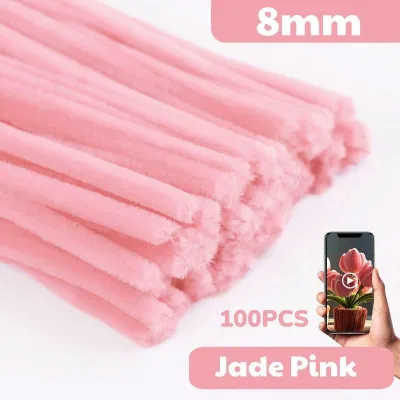

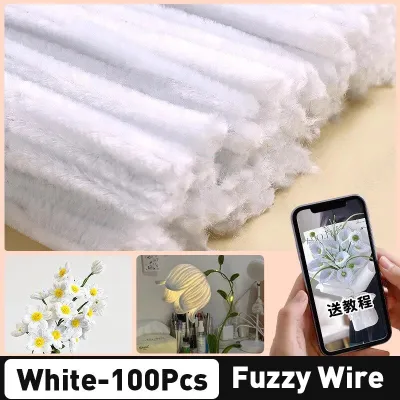
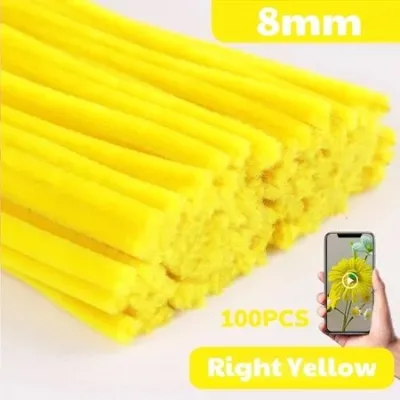
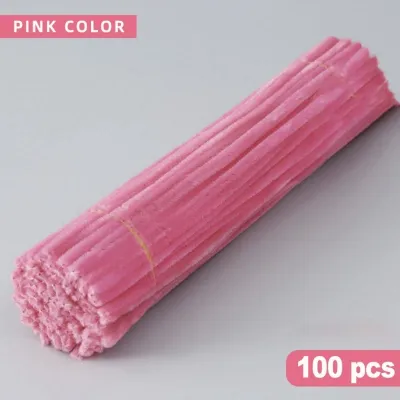
Prices are valid at publication and may change. Please refer to the product page for the latest price.
When evaluating these dimensions, it is crucial to distinguish between the outer pile diameter and the inner core wire gauge. The pile diameter refers to the fluffiness or the length of the synthetic fibers radiating from the center. The core wire gauge, on the other hand, determines the structural strength of the stem. A thicker outer pile does not always mean a stronger inner wire; for heavy-duty projects, you need a lower wire gauge number, which indicates a thicker, stiffer metal core, whereas delicate decorative projects benefit from a thinner, more pliable core wrapped in a dense, thick pile.
The outer fiber material also plays a significant role in the wire’s appearance, texture, and durability. Most thick fuzzy wires available to local crafters are made from polyester, nylon, or chenille. Polyester fibers are highly popular because they are incredibly soft, hold vibrant dyes exceptionally well, and resist crushing. Nylon fibers tend to have a slight sheen and a stiffer texture, which can be useful for projects requiring a bit of sparkle or structural definition. True chenille fibers offer a dense, velvet-like pile that feels luxurious to the touch, making them the preferred choice for high-end handmade gifts and plush toys.
Finally, consider the format in which the wire is sold. Pre-cut stems, usually measuring 30 centimeters in length, are highly convenient for standard projects like crafting individual flower petals or small figurines because they are easy to store and handle. On the other hand, bulk rolls or continuous spools of thick fuzzy wire offer unlimited length, allowing you to cut custom sizes for large-scale installations, continuous wrapping, or complex armatures without having to splice multiple stems together.
Quality Checklist: How to Spot Durable Fuzzy Wire
Because craft supplies are exposed to high humidity and warm tropical temperatures in the Philippines, assessing product quality before buying is essential to ensure your creations last. Using a practical checklist to evaluate thick fuzzy wire, whether you are inspecting them in a physical store or reading online reviews, will save you time and money. High-quality materials prevent your finished crafts from drooping, shedding, or rusting over time.

First, test the flexibility and memory of the core wire. A high-quality fuzzy wire should bend smoothly under moderate finger pressure but hold its new shape firmly without sagging or springing back. If the wire feels too soft or flimsy, it will fail to support the weight of its own thick pile, causing your finished crafts to droop. Conversely, if the wire is too brittle, it may snap after only a few bends, ruining your project mid-way.
Second, examine the fiber density and check for shedding. Gently pinch a section of the fuzzy wire and slide your fingers along the pile to see if any fibers loose their grip. High-quality options feature a tightly wound core that locks the fibers in place, resulting in minimal to no shedding. If fibers easily pull away or leave visible bald spots on the wire, the product is poorly constructed and will quickly look sparse and untidy.
Third, verify the colorfastness of the fibers. In a humid climate, low-quality dyes can easily transfer onto your hands, clothing, or adjacent craft materials during assembly. If you are shopping in person, rub a dry white cloth against the fibers to check for color transfer. For online purchases, look closely at customer reviews to see if other crafters have complained about dye bleeding, especially when working with vibrant colors like deep reds, forest greens, or dark blues.
Fourth, pay close attention to the rust resistance of the core wire. Many budget-friendly fuzzy wires use untreated iron cores that oxidize rapidly when exposed to moisture in the air or when paired with damp floral foam. Over time, rust can seep through the fibers, leaving unsightly brown stains on your beautiful creations. To prevent this, look for products that specify galvanized, coated, or stainless steel wire cores, which provide a protective barrier against tropical humidity.
Matching Wire Thickness to Your DIY Project
Selecting the right combination of pile thickness and core stiffness depends entirely on the specific DIY project you plan to undertake. Matching these specifications correctly ensures both the aesthetic appeal and the structural integrity of your craft. Different projects demand different levels of flexibility and density.
For structural crafts, such as building armatures for large plush toys, wire sculptures, or holiday wreaths, you need maximum support. Opt for thick fuzzy wires with a heavy-gauge metal core and a high-density pile of 20mm to 30mm. The thick pile helps conceal the heavy wire underneath, while the stiff core ensures the sculpture can stand upright and maintain its form even when handled frequently.
For floral and decorative crafts—which are incredibly popular for making everlasting bouquets—balance is key. Creating realistic petals for tulips, lavender, or roses requires a dense pile, typically 15mm to 20mm, to give the flowers a lush, full appearance. However, the core wire must be flexible enough to allow for tight, precise bends and twists around stem wires without causing hand strain or snapping the delicate flower structure.
If you are planning kids’ crafts or sensory projects, safety and ease of use should be your top priorities. Look for thick fuzzy wires with exceptionally soft, plush polyester fibers that completely cover the metal core. The core wire should be highly pliable, requiring minimal effort to bend, which helps prevent hand fatigue in young crafters. Always ensure the ends of the wire are safely tucked away or capped to prevent accidental scratches.
Where to Source and Verify Fuzzy Wire Locally
Finding reliable sources for thick fuzzy wire in the Philippines involves exploring both traditional brick-and-mortar shops and modern online marketplaces. Each sourcing method has its own advantages and verification steps. Combining physical inspection with smart online shopping strategies will yield the best results.
Visiting local brick-and-mortar craft stores, wholesale stationery hubs, or specialty DIY boutiques is the best way to physically inspect the materials. You can touch the fibers to assess their softness, bend a sample to test the wire’s memory, and visually confirm the true colors under natural light. This hands-on approach eliminates the guesswork and ensures you get exactly what you need for your project.
If you prefer the convenience of online marketplaces, you must be more strategic to avoid low-quality products. Start by filtering your search to local sellers to minimize shipping times and reduce the risk of the wire getting crushed during long-distance transit. Carefully analyze the photo and video reviews uploaded by actual customers, as these real-life images are often much more accurate than the seller’s polished promotional photos, showing the true thickness, color vibrancy, and density of the pile.
When browsing online listings, learn to spot common red flags. Be wary of sellers who use vague sizing descriptions like “super thick” or “jumbo” without providing concrete millimeter measurements for the pile diameter. Missing material details, such as failing to state whether the core is galvanized or what fiber is used, are also warning signs of low-grade manufacturing. Finally, if the price seems too good to be true, it is highly likely that the product suffers from severe shedding, thin pile density, or a weak, rust-prone core.
Frequently Asked Questions (FAQ)
Can I wash crafts made with thick fuzzy wire?
Generally, washing finished crafts made with thick fuzzy wire is not recommended. Water can easily penetrate the plush fibers and cause the inner metal core to rust, which will stain the surrounding material. Additionally, machine washing or submerging the craft can cause the synthetic fibers to mat, lose their fluffiness, or detach from the core. If your craft accumulates dust, it is best to gently clean it using a soft-bristled brush, a hairdryer on a cool, low setting, or a lint roller. For minor stains, perform a careful spot-clean with a slightly damp cloth and mild soap, then dry the area immediately.
How do I prevent the ends of fuzzy wire from shedding?
Preventing the ends of thick fuzzy wire from shedding is a simple but crucial step in maintaining a clean, professional finish on your DIY projects. When you cut fuzzy wire, the fibers at the very tip lose their grip on the twisted core and easily fall away. To secure them, use a pair of small jewelry pliers to fold the sharp metal tip inward by about two to three millimeters, locking the loose fibers in place. Alternatively, you can apply a tiny drop of clear craft glue, fabric glue, or hot glue directly to the cut end to seal the fibers to the wire core.
Is thick fuzzy wire safe for young children to use?
While thick fuzzy wire is a fantastic tool for developing fine motor skills and encouraging creativity, it does require careful safety precautions when used by young children. The primary hazard comes from the sharp, exposed metal ends of the wire, which can easily scratch sensitive skin or cause eye injuries if handled carelessly. To make the wire safe for kids, an adult should pre-bend all cut ends inward or cover them with a small piece of silicone tape or hot glue before handing them over. Always supervise young children closely during craft sessions, and ensure they wash their hands thoroughly after handling the materials.
Community discussion
Share your experience or ask a question. Comments are reviewed before publication.