
Quick Guide: Prioritizing Features on a Tight Student Allowance
Finding a reliable budget envelope binder in the Philippines requires balancing immediate affordability with daily school survival. When operating on a limited student allowance, every peso counts, making it tempting to buy the cheapest option. However, a binder that splits at the seams after two weeks of commuting in a crowded bag ends up costing more in replacements than a slightly more durable choice.
The primary purpose of an envelope binder is to keep loose-leaf papers, handouts, syllabus sheets, and receipts organized and flat without adding unnecessary weight to your backpack. To get the most value, you must prioritize functional capacity, correct size compatibility, and secure closures over trendy colors or decorative prints. Focusing on these core structural elements ensures your school documents remain protected throughout the academic year.
Assessing Your Storage Needs and Setting a Realistic Budget
Before browsing online marketplaces or visiting local bookstores, you need to evaluate the volume of paper you actually handle. A student taking heavy lecture courses with frequent printed handouts will require a high-capacity expandable binder, whereas someone who primarily takes digital notes might only need a slim envelope for occasional syllabus sheets. Overestimating your needs leads to carrying bulky, half-empty binders, while underestimating results in torn seams and crumpled papers.
Products mentioned in this guide
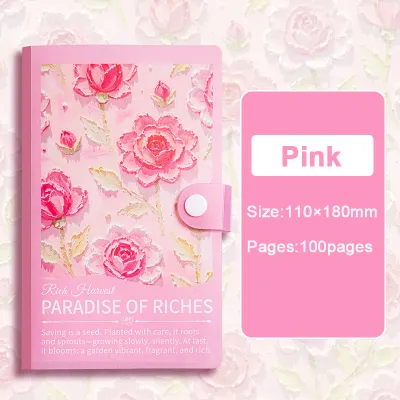
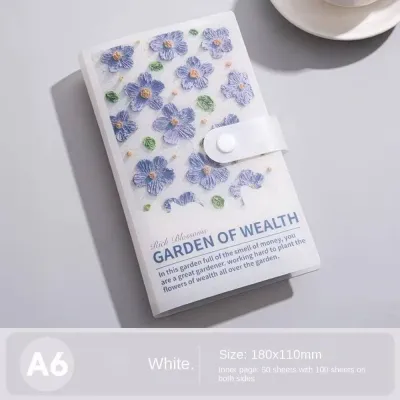
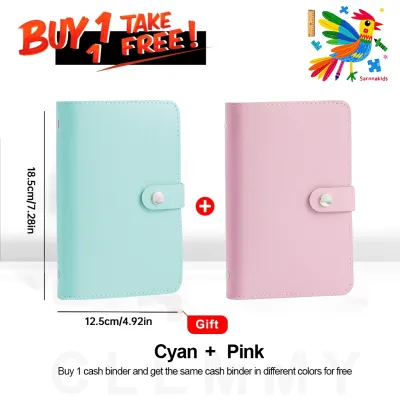
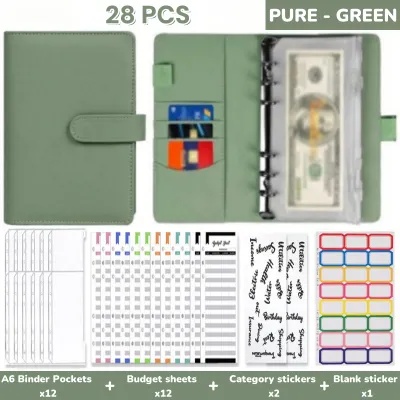
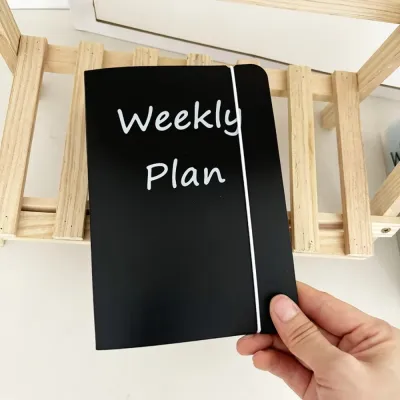
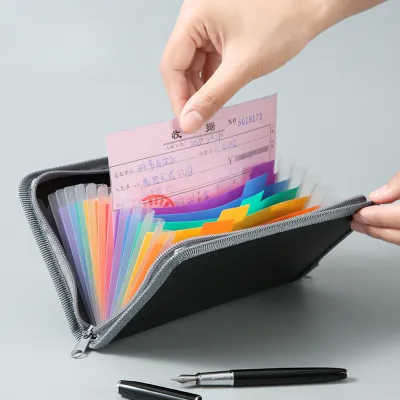
Prices are valid at publication and may change. Please refer to the product page for the latest price.

Paper size compatibility is another critical factor that varies by school and instructor. In the Philippines, educational materials are typically printed on three standard sizes: Letter (commonly called short bond paper, measuring 8.5 by 11 inches), A4 (the international standard, measuring 8.27 by 11.69 inches), and Folio (often referred to locally as long bond paper, measuring 8.5 by 13 inches). Purchasing an A4-sized binder when your teachers regularly distribute long bond paper handouts will leave your documents sticking out, leading to bent edges and water damage during rainy-season commutes.
Setting a strict spending limit helps prevent impulse purchases on aesthetic extras that do not add functional value. For a basic plastic envelope binder, a realistic budget range is ₱30 to ₱80 per piece, while multi-pocket expandable models or fabric variants generally range from ₱100 to ₱250. When budgeting, always isolate the item price from potential shipping fees or travel costs to ensure you are comparing the true value of the stationery itself.
Essential Specifications to Verify Before Checkout
To ensure a low-cost binder survives the daily wear and tear of school life, you must inspect several physical attributes before making a purchase. First, evaluate the material thickness, which is often measured in microns or millimeters for plastic binders. Thicker plastic sheets offer better structural support and resist bending, while thin, flimsy sheets easily crease and fail to protect the papers inside from being crushed by heavy textbooks.
Edge reinforcement is equally vital for longevity, as the corners and seams are the most common failure points. Look for binders with stitched fabric borders or double-welded plastic seams, which distribute tension more evenly when the binder is full. Raw, single-cut plastic edges are highly susceptible to splitting open under pressure, especially when you are rushing to pack your bag between classes.
The closure mechanism determines how securely your documents are contained during transit. Snap buttons are highly common and offer quick access, but you must verify that the button is securely anchored to the plastic to prevent it from tearing out. String-and-button ties provide excellent flexibility for expanding files, while zippers offer the most secure seal but are prone to jamming if the teeth are made of low-grade plastic.
Finally, examine the internal pocket configurations to match your specific study habits. Some envelope binders feature a single open compartment for quick storage, while others include multi-pocket accordion dividers that allow you to categorize documents by subject. If you plan to store small items like index cards, sticky notes, or pens alongside your papers, look for designs that include a dedicated front pocket or a zippered mesh compartment.
Evaluating Material Durability and Build Quality
Understanding the differences between common budget materials allows you to make an informed decision without relying on exaggerated marketing claims. Polypropylene (PP) is generally the most practical choice for student binders because it is lightweight, flexible, and highly resistant to fatigue from repeated bending. Standard polyvinyl chloride (PVC) is often softer and clearer, but it tends to degrade faster under warm conditions and can stick to printed ink over time.
Oxford cloth and other fabric materials offer superior tear resistance and a more premium feel, making them excellent for carrying heavier loads. However, fabric binders lack the rigid structure of thick plastic, meaning your papers may still bend if the binder is packed tightly against heavy objects. Additionally, fabric can stain easily and requires more effort to clean than a simple plastic surface that can be wiped down in seconds.
When shopping online, you must look for visual red flags in product photos to gauge build quality. Zoom in on the seams to check for misaligned stitching, loose threads, or uneven heat-welding lines along the edges. If the product images show the binder warping or bowing even when empty, it is a clear sign of thin, low-quality material that will not hold up to daily student use.
Be cautious of absolute water-resistance claims on budget items. While the plastic or fabric material itself may repel water, the binder is only as waterproof as its closures and seams. A binder with open sides or non-sealed zipper tracks will still allow tropical rain to seep inside during a heavy downpour, so look for fold-over flaps or water-resistant zipper guards if weather protection is a priority.
Smart Shopping Tactics to Maximize Your Allowance
Maximizing a limited student allowance requires strategic purchasing habits rather than simply buying the first cheap item you see. One of the most effective ways to lower costs is to look for multi-pack bundles or back-to-school promotional sets. Purchasing a pack of five or ten binders often reduces the price per unit significantly compared to buying individual pieces, and you can even split the cost with classmates to save money.
Always calculate the total cost of ownership by factoring in shipping fees when buying from online marketplaces. A binder priced at ₱40 might seem like a bargain, but if the shipping fee to your province is ₱60, the total cost rises to ₱100. In many cases, visiting a local brick-and-mortar bookstore or a wholesale stationery market in your city can yield a lower total price while allowing you to physically inspect the quality before paying.
Before finalizing an online purchase, spend time reading recent buyer reviews and filtering for negative feedback. Pay close attention to recurring complaints regarding zipper breakage, seam splitting, or snap buttons detaching after minimal use. Customer-uploaded photos and videos provide a much more accurate representation of the binder’s true color, thickness, and flexibility than the polished promotional images provided by the seller.
Daily Habits to Extend the Lifespan of Budget Binders
Even the most affordable envelope binder can last for several semesters if you practice proper care and maintenance. The most important rule is to avoid overstuffing the binder beyond its intended capacity. Forcing too many handouts or thick notebooks into a slim envelope puts immense pressure on the seams and closure mechanisms, leading to premature splitting and broken zippers.
The tropical climate in the Philippines presents unique challenges for stationery preservation. High humidity and intense heat inside classrooms, public transport, or parked vehicles can cause plastic binders—especially those made of PVC—to warp, melt, or stick to other plastic surfaces. To prevent this, avoid leaving your bag in direct sunlight for extended periods, and try to store your binders in a cool, dry place when you return home from school.
Keeping your binders clean also prevents material degradation over time. For plastic and polypropylene binders, a quick wipe with a dry or slightly damp microfiber cloth is usually sufficient to remove dust and finger oils. If you are cleaning fabric or Oxford cloth binders, spot-clean them with mild soap and water, and avoid using harsh chemical solvents or alcohol-based cleaners, which can strip away water-resistant coatings and weaken the fabric fibers.
Frequently Asked Questions (FAQ)
Can I use an envelope binder for punched loose-leaf paper?
Most budget envelope binders are designed for loose, unpunched sheets and do not contain internal ring mechanisms or prongs. If you try to store punched loose-leaf paper in a standard envelope binder, the sheets will slide around freely, which can cause the punched holes to tear against the edges of the binder. If your primary goal is to organize and archive punched papers in a specific order, it is better to use a dedicated ring binder or a 3-ring binder folder. However, you can still use an envelope binder to carry loose-leaf paper safely before it is sorted and filed away.
Are fabric envelope binders better than plastic ones for students?
Fabric envelope binders, such as those made from Oxford cloth, generally offer better long-term durability because they do not crack or split at the folds like plastic can. They are highly resistant to tearing and can handle being stuffed into crowded backpacks without sustaining structural damage. On the other hand, plastic binders are completely waterproof on their solid surfaces, making them much better at protecting your documents from accidental liquid spills or sudden rain showers. Plastic is also significantly easier to clean and is usually more affordable, making it the preferred choice for students on a very tight budget.
How do I know if a budget binder will fit my school handouts?
To ensure your handouts will fit, you must establish a baseline by measuring the largest paper size your instructors typically distribute, which is usually long bond paper (8.5 by 13 inches) in the Philippines. When checking product listings online, always look for the internal dimensions rather than the external dimensions. External measurements often include the wide heat-welded seams, zipper tracks, or the fold-over closure flap, which can make the actual usable storage space significantly smaller than advertised. If the internal dimensions are not listed, look for customer reviews that specifically mention fitting long bond paper or A4 sheets.
Community discussion
Share your experience or ask a question. Comments are reviewed before publication.