
Finding the right DIY art craft kit in the Philippines means looking for a complete, hassle-free package that lets you start creating immediately without hunting for missing tools. The ideal kit depends entirely on your preferred medium, creative goals, and local environmental factors like high humidity. To make a smart choice, you need to evaluate the completeness of the package, the quality of the included materials, and how well they perform under local tropical conditions.
What Defines a Complete Beginner Art Kit?
A complete beginner art kit should eliminate the need for immediate secondary purchases. When unboxing your kit, the core medium supplies—such as paints, resins, or inks—must be present in sufficient volume to allow for initial practice runs and mistakes. For instance, a painting kit should provide enough pigment to complete at least three to four small projects, rather than just a single trial card.
Beyond the primary medium, the kit must include the essential application tools required to work with that medium. This includes items like brushes, mixing cups, palettes, or specialized pen nibs. If the craft involves chemical reactions or messy materials, basic protective gear like gloves or aprons should also be included in the box.
Products mentioned in this guide
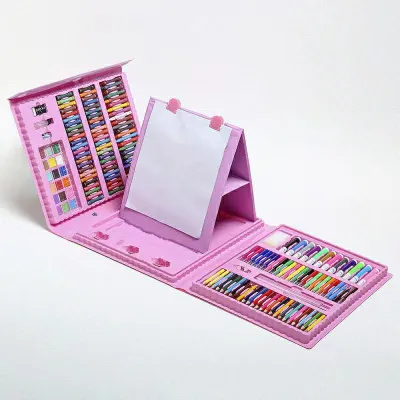
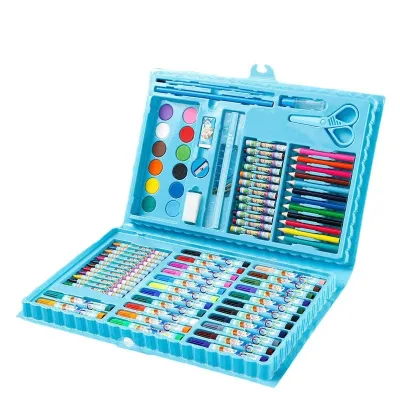
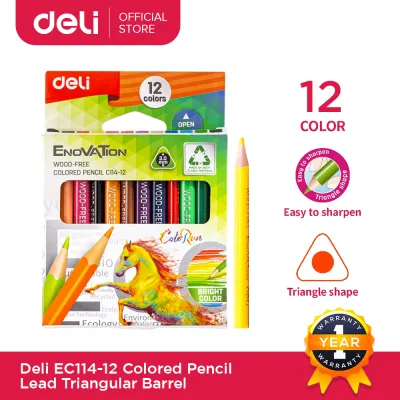
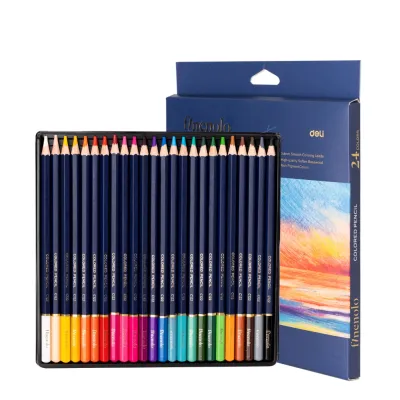
Prices are valid at publication and may change. Please refer to the product page for the latest price.
Finally, high-quality instructional materials are what separate a great beginner kit from a random assortment of supplies. Look for kits that provide clear, step-by-step printed guides, access to online video tutorials via QR codes, or reusable project templates. These resources help you understand the correct techniques and avoid common beginner mistakes right from the start.
Popular Types of DIY Art Kits for Starters
Choosing your first art medium is an exciting step, but it is important to align your choice with your available workspace and creative interests. Different mediums require different setups, drying times, and safety precautions.

Watercolor and Acrylic Painting Kits
Painting is one of the most accessible entry points for beginners, but the quality of your tools will heavily influence your experience. When evaluating painting kits, look closely at the pigment grade. Student-grade pigments are ideal for beginners because they are affordable and easy to blend, but you should still check the packaging for lightfastness labels to ensure your artwork will not fade quickly when exposed to sunlight.
The paper or canvas included in the kit is just as important as the paint itself. For watercolor kits, verify that the paper weight is at least 300 GSM (grams per square meter). Anything lighter will warp, buckle, or pill when wet washes are applied. For acrylic painting, look for heavy-duty mixed media paper of at least 250 GSM or pre-primed canvas boards that can handle the heavy, moisture-rich layers of acrylic paint without tearing.
Additionally, assess the variety of brushes included. A good starter kit should offer at least three different brush shapes, such as a flat brush for broad strokes, a round brush for details, and a wash brush for backgrounds. The kit should also feature a sturdy, flat-bottomed mixing palette and a stable water cup that resists tipping over on your workspace. To verify the quality of the paper and paint combination, perform a quick trial on a small corner of the paper: apply a wet stroke and observe if the paper fibers pill or if the paint bleeds excessively beyond your brush strokes.
Resin and Epoxy Craft Kits
Resin crafting allows you to create durable, glossy items like jewelry, coasters, and decorative trays, but it requires careful attention to safety and environmental conditions. Before purchasing a resin kit, check for the inclusion of a Safety Data Sheet (SDS) or clear safety guidelines on the packaging. Because epoxy resin involves a chemical reaction that releases fumes, you must work in a well-ventilated area and use the required personal protective equipment (PPE), including nitrile gloves and a respiratory mask.
A reliable resin starter kit must provide precise measuring and mixing tools. Because epoxy resin relies on an exact ratio (usually 1:1 or 2:1 by volume) to cure properly, look for kits that include clear, graduated silicone or plastic measuring cups and sturdy mixing sticks. The kit should also feature high-quality, flexible silicone molds that allow you to easily de-mold your cured projects without tearing the silicone.
In the tropical climate of the Philippines, ambient temperature and humidity play a significant role in the resin curing process. High humidity can introduce moisture into the mixture, leading to a cloudy finish or sticky surfaces, while warm temperatures can accelerate the curing time, reducing your working window. Check the kit instructions to verify the recommended temperature range and curing times, and plan to work in a dry, temperature-controlled room if possible.
Calligraphy and Hand Lettering Kits
Calligraphy is a precise art form that relies on the smooth interaction between nib, ink, and paper. When choosing a calligraphy kit, identify the type of pen holder included. Straight holders are excellent for modern print styles and block lettering, while oblique holders are designed to help beginners achieve the correct slant required for traditional script styles like Copperplate.
The kit should also include a selection of interchangeable metal nibs and beginner-friendly ink. For starters, a durable, medium-flex pointed nib (such as a Nikko G nib) is highly recommended because it is forgiving of uneven hand pressure. The included ink should be smooth and water-based for easy cleanup, or pigment-based for a richer, more opaque finish. Avoid heavy acrylic inks initially, as they tend to dry quickly on the nib and cause clogging.
Paper quality is the ultimate deciding factor in calligraphy. If the paper is too rough, it will snag the sharp tip of your metal nib, causing ink splatters. If the paper is too thin or porous, the ink will feather (spread out along the paper fibers) or bleed through to the other side. Look for kits that specify smooth, high-density practice paper of at least 100 to 120 GSM. You can verify the paper’s bleed resistance by performing a quick trial stroke with a fully loaded nib; if the ink lines remain sharp and do not spread, the paper is suitable for practice.
How to Evaluate Kit Quality and Value
With so many options available on online marketplaces, it can be difficult to distinguish a high-quality art kit from a collection of cheap, unusable items. To evaluate the true value of a kit, start by comparing its total price in Philippine Pesos (₱) against the cost of purchasing the essential components individually. While kits are often cheaper upfront because they provide smaller, trial-sized portions of paint or resin, they should still offer a significant discount compared to buying full-sized professional supplies.
Watch out for kits that advertise an inflated piece count by including useless “filler” items. A kit labeled as a “120-piece art set” may actually contain 100 low-quality plastic clips, toothpicks, or flimsy stencils, with only a tiny amount of actual paint or paper. Focus on the quality and volume of the primary medium and the durability of the main tools rather than the sheer number of items in the box.
Before making a purchase, read user reviews on local e-commerce platforms carefully. Look for common complaints that indicate poor quality control, such as acrylic paints arriving completely dried out, watercolor pans that are cracked and chalky, silicone molds that are deformed or torn, or missing mixing cups and instructions. A high rating with detailed, positive reviews specifically mentioning complete packaging is a strong indicator of a reliable kit.
Where to Buy and What to Check Before Ordering
You can find DIY art kits at local stationery chains, specialty craft stores, and major online marketplaces in the Philippines. When ordering online, verifying the seller’s reputation is crucial to ensuring you receive an authentic and undamaged product. Look for official brand stores or highly rated local distributors with a history of positive customer service.
Pay close attention to shipping policies, especially when purchasing temperature-sensitive items. Liquid resins, water-based acrylic paints, and liquid inks can degrade, separate, or leak if they are exposed to extreme heat during transit or left in hot delivery trucks for extended periods. Choose sellers who package their items securely with bubble wrap and sturdy cardboard boxes, and try to order from local hubs to minimize transit times.
Finally, always confirm the return and refund policies of the platform or seller before finalizing your order. When your package arrives, document the unboxing process by taking clear photos or a continuous video. This evidence is essential if you need to file a claim for leaked paints, cracked resin bottles, or missing components, allowing you to secure a replacement or refund within the platform’s specified return window.
Frequently Asked Questions (FAQ)
Are DIY art kits cheaper than buying supplies separately?
Yes, DIY art kits are generally much cheaper for beginners because they bundle smaller, trial-sized portions of materials. Buying full-sized tubes of paint, professional brushes, and complete pads of high-grade paper individually can quickly become expensive. A kit allows you to try out a new hobby with a minimal initial investment. However, as your skills improve and you discover which mediums you enjoy most, upgrading to individual, higher-quality supplies will become necessary to achieve professional results.
What should I do if my kit arrives with dried or missing items?
If your kit arrives with damaged, dried-out, or missing components, you should immediately document the issue. Take clear, well-lit photos or a video of the damaged items and the packaging they arrived in. Contact the seller directly through the e-commerce platform’s messaging system to explain the issue and request a replacement or refund. Be sure to initiate this process within the platform’s official return window, which typically ranges from 7 to 14 days after delivery, to ensure your claim is protected.
Community discussion
Share your experience or ask a question. Comments are reviewed before publication.