
Finding a reliable oil pastel color set under ₱500 requires looking beyond flashy packaging to evaluate binder quality, pigment density, and safety certifications. For students in the Philippines, this budget is highly practical, offering access to numerous entry-level and student-grade sets that perform beautifully in art classes and school projects. By focusing on essential specifications like wax-to-oil ratios, non-toxic labels, and color versatility, you can secure a high-performing set that fits your school budget. The key is knowing how to spot durable formulations and how to adapt your drawing techniques to get the most out of affordable materials.
Identifying Your Project Needs Within a Strict Budget
Before spending your allowance on an art set, you must define the scope of your upcoming school projects. A simple poster-making contest or a basic color-matching exercise has very different requirements compared to a senior high school studio arts class. If your curriculum focuses on basic color identification and clean, flat fills, a smaller color range will serve you perfectly. However, if your assignments demand complex blending, scraping, or heavy layering, you will need a formulation that remains workable under multiple coats.
Determining the minimum viable color count is the easiest way to keep your expenses well below the ₱500 threshold. While a 36-color or 48-color set looks appealing, a 12-color or 24-color set is often the sweet spot for student budgets. A smaller, high-quality set teaches you the fundamentals of color theory, forcing you to mix and layer to create custom shades. This approach also leaves a portion of your budget free for other essential art supplies.
Products mentioned in this guide
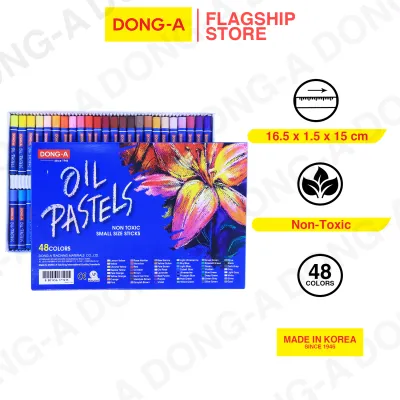
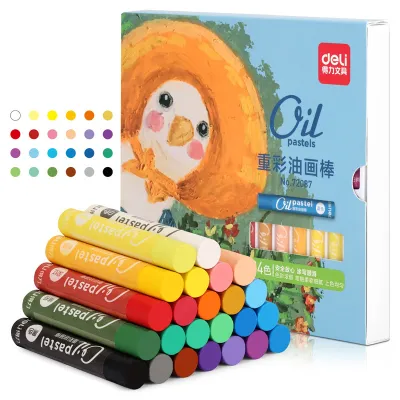
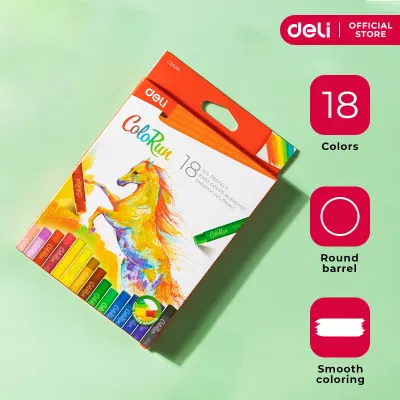
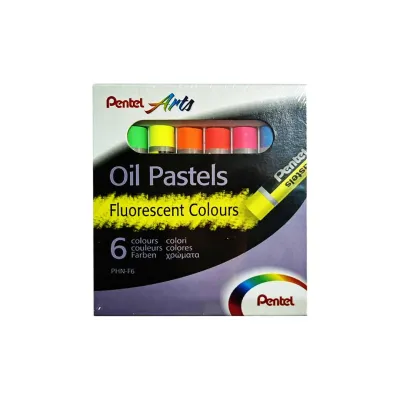
Prices are valid at publication and may change. Please refer to the product page for the latest price.
Do not forget that oil pastels rarely work in isolation. If your total budget is strictly ₱500, you must decide if this amount needs to cover supplementary tools. Drawing paper with sufficient texture, blending stumps, masking tape, and scraping tools all add to the total cost. Allocating around ₱300 for a solid 24-color pastel set and reserving the remaining ₱200 for a pad of heavy sketch paper or mixed-media paper is often a much smarter strategy than spending the entire ₱500 on pastels alone.
Key Specifications to Check in Budget Oil Pastels
When browsing options in local department stores or online marketplaces, reading the product packaging carefully is your best defense against poor-quality supplies. The first specification to analyze is the binder type. Student-grade pastels typically use a combination of wax and mineral oil as their binder. A higher wax content makes the sticks firmer and less prone to breaking, which is excellent for detailed line work, but it also makes blending more difficult. Conversely, a higher oil content yields a softer, more buttery texture that glides smoothly across the paper but wears down quickly.

Safety is paramount, especially when working in crowded classrooms or closed study spaces. Always look for recognized non-toxic safety certifications on the box. The AP (Approved Product) seal from the Art and Creative Materials Institute or the CE mark indicates that the product has been evaluated for toxicological safety and is safe for student use. Avoid unbranded or extremely cheap sets that lack these clear safety labels, as they may contain low-grade industrial binders or harmful heavy metals in their pigments.
The physical dimensions and shape of the pastel sticks also play a significant role in usability. Round sticks are the most common and are comfortable for broad strokes and blending large areas. However, hexagonal or triangular sticks are highly beneficial for students because they do not roll off slanted school desks, reducing the risk of breakage. Thicker sticks, often labeled as jumbo, are easier for younger students to grip and contain more material, offering better long-term value for your money.
Finally, examine what accessories are included in the packaging. Some budget-friendly sets come with a plastic carrying case, which is incredibly useful for protecting the pastels inside a crowded school backpack. Others might include a plastic scraping tool, a blending stump, or a white pastel extender. These small additions can save you from having to purchase separate tools, making the set much more cost-effective overall.
Navigating Quality Trade-Offs Under the ₱500 Limit
Choosing a student-grade oil pastel set under ₱500 means accepting certain physical limitations compared to professional, artist-grade alternatives. The most notable trade-off is pigment concentration. Budget pastels contain more fillers and binders and less pure pigment, which can result in slightly less vibrant colors and a more translucent finish. You can easily overcome this limitation by adjusting your technique: apply heavier pressure, build up colors in deliberate layers, and use a white pastel stick to blend and increase opacity.
Another common characteristic of affordable pastels is a firmer, waxier consistency. While this prevents the sticks from crumbling instantly under heavy hand pressure, it can make layering difficult. After two or three layers, the wax can build up a slick surface that resists further color application, a phenomenon known as wax bloom. To manage this, plan your drawing sequence carefully, applying your lighter colors first and saving heavy, dark details for the final layers.
It is also important to recognize that budget-friendly student pastels are not designed for archival longevity. They generally lack high lightfastness ratings, meaning the colors may fade over several years when exposed to direct sunlight. For school submissions, temporary classroom displays, and personal sketchbooks, this is rarely an issue. Understanding that these supplies are meant for learning and practice allows you to focus on mastering blending and composition without worrying about museum-grade preservation.
How to Evaluate Sets Before Checkout
Whether you are shopping at a local bookstore or ordering from an online marketplace, a systematic evaluation before checkout will save you from disappointment. If you are buying in a physical store, inspect the packaging closely. Look for any signs of oil staining on the cardboard box, which indicates that the pastels have been exposed to excessive heat and may have leaked their oil binders. Shake the box gently; a loose, rattling sound could indicate that several sticks have snapped inside their sleeves.
When purchasing from online platforms, the listed price is rarely the final amount you will pay. Always calculate the total checkout cost, including shipping fees and any potential taxes. A ₱350 pastel set can easily exceed your ₱500 budget once shipping to your province is added. Look for sellers that offer local shipping discounts, or bundle your pastel purchase with other school supplies to meet minimum order thresholds for free shipping.
User reviews are an invaluable resource for identifying hidden product flaws. Do not just look at the overall star rating; filter the reviews to read the three-star and two-star feedback. Look for recurring complaints about pastels arriving melted, sticks snapping during normal use, or wrappers that are difficult to peel. Pay attention to photos uploaded by other students to verify the actual color payoff on paper, as promotional product images are often digitally enhanced.
Lastly, check the seller’s return and replacement policy. Because the Philippine climate is hot and humid, there is always a small risk of pastels softening or melting during transit. Ensure the online merchant or local retailer offers a straightforward return process for damaged or defective goods. A reliable seller will quickly replace a damaged set, protecting your hard-earned allowance from being wasted on unusable supplies.
Maximizing the Lifespan of Your Affordable Pastels
Once you have purchased your oil pastel set, proper care and maintenance will ensure it lasts throughout the school year. The tropical climate of the Philippines poses a unique challenge to oil-based art supplies. High temperatures can soften the wax and oil binders, making the pastels sticky and difficult to control. Store your pastel box in a cool, dry place, such as a desk drawer or a closet, away from direct sunlight and heat sources like computers or sunny windows.
You can also stretch your budget by mastering basic color mixing rather than buying a massive set. Instead of searching for specific shades of green or purple, practice blending your primary yellows, blues, and reds. Applying a light layer of blue and working a yellow directly over it will produce a rich, customized green. This technique not only saves space in your school bag but also helps you develop a deeper understanding of color relationships.
Finally, you do not need to buy expensive professional blending tools to achieve smooth gradients. Many common household items make excellent substitutes. Cotton swabs are perfect for blending small, detailed areas, while a piece of clean cardboard scrap can be used to smooth out larger backgrounds. An old plastic card, such as an expired school ID or membership card, can be cut into various shapes to serve as a highly effective scraping tool for sgraffito techniques, allowing you to scratch away top layers to reveal colors underneath without spending an extra cent.
Frequently Asked Questions (FAQ)
Can I use student-grade oil pastels on regular printer paper?
Standard printer paper is generally too thin and smooth to handle the heavy, oily nature of student-grade pastels. The pressure required to blend the wax can easily tear the paper, and the oil binders may seep through, leaving greasy halos around your artwork. For the best results, look for heavier paper with a noticeable texture or tooth, such as sketch paper, cardstock, or dedicated mixed-media paper. These affordable alternatives hold the pigment much better and allow for multiple layers without tearing.
How do I safely rejoin a broken oil pastel stick?
Breaking a pastel stick is a common occurrence, but it does not mean the piece is ruined. You can easily rejoin the broken pieces using gentle friction. Rub the broken ends together quickly to generate heat through friction, which slightly melts the wax binder. Once the ends are soft, press them firmly together and wrap a small piece of paper tape or masking tape around the joint to hold it in place while it cools. Avoid using open flames or lighters, as this can easily burn the binders and ruin the pigment.
Is a 12-color set sufficient for high school art projects?
Yes, a 12-color set is entirely sufficient for most high school art projects, provided you learn how to mix colors effectively. A standard 12-color set includes the primary colors (red, yellow, blue), secondary colors (green, orange, violet), black, white, and a few earth tones. By layering these colors directly on your paper, you can create a wide spectrum of intermediate shades. Starting with a smaller set is actually an excellent way to build strong color-mixing skills before investing in larger, more expensive palettes.
Community discussion
Share your experience or ask a question. Comments are reviewed before publication.