
Finding the best value when shopping for a bulk supply of writing instruments requires looking far beyond the initial price tag. While securing a low upfront cost is appealing, true value depends on how many usable, smooth-writing pens you actually get out of the box. In the Philippines, factors like high humidity, paper quality, and storage conditions heavily influence how well bulk stationery performs over time.
To make a smart purchase, you must balance the cost-per-unit with ink longevity, tip reliability, and paper compatibility. Whether you are stocking up for a business, preparing school supplies, or sourcing materials for high-volume administrative work, understanding these variables ensures your investment does not dry up in storage.
Clarifying Your Needs: Signpens vs. Ballpens in Bulk
When searching for a bulk supply, buyers often use terms interchangeably, looking for a ballpen 1 box 100 pcs signpen deal without realizing these two writing instruments serve very different purposes. Purchasing a large quantity of the wrong pen type can lead to smudged documents, hand fatigue, or rapid ink depletion.
Products mentioned in this guide
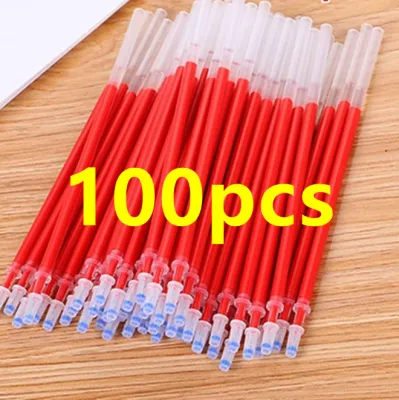
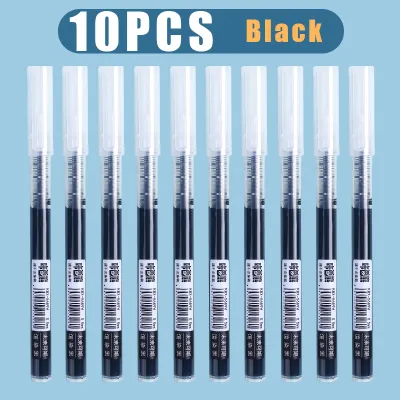
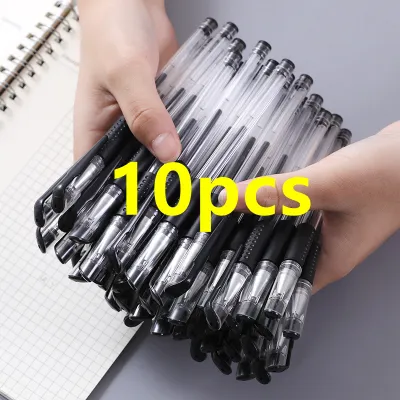
Prices are valid at publication and may change. Please refer to the product page for the latest price.
Understanding Ink Chemistry and Tip Mechanics
Signpens typically utilize water-based gel or liquid ink paired with a fiber, felt, or fine rollerball tip. This design allows the ink to flow quickly and saturate the paper, resulting in bold, highly legible lines. They are ideal for signing official documents, creating headers, or grading papers where high visibility is required.
In contrast, standard ballpens use a highly viscous, oil-based ink delivered via a brass, steel, or tungsten carbide ball. The oil-based ink paste requires slightly more writing pressure but dries almost instantly upon contact with the paper. This mechanism makes ballpens exceptionally reliable for rapid, continuous note-taking and daily office tasks.
Matching Pen Types to Specific Tasks
Before committing to a 100-piece box, evaluate what will be written and what paper will be used. If your daily tasks involve writing on thin, low-cost copy paper or newsprint, a wet signpen ink will likely bleed through the page and feather at the edges. For double-sided forms or standard school notebooks, the drier, more controlled line of a classic ballpen is usually the more practical choice.
If your primary goal is signing certificates, signing checks, or executing legal contracts, the rich, permanent pigment of a gel-based signpen is indispensable. Understanding this distinction prevents the costly mistake of buying 100 pens that are chemically unsuited for your primary writing surfaces.
Calculating the True Cost-Per-Piece Beyond the Box Price
Evaluating bulk value requires a shift from simple retail price comparison to analyzing the total cost of ownership. A box that seems like a bargain on the shelf can quickly become expensive if a significant percentage of the pens fail prematurely.

The Basic Cost-Per-Unit Calculation
To establish your baseline, divide the total cost of the box by 100. For example, a bulk box priced at ₱400 yields a baseline cost of ₱4.00 per pen, while a premium box priced at ₱1,200 yields ₱12.00 per pen. This simple calculation gives you a starting point for comparing different brands and models.
Factoring in Lifespan and Failure Rates
True value must account for the write-out length, which is the total distance a pen can write before running out of ink. High-quality oil-based ballpens can often write for up to two kilometers, whereas liquid-ink signpens generally have a much shorter lifespan due to their higher ink consumption rate.
Furthermore, if ten pens in a 100-piece box skip, leak, or arrive dried out, your actual cost per usable pen increases. A ₱400 box with a 20% failure rate actually costs ₱5.00 per working pen. Conversely, a highly reliable ₱600 box with zero failures remains at ₱6.00 per pen while saving you the frustration of interrupted work.
Accounting for Shipping and Platform Fees
When purchasing online, the physical weight of a 100-piece box—typically ranging from 800 grams to over a kilogram depending on the packaging and barrel materials—will affect shipping costs. Always calculate the final checkout price, including shipping fees and any local handling charges, to determine the true cost-per-piece of your delivery.
Essential Quality Checkpoints for a Ballpen 1 Box 100 Pcs Signpen Purchase
To ensure your bulk purchase delivers consistent performance from the first pen to the hundredth, you must evaluate several physical and chemical specifications before checking out.
Ink Performance in High-Humidity Environments
The tropical climate of the Philippines introduces unique challenges for stationery. High relative humidity slows down the drying time of water-based inks, increasing the risk of smudging, especially for left-handed writers.
When selecting a bulk box, look for formulations labeled as quick-dry, low-viscosity, or smudge-resistant. Oil-based inks naturally resist humidity-induced smearing, while advanced gel formulas utilize rapid-drying solvents that bind quickly to paper fibers even in humid conditions.
Tip Precision and Line Consistency
Pen tips are manufactured to precise millimeter specifications, which dictate line width and ink flow:
- Ultra-Fine (0.3mm to 0.4mm): Excellent for tight grid notebooks, bookkeeping, and precise mathematical notations.
- Fine (0.5mm to 0.7mm): The standard utility size for general writing, offering a balanced compromise between line visibility and ink economy.
- Medium to Bold (1.0mm and above): Best suited for signatures, bold headings, and quick labeling tasks.
Ensure the manufacturer specifies a consistent ball-and-socket assembly. Poorly manufactured tips can allow too much ink to bypass the ball, resulting in pooling, or they can restrict flow, causing scratchiness and faint lines.
Ergonomics and Barrel Construction
If these pens are intended for long-form writing, such as high-school exam preparation or extensive office logging, barrel design is critical. Basic bulk boxes often feature simple, hard cylindrical plastic barrels to keep production costs low.
While these are highly economical, they can cause hand strain during extended use. If comfort is a priority, look for bulk options that feature contoured barrels or integrated elastomeric grip zones, which reduce the gripping force required to maintain control.
Spotting Quality Traps in 100-Piece Boxes
Bulk packaging can sometimes be used to clear out old, slow-moving inventory. Being aware of common product defects saves you from acquiring a box of non-functional writing instruments.
Warehouse Heat and Dried-Out Inventory
Pens stored in non-air-conditioned warehouses are subjected to high ambient temperatures, which can accelerate solvent evaporation through the plastic barrel or around the tip seal. Gel and liquid-ink signpens are particularly vulnerable to this drying process.
Before purchasing, ask the seller about their inventory turnover rate or check for manufacturing batch codes. If a box has been sitting in a hot warehouse for several years, the ink columns may have separated or dried, rendering the entire batch unusable.
Packaging Integrity and Tamper Evidence
Always inspect the physical condition of the box upon arrival. A factory-sealed box wrapped in original shrink-wrap or secured with branded adhesive tape indicates that the contents have not been sorted or tampered with.
Be cautious of boxes that arrive loose, crushed, or resealed with generic packing tape. This can indicate that the box was dropped—which can damage internal pen tips—or that defective units from other boxes were consolidated into a single package.
Brand Authenticity vs. Generic Risks
While generic, unbranded 100-piece boxes offer the lowest initial price point, they often suffer from inconsistent quality control. One pen may write beautifully, while the next five in the same box fail immediately.
Established stationery brands maintain strict manufacturing tolerances, ensuring that the tip alloy, ball roundness, and ink viscosity remain uniform across millions of units. Opting for a recognized brand provides a predictable level of performance and reduces the risk of receiving a box filled with frustrating, skipping pens.
Smart Purchasing Strategies to Maximize Your Budget
Executing a successful bulk purchase involves strategic planning, testing, and proper post-purchase care to protect your investment.
The Test Batch Protocol
Never purchase a 100-piece box of an unfamiliar pen model based solely on online descriptions or low prices. Instead, buy a single pen or a small retail pack of three to five pieces first.
Use this test batch to evaluate how the ink behaves on your specific office or school paper. Check the drying speed, assess how comfortable the grip feels during a full page of writing, and verify that the line width matches your expectations. If the test batch performs well, you can confidently order the 100-piece box.
Return Policies and Defective Unit Coverage
Before finalizing your transaction, review the seller’s return and exchange policies. Reliable distributors and official online flagship stores typically offer clear guarantees against manufacturing defects.
Keep your receipt and the original packaging. If you open the box and discover that multiple pens are leaking or dried out, contact the seller immediately to arrange for a replacement or a partial refund. Clear communication and photographic evidence of the defects will help expedite this process.
Optimal Storage Practices for Bulk Stationery
Once your bulk box arrives, proper storage is essential to preserve the shelf life of the remaining pens. Store the box in a cool, dry drawer or cabinet away from direct tropical sunlight and heat sources.
- Gel and Signpens: Store these horizontally. Storing them tip-up can cause the ink column to pull away from the tip, introducing air bubbles that cause skipping. Storing them tip-down for long periods can cause excessive pooling or leakage into the cap.
- Ballpens: Standard oil-based ballpens are highly resilient but are best stored horizontally or tip-down to ensure the viscous ink paste remains in contact with the writing ball, ready for immediate use.
Community discussion
Share your experience or ask a question. Comments are reviewed before publication.