
Finding the right Pilot Wyteboard marker refill is the most effective way to maintain smooth, vibrant writing on your whiteboards while reducing plastic waste and saving money. To ensure perfect compatibility, you must match the exact model series of your marker—such as the widely used Pilot V Board Master or the classic Pilot Wyteboard series—with its designated refill cartridge code. Using an incompatible refill can lead to messy ink leaks, clogged nibs, or ruined marker barrels.
This guide provides a comprehensive walkthrough to help you identify, purchase, and install the correct refill for your specific writing instrument. By understanding the physical design of your marker and the characteristics of its ink system, you can keep your presentation tools performing at their best in any classroom, boardroom, or home office.
Quick Answer: How to Identify Your Compatible Refill
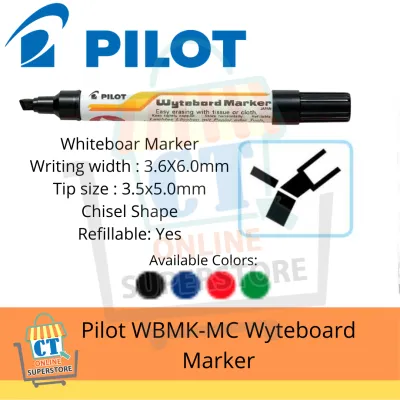
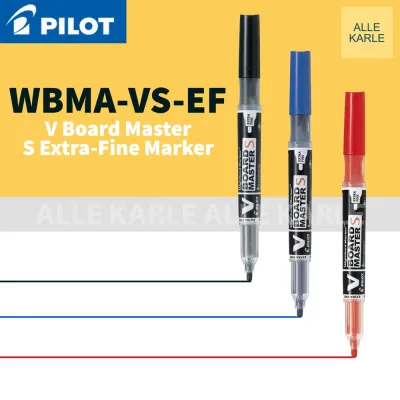
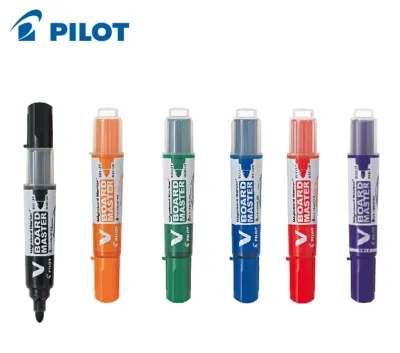
To find the exact refill for your marker, start by inspecting the physical barrel of the pen. The manufacturer prints the specific model name and series designation directly on the plastic body, usually near the brand logo or on the rear safety warning label. Common series names include the “V Board Master,” “V Board Master S” (the slim version), or the traditional “Wyteboard Marker.”
Products mentioned in this guide
![Pilot V Board Master Vboard Master Whyteboard Marker Refillable Marker Pilot V-Board Master Refill Whiteboard Marker Whiteboard Pen Black Blue Red Medium Bullet Tip Pure Liquid Ink [Future Industries]](https://img.lazcdn.com/g/p/33771a23bcb5c34bfb4306b4330ca116.jpg_400x400q80.jpg_.webp)
Prices are valid at publication and may change. Please refer to the product page for the latest price.
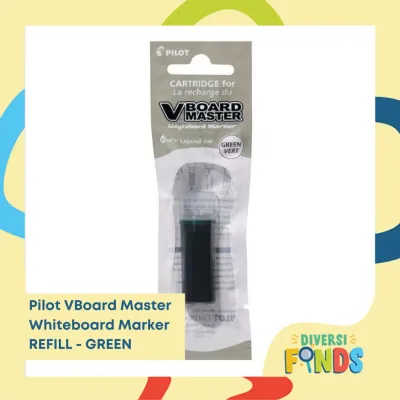
Once you have identified the marker series, look for the alphanumeric refill code. This code is typically printed on the back of the marker barrel or listed in the product’s original packaging instructions. For example, the standard V Board Master series utilizes the WBS-VBM refill cartridge, while other models require distinct cartridge shapes and sizes.
Before making a purchase, cross-reference your marker’s model name with the compatibility chart provided on the refill packaging or the manufacturer’s official product insert. Matching the exact alphanumeric code is the only way to guarantee that the replacement cartridge will fit the internal threads and wicking system of your marker body.
Step-by-Step Guide to Matching Refills to Marker Models
Matching a refill to your whiteboard marker requires a careful physical inspection of the writing instrument. Because different product lines share similar branding and color schemes, relying on visual memory alone often leads to purchasing errors. Follow these steps to ensure a perfect match every time.

Step 1: Read the Marker Barrel Carefully
Hold your marker under good lighting and rotate the barrel to read all printed text. You are looking for the precise product line name. In the Philippines, the most common refillable model is the Pilot V Board Master, but you may also encounter the V Board Master S, which features a much thinner barrel. Note down the exact name, as a standard cartridge will not fit into a slim marker body.
Step 2: Identify the Physical Ink Delivery System
Different marker models utilize distinct physical mechanisms to deliver ink to the writing tip. Understanding these structural differences helps you recognize why cartridges are not interchangeable:
- Liquid Ink Cartridges: These are rigid, transparent plastic cylinders filled with free-flowing liquid ink. They feature a specialized valve or plug at the neck that opens only when screwed or pressed firmly into the marker barrel. The V Board Master series relies on this system.
- Fiber-Wick Reservoirs: Some older or alternative marker designs use an internal polyester fiber wick that must be saturated with ink droplets from a refill bottle, rather than accepting a drop-in cartridge.
- Proprietary Thread Designs: Even among liquid ink cartridges, the diameter of the neck and the pitch of the screw threads vary by model. Forcing a cartridge with the wrong thread design into your marker will strip the plastic threads, causing permanent ink leaks.
Step 3: Verify the Alphanumeric Refill Code
Before you open the protective seal of a newly purchased refill, compare the code on the refill packaging with the code on your marker barrel. For the standard V Board Master, the correct refill code is WBS-VBM. If the codes do not match perfectly, do not open the packaging; most stationery retailers will only accept returns or exchanges if the product seal remains completely intact.
Understanding Pilot Wyteboard Ink Types and Tip Styles
To get the best performance from your whiteboard markers, it is helpful to understand how the ink formulation and the physical tip of the marker work together. Many users mistakenly believe that the refill cartridge determines the style of the writing line, but the mechanics are actually split between the cartridge and the marker body.
Liquid Ink vs. Traditional Formulations
Modern refillable whiteboard markers primarily use liquid ink systems rather than traditional ink-saturated felt reservoirs. Liquid ink flows directly from the cartridge through a twin-pipe feeder mechanism to the nib. This design ensures consistent ink density from the first stroke to the last drop, eliminating the gradual fading common in non-refillable markers.
In the tropical climate of the Philippines, where high temperatures and varying humidity levels are common, liquid ink systems offer a distinct advantage. The sealed cartridge design prevents the bulk of the ink supply from evaporating prematurely inside the barrel. However, high humidity can slightly affect the drying speed of the ink on the whiteboard surface, making it important to allow a few seconds before attempting to erase your writing.
The Role of Tip Styles
It is a common misconception that you must buy a specific “chisel tip” or “bullet tip” refill cartridge. In reality, the refill cartridge only contains the liquid ink reservoir. The shape of your writing line is determined entirely by the physical nib assembly permanently attached to the marker body.
Whether your marker has a bullet tip, a chisel tip, or an extra-fine tip, it will use the exact same refill cartridge model, provided the marker belongs to the same product series. When buying refills, you only need to select the desired ink color, not a tip style.
Color Consistency and Contrast
Always refill your marker with the exact same ink color as the original body design. Mixing different ink colors inside a single marker barrel—such as inserting a blue cartridge into a red marker—will contaminate the internal wicking system. This results in muddy, inconsistent colors and can permanently alter the chemical balance of the ink, making it difficult to erase cleanly from the whiteboard.
Pre-Purchase Checklist for Online and In-Store Shopping
To avoid the inconvenience of buying incompatible stationery supplies, use this practical checklist before completing your purchase at a local office supply store or an online marketplace.
- Verify the Refill Code: Double-check that the refill code (such as WBS-VBM) matches your marker model. Do not rely solely on product photos, as different cartridge sizes can look identical in online listings.
- Inspect the Packaging Seal: Ensure the refill is sold in its original, unopened packaging. The plastic wrap or blister pack protects the cartridge valve from dust, moisture, and accidental punctures during transit.
- Check for Manufacturing Codes: Look for printed batch or manufacturing codes on the packaging. While liquid ink cartridges have a long shelf life, avoiding extremely old stock ensures the solvents inside the ink have not begun to separate.
- Choose Recognized Retailers: Purchase your refills from established stationery stores, official brand outlets, or highly rated office supply sellers in the Philippines. This minimizes the risk of acquiring counterfeit products that mimic the brand's appearance but use inferior ink formulations.
- Avoid Third-Party "Compatible" Cartridges: Generic, unbranded cartridges often lack the precise valve tolerances required for liquid ink markers. Using these can lead to catastrophic leaks inside your bag, desk drawer, or directly onto your hands during installation.
Troubleshooting Common Issues After Refilling
Installing a fresh ink cartridge should instantly revive your marker. If you encounter issues with ink flow, consistency, or physical fit, use these low-risk troubleshooting steps to resolve the problem.
Priming a Newly Refilled Marker
When you install a new liquid ink cartridge, the ink does not always reach the writing tip immediately, especially if the marker was left empty for a long period. To prime the marker safely:
- Ensure the cartridge is screwed or pressed in completely until you feel it click or lock into place.
- Place the cap securely back onto the marker.
- Store the marker vertically with the tip pointing downward for approximately five to ten minutes. This allows gravity and capillary action to draw the fresh ink through the feed system and saturate the dry nib.
- Do not shake the marker violently, as this can force excess ink into the cap, resulting in a messy spill when you open it.
- Test the marker with light, gentle strokes on a clean whiteboard.
Addressing Dry Tips and Uneven Flow
If the marker writes with a faint or streaky line despite having a full cartridge, the issue is likely a clogged or damaged nib. In dusty environments, such as classrooms with open windows, airborne dust and whiteboard residue can accumulate in the pores of the polyester nib, blocking the flow of ink.
To address this, gently wipe the tip of the marker with a dry, lint-free paper towel to remove any buildup. If the nib is physically frayed, split, or flattened from heavy writing pressure, the ink will not flow evenly. For models with replaceable nibs, you can swap out the worn tip; otherwise, you will need to replace the entire marker body.
Handling Leaks or Loose Cartridges
If you notice ink pooling around the collar of the marker or inside the cap, remove the cartridge immediately. Inspect the threads on both the cartridge neck and the inside of the marker barrel for any plastic debris, cross-threading, or cracks.
If the cartridge feels loose or fails to click securely into place, do not force it. A loose fit indicates either an incompatible refill model or a stripped thread inside the marker barrel. In this case, continuing to use the marker will result in leaks; you should discard the damaged marker body and replace it.
Frequently Asked Questions (FAQ)
Can I use a Pilot Wyteboard refill in a non-Pilot whiteboard marker?
No, you should not attempt to use these refills in markers from other brands. The physical dimensions, screw threads, and valve mechanisms of these cartridges are proprietary designs engineered specifically to fit their matching marker barrels. Forcing a cartridge into an incompatible marker can break the internal feed pipe, strip the threads, or cause severe ink leaks. Additionally, different brands use unique chemical solvent balances in their inks; mixing them can result in permanent ghosting or staining on your whiteboard.
How should I store unused Pilot marker refills to maintain ink quality?
To keep your spare refills in optimal condition, store them in a cool, dry place away from direct tropical sunlight and extreme heat. High temperatures can cause the air inside the cartridge to expand, potentially forcing ink past the safety seals. Keep the cartridges in their original, unopened packaging until you are ready to use them. Storing them horizontally or with the valve pointing upward prevents gravity from putting constant pressure on the cartridge seal, ensuring the ink remains fresh and ready for installation.
Is it more cost-effective to buy refills or new Pilot whiteboard markers?
Using refill cartridges is significantly more cost-effective and environmentally friendly than buying brand-new markers every time the ink runs out. In the Philippines, a multi-pack of refill cartridges generally costs much less per unit than a complete new marker, allowing schools, offices, and heavy users to reduce their stationery expenses by up to 50% over time. Because the durable plastic barrel and the wear-resistant polyester nib of the marker are designed to outlast multiple ink cycles, refilling maximizes the lifespan of your initial investment while drastically reducing plastic waste.
Community discussion
Share your experience or ask a question. Comments are reviewed before publication.