
Finding the correct ink refill for a self-inking stamp requires matching the physical mechanism, the ink formulation, and the manufacturer’s specifications. By systematically checking your stamp’s model details and understanding the difference between proprietary cartridges and universal pads, you can avoid purchasing incompatible products that might damage the stamp or produce poor impressions.
Self-inking stamps operate using an internal spring mechanism that holds a rubber die against a built-in ink pad. When you press down, the mechanism rotates the die to face downward and make contact with the paper. Because this mechanical movement relies on precise clearances, even a millimeter of variance in the ink pad’s thickness or housing shape can cause the stamp to jam, skip, or fail to ink the die evenly.
In tropical environments where high humidity and warm temperatures are common, selecting the correct ink formulation is even more critical. Excess moisture in the air can interact with incompatible ink bases, leading to prolonged drying times, bleeding on standard copy paper, or premature degradation of the internal pad fibers. Verifying your stamp’s specific requirements ensures crisp, professional impressions and extends the operational lifespan of your stationery equipment.
Products mentioned in this guide
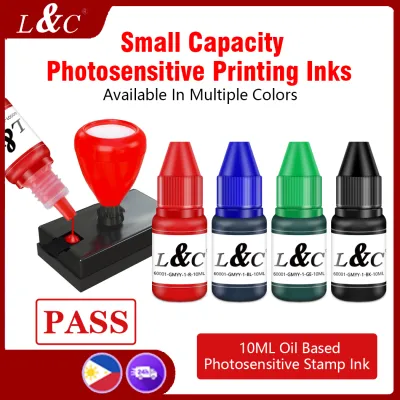
66 Lazada user ratings
Smooth writing experience, Perfect for photosensitive stamps, High-quality pigment-based ink, Dries quickly, Versatile colors for different …Read full reviewShow less
Smooth writing experience, Perfect for photosensitive stamps, High-quality pigment-based ink, Dries quickly, Versatile colors for different stamp designs,
Great oil based ink for my self ink stamp. Fast shipping and delivery. Worth the price and there are variety to choose from
✅Quality:Excellent 💰Price:Affordable 🎨Color Variety:Complete Colors The product is good and affordable. Worth the money
Ink refill lasts a long time, Smooth writing experience, Vibrant colors, great value for money
Took years to get here but Im not in a hurry to use it. Good refill for selfstamping marks.
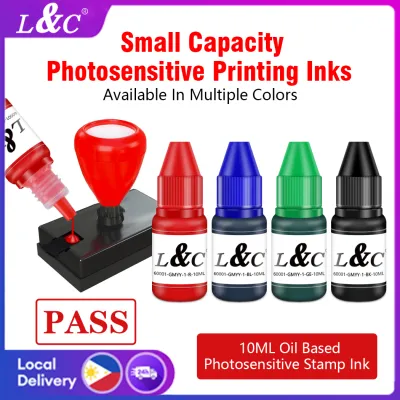
289 Lazada user ratings
💰Price:ang ganda ✅Quality:high quality 🎨Color Variety:matingkad sobrang ang ganda gamitin at ang bilis lang madeliver ng items ang bait pa n…Read full reviewShow less
💰Price:ang ganda ✅Quality:high quality 🎨Color Variety:matingkad sobrang ang ganda gamitin at ang bilis lang madeliver ng items ang bait pa ni kuya rider
Good quality Perfect As advertised Affordable I will order again The product came in good condition The packaging is safe
super fast delivery. very good quality. Compact size for easy storage, Dries quickly without smudging,
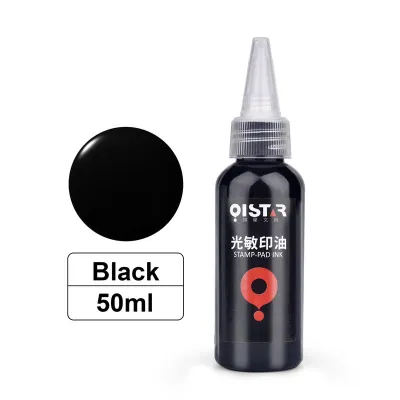
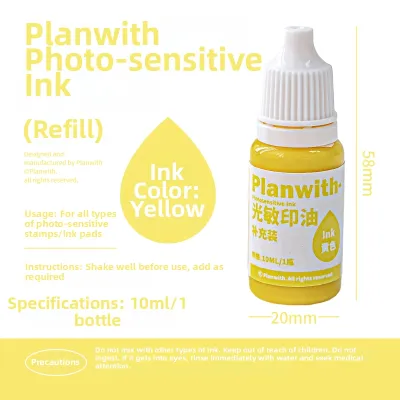
1 Lazada user ratings
Quick-drying! The lines are super clear! The color is spot on! Totally met my expectations!
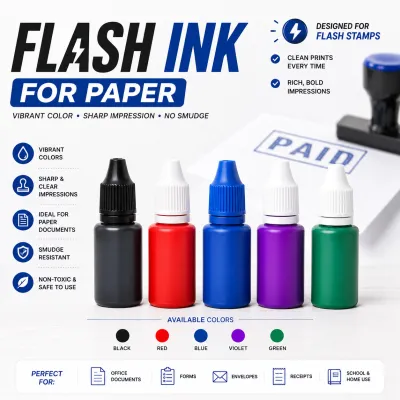
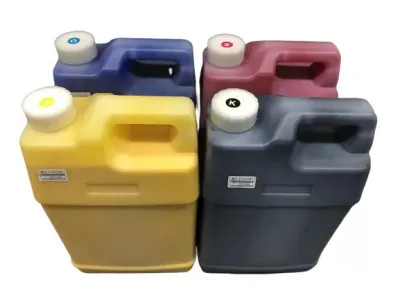
16 Lazada user ratings
Dries quickly on paper, Value for money with 1-liter volume, Vibrant colors to choose from, Pigment-based ink for sharp prints,
it's useful for all the stamp pads that I made. 💰Price: affordable ✅Quality:100% 🎨Color Variety:not that vivid
ang ganda ganda ng ink. lol hhahahhahhahahhahahhaha maayos nan pagkadeliver mahirap buksan ayaw pabukas hhah
Thanks lazada and seller
Prices are valid at publication and may change. Please refer to the product page for the latest price.
Locate Your Stamp's Brand and Model Number
The first step in identifying a compatible ink refill is locating the exact brand and model number printed on your stamp’s housing. Manufacturers typically print this information directly on the plastic casing to help users find replacement parts. Look closely at the front, back, or sides of the stamp’s outer shell. You will often find a brand name accompanied by a series of numbers or a specific product line name, such as “Printer 20” or “4911.”
If the exterior casing does not display any clear markings, you may need to inspect the inner mechanism. Gently press the stamp down about halfway until the internal pad tray aligns with the side release buttons. Lock the stamp in this position using the side buttons, then slide the ink pad cartridge out of its slot. Many manufacturers stamp the model number, patent details, or specific cartridge codes directly onto the plastic bottom or sides of the removable ink cartridge itself.
If you no longer have the packaging and the markings on the stamp have faded or worn off due to heavy use, you can still identify the correct replacement by measuring the physical dimensions of the ink pad. Use a precise ruler or caliper to measure the length, width, and depth of the plastic cartridge in millimeters.
When measuring, pay close attention to the shape of the cartridge’s edges and any locking tabs. Some cartridges feature rounded corners, specific guide rails, or small plastic clips that must match the internal tracks of the stamp housing. Documenting these physical characteristics, along with the exact millimeter measurements, will allow you to cross-reference your stamp with compatibility charts provided by stationery manufacturers or online office supply retailers.
Identify Proprietary Cartridges vs. Universal Ink Pads
Self-inking stamps generally use either proprietary snap-in cartridges or universal open-pad systems. Proprietary cartridges are engineered by specific brands to fit exclusively within their own stamp models. These cartridges feature custom plastic housings, precise locking mechanisms, and specific grip zones that allow for clean, finger-free replacement. Attempting to force a cartridge from one brand into a housing designed by another manufacturer can permanently damage the internal spring mechanism or break the delicate plastic guide rails.

In contrast, some utility or heavy-duty stamps utilize standard, rectangular felt pads that can be removed, re-inked, or replaced with generic alternatives. These universal pads do not rely on complex plastic clips and are often simpler in design. However, even within universal systems, thickness and density play a major role in performance. A pad that is too thick will prevent the rubber die from rotating fully, while a pad that is too thin will fail to make adequate contact, resulting in faint or incomplete impressions.
When shopping for refills on online marketplaces, always check the product description for compatibility disclaimers. Many third-party manufacturers produce compatible cartridges designed to fit major brand housings. While these can be more cost-effective, you must verify that the third-party product explicitly lists your exact stamp model number. A generic label stating “fits most standard stamps” is rarely sufficient and often leads to alignment issues or ink leakage inside the stamp body.
Match the Ink Formulation to Your Stamp Pad
Selecting the correct ink formulation is just as important as matching the physical cartridge shape. Self-inking stamps almost universally use water-based ink, which is formulated to dry quickly on porous surfaces like standard copy paper, cardboard, and envelopes. Water-based ink keeps the internal felt or foam pad moist for long periods without clogging the fibers or degrading the rubber die.
Pre-inked stamps, which do not have a flipping mechanism but instead store ink directly within a microporous rubber die, typically use oil-based ink. Oil-based inks are highly concentrated and designed to penetrate deep into the stamp material. If you mistakenly apply oil-based ink to a standard self-inking stamp pad, the oil will chemically react with the water-based residues and the pad material itself. This reaction often causes the foam pad to swell, warp, or dissolve, rendering the entire stamp unusable.
To verify the correct formulation, inspect the labels on your existing ink bottle or replacement cartridge. Look for terms like “water-based,” “dyestuff ink,” or specific warnings against use in pre-inked models. If you are refilling an existing pad with bottled ink, ensure the bottle is explicitly labeled for self-inking stamps. Avoid using general-purpose drawing inks, India inks, or solvent-based permanent inks, as these contain binders and solvents that will quickly clog the fine pores of the stamp pad and harden the rubber die.
Decide Between Cartridge Replacement and Bottle Refills
When your stamp impressions begin to fade, you must decide whether to replace the entire ink cartridge or simply add drops of ink from a refill bottle. Replacing the entire cartridge is the most reliable method for maintaining crisp impressions. It is highly recommended if the existing pad is physically worn, has deep grooves worn into it by the rubber die, or has become contaminated with dust and paper fibers over years of use. Replacing the cartridge is also necessary if you want to change the ink color, as attempting to bleed out an old color completely is incredibly difficult and usually results in muddy, mixed tones.
On the other hand, refilling the existing pad with bottled ink is a highly economical choice, especially for high-volume office environments where stamps are used dozens of times daily. A single bottle of self-inking stamp ink can provide dozens of refills, costing significantly less over time than buying individual cartridges. This method is ideal if the pad’s felt or foam structure is still flat, springy, and free of deep indentations, and you simply need to replenish the moisture level.
Before opting for a bottle refill, verify that your stamp mechanism allows safe and easy access to the pad. Most modern self-inking stamps feature a locking button that holds the unit in a partially compressed state, exposing the edge of the ink pad. This allows you to slide the pad out cleanly. If your stamp does not have a locking mechanism or requires complete disassembly of the spring-loaded housing to access the pad, purchasing a clean, pre-inked replacement cartridge is usually the safer option to avoid accidental spills and stained fingers.
Troubleshoot Common Ink Matching Mistakes
If you have refilled your stamp and notice that the impressions are bleeding, smudging, or failing to dry, the ink formulation is likely incompatible with your paper type or the ambient humidity. Standard water-based stamp ink is designed for porous paper surfaces. If you are stamping on glossy paper, plastic, or coated packaging, the ink will not absorb and will remain wet indefinitely. For non-porous surfaces, you must use specialized quick-drying inks, which often require a specific pad material designed to withstand fast-evaporating solvents.
If you suspect you have mixed incompatible inks or applied too much ink, you can attempt to salvage the pad by blotting it. Remove the pad from the stamp and press it firmly against several layers of clean, absorbent paper towels. Repeat this process until no more excess ink transfers to the paper. If the pad material has not been chemically damaged or warped, you can then apply a small, controlled amount of the correct water-based ink to restore proper performance.
When switching ink colors or attempting to clean a dirty pad, do not rinse the pad with water or harsh household solvents. Water can dilute the ink excessively and ruin the pad’s internal structure, while solvents like alcohol or acetone can dissolve the plastic housing and the adhesive holding the pad together. If a pad is heavily contaminated or clogged with dried ink, the most practical and clean solution is to discard it and install a fresh replacement cartridge.
Frequently Asked Questions (FAQ)
Can I use water-based ink on a pre-inked stamp?
No, you should not use water-based ink on a pre-inked stamp. Pre-inked stamps utilize a completely different technology than self-inking stamps, relying on a microporous gel or rubber die that is pre-saturated with oil-based ink. Water-based ink will not mix with the oil-based ink already inside the stamp; instead, it will bead up on the surface of the die, clog the microscopic pores, and cause the stamp to produce smudged, blurry, or faint impressions. To maintain a pre-inked stamp, always verify that you are purchasing oil-based ink specifically formulated for pre-inked models. You can easily distinguish a pre-inked stamp from a self-inking stamp by looking at its mechanism: pre-inked stamps do not have an internal flipping mechanism or a separate removable pad, as the ink is housed directly within the stamping die itself.
How do I know if my stamp pad needs replacing instead of refilling?
You can determine if your stamp pad needs to be replaced by performing a quick visual and tactile inspection. Slide the pad out of the stamp housing and look closely at the surface. If you see deep, permanent indentations or grooves worn into the felt by the rubber die, the pad will no longer distribute ink evenly and should be replaced. Additionally, press gently on the pad with a clean tool; if the material feels hard, brittle, or fails to spring back into shape, the internal fibers have degraded. While a high-quality felt pad can typically be refilled with bottled ink three to five times, the physical fibers will eventually break down from repeated mechanical pressure and environmental exposure, requiring a brand-new replacement cartridge to restore crisp impression quality.
Community discussion
Share your experience or ask a question. Comments are reviewed before publication.