
Finding a genuine Mongol XL Jumbo pencil is essential for early childhood writing development and comfortable daily drafting. As a staple in classrooms and offices across the Philippines, this iconic yellow pencil with its distinctive green-and-yellow ferrule and pink eraser has become a trusted tool for generations. However, the popularity of the brand has made it a frequent target for counterfeiters. Spotting a genuine mongol xl jumbo original requires a careful eye for detail, as low-quality imitations often flood local markets and online marketplaces.
In tropical climates where high humidity can quickly degrade poorly made stationery, the structural integrity of a pencil is put to the test. Counterfeit pencils often fail these environmental challenges, leading to split wood, loose erasers, and crumbling lead. Knowing how to verify your writing instruments before checking out or distributing them to students protects both your budget and your peace of mind.
Why Counterfeit Mongol XL Jumbo Pencils Are a Problem
Using a counterfeit pencil is more than just a minor inconvenience; it directly impacts writing efficiency and user frustration. Imitation pencils typically feature low-grade graphite cores that are off-center or brittle. When you apply pressure to write or draw, the lead frequently snaps inside the wooden casing. This leads to constant sharpening, which rapidly wastes the pencil and leaves you with a useless stub in a matter of days.
Products mentioned in this guide
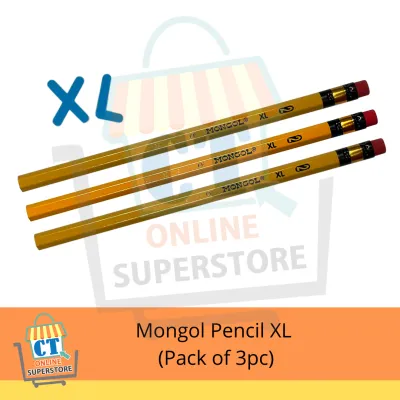
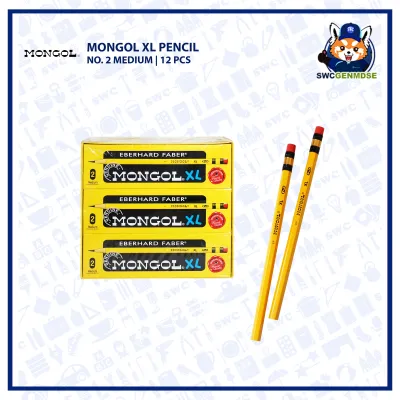
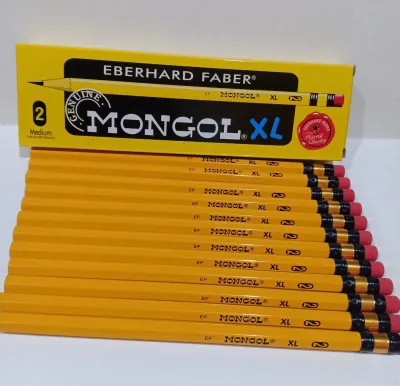
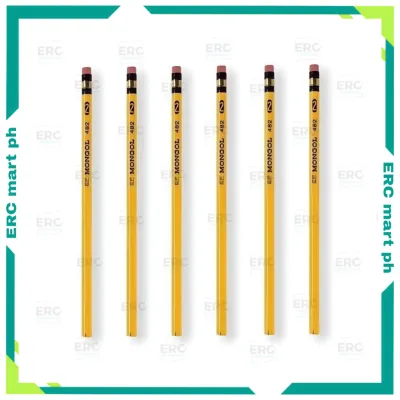
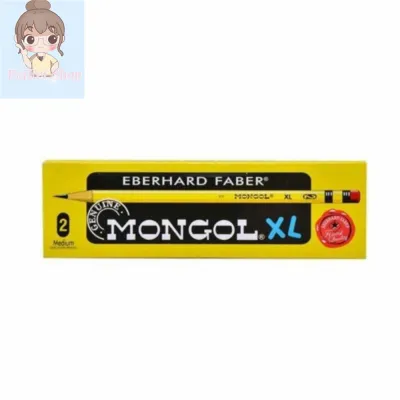
![WS★12pcs 1box Mongol XL Pencil [B2]](https://img.lazcdn.com/g/p/5b00c4d748aac240eeca2558c2f13e00.jpg_400x400q80.jpg_.webp)
Prices are valid at publication and may change. Please refer to the product page for the latest price.
Furthermore, the writing smoothness of a counterfeit pencil is significantly inferior. Instead of gliding effortlessly across the paper, a fake pencil often feels scratchy, requiring extra physical effort that causes hand fatigue, especially for young children who are still developing their grip strength. The graphite transfer is often uneven, leaving faint or inconsistent lines that are difficult to read.
The eraser on a counterfeit pencil presents another major issue. Genuine erasers are formulated to lift graphite cleanly from the page without damaging the paper fibers. In contrast, cheap imitation erasers tend to be hard, synthetic, and abrasive. Instead of erasing, they smudge the graphite across the page, leaving unsightly dark streaks, or worse, tearing through school notebooks and exam sheets. This is particularly problematic in humid tropical environments, where paper naturally absorbs moisture and becomes more susceptible to tearing under abrasive friction.
Ultimately, purchasing counterfeit school and office supplies leads to wasted money. While the initial price tag of a counterfeit pack might seem appealing, the rapid wear, frequent breakage, and poor usability mean you will end up replacing them much sooner than a single, high-quality original pencil.
Step-by-Step Visual and Physical Authenticity Checks
To protect yourself from counterfeit products, you should perform a systematic physical inspection of the pencils and their packaging before use.

First, examine the packaging closely. Genuine packaging features sharp, high-contrast printing with vibrant colors and clear, legible text. Counterfeit boxes often display blurry logos, faded colors, or slight spelling errors in the brand name or product descriptions. Look for official brand markings, registered trademark symbols, and clean barcode prints. If the cardboard box feels flimsy, lacks a glossy finish, or has misaligned glue seams, it is highly likely to be an imitation.
Second, inspect the pencil body itself. A genuine Mongol XL Jumbo pencil is designed with a thicker barrel to accommodate comfortable grips for early writers. The yellow paint on the barrel should be smooth, even, and free of bubbles, chips, or running paint. Check the gold or black foil stamping on the side of the pencil. On an original, the “Mongol” and “XL Jumbo” text will be perfectly aligned, crisp, and deeply stamped into the wood. Counterfeit versions often have faint, smudged, or crooked lettering that easily scrapes off with a fingernail.
Third, pay close attention to the ferrule—the metal band holding the eraser. The classic green and yellow ferrule of a Mongol pencil should be securely crimped to both the wooden barrel and the eraser. On fake pencils, this metal band is often loosely attached, crooked, or made of thin, easily bent metal that can scratch fingers. The eraser itself should be soft, pliable, and firmly seated within the ferrule.
Finally, observe the wood grain and sharpening behavior. Original Mongol pencils use high-quality, straight-grained wood that sharpens smoothly without splintering. When you use a standard jumbo sharpener, the wood should shave off in clean, continuous ribbons. If the wood splinters excessively, cracks down the side, or reveals a rough, fibrous texture, it indicates cheap alternative casing materials common in counterfeit manufacturing.
Comparing Genuine and Counterfeit Characteristics
To help you quickly evaluate your stationery, it is helpful to contrast the observable characteristics of genuine and counterfeit pencils side by side. While a single minor manufacturing variance might occasionally occur on an original production line, encountering multiple discrepancies is a definitive sign of a counterfeit product.
| Feature | Genuine Mongol XL Jumbo | Counterfeit / Imitation |
|---|---|---|
| Packaging Print | Sharp, high-contrast text, accurate brand logos, and robust cardboard. | Blurry text, faded colors, misaligned graphics, or thin cardboard. |
| Foil Stamping | Crisp, deeply embossed "Mongol" and "XL Jumbo" lettering that does not peel. | Faint, smudged, or crooked printing that easily scrapes off. |
| Wood Casing | Straight-grained wood that sharpens smoothly into clean ribbons. | Coarse, splintering wood that cracks easily during sharpening. |
| Graphite Core | Centered, break-resistant lead that glides smoothly on paper. | Off-center, brittle lead that snaps frequently and scratches paper. |
| Eraser & Ferrule | Securely crimped green/yellow ferrule with a soft, smudge-free pink eraser. | Loose, sharp-edged ferrule with a hard, abrasive eraser that smudges. |
When evaluating these features, remember to test the pencil on standard school paper. A genuine pencil will leave a dark, consistent mark with minimal pressure, whereas a counterfeit will often require heavy hand pressure, leading to paper indentation and rapid hand fatigue.
Safe Purchasing Channels for Original Pencils
The most effective way to avoid counterfeit stationery is to be selective about where you shop. Purchasing from established, reputable retail environments significantly reduces the risk of acquiring fake goods.
When shopping offline, prioritize authorized school and office supply retailers, major department stores, and well-known supermarket chains. These businesses source their inventory directly from official distributors, ensuring that every item on the shelf meets strict quality control standards.
If you prefer shopping online, look for official brand stores or certified flagship malls on major e-commerce platforms. These sellers carry verification badges that guarantee product authenticity. When dealing with third-party sellers on online marketplaces, always check customer reviews, seller ratings, and the product Q&A section. Look for reviews that include real photos of the packaging and the sharpened pencils, paying close attention to any feedback mentioning frequent lead breakage or poor eraser quality.
Be highly suspicious of deals that seem too good to be true. If a seller offers bulk packs of Mongol XL Jumbo pencils at prices significantly below the standard retail rates in pesos (₱), it is a major red flag. Counterfeiters often lure buyers with extreme discounts, especially during back-to-school seasons. Remember that genuine manufacturing, quality wood, and non-toxic paint standards require a baseline cost; prices that fall far below this threshold usually indicate compromised quality and safety.
What to Do If You Receive a Suspected Fake
If you suspect that you have received counterfeit pencils, taking prompt action can help you recover your money and prevent the seller from deceiving other consumers.
First, document the evidence immediately. Take clear, high-resolution photographs of the product from multiple angles. Capture close-up shots of the blurry packaging text, the misaligned foil stamping on the pencil body, any splintered wood, and the smudging caused by the eraser. If possible, take a short video demonstrating how easily the lead breaks during normal writing or sharpening.
Next, contact the seller directly through the e-commerce platform’s messaging system. State clearly that you believe the product is not a genuine mongol xl jumbo original and provide the photographic evidence you gathered. Request a full refund or a replacement with genuine items. Many reputable platforms offer buyer protection programs that cover counterfeit goods, provided you initiate the dispute within the allowed return window.
If the seller is uncooperative, refuses to communicate, or denies the claim despite clear evidence, escalate the issue by reporting the listing to the e-commerce platform’s customer support. Most platforms have strict policies against the sale of counterfeit merchandise and will take down listings or penalize sellers who violate these rules. Additionally, you can report the incident to local consumer protection authorities to help keep substandard and potentially unsafe school supplies out of the market.
Frequently Asked Questions (FAQ)
Can I verify a Mongol pencil using an official app or website?
Currently, there is no universal mobile app dedicated solely to scanning individual Mongol pencils for authenticity. However, you should check the manufacturer’s official website or verified social media channels for updates on security features, such as specific QR codes on bulk packaging, updated barcode formats, or holographic seals. Avoid downloading unofficial, third-party verification apps from untrusted sources, as these are often inaccurate and may compromise your device’s security.
Do fake Mongol XL Jumbo pencils have a different smell?
Counterfeit pencils can sometimes emit a distinct, unpleasant odor. Genuine pencils are typically made from treated wood that has a mild, natural woody scent. Counterfeit pencils, however, often use cheap, low-grade wood alternatives or chemical-heavy glues and paints. This can result in a strong, pungent chemical or musty smell when you open the packaging or sharpen the pencil. While a strange odor is a strong indicator of poor manufacturing, you should always combine this observation with visual and performance checks for a definitive assessment.
Are counterfeit pencils safe for daily school use?
Counterfeit pencils are not recommended for daily school use, especially for young children who frequently put pencils or erasers near their mouths. Genuine manufacturers adhere to strict safety standards, ensuring that the paints, lacquers, and materials used are non-toxic and lead-free. Counterfeit manufacturers operate without regulatory oversight, meaning their paints may contain harmful chemicals or heavy metals. Additionally, the physical hazards of splintering wood and sharp, poorly crimped metal ferrules pose minor injury risks. For daily schoolwork, exams, and peace of mind, it is always best to replace suspected fakes with verified original pencils.

Community discussion
Share your experience or ask a question. Comments are reviewed before publication.