
Infusing plain paper with essential oils is a simple, rewarding way to elevate your personal stationery, journals, and gift tags. By utilizing basic household items and natural botanical extracts, you can transform ordinary sheets into sensory keepsakes that carry a subtle, lasting aroma. The process relies on the natural affinity between porous paper fibers and volatile plant oils, allowing you to craft custom scented writing materials without relying on harsh synthetic chemicals.
Whether you are preparing a handwritten letter, assembling wedding invitations, or creating aromatic drawer liners, success lies in balancing moisture and fragrance. Too much liquid can warp or stain your paper, while too little will cause the scent to dissipate rapidly. By mastering a few simple techniques, you can achieve a professional-grade finish that preserves both the structural integrity of the paper and the purity of the fragrance.
Gathering Your Materials and Tools
Selecting the right materials is essential to ensure a clean, long-lasting result. The foundation of your project is the paper itself. For the best fragrance absorption, prioritize uncoated, porous papers with a high cotton content or a textured finish. Standard printer paper can be used, but its smooth, heavily processed surface and chemical coatings often resist oil absorption and are highly prone to warping when exposed to moisture.
Products mentioned in this guide
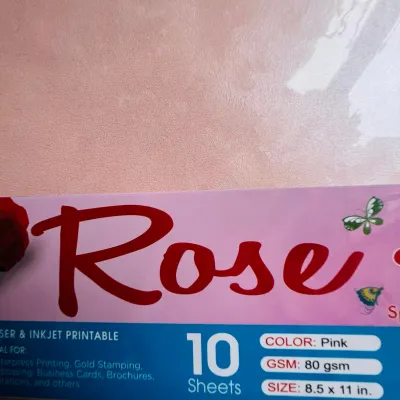
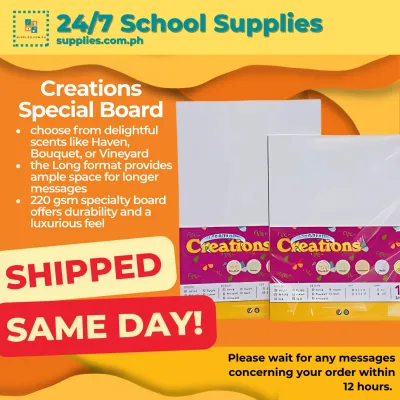
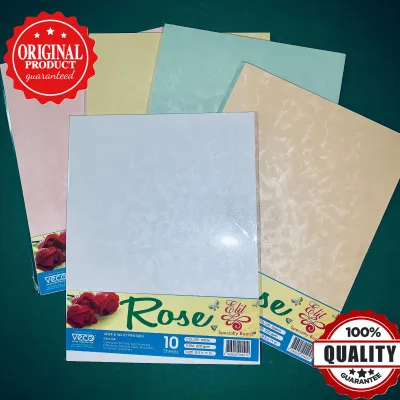
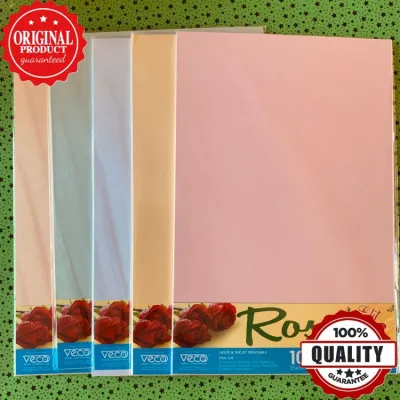
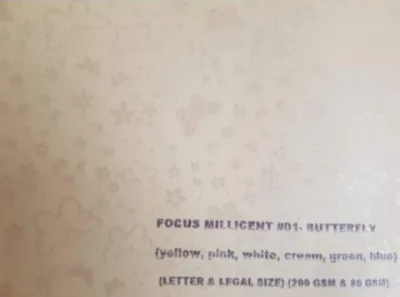
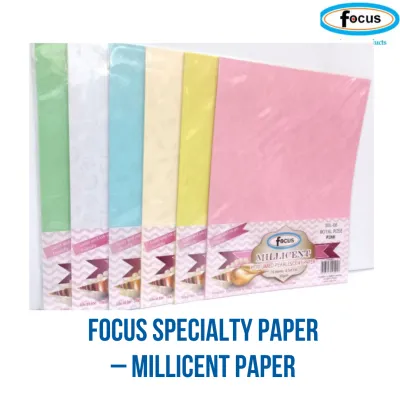
Prices are valid at publication and may change. Please refer to the product page for the latest price.
Your choice of essential oils will directly impact both the scent profile and the safety of your finished stationery. Opt for pure, high-quality essential oils rather than synthetic fragrance oils if you prefer a natural botanical aroma. Keep in mind that some oils, such as citrus or dark resins, carry natural pigments that can easily stain light-colored paper. If you plan to dilute your oils for a spray application, you will also need a suitable carrier or dispersant, such as high-proof isopropyl alcohol, to help the oil mix evenly with water.
The tools required for this DIY project are simple and can easily be found around the home. For direct application, a fine mist spray bottle made of glass is highly recommended, as essential oils can degrade certain types of plastic over time. For indirect scenting, you will need a clean, airtight container—such as a large glass jar, a plastic storage box with a silicone seal, or a heavy-duty zip-lock bag. Additionally, keep glass droppers, clean cotton balls, and clean blotting paper on hand to manage the oil application precisely.
Step-by-Step Guide to Infusing Paper with Fragrance
To begin, set up a clean, dedicated workspace in a well-ventilated room. Essential oils are highly concentrated, so open a window or turn on a fan to maintain comfortable air circulation. Protect your work surface from potential oil stains and moisture damage by laying down a protective barrier, such as a silicone baking mat or a sheet of wax paper. Ensure your hands are clean and dry before handling your stationery to prevent transferring natural skin oils or dirt to the sheets.

The first method for scenting paper is the misting technique, which is ideal for treating multiple sheets quickly. To prepare the spray, mix a few drops of your chosen essential oil with a small amount of high-proof alcohol in your glass spray bottle, then dilute the mixture with distilled water. Shake the bottle vigorously before each use to ensure the oil is temporarily dispersed. Hold the spray bottle at least thirty centimeters away from the paper and release a very fine, light mist into the air, letting the droplets settle gently onto the paper. Avoid spraying the paper directly at close range, as this will create wet spots and cause the fibers to swell and warp.
The second method is the enclosed infusion technique, which is the safest option for delicate, expensive, or highly textured papers because it avoids all direct liquid contact. Place a few drops of pure essential oil onto a clean cotton ball or a cosmetic pad. Position this scented medium at the bottom of your airtight container, then place a clean sheet of parchment or blotting paper over it to act as a barrier. Stack your stationery sheets neatly on top of the barrier, seal the container tightly, and let it sit undisturbed for several days. The volatile aromatic compounds will evaporate from the cotton ball and gradually saturate the paper fibers in the enclosed space.
Once your paper has been treated, proper drying and curing are vital to lock in the fragrance and restore the paper’s flat texture. If you used the misting technique, lay the sheets completely flat on a clean, dry towel or a wire drying rack in a shaded area. Avoid placing the wet paper in direct sunlight or near a high-heat source like a hair dryer, as extreme heat will cause the essential oils to evaporate rapidly and can warp the paper fibers permanently. For the best results, let the paper cure in a cool, dry room for at least twenty-four hours before writing on it or packing it away.
Selecting the Best Paper and Essential Oil Combinations
Achieving a harmonious balance between your paper type and your chosen essential oil requires an understanding of how different materials interact. Highly porous papers, such as cotton-based stationery, watercolor paper, and handmade mulberry paper, are excellent candidates for scenting. Their loose, long fibers act like tiny sponges, trapping the oil molecules deeply within the sheet. In contrast, standard coated printer papers or glossy cardstocks have sealed surfaces that prevent the oil from penetrating, resulting in a sticky residue and a scent that fades within hours.
The longevity of your scented paper also depends on the volatility of the essential oils you select. Essential oils are categorized into top, middle, and base notes based on how quickly they evaporate. Top notes, such as lemon, sweet orange, and bergamot, offer a bright, immediate fragrance but evaporate very quickly, often lasting only a few days on paper. Middle notes, like lavender, chamomile, and rosemary, provide a moderate lifespan. Base notes, such as patchouli, cedarwood, sandalwood, and vetiver, consist of heavy, complex molecules that cling to paper fibers tenaciously, often keeping your stationery fragrant for weeks or even months.
Before committing to a large batch of scented stationery, always perform visual and tactile checks on a small scrap piece of your chosen paper. Apply a tiny drop of your diluted oil mixture to an inconspicuous corner and let it dry completely. Observe the paper for any signs of warping, pilling, or fiber degradation. Additionally, check for discoloration or oily rings, which can ruin the appearance of light-colored sheets. It is also wise to test your writing instruments—such as fountain pens, gel pens, or calligraphy inks—on the treated scrap paper to ensure the oil infusion does not cause your ink to feather, bleed, or resist adhering to the surface.
Storing and Preserving Your Scented Stationery
Once you have successfully scented your paper, proper storage is key to maintaining its fragrance and physical quality until you are ready to use it. To prevent the volatile oils from evaporating into the surrounding air, store your finished stationery in an airtight environment. Glass jars with rubber gaskets, decorative metal tins with tight-fitting lids, or heavy-duty zip-lock bags are all excellent choices. Grouping similar scents together in separate containers will prevent different fragrances from blending and creating an undesirable aroma.
Environmental factors can quickly degrade both the scent and the paper structure, especially in warm, humid climates like the Philippines. High humidity can introduce excess moisture into your storage containers, leading to paper warping or even mold growth on organic fibers. Keep your storage containers in a cool, dark, and dry place, such as a closet shelf or a desk drawer, away from direct sunlight, air conditioning vents, and humid areas like kitchens or bathrooms. You can also place a small, food-safe silica gel packet inside the storage container to absorb any residual moisture without affecting the fragrance.
Over time, even the most carefully stored scented paper will gradually lose its aroma. When this happens, you can easily refresh the fragrance without subjecting the paper to additional moisture. Simply place a freshly scented cotton ball or a small sachet of dried herbs infused with essential oils back into the storage container alongside your stationery. Keep the container sealed for a few days, and the paper will absorb the fresh vapors, restoring its aromatic appeal. This gentle, indirect method allows you to extend the life of your custom stationery indefinitely without risking water damage or ink bleeding.
Troubleshooting Common Scenting and Paper Issues
Even with careful preparation, you may occasionally encounter issues when scenting paper at home. One of the most common problems is paper warping or cockling, which occurs when the paper absorbs too much moisture during a spray application. If your sheets dry with a wavy texture, you can flatten them by placing them between two sheets of clean, heavy blotting paper or plain parchment paper. Press the sandwich under a stack of heavy books for twenty-four hours. Alternatively, you can run a dry household iron on its lowest heat setting over the protective parchment paper, moving the iron constantly to avoid scorching the fibers.
If you find that your paper has an uneven scent distribution or an overpowering fragrance, simple aeration is the best remedy. An overpowering scent often happens when too many drops of a heavy base note, like patchouli or ylang-ylang, are used in a small container. To fix this, remove the paper from its airtight container and spread the sheets out in a well-ventilated, shaded room for a few hours. The excess volatile compounds will disperse naturally into the air, leaving behind a much softer, more pleasant aroma. For future batches, adjust your recipe by reducing the oil concentration or increasing the curing time.
Visible oil spots or greasy residues are usually the result of direct contact with undiluted essential oils or using a spray bottle that produces large droplets instead of a fine mist. If you notice oil stains on your finished paper, you can attempt to draw out the excess oil by dusting a small amount of cornstarch or talcum powder over the affected area. Let the powder sit on the stain for several hours to absorb the oil, then gently brush it away with a soft, clean makeup brush. To prevent this issue entirely, always use the enclosed infusion technique for delicate papers, or upgrade to a high-quality glass atomizer that guarantees an ultra-fine mist.
Frequently Asked Questions (FAQ)
Can I use synthetic fragrance oils instead of essential oils?
Yes, you can use synthetic fragrance oils to scent your paper, but there are distinct differences in performance and handling. Synthetic fragrance oils are specifically engineered to be highly stable and often last significantly longer on paper fibers than natural essential oils. However, they may contain complex chemical carriers that can react unpredictably with certain paper coatings, potentially causing discoloration or a sticky residue over time. When working with synthetic alternatives, it is crucial to work in a well-ventilated space, as the concentrated synthetic vapors can sometimes be stronger and more irritating to the respiratory system than natural botanical extracts.
How long does the scent typically last on homemade paper?
The lifespan of the fragrance on your homemade paper depends on the volatility of the oil used, the porosity of the paper, and how the stationery is stored. Under optimal conditions—such as using a heavy base note like cedarwood on cotton paper and storing it in a sealed glass jar—the scent can easily last for several months. Conversely, light citrus top notes on standard printer paper may fade within a few days if left exposed to the open air. You will know the scent has degraded when the bright, characteristic notes of the oil fade, leaving behind a faint, flat aroma, or when the natural oils begin to oxidize, which can occasionally alter the scent profile slightly.
Is it safe to use DIY scented paper for food wrapping or baking?
No, DIY scented paper made with essential oils or synthetic fragrance oils should never be used for food wrapping, baking, or any direct food contact. Essential oils are highly concentrated chemical compounds that are not safe for ingestion, and many can cause adverse reactions or toxicity when transferred to food items. Additionally, standard craft papers, inks, and DIY dispersants are not food-grade and may contain harmful additives. Keep your DIY scented paper projects strictly limited to stationery, personal letters, scrapbooking, gift tags, and household drawer liners to ensure complete safety.

Community discussion
Share your experience or ask a question. Comments are reviewed before publication.