
Selecting the right archival paper depends entirely on what you are preserving and the environment in which you store it. Whether you are safeguarding historical family documents, mounting photographs, or creating artwork that needs to survive generations, matching the paper’s chemical composition and physical weight to your medium is essential. In tropical climates like the Philippines, where high humidity and heat can accelerate chemical breakdown and mold growth, choosing the correct specifications becomes even more critical to prevent yellowing, brittleness, and ink degradation over time.
Understanding Archival Paper Standards and Specifications
To choose the right paper, you must first understand the terms used on manufacturer packaging. The most common label is “acid-free,” which indicates the paper has a pH level of 7.0 (neutral) or higher (alkaline) at the time of manufacture. However, standard acid-free paper can still absorb acids from the surrounding environment or from the medium applied to it. For long-term preservation, look for “alkaline-buffered” paper, which contains an additive like calcium carbonate to neutralize migrating acids over time.
The raw material of the paper also dictates its longevity. High-quality archival papers are typically made from 100% cotton rag or alpha-cellulose wood pulp. Cotton rag is naturally acid-free and lignin-free, offering the highest level of durability and resistance to deterioration. Alpha-cellulose is wood pulp that has been chemically processed to remove lignin—the organic polymer that causes wood-based paper to turn yellow and brittle when exposed to light and air.
Products mentioned in this guide
Prices are valid at publication and may change. Please refer to the product page for the latest price.
When examining product specifications, always check for “lignin-free” claims. Additionally, be cautious of papers containing optical brightening agents (OBAs). While OBAs make paper look exceptionally bright and white under UV light, these chemicals degrade over time, causing the paper to return to its natural off-white or yellowish tone. For true archival preservation, OBA-free papers are generally recommended to ensure color stability over decades.
Matching Archival Paper to Your Specific Preservation Scenarios
Different preservation tasks require different paper weights, textures, and chemical properties. There is no single paper type that excels at every task; instead, you must evaluate your specific medium—whether it is fountain pen ink, watercolor, or photographic emulsion—against the paper’s physical and chemical characteristics. Checking medium compatibility through small-scale testing is always recommended before committing to a large preservation project.

Document Storage and Record Keeping
For written records, journals, and official documents, the texture of the paper plays a significant role in legibility and preservation. A smooth finish, such as a hot-press or satin surface, is ideal because it prevents ink feathering and allows writing instruments to glide effortlessly. If you use fountain pens or gel pens, a smooth, dense surface ensures that the ink dries cleanly without spreading into the fibers, keeping your handwriting sharp and legible for decades.
Paper weight is another critical factor for documents. Standard writing paper typically ranges from 80 gsm to 120 gsm. If you plan to write on both sides of the page, choose a higher weight and density to ensure high opacity. Low opacity leads to bleed-through and ghosting, which not only looks untidy but can also make the text on both sides illegible over time as the inks age and migrate.
When selecting paper for double-sided document storage, verify how the paper reacts to your specific ink. Pigment-based inks are highly recommended for archival writing because they resist water and light fading far better than dye-based inks. Testing a small sample sheet with your preferred pen will help you observe the drying speed and bleed resistance before you begin transcribing important records.
Artwork and Illustration Preservation
Artists and illustrators must match their paper selection to the physical demands of their chosen medium. Dry media like charcoal, graphite, and pastel require a paper with a distinct texture or “tooth” to grab and hold the pigment particles. A rough or cold-press finish provides the necessary friction, preventing the medium from smudging or lifting off the page easily.
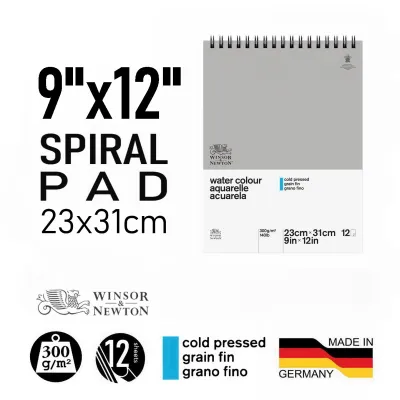
For wet media such as watercolor, gouache, or acrylics, paper weight is the most critical specification. Standard drawing papers will buckle, warp, and pill when exposed to water. To prevent this, select heavy-weight archival papers, typically 300 gsm or higher. These thick papers can absorb significant moisture without losing their structural integrity, ensuring your artwork remains flat and undamaged during and after the creative process.
Surface durability and erasability are also vital for illustration work. Archival papers made from 100% cotton rag are incredibly resilient, allowing you to erase, scrape, or apply masking fluid without tearing the surface fibers. Before starting a major piece, check the manufacturer’s specifications regarding surface sizing, which controls how water and pigment penetrate the paper, and perform a quick test to ensure the paper can withstand your specific layering and erasing techniques.
Photograph Storage and Scrapbooking
Preserving photographs and physical memorabilia requires strict attention to chemical compatibility. Photographic emulsions are highly sensitive to acidic environments, which can cause fading, discoloration, and silver mirroring. For these projects, always select alkaline-buffered archival paper. The buffer acts as a shield, neutralizing any acidic contaminants that might migrate from the photos themselves, old adhesives, or the surrounding air.
The physical thickness of the backing paper in scrapbooks and photo albums must be substantial enough to support the weight of mounted items. Photos, ticket stubs, and decorative elements add weight and tension to the page. Using a lightweight paper will cause the pages to sag, crease, or tear at the mounting points. Opt for heavy cardstock, ideally 200 gsm or higher, to provide a rigid, stable foundation for your layouts.
Furthermore, the safety of your preservation project depends on the entire assembly, not just the paper. Ensure that any adhesives, photo corners, or mounting tapes you use are explicitly labeled as archival-safe, acid-free, and photo-safe. Avoid standard rubber cement, liquid school glues, or acidic sticky tapes, as these will inevitably yellow, dry out, and damage both the archival paper and your irreplaceable photographs over time.
Choosing the Right Notebook Format and Binding
If you prefer to keep your records, sketches, or journals in a bound format, the construction of the notebook is just as important as the paper inside. Traditional glued bindings can dry out and crack over time, especially in warm, humid environments, leading to loose pages and broken spines. Stitched bindings, particularly Smyth-sewn or thread-bound designs, offer superior durability because the pages are sewn together in sections, preventing them from falling out even with frequent use.
A lay-flat binding is highly recommended for archival notebooks. When a notebook can open completely flat without tension, it eliminates spine stress and prevents the pages from tearing near the gutter. This design also makes it much easier to write or draw across the entire surface of the page without forcing the binding, preserving the physical integrity of the book over years of handling.
The choice between a hardcover and a softcover notebook depends on your storage and handling needs. Hardcovers provide excellent physical protection against bending, corner dings, and impact, making them ideal for vertical shelf storage. Softcovers, while lighter and more flexible for carrying, offer less structural support and can allow the archival pages inside to crease if stored improperly. If you choose a softcover, consider keeping it in a protective slipcase.
Finally, if you anticipate needing to remove pages for scanning, framing, or separate filing, look for notebooks with high-quality micro-perforations. Clean perforations allow you to detach sheets cleanly without tearing the archival paper or damaging the notebook’s binding. If the perforations are poorly made, attempting to remove a page can cause jagged tears that ruin the margins of your work.
Verifying Archival Claims and Storage Conditions
Because the term “archival” is not strictly regulated, you must verify manufacturer claims before trusting your valuable items to a product. Look for specific references to international standards on the packaging, such as ISO 9706, which specifies the requirements for permanence in paper. Cross-referencing the product label with the manufacturer’s online specification sheets can help you confirm details like pH levels, cotton content, and the absence of lignin or OBAs.
Even the highest-quality archival paper cannot protect your items if the storage environment is poor. In tropical regions like the Philippines, managing humidity is the single greatest challenge for preservation. High relative humidity encourages mold growth and accelerates chemical reactions that degrade paper and ink. Aim to store your archival notebooks and documents in a cool, dry place, away from direct sunlight and fluctuating temperatures.
To add an extra layer of protection, store your documents, photos, or notebooks inside archival-grade storage boxes, polyester sleeves, or acid-free folders. These enclosures shield your items from dust, light, and atmospheric pollutants. Avoid storing precious items in standard plastic bins made from PVC, as these release harmful gases as they age, which can degrade the paper and images inside.
For highly valuable, fragile, or historically significant items that show signs of active deterioration, do not attempt DIY restoration. Stop and consult a professional conservator. They have the specialized tools and expertise to stabilize delicate materials without causing further damage, ensuring your historical treasures are preserved safely for future generations.
Frequently Asked Questions (FAQ)
Can I use standard acid-free paper for long-term photograph storage?
Standard acid-free paper is generally safe for short-term use, but long-term photograph storage requires paper that is specifically certified as photo-safe. Look for products that have passed the Photographic Activity Test (PAT), an international standard that ensures the paper will not react chemically with photographic emulsions. For most photographic prints, alkaline-buffered paper is preferred to neutralize external acids, though certain historical photo types (like cyanotypes) require unbuffered paper.
Does archival paper guarantee that my documents will never degrade?
No, archival paper does not guarantee absolute preservation on its own. Paper quality is only one component of a successful preservation strategy. Environmental factors—such as exposure to high humidity, extreme temperatures, ultraviolet light, and air pollution—play a massive role in how quickly materials degrade. Proper handling with clean hands, using archival-safe inks, and storing your documents in controlled, dark environments are all necessary to ensure true longevity.
Community discussion
Share your experience or ask a question. Comments are reviewed before publication.