
Selecting the right drawing tube canister is essential for preserving the integrity of your sketches, architectural blueprints, watercolor paintings, and canvas prints. When transporting artwork through bustling city streets or storing it long-term, a poorly sized tube can cause permanent creases, frayed edges, or moisture damage. To find the ideal fit, you must balance the physical dimensions of your unrolled paper with the structural limits of the canister.
The core decision relies on two primary measurements: the length of your artwork’s longest edge and the natural rolling diameter of the medium. In tropical climates like the Philippines, where high humidity can soften paper fibers and make them more susceptible to warping, choosing a canister that does not force a tight roll is critical. By understanding how paper weight, protective layers, and tube materials interact, you can ensure your creative work remains flat, pristine, and ready for display.
Measuring Your Artwork to Establish Baseline Dimensions
Before purchasing a drawing tube canister, you must measure your unrolled artwork to establish its baseline dimensions. Start by laying the piece flat on a clean, dry surface. Use a reliable metal ruler or measuring tape to find the exact length of the longest edge. This measurement represents the absolute minimum internal length your tube must have to prevent the ends of the paper from crumpling against the caps.
Products mentioned in this guide
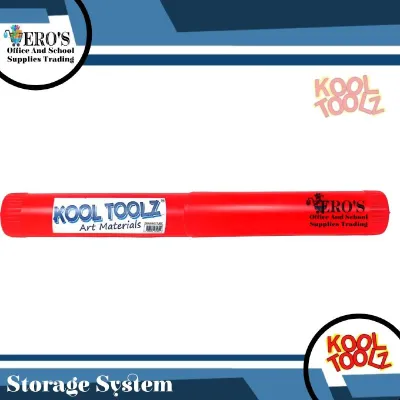
273 Lazada user ratings
Perfect for storing and transporting blueprints., Great for artists on the go., Easy to use and carry., Protects artwork from damage., Prote…Read full reviewShow less
Perfect for storing and transporting blueprints., Great for artists on the go., Easy to use and carry., Protects artwork from damage., Protects artwork from damage., Sturdy and durable design., Sturdy and durable design., Ideal for architects and engineers., Convenient telescoping feature.,
Protects artwork from damage., Versatile and multipurpose., Easy to use and carry., Sleek and stylish appearance.,
Ideal for architects and engineers., Excellent quality and craftsmanship., Protects artwork from damage.,
Small diameter pero ok na rin for a few documents. Cheaper too. Recommended if you are on a tight budget
Perfect for storing and transporting blueprints., Easy to use and carry.,
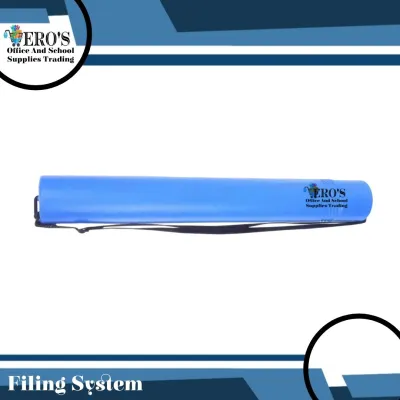
27 Lazada user ratings
yeeyy goods naman at sakto lang laki niya, kasya malalaking paper, naeextend din. secured siya kapag naka-close ung canister, di nagoopen ka…Read full reviewShow less
yeeyy goods naman at sakto lang laki niya, kasya malalaking paper, naeextend din. secured siya kapag naka-close ung canister, di nagoopen kapag nakasabit sa balikat tulad nung binili ko last time huhur, overall goods nmn
etbg d egbsc dgbsg dgbsg ge sneg dgbeg dv eg v sfbdv e sv dv eg dg dg dge d gbef dfbx sfbdv dfbeg sfbd sgbdg sbeg sv edc. eg dv dg sc dg xv …Read full reviewShow less
etbg d egbsc dgbsg dgbsg ge sneg dgbeg dv eg v sfbdv e sv dv eg dg dg dge d gbef dfbx sfbdv dfbeg sfbd sgbdg sbeg sv edc. eg dv dg sc dg xv wrbefbeg egbd dg dg dg dg dg rg d g dg d ev dg r ge dg dv dg d g dg ge
Good quality and sturdy, i just dont like the idea that you have to pull out both ends of the barrel to open the tube
Perfect for storing blueprints, Convenient telescoping design, Great for organizing art supplies,
Great for organizing art supplies, Keeps artwork safe and secure, Convenient telescoping design,
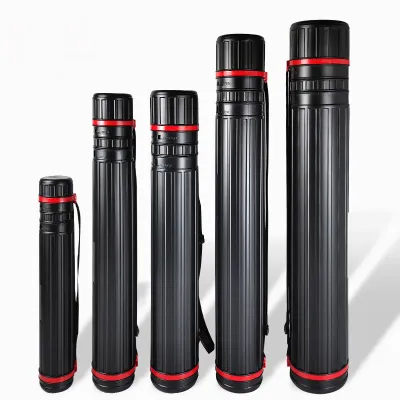
296 Lazada user ratings
Nice quality product! Maayos ang wrap and nakaseparate pang plastic sa loob. Complete rin with tali and all. Thanks!
Easy to carry and transport, Convenient and versatile design, Protects your documents and artwork,
Saves space and keeps everything organized, Quality:Adjustable length for different sizes,
Protects your documents and artwork, Durable and sturdy construction, very cheap price
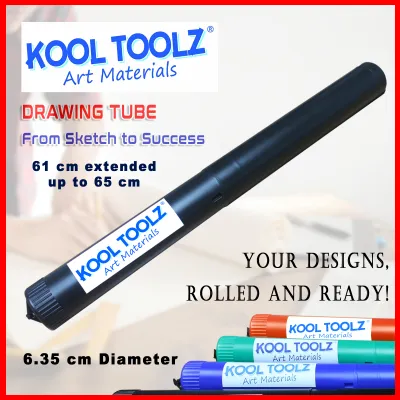
70 Lazada user ratings
Compact and lightweight design, Ideal for storing blueprints, safe na safe papeles sa lupa ko. Hindi na ko mag alala pa na malulukot ito
very nice quality and fast delivery..legit seller more power to your shop will definitely buy again to this store thanks Godbless!!!
Quality:good Price:fair Variety:fair flexible materials and mukhang matibay. will buy again next time. hope available na other color
excellent quality. good purchase... will order again..................
Quality:100% Price:100% Variety:100%
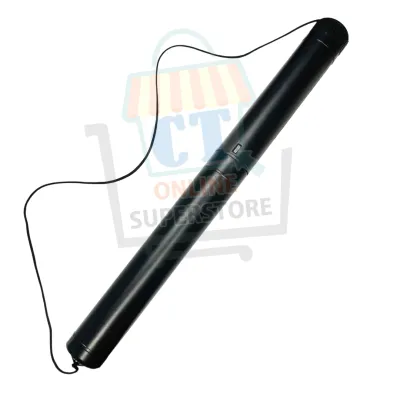
211 Lazada user ratings
Protects artwork from getting damaged, Convenient and practical design, Helps to keep drawings neat and tidy, Great for keeping drawings saf…Read full reviewShow less
Protects artwork from getting damaged, Convenient and practical design, Helps to keep drawings neat and tidy, Great for keeping drawings safe, Ideal for organizing art supplies, Easy to carry around, Variety of colors to choose from, Great gift for kids,
As the name implies this is a cool buy. The price is very reasonable. I only need the tube for courier purposes and I don't want to pay so m…Read full reviewShow less
As the name implies this is a cool buy. The price is very reasonable. I only need the tube for courier purposes and I don't want to pay so much for it. The material is not rock hard but serves the purpose of protecting documents.
Functionality:very flexible design Quality:very goo for its price Value for Money:100% it's very popular to yeh customers for my blue print …Read full reviewShow less
Functionality:very flexible design Quality:very goo for its price Value for Money:100% it's very popular to yeh customers for my blue print business
The item was well packed by the seller and arrived safely with no damage. We are satisfied with the quality.
The item is quite good... Thank you seller for the very fast delivery... Might order again... Thanks.
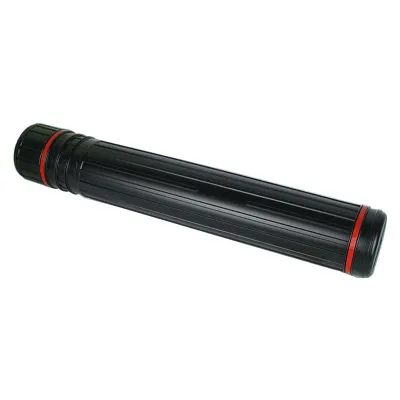
9 Lazada user ratings
Flexible and easy to use, Adjustable shoulder strap for easy carrying, Great for artists and professionals, Sleek and stylish black color, I…Read full reviewShow less
Flexible and easy to use, Adjustable shoulder strap for easy carrying, Great for artists and professionals, Sleek and stylish black color, Ideal for storing blueprints and drawings, Perfect for carrying artwork on the go,
Quality:hindi sya matigas Price:pwede na par sa price Versatility:malambot pero nahaba.Sleek and stylish black color, Excellent value for mo…Read full reviewShow less
Quality:hindi sya matigas Price:pwede na par sa price Versatility:malambot pero nahaba.Sleek and stylish black color, Excellent value for money,
A bit deformed but it's okay. Can fix it. These items are just for the fraps for career day. Thanks
Perfect for carrying artwork on the go, Keeps posters and documents safe and crease-free,
Nice drawing tube
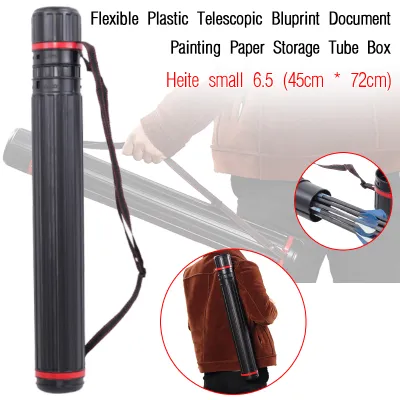
28 Lazada user ratings
medyo nakaka disappoint kasi yung order ko is 63*108cm pero mas maliit pa yung mismong product na binigay sa akin. Yung binigay sa akin is a…Read full reviewShow less
medyo nakaka disappoint kasi yung order ko is 63*108cm pero mas maliit pa yung mismong product na binigay sa akin. Yung binigay sa akin is around 40+*70+.
Used to store wrapping paper. Expanded to what I needed which was 30 inches. Bought two. Happy with the purchase.
Ideal for blueprint storage, Perfect for storing large documents, Keeps documents from getting bent or creased,
Perfect for storing large documents, Easy to carry with adjustable shoulder strap. And easy to adjust length.
Good. Perfect for what I need
Prices are valid at publication and may change. Please refer to the product page for the latest price.
Next, you need to estimate the rolled diameter of the artwork, which is determined by the paper’s thickness and the total sheet count. A single sheet of lightweight tracing paper can easily roll into a tight cylinder with a diameter of less than 3 centimeters. Conversely, heavy watercolor paper resists bending and requires a much larger rolling diameter to avoid structural damage to the fibers. To find this baseline, gently roll your artwork as loosely as possible without forcing it, and measure across the circular opening of the roll.
You must also account for any additional materials that will accompany the artwork inside the tube. If you plan to wrap your piece in acid-free glassine paper, place it inside a plastic protective sleeve, or roll it alongside a flexible mounting board, these layers will add significant bulk. Measure the rolled diameter with all these protective elements fully assembled. Neglecting to include these extra millimeters can result in a roll that is too tight to slide smoothly into the canister, risking surface abrasion when you try to force it inside.
Choosing a Diameter That Prevents Creasing and Shifting
Selecting the correct canister diameter is a delicate balance between protecting your artwork from tight-rolling tension and preventing it from shifting excessively during transit. Standard drawing tube canisters generally come in diameters ranging from 5 centimeters to over 12 centimeters. Each size category serves a specific range of paper weights and media types, making it important to match your specific project to the correct tube width.

For lightweight papers, such as standard 80 gsm bond paper, architectural plots, or thin sketching sheets, a smaller diameter of 5 to 7.5 centimeters is usually sufficient. These papers are highly flexible and can tolerate being rolled relatively tightly without retaining a heavy curl. However, if you are transporting delicate charcoal drawings, pastels, or heavy mixed-media pieces, a narrow tube can cause the media to flake off or the paper fibers to crack.
Heavyweight media, including 300 gsm watercolor sheets, oil paintings on canvas, and thick poster boards, require a minimum diameter of 10 to 12 centimeters. Forcing these rigid materials into a narrow tube creates intense physical stress, leading to deep creases that are nearly impossible to flatten out later. A wider diameter allows the paper to rest in a gentle, relaxed curve, preserving the bond between the pigment and the surface.
While a wider tube is generally safer for thick media, you must ensure there is not too much empty space inside the canister. If a rolled artwork is significantly smaller than the tube’s internal diameter, it will expand outward to fill the space, but it can also slide back and forth horizontally. This shifting can cause the delicate edges of your paper to repeatedly strike the end caps, leading to fraying or tearing. Aim for a clearance of about 1 to 2 centimeters between the outer edge of your rolled artwork and the inner wall of the canister to allow for easy insertion while minimizing movement.
Selecting the Right Length and Evaluating Adjustable Options
Matching the length of your drawing tube canister to your artwork’s longest dimension is critical for protecting the edges from impact damage. The internal length of the tube should always be slightly longer than the width of your rolled paper. As a general rule, look for a canister that provides at least 2 to 5 centimeters of extra clearance beyond the longest edge of your artwork, ensuring the end caps do not compress or bend the paper when sealed.
If you regularly work with various paper sizes, such as shifting between standard A3 sketches and large-format A1 architectural plans, an adjustable or telescoping drawing tube is a highly practical option. These canisters feature an interlocking segmented design that allows you to extend or retract the tube to match different lengths. When evaluating telescoping tubes, verify that the locking mechanism—whether it uses a twist-lock, a notch system, or a push-button collar—holds firmly under pressure so the tube does not accidentally collapse during transport.
For fixed-length tubes that are significantly longer than your current artwork, you must use internal padding to prevent the roll from sliding back and forth. Placing a small plug of bubble wrap, crumpled acid-free tissue paper, or soft foam at the bottom and top of the tube acts as a shock absorber. This simple addition immobilizes the roll, ensuring that even if the canister is carried vertically or dropped, the edges of your artwork remain suspended safely away from the hard plastic or cardboard ends.
Matching Canister Materials and Caps to Your Artwork Weight
The build quality and closure mechanisms of your drawing tube canister determine how well it will protect your artwork from external forces, environmental hazards, and accidental drops. Canisters are primarily constructed from rigid plastic, heavy-duty cardboard, or lightweight metals like aluminum. Each material offers distinct advantages depending on your transport environment and the weight of the artwork inside.
Rigid plastic canisters, typically made from high-density polyethylene, offer excellent crush resistance and are highly durable for daily commuting. They are particularly suitable for students and professionals in the Philippines who must navigate crowded public transport or sudden tropical downpours, as plastic naturally repels water. Heavy-duty cardboard tubes are a cost-effective alternative for shipping or dry indoor storage, but they can soften and lose structural integrity if exposed to high humidity or rain. Metal canisters provide maximum protection against crushing but can be heavier and more expensive.
The security of the end caps is another vital factor to verify before use. Friction-fit caps are common on budget cardboard tubes, but they can pop off unexpectedly if the tube is dropped or if the rolled artwork slides inside with force. For reliable security, look for threaded screw-on caps or twist-locking mechanisms on plastic canisters. These closures ensure the tube remains sealed even under rough handling, keeping dust, moisture, and pests away from your valuable work.
Additionally, check the seams and joints of the canister for water resistance, especially if you plan to use it for long-term archival storage. Moisture can easily seep through unsealed seams in cardboard or poorly molded plastic joints, leading to mold growth on your paper. If you are storing artwork in a humid environment, placing a small silica gel packet inside a well-sealed plastic tube can help absorb residual moisture and protect the paper fibers from degrading over time.
Common Sizing and Packing Mistakes to Avoid
One of the most common mistakes artists and students make is forcing thick, rigid media into a tube diameter that is far too small. If you feel significant resistance while rolling or inserting the artwork, stop immediately. Forcing the roll can cause the paper to buckle, creating sharp, permanent creases across the image surface that cannot be repaired.
Another frequent error is failing to secure the roll, which leads to telescoping damage. When a rolled piece of paper is placed loosely inside a tube without any restraint, the inner layers of the roll can slide outward like a telescope when the tube is tilted. When this happens, the center of the artwork collides directly with the end cap, crushing the delicate edges of the inner sheets. Always ensure the roll is snug or padded at the ends to prevent this internal movement.
Finally, recognize the structural limitations of standard drawing tubes when dealing with heavily mounted or fragile pieces. Artworks with heavy textures, thick acrylic impasto, or delicate charcoal layers should ideally not be rolled at all, as the bending motion can crack the paint or smudge the medium. For these specialized pieces, flat portfolio cases or rigid archival boxes are a much safer alternative to a cylindrical drawing tube canister.
Frequently Asked Questions (FAQ)
Can I store multiple artworks in one drawing tube canister?
Yes, you can store multiple artworks in a single canister, provided you take steps to prevent friction damage. Always place a sheet of acid-free glassine or tissue paper between each artwork to prevent the surfaces from rubbing against one another and causing smudges. When rolling multiple sheets together, roll them simultaneously as a single bundle rather than rolling them individually and stuffing them inside, as this ensures they expand evenly and minimizes paper tension.
How do I prevent my artwork from sliding out of the tube ends?
To prevent your artwork from sliding or shifting inside the tube, use soft padding at both ends of the canister. You can insert a small piece of bubble wrap, a clean foam sponge, or crumpled acid-free tissue paper into the bottom of the tube before inserting the artwork, and place another piece on top before securing the cap. This fills the empty space and cushions the roll against sudden impacts during travel.
Community discussion
Share your experience or ask a question. Comments are reviewed before publication.