
When planning school art projects, choosing the right craft materials can make the difference between a successful classroom display and a frustrating, drooping mess. Among the most versatile items in any teacher’s supply cabinet is the plush, bendable craft stem, widely known in the Philippines as puzzy wire. These fuzzy, colorful strands are used for everything from simple sensory play to complex architectural models. However, not all craft wires are created equal. Matching the correct wire thickness and color assortment to your specific project requirements ensures that student creations maintain their structural integrity while capturing the intended visual theme.
Understanding Fuzzy Wire Thicknesses for Structural Support
To select the ideal puzzy wire for a classroom activity, you must first understand how wire thickness—often measured in millimeters—affects both structural integrity and ease of use. Craft wires generally fall into three primary thickness categories: thin (around 4mm), standard (around 6mm), and thick or jumbo (ranging from 8mm to 15mm). Each category behaves differently when bent, twisted, or layered, making them suitable for distinct tasks.
Thin wires are exceptionally pliable and easy to wrap around small objects, but they lack the internal strength to support any significant weight. Standard 6mm wires represent the sweet spot for general classroom use, offering a balanced combination of flexibility and moderate structural support. On the upper end, thick or jumbo wires feature a much denser fiber pile and a thicker internal steel core, which allows them to hold complex shapes and support heavier embellishments without bending out of shape.
Products mentioned in this guide
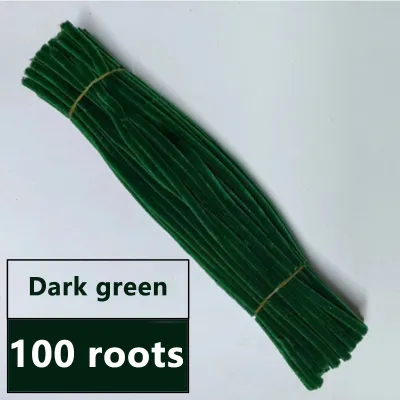

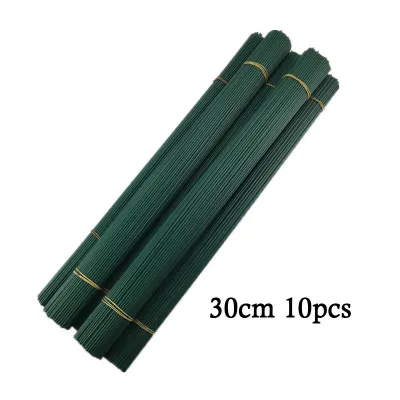
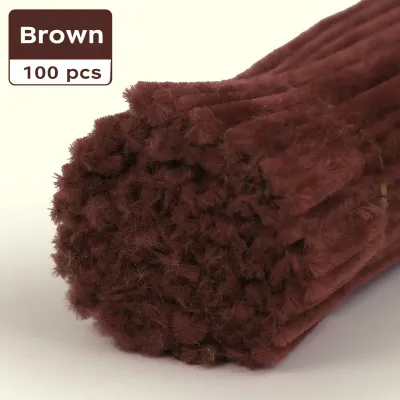
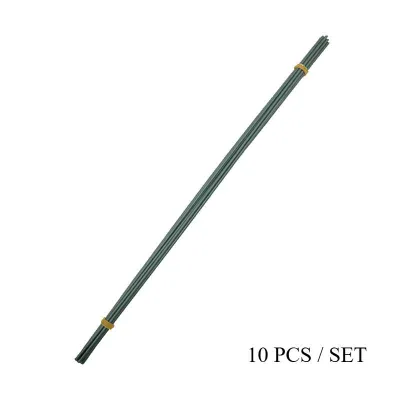
Prices are valid at publication and may change. Please refer to the product page for the latest price.
This structural difference directly impacts how age-appropriate the wire is for your students. Thicker wires provide excellent load-bearing support for large frames and freestanding sculptures, but they require substantial hand strength to bend and twist. Consequently, these heavy-duty variants are best reserved for older students in middle or high school who have developed the fine motor control and grip strength necessary to manipulate them. Conversely, thinner wires are highly manageable for the small hands of kindergarten and early elementary students. However, because thin wires are easily deformed, they will quickly collapse if students attempt to hang heavy plastic beads, clay pieces, or cardboard shapes from them.
Before purchasing supplies for your next school term, always check the manufacturer’s specifications on the packaging for exact measurements. Gauge standards, fiber density, and core wire materials can vary significantly from brand to brand. Some budget-friendly options may use a very thin aluminum core that snaps after being bent only a few times, while premium brands utilize galvanized iron cores that withstand repeated twisting. Verifying these specifications beforehand helps you avoid flimsy materials that can disrupt the classroom learning experience.
Selecting Puzzy Wire Color Assortments for Different Art Themes
Once you have determined the appropriate thickness, the next step is choosing the right color palette. Craft wire is typically sold in either single-color packs or multi-color assorted packs, and each option serves a very specific purpose in the classroom. Solid-color packs are highly practical for structured, uniform class projects where every student is expected to create the same item. For instance, if the class is crafting miniature pine trees for a Christmas display or weaving brown nests for a science unit, buying solid packs of green or brown ensures that every student has access to the exact colors required without wasting other shades.

In contrast, multi-color assorted packs are the ultimate catalyst for open-ended creative exploration. These packs are ideal for free-form crafting sessions, allowing students to design personalized monsters, abstract patterns, or colorful animal figures. Beyond basic primary and secondary colors, specialty color options like metallic, neon, and pastel wires can dramatically alter the visual impact of the artwork. Metallic wires, such as gold, silver, and bronze, add an instant festive shimmer that is perfect for holiday ornaments, though they can sometimes feel slightly stiffer or scratchier due to the reflective plastic film used in their construction. Neon wires pop brilliantly under fluorescent classroom lights, making them a favorite for modern art and science-fiction-themed crafts. Pastel wires offer a soft, delicate aesthetic that works beautifully for spring flowers, Easter decorations, or gentle underwater scenes.
Managing these materials in a busy classroom requires careful planning to prevent supply bottlenecks. To estimate the number of strands needed per student, consider the complexity of the project. For simple flat shapes or basic twisting exercises, 5 to 8 strands per student are usually sufficient. For intricate 3D models or wearable crafts, students may require 12 to 15 strands each. To ensure a smooth crafting session, it is wise to calculate the total color requirements of the class beforehand. If you are using assorted packs, keep in mind that popular colors like red, blue, and yellow will always run out first. Supplementing your assorted tubs with a few dedicated solid-color packs of these high-demand shades will prevent arguments and ensure that every student can complete their project without delay.
Matching Wire Types to Common School Art Scenarios
Different school art projects demand different physical properties from your craft wire. By mapping specific thicknesses and color styles to common classroom scenarios, you can ensure that students achieve the best possible results with minimal frustration.
3D Sculptures and Structural Armatures
When students are tasked with building freestanding figures, miniature buildings, or animal models, the primary challenge is ensuring the sculpture can stand upright on a classroom desk. For these structural armatures, standard 6mm or thick 8mm to 12mm wires are highly recommended. The sturdier metal core of these thicker wires acts as a skeleton, providing the load-bearing support needed to hold up the weight of the sculpture. This is especially important if students plan to apply secondary materials over the wire frame, such as lightweight air-dry clay, paper-mâché, or felt sheets.
Color selection for armatures depends on whether the wire will remain visible in the finished piece. If the wire skeleton is going to be completely covered by clay or fabric, you should advise students to use neutral or base colors like white, black, or brown, saving the more vibrant shades for visible details. However, if the wire itself forms the final visual surface of the sculpture’such as in a minimalist wire-frame animal or geometric shape’using bold, high-contrast primary colors will give the artwork a clean, striking, and professional appearance.
Holiday Decorations and Classroom Ornaments
Seasonal crafts, such as star-shaped lanterns, festive wreaths, and hanging classroom ornaments, require a wire that is highly versatile and easy to manipulate. For these projects, standard-thickness 6mm wires are the undisputed choice. They are flexible enough to be looped, twisted, and tied into intricate patterns by students of almost any age, yet they possess enough rigidity to hang from classroom ceilings, windows, or bulletin boards without sagging or snapping over time.
To make these decorations visually cohesive, select color assortments that align with the specific holiday curriculum or seasonal theme. For year-end holiday displays in the Philippines, classic red, green, and white combinations are incredibly popular for making festive wreaths and miniature parol lanterns. For graduation ceremonies or academic achievement displays, metallic gold and silver wires add a touch of elegance to handmade stars and tassels. If you are celebrating national events like Buwan ng Wika or Independence Day, stocking up on vibrant yellow, blue, and red wire packs allows students to create beautiful patriotic symbols and classroom banners that celebrate Filipino heritage.
Jewelry Making and Wearable Crafts
Creating wearable art, such as bracelets, rings, crowns, and glasses, introduces unique comfort and sizing challenges. For these projects, thinner 4mm or standard 6mm wires are the best choice. These thinner profiles can easily wrap around small fingers, wrists, or plastic headband bases without creating bulky, uncomfortable knots that might irritate the skin. Furthermore, thinner wires require less effort to link together, allowing students to focus on intricate patterns and bead integration.
To maximize the visual appeal of these small-scale wearable crafts, encourage students to use bright, metallic, or variegated (multi-toned) colors. These eye-catching shades make the jewelry stand out and look more realistic. Because wearable crafts come into direct, prolonged contact with the skin, the softness of the wire’s fiber coating is just as important as its color. Thinner wires are generally more comfortable to wear because they contain less metal mass and can be wrapped tightly to minimize shifting. Always remind students to check that the fuzzy coating completely covers the metal core at the connection points to ensure the finished jewelry is safe and comfortable to wear all day.
Safe Handling and Assembly Tips for the Classroom
While puzzy wire is an incredibly safe and engaging medium for school art classes, working with wire-based materials always requires a few basic safety precautions and proper assembly techniques. The most common hazard when using craft wire is the sharp metal core that becomes exposed whenever a strand is cut. To prevent accidental scratches, teach your students to always fold the sharp ends inward by 2 to 3 millimeters using small craft pliers, or simply tuck the exposed metal tip under an adjacent wrap of wire. This simple habit ensures that the finished projects are completely safe to handle and display.
The tools used to cut the wire also play a major role in classroom safety and material longevity. You should always instruct students to cut craft wire using dedicated wire cutters or heavy-duty utility scissors. Standard plastic school scissors should never be used for this task; the hard steel core of the wire will quickly nick, dull, or permanently damage the delicate blades of school scissors. Furthermore, attempting to force dull scissors through metal wire can cause the blades to slip, presenting a significant safety risk to young fingers.
When it comes to assembling multi-wire projects, understanding how the material behaves with adhesives is key. Standard school glue, such as white PVA glue, is highly ineffective for bonding fuzzy wire. The liquid glue is quickly absorbed by the plush polyester fibers, preventing it from reaching the central metal core and resulting in a weak bond that easily falls apart. Instead, encourage students to use glue-free assembly methods, such as twisting the strands together tightly, wrapping them around one another, or weaving them through plastic mesh. If a project absolutely requires an adhesive, a low-temperature glue gun operated by an adult, or double-sided craft tape, will provide a much more secure and instant bond without ruining the soft texture of the wire.
Frequently Asked Questions (FAQ)
Is fuzzy wire safe for preschool and early elementary students?
Yes, fuzzy wire is generally safe and serves as an excellent tool for developing fine motor skills and sensory awareness in young children. However, because the cut ends of the wire core can be sharp, close adult supervision is highly recommended for preschool and early elementary classrooms. To minimize risks, teachers can pre-cut the strands before the lesson begins and use a pair of pliers to fold down all sharp ends. Opting for thicker, softer jumbo wires also makes it much easier for small hands to bend and shape the material without exerting excessive force.
How do I keep fuzzy wire from unraveling after cutting?
Because the plush fibers of puzzy wire are wrapped tightly around a central metal core, cutting the wire bluntly can sometimes cause the fuzzy exterior to slip off the ends. To prevent this from happening, simply twist the very tip of the wire tightly with your fingers immediately after making a cut. If your project involves a lot of handling and requires a highly durable finish, you can also apply a tiny drop of school-safe craft glue or clear nail polish to the cut end. This locks the fibers securely to the metal core once dry.
Community discussion
Share your experience or ask a question. Comments are reviewed before publication.