
Selecting the right paperbag for gift giving is more than a matter of convenience; it is the first impression your present makes. The ideal bag must balance visual appeal with structural integrity, ensuring your gift remains secure from the moment you pack it to the final hand-off. By matching the bag’s material, size, and style to the specific tone of your occasion, you elevate the entire gifting experience.
To make the right choice, you must evaluate the weight of your gift, the formality of the event, and the environmental conditions during transport. A flimsy bag can tear under pressure, while an overly formal bag might feel out of place at a casual gathering. Understanding the practical and aesthetic differences in paper bag construction allows you to select a presentation that is both beautiful and dependable.
Choosing the Right Material and Finish for Your Tone
The base material of a paper bag establishes its tactile quality and sets the initial expectations for what is inside. Uncoated kraft paper, typically ranging from 100 to 150 GSM (grams per square meter), offers a rustic, organic texture that is highly suited for casual, eco-friendly, or artisanal gifts. Its natural brown or muted white surface provides a classic, understated look that pairs exceptionally well with simple jute twine or colorful tissue paper.
Products mentioned in this guide
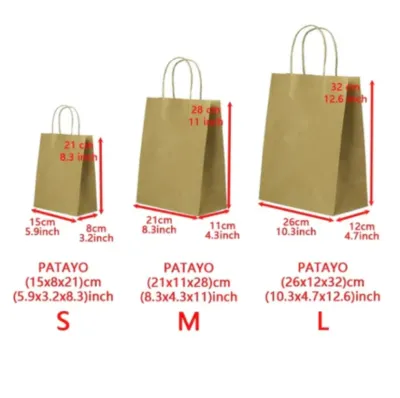
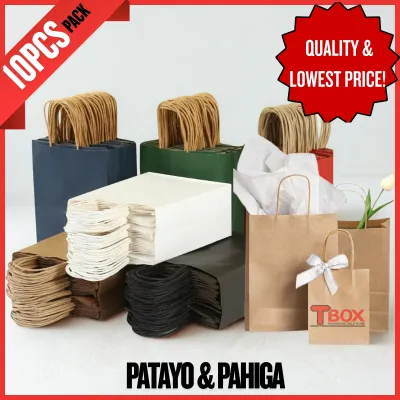
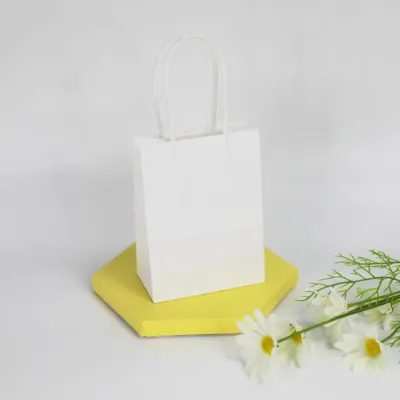
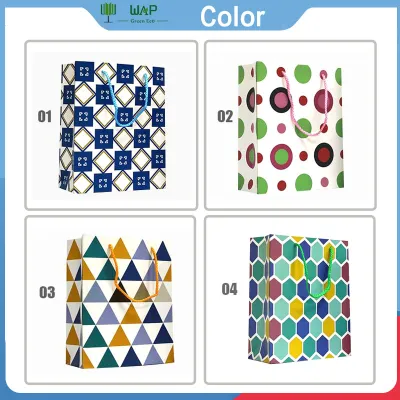
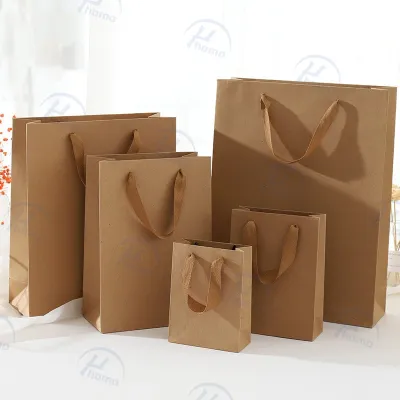
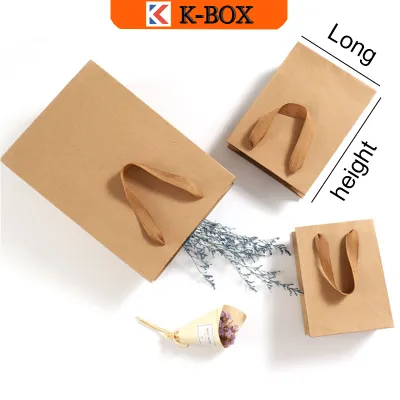
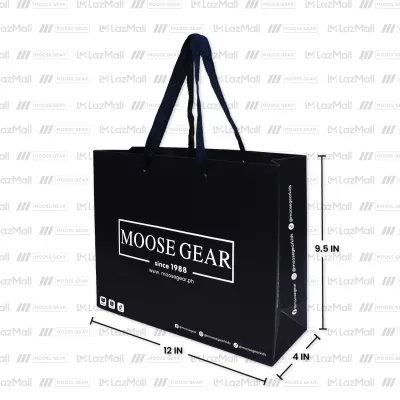
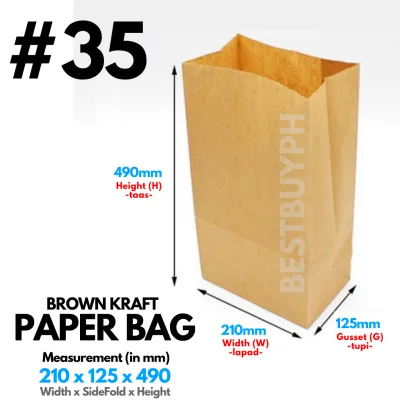
Prices are valid at publication and may change. Please refer to the product page for the latest price.
For formal events, coated art paper is the standard choice. This material usually ranges from 150 to over 250 GSM, providing a thick, rigid structure that resists bending and creasing. Coated paper accepts high-quality color printing and specialty finishes, making it the preferred medium for vibrant graphics, deep solid colors, and intricate patterns that require a crisp, premium presentation.
The surface finish you choose further refines the bag’s character. A matte finish offers a modern, sophisticated, and glare-free appearance that feels smooth to the touch, making it excellent for minimalist designs. A glossy finish, on the other hand, reflects light brilliantly, enhancing color saturation and giving the bag a high-energy, celebratory feel.
In tropical climates with high humidity, such as in the Philippines, uncoated paper bags can absorb moisture from the air, which temporarily softens the fibers and reduces their load-bearing capacity. If you are transporting gifts in humid conditions or outdoor settings, opting for a laminated matte or glossy finish is highly practical. The thin plastic lamination acts as a protective barrier, keeping the paper stiff and preventing moisture from weakening the seams.
Sizing the Bag to Fit and Protect Your Gift
An improperly sized bag can ruin the presentation of an otherwise thoughtful gift. If the bag is too small, the sides will bulge, the handles will strain, and the gift may peek out awkwardly. If the bag is too large, the item will slide around inside, risking damage during transit. To find the correct fit, measure your gift’s height, width, and depth, then add a clearance of at least two to three centimeters on all sides to accommodate protective padding.

The gusset, which is the flat side panel of the bag, determines how wide the bag can expand. For bulky, square, or irregularly shaped items like ceramic mugs, stuffed toys, or boxed items, choose a bag with a wide gusset that matches or slightly exceeds the depth of the object. Forcing a wide item into a narrow-gusset bag stretches the paper at the corners, leading to immediate structural failure.
Beyond dimensions, you must inspect the bag’s construction to ensure it can support the weight of your gift. Look for bags with a reinforced base, which typically features a thick piece of cardboard glued to the bottom fold to distribute weight evenly. Examine the handle attachment points as well; heavy gifts require handles that are anchored with metal eyelets or secure interior knots rather than simple adhesive patches.
Styling Paper Bags for Birthdays and Casual Celebrations
Birthday parties and casual gatherings are opportunities to embrace playful, energetic, and highly personalized designs. For these events, look for paper bags featuring bright primary colors, whimsical pastel tones, or bold geometric patterns. Polka dots, stripes, and cheerful illustrative prints instantly convey a sense of joy and anticipation, making them perfect for recipients of all ages.
Customization adds a memorable touch to casual gift-giving. Many birthday-themed bags feature integrated gift tags or dedicated blank spaces where you can write a handwritten note, draw a quick sketch, or add decorative stickers. This eliminates the need for a separate greeting card and allows you to tailor the presentation directly to the recipient’s personality.
Because casual celebrations often involve active environments—such as outdoor parks, busy restaurants, or crowded living rooms—durability remains essential. Opt for medium-weight paper bags with sturdy, twisted paper handles. These handles are comfortable to hold and resilient enough to withstand being moved around, stacked, or carried over long distances during a day of celebration.
Selecting Elegant Paper Bags for Weddings and Formal Events
Formal milestones like weddings, anniversaries, and corporate achievements demand a sophisticated, restrained aesthetic. For these occasions, step away from loud patterns and bright colors. Instead, choose paper bags in neutral tones like cream, charcoal, navy, or champagne, or opt for deep, rich jewel tones like emerald and burgundy that exude quiet luxury.
Premium finishes elevate a simple bag into a keepsake. Look for subtle textures, such as embossed linen patterns, which add depth to the paper without relying on heavy prints. Metallic foil stamping in gold, silver, or rose gold is highly effective for adding a touch of shimmer to borders, monograms, or minimalist logos, catching the light elegantly without looking cluttered.
To complete the formal presentation, pay close attention to the handle material. Replace standard paper handles with refined alternatives like soft satin ribbons, braided cotton ropes, or sleek die-cut handles integrated directly into the bag’s collar. These materials feel comfortable in the hand and reinforce the premium nature of the gift inside.
Choosing Thematic Paper Bags for Holidays and Festivities
Seasonal holidays and cultural festivities carry their own traditional design languages and color palettes. When selecting a bag for these occasions, aligning with established motifs helps convey the spirit of the season. For year-end holidays, classic combinations of deep red, forest green, and warm gold are universally recognized, while metallic silver and blue evoke a crisp, wintry feel.
During festive seasons, gifts often consist of multiple small items, heavy food jars, or delicate home decor. To accommodate these varied assortments, select heavier paper stocks—ideally 200 GSM or higher—with a reinforced cardboard base. This ensures that a collection of smaller items does not bunch together at the bottom and cause the bag to sag or tear.
Always ensure that the bag’s design respects the specific cultural or religious context of the holiday. While bold, festive patterns are excellent for lively family gatherings, corporate holiday exchanges often call for more abstract, elegant seasonal patterns, such as simple metallic stars or embossed snowflakes on a solid background, maintaining a professional yet festive tone.
Assembling and Securing the Final Presentation
Once you have selected the correct paper bag, the final step is assembling the presentation so it remains secure and looks polished. Start by placing a rigid piece of cardboard at the bottom of the bag if it does not already have one. Position the heaviest items flat at the base to establish a low center of gravity, which prevents the bag from tipping over when set down on flat surfaces.
To add volume and conceal the gift, use high-quality tissue paper. Take a single sheet of tissue paper, pinch it firmly in the center, give it a quick shake to let the corners drape downward, and place it into the bag with the fluffed corners pointing upward. Repeat this with two or three sheets, layering them to create a full, nested cushion around your gift.
If your gift is heavy or valuable, take extra precautions to reinforce the bag. You can apply a small strip of double-sided tape inside the top collar to keep the bag closed during transport, protecting the contents from dust and curious eyes. When carrying the gift, always support the base with one hand rather than relying entirely on the handles, especially when navigating stairs or busy streets.
Frequently Asked Questions (FAQ)
Can I reuse a premium paper bag for a different occasion?
Yes, you can reuse premium paper bags if they are in good structural condition. Before reusing a bag, inspect the base, corners, and handle attachment points for any signs of tearing, deep creases, or glue failure. Avoid reusing bags that feature highly specific printed names, dates, or event-specific branding that would look out of place at a new gathering.
To keep your saved bags in pristine condition, store them completely flat in a cool, dry drawer or storage box. Avoid folding them in ways that create new creases, and keep them away from direct sunlight and high humidity, which can fade the colors and weaken the paper fibers over time.
How do I prevent a paper bag from tearing under heavy gifts?
To prevent a paper bag from tearing, always verify the bag’s paper weight and construction before packing. For heavy items like books, glass jars, or bottles, choose a bag made from at least 200 GSM paper with a reinforced cardboard base insert. If the bag lacks a base insert, you can cut a piece of thick corrugated cardboard to fit the bottom dimensions exactly.
Additionally, minimize dynamic stress on the handles by avoiding sudden, swinging movements while carrying the bag. When transporting heavy items over long distances, hold the bag close to your body and support the bottom with your hand to distribute the weight away from the handle seams.

Community discussion
Share your experience or ask a question. Comments are reviewed before publication.