
A beautifully styled flower bouquet is more than just a collection of fresh blooms; it is a cohesive visual story told through the flowers, the wrapping material, and the ribbon that binds them. Selecting the right ribbon style for your flower bouquet wrapper is the final, crucial step that transforms a simple bundle of stems into a professionally designed arrangement. The key to a flawless presentation lies in balancing the physical weight, texture, and visual presence of both the wrapper and the ribbon so they complement rather than compete with each other.
In tropical climates like the Philippines, high humidity and warm temperatures can affect how wrapping materials and ribbons behave. High humidity can make thin papers limp, while causing certain synthetic ribbons to slip more easily. Choosing the right combination ensures the bouquet remains structurally sound and visually stunning from the florist’s table to the recipient’s hands. Whether you are crafting a premium arrangement or assembling a simple, budget-friendly gift, understanding how to pair these materials will elevate your floral presentation.
Core Principles for Matching Ribbons to Bouquet Wrappers
Before selecting a ribbon, it is essential to establish a baseline for evaluating texture, width, and color contrast. The first principle is texture contrast. You must evaluate the wrapper’s finish—whether it is matte, glossy, or highly textured—and compare it with the ribbon’s fabric. This allows you to create intentional harmony, such as pairing a matte paper with a soft matte ribbon, or deliberate contrast, such as using a high-shine ribbon to break up a flat, rustic surface.
Products mentioned in this guide
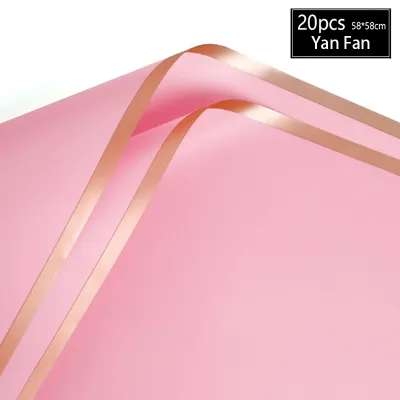
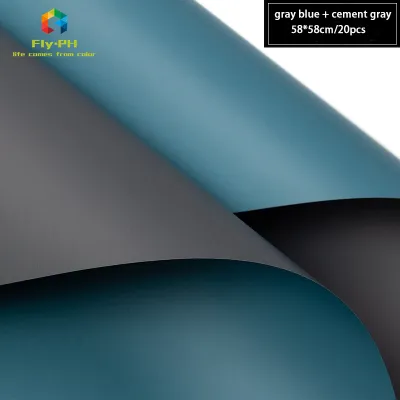
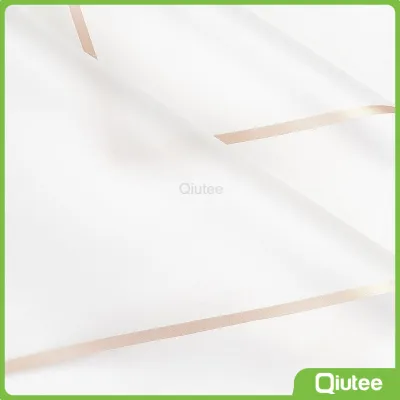
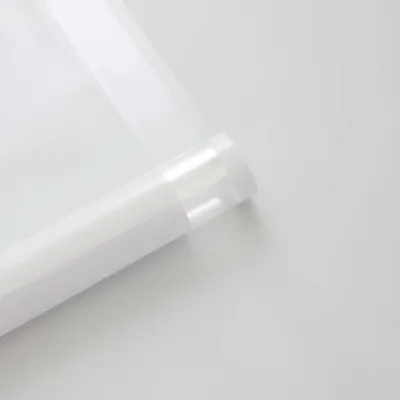
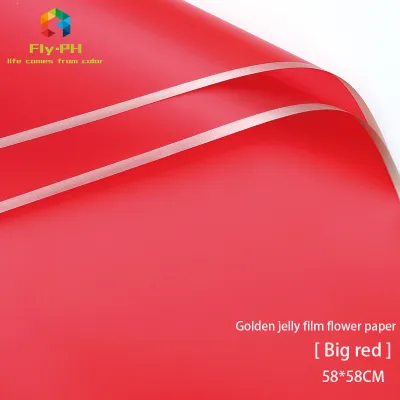
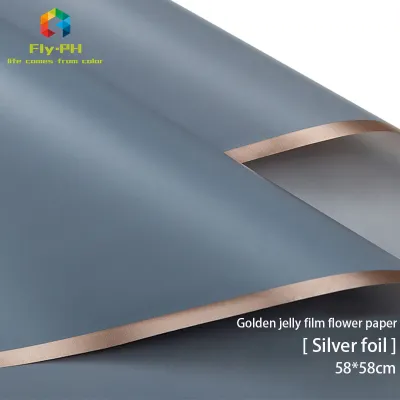
Prices are valid at publication and may change. Please refer to the product page for the latest price.
Scale and proportion are equally critical when determining the appropriate ribbon width. The ribbon must match the overall bouquet size, stem thickness, and wrapper volume to maintain structural and visual balance. A massive, multi-layered bouquet wrapped in thick paper will overwhelm a thin, delicate string, making the arrangement look unfinished. Conversely, a small, delicate posy tied with an oversized, heavy ribbon will lose its focal point. Standard widths like 1-inch (approx. 2.5 cm) or 1.5-inch (approx. 3.8 cm) serve as versatile mid-points for most standard arrangements.
Color coordination ties the entire presentation together. Using basic color theory, you can decide between complementary accents, monochromatic elegance, or neutral anchors. Complementary pairings use contrasting colors to make the bouquet pop, while monochromatic schemes use varying shades of the same hue for a sophisticated, seamless look. Neutral anchors like cream, white, beige, or soft gray are excellent for grounding vibrant, multi-colored blooms without distracting from their natural beauty.
Pairing Ribbons with Kraft Paper Wrappers
Kraft paper is a timeless favorite for its organic, rustic charm and sturdy, tactile quality. Because it has a distinct matte, earthy finish, it pairs exceptionally well with natural or textured fabrics. To reinforce a cohesive, organic aesthetic, recommend ribbons made of burlap, cotton, jute twine, or raw-edge linen. These materials mirror the unrefined, hand-crafted feel of the kraft paper, making them ideal for sunflowers, wild daisies, or native tropical blooms.

Because kraft paper is relatively stiff and heavy, the ribbon you choose must have enough width and structural integrity to hold a structured bow against the paper’s rigid folds. A flimsy, thin ribbon will easily get lost or crushed by the thick paper. Opt for a wider ribbon, ideally 1.5 inches or more, that can maintain its shape. Tying a classic, double-loop bow with a sturdy cotton or linen ribbon provides the necessary visual weight to anchor the bottom of the arrangement securely.
When it comes to color pairing, earth tones are a natural match for kraft paper. Warm terracotta, deep olive green, and rich forest tones complement the brown paper beautifully. For a high-contrast, modern farmhouse look, stark white or cream cotton ribbons offer a clean, striking contrast that feels fresh and contemporary. This clean contrast is particularly effective for highlighting bright, colorful bouquets against the neutral background of the paper.
Pairing Ribbons with Cellophane Wrappers
Cellophane is a glossy, transparent, and highly reflective material that is excellent for protecting flowers from moisture while keeping the focus entirely on the blooms. Because cellophane is completely waterproof, it is highly practical for humid environments. However, its high sheen and slippery surface require careful ribbon selection to avoid a visually cluttered or cheap appearance.
To match or elegantly contrast the wrapper’s sheen, suggest smooth, reflective materials like double-sided satin, organza, or metallic curling ribbons. Organza is a particularly beautiful choice; its sheer, airy quality mirrors the transparency of the cellophane while adding a soft, diffusing layer of volume. Double-sided satin provides a classic, luxurious contrast, catching the light in harmony with the glossy wrapper.
Because cellophane is slippery, creating visual volume at the tie point can be difficult. A single thin ribbon can look pinched and weak against the voluminous plastic folds. To solve this, use layering techniques. Tie a wider, solid satin ribbon first to create a stable, opaque base, and then layer a narrower organza or metallic ribbon over it. This adds depth, texture, and structural security to the bouquet.
Color visibility is another crucial factor when working with clear cellophane. Because the green stems and water sources are often visible through the wrapper, the ribbon must stand out clearly. Choose vibrant, solid colors that contrast with the green foliage, or use classic metallic accents like gold or silver to frame the arrangement and draw the eye upward toward the flowers.
Pairing Ribbons with Korean-Style Paper Wrappers
Korean-style wrapping paper has become incredibly popular for its soft, matte texture, waterproof durability, and elegant draping qualities. This paper is typically used to create voluminous, multi-layered arrangements with soft, cloud-like folds. To maintain the elegant, minimalist, and luxurious vibe of this paper, you should pair it with delicate, matte, or slightly textured ribbons.
Chiffon, velvet, and matte-finish satin are the premier choices for Korean-style wrappers. Chiffon, with its frayed edges and lightweight, semi-sheer drape, perfectly complements the soft, layered edges of the paper. Velvet ribbons add a touch of rich, tactile luxury that works beautifully for autumn or winter-themed arrangements, while matte-finish satin offers a clean, understated elegance that does not compete with the paper’s texture.
Unlike the structured, tight bows used for kraft paper, Korean-style bouquets favor longer, looser, and flowing bows. Use a wider chiffon ribbon (around 1.5 to 2 inches) and leave the tails long, allowing them to drape naturally down the front of the wrapper. This flowing technique accentuates the vertical lines of the arrangement and enhances the soft, romantic aesthetic of the overall design.
Color matching for Korean-style paper should focus on pastel, muted, or neutral tones. Dusty rose, sage green, lavender, cream, and soft gray are staple colors for this style. The ribbon should match the wrapper closely or be just a shade darker to frame the arrangement subtly. This ensures the ribbon supports and elevates the delicate pastel tones of the flowers rather than overpowering them.
Common Ribbon and Wrapper Pairing Mistakes to Avoid
One of the most common mistakes in bouquet wrapping is mixing conflicting textures, which creates visual friction. For example, pairing a heavy, rough jute twine with a delicate, glossy cellophane wrapper looks mismatched and awkward. The rough twine can also scratch or tear the delicate plastic. Always ensure the physical properties of the ribbon match the style of the wrapper.
Structural failures are another frequent issue, particularly when using narrow, slippery ribbons on thick, stiff wrappers. A thin satin ribbon tied around heavy kraft paper will often slip, loosen, or fail to hold the heavy folds in place, causing the bouquet to lose its shape during transport. To prevent this, always secure the bouquet’s structure first with a utility tie, such as floral wire or twine, before applying your decorative ribbon over it.
Finally, avoid color clashes and overly busy patterns. If your flower bouquet wrapper features a pattern or a bold color, keep the ribbon solid and neutral. Combining a patterned wrapper with a patterned ribbon distracts from the flowers, which should always remain the true centerpiece of the arrangement.
Frequently Asked Questions (FAQ)
Can I use the same ribbon style for mixed-material bouquets?
Yes, you can use the same ribbon style, but you should anchor your choice to the dominant, outermost, or most visually prominent wrapper material. For example, if your bouquet features a rustic kraft paper base with soft Korean paper layers on top, choose a ribbon that complements the outer Korean paper to maintain a cohesive look. Alternatively, you can use highly versatile, neutral ribbon styles—such as a cream-colored cotton ribbon or a soft gray matte satin—which easily bridge the gap between different textures without clashing.
How do I keep slippery ribbons tied securely on smooth wrappers?
To keep slippery ribbons like satin or organza secure on smooth wrappers like cellophane, use a hidden anchor. Before tying your decorative ribbon, wrap a band of double-sided tape or green floral tape tightly around the binding point of the wrapper. Tie your decorative ribbon directly over this tape; the added friction will prevent the ribbon from sliding down the smooth surface. Avoid using hot glue guns directly on delicate wrappers, as the heat can melt cellophane or scorch thin papers, leaving unsightly marks.
Community discussion
Share your experience or ask a question. Comments are reviewed before publication.