
Choosing the right thank you tag style depends on matching the visual weight, material durability, and typography of the tag to the specific atmosphere of your gathering. In tropical climates like the Philippines, where high humidity can affect paper stiffness and ink drying times, selecting the appropriate cardstock and writing instrument is just as critical as choosing the right design. By evaluating the formality of your event, testing your writing tools beforehand, and selecting versatile base materials, you can create a memorable final touchpoint for weddings, baby showers, or corporate gifts.
Aligning Tag Design with Event Formality
Formal events demand structured, clean lines and heavy paper weights. Look for cardstock with a weight of 250 gsm to 300 gsm, which feels substantial in hand and resists bending in humid air.
Semi-formal and casual occasions allow for more playful shapes, such as circles, scalloped edges, or die-cut leaves. These shapes soften the presentation and work well with rustic twine or colorful cotton threads.
Products mentioned in this guide
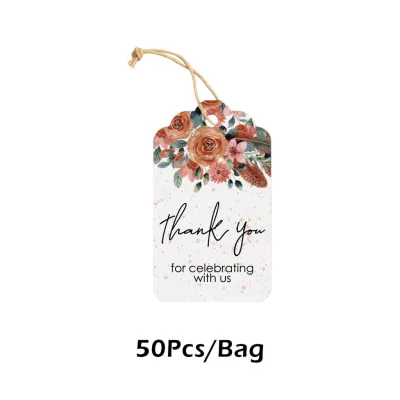
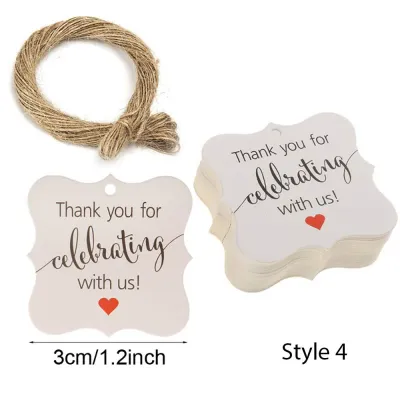
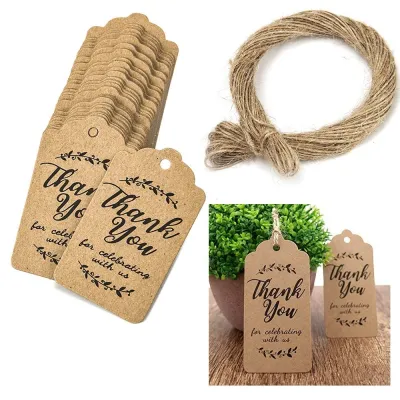
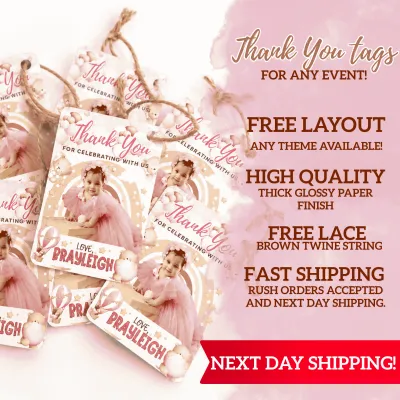
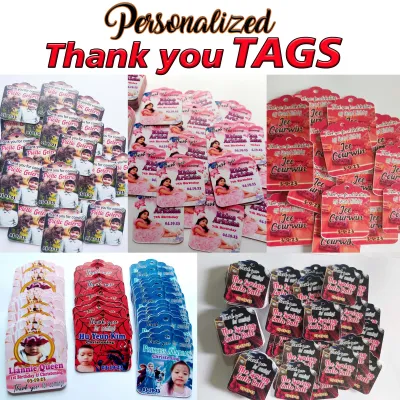
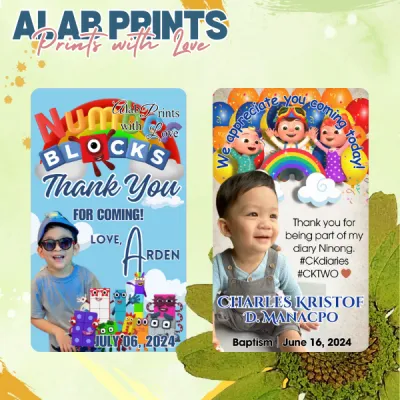
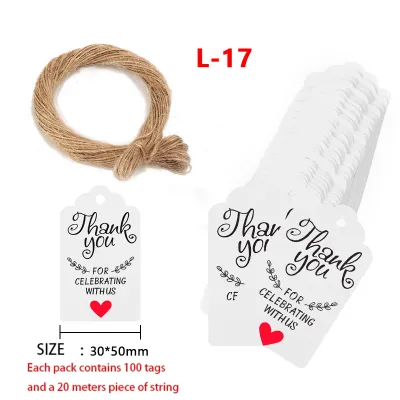
Prices are valid at publication and may change. Please refer to the product page for the latest price.
The size of the tag must complement, not overpower, the gift packaging. A tiny three-centimeter tag gets lost on a large native woven box, while an oversized tag can crowd a delicate glass jar of local preserves.
Choosing Styles for Personal Milestones
Personal milestones like birthdays, anniversaries, and family reunions thrive on warmth and emotional connection. The tag design should feel intimate, often incorporating handwritten elements or soft, organic textures that invite touch.

While thematic illustrations add charm, they must never compromise the legibility of your guests’ names or your brief message. Ensure there is a clear, unpatterned area dedicated entirely to writing.
Wedding Thank You Tags
Wedding tags often serve as keepsakes, requiring a high level of material refinement. Coordinating the tag’s color palette with your floral arrangements or bridal party attire creates a cohesive visual flow across the reception tables.
Consider premium finishes such as deckled edges, which offer a classic, handmade feel, or subtle foil stamping that catches the light. If you plan to use calligraphy, verify that the paper surface is smooth enough to prevent the metal nib from catching.
Ornate borders and elaborate script fonts look beautiful but can limit writing space. Keep the decorative elements confined to the margins so your handwritten expressions of gratitude remain easy to read.
Baby Showers and Casual Gatherings
For baby showers, gender reveals, or casual backyard gatherings, opt for soft pastel tones, whimsical illustrations, or botanical motifs. These designs set a relaxed, joyful tone that matches the informal nature of the celebration.
When using playful or cursive fonts, prioritize clarity over complexity. Guests should be able to read their names instantly, even in dimly lit outdoor venues or during active party games.
Outdoor celebrations in warm, humid environments require durable materials. Standard lightweight paper can wilt or absorb moisture from condensation on chilled drink favors, so look for moisture-resistant kraft paper or thicker uncoated cardstock that maintains its shape.
Navigating Corporate and Professional Gifting
Corporate gifting requires a polished, neutral aesthetic that respects professional boundaries while expressing genuine appreciation. The design should focus on clean lines, ample negative space, and a structured layout that aligns with a professional brand identity.
Instead of plastering large logos across the tag, integrate brand identity subtly through specific color accents in the typography or the attachment ribbon. This keeps the focus on the gesture of giving rather than overt marketing.
Avoid overly ornate decorations like glitter, lace, or highly sentimental quotes, which can feel out of place in a business context. Stick to classic geometric shapes, minimalist borders, and modern sans-serif or clean serif typography.
When preparing gifts in bulk, consistency is essential. Choose tags that support high-quality digital printing to ensure that colors, alignment, and text sharpness remain identical across dozens or hundreds of packages.
Ensuring Material Compatibility for Handwritten Notes
The interaction between your pen and the tag material determines whether your message looks pristine or smudged. High humidity can slow down ink drying times, making it necessary to test your writing instruments on a sample tag before starting your production run.
Uncoated cardstock absorbs ink quickly, making it highly compatible with fountain pens, gel pens, and traditional calligraphy inks. However, highly fibrous or textured papers can cause ink to feather or bleed along the paper fibers, so a fine-point gel pen or a quick-drying ballpoint is often the safest choice.
Coated or glossy cardstock offers a sleek look but resists water-based inks, leading to smearing. If you select a glossy finish, use a permanent fine-tip marker and allow several minutes of drying time in a well-ventilated space before handling or stacking the tags.
Always measure the available writing area on your chosen tag style. If you plan to write a short sentence rather than just a name, ensure the tag dimensions provide at least a two-by-three-centimeter blank space free of printed designs.
Maximizing Versatility Across Multiple Occasions
Building a versatile inventory of tags helps optimize your ₱ budget by reducing waste and ensuring you always have wrapping accessories on hand. Neutral colors like classic cream, white, and natural kraft paper serve as excellent bases for almost any event.
You can easily transform the character of a simple rectangular kraft tag by changing the attachment material. Pair it with rustic jute twine for a casual afternoon tea, or swap the twine for a satin ribbon to instantly elevate the presentation for an evening gathering.
Maintain a practical ratio of eighty percent versatile, neutral base tags to twenty percent highly customized designs. This strategy allows you to personalize gifts on short notice without needing to purchase entirely new sets of stationery for every minor occasion.
Frequently Asked Questions (FAQ)
Can I use the same thank you tag design for both wedding favors and corporate gifts?
Yes, provided you select a minimalist, high-quality design. A simple, elegant tag featuring clean typography on heavy white or cream cardstock works beautifully for both scenarios. To adapt the tag, use a sophisticated silk ribbon for wedding favors and a clean, structured cord or neutral twine for corporate packages. Avoid tags with specific romantic motifs, floral illustrations, or corporate branding if you plan to use them interchangeably.
What is the best pen to use on heavily textured thank you tags?
When writing on heavily textured or handmade paper, a fine-point gel pen with pigment-based ink or a high-quality felt-tip pen works reliably. These pens glide over uneven surfaces without catching, unlike fine metal calligraphy nibs or fountain pens which can snag on the fibers. Always perform a quick test on a scrap piece of the same paper to check for ink bleeding and drying speed.
How do I attach a thank you tag securely to irregularly shaped gifts?
For gifts that lack a natural tying point, such as round tins, smooth bottles, or fabric pouches, you can secure the tag using double-sided adhesive dots or decorative washi tape. Alternatively, incorporate the tag directly into the wrapping structure by threading it onto the main ribbon or twine before tying the final knot around the package. For delicate items, a small wooden peg or a metallic paperclip can hold the tag in place without damaging the gift itself.

Community discussion
Share your experience or ask a question. Comments are reviewed before publication.