
Selecting the perfect gift box for a bag is more than just an aesthetic choice; it is a critical step in preserving the item’s shape, structure, and overall presentation. To determine the correct gift box size, you must measure the bag’s maximum length, width, and depth, then add a clearance margin of at least 1.5 to 2 centimeters on all sides. This extra space accommodates protective wrapping, tissue paper, or decorative fillers while preventing the box walls from pressing against and distorting the bag’s shape. If the bag features rigid handles, protruding hardware, or delicate embellishments, these elements must be included in your measurements to ensure the lid closes securely without crushing the gift.
In tropical climates like the Philippines, where high humidity can soften paperboard packaging over time, choosing a box with the correct dimensions and structural integrity is especially important. A box that is too tight will bulge, while one that is too large may collapse under its own weight or during transport. By taking precise measurements and understanding how different bag structures interact with packaging materials, you can ensure your gift arrives in pristine condition. Whether you are preparing a delicate clutch, a structured leather tote, or a casual canvas backpack, a systematic approach to sizing will elevate the unboxing experience and protect your investment.
How to Measure Your Bag Accurately
To capture the true physical footprint of your bag, always use a flexible sewing tape measure rather than a rigid metal ruler. Lay the bag flat on a clean, level surface and empty its contents entirely, as an overstuffed or unevenly packed bag will distort your measurements. Begin by measuring the main body at its widest points. For the length, measure horizontally from the furthest left edge to the furthest right edge. For the depth, measure the base from front to back, as this is typically where the bag is thickest. Finally, measure the height from the bottom seam to the top edge of the main compartment.
Products mentioned in this guide

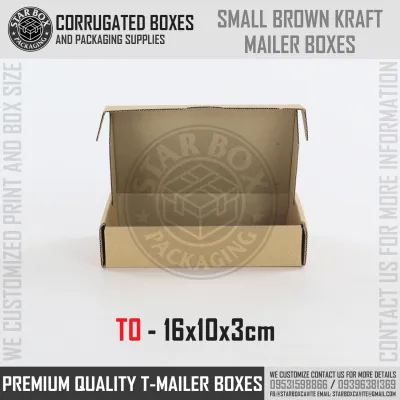
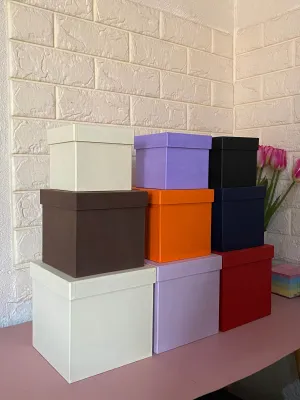
Prices are valid at publication and may change. Please refer to the product page for the latest price.
Do not overlook protruding hardware, exterior pockets, or decorative embellishments when taking these measurements. Metal clasps, heavy zippers, side pouches, and tassels can add significant bulk to the bag’s silhouette. If you measure only the flat fabric or leather panels, these protrusions will press tightly against the box walls, potentially causing scuffs, scratches, or punctures. Treat the outermost tip of any hardware or pocket as the actual boundary of the bag to ensure adequate clearance.
Your planned packing style will dictate how you handle straps and handles. If the bag has rigid top handles that cannot be folded down, you must measure the height from the very base of the bag to the highest point of the handle arch. For soft, flexible handles or detachable shoulder straps, decide whether you will tuck them inside the bag’s main compartment or lay them flat alongside the body. Tucking straps inside is often the most efficient way to reduce the overall height and length required for your gift box, allowing for a more compact and elegant presentation.
Calculating the Ideal Gift Box Dimensions
Once you have recorded the exact physical dimensions of your bag, you must translate these numbers into the ideal internal dimensions of your gift box. Simply matching the box size to the bag size will result in a fit that is far too tight, risking damage during transit. As a standard rule, add a clearance allowance of 1.5 to 2 centimeters to the length, width, and depth of your bag. This buffer zone ensures that the bag can be easily placed into and removed from the box without scraping against the sides.

Next, factor in the volume displaced by your chosen protective wrapping and decorative fillers. If you plan to wrap the bag in a protective dust bag or several layers of premium tissue paper, these materials will add a few millimeters to each side. For presentations that feature a bed of shredded paper filler or wood straw, you may need to increase the depth clearance to 3 centimeters. This extra space allows the bag to nestle comfortably into the cushioning material rather than compressing it completely, which maintains the visual appeal of the presentation.
When shopping for packaging online or in local stationery shops, always verify whether the manufacturer’s listed dimensions refer to the interior or exterior of the box. Rigid gift boxes, especially those made from thick greyboard or corrugated cardboard, can have walls that are 2 to 3 millimeters thick. If a supplier lists only the exterior dimensions, the actual usable space inside will be smaller. To avoid a costly mistake, look for products that explicitly state “internal dimensions,” or subtract at least 0.5 centimeters from the listed external measurements to estimate the true capacity.
Adjusting for Bag Shapes and Structures
Different bag designs require distinct packaging strategies based on their rigidity and materials. Structured bags, such as hard-case evening clutches, box bags, or stiff leather satchels, possess a fixed silhouette that cannot be compressed or flexed. For these items, your measurements must be absolute. Choosing a box that is even slightly too small will prevent the lid from closing or exert constant pressure on the bag’s corners, which can lead to permanent warping or cracked seams.
Conversely, unstructured or soft-bodied bags, such as canvas totes, nylon backpacks, or slouchy hobo bags, offer much more flexibility. You can gently fold, roll, or compress these items to fit into smaller, standard-sized gift boxes. When preparing a soft bag for folding, always place sheets of acid-free tissue paper between the folds. This simple step prevents the fabric or leather from developing sharp, permanent creases and guards against dye transfer, which can occur when materials are pressed together in warm, humid environments.
Managing rigid top handles, heavy chains, or non-detachable straps requires careful planning to prevent surface damage. If the bag features a heavy metal chain strap, do not allow it to rest directly against the exterior leather or fabric, as the weight of the chain can leave deep indentations. Instead, wrap the chain in tissue paper and place it inside the bag’s interior pocket. For rigid handles that cannot be folded, ensure the box depth is tall enough to accommodate the entire height of the handle without forcing the lid to bow upward.
Selecting Box Styles and Protective Inserts
The style of the gift box you select plays a major role in both the structural protection of the bag and the overall unboxing experience. Telescoping boxes, which consist of a separate lid and base, are highly recommended for heavier bags because their double-walled sides offer excellent crush resistance. Hinged boxes with magnetic closures provide a luxurious, premium feel and are highly durable, making them excellent keepsakes. For lightweight canvas or fabric bags, simple tuck-in flap boxes or pillow boxes offer a cost-effective yet neat presentation.
To prevent the bag from shifting during transport, consider incorporating protective inserts or custom dividers. You can create simple, effective bumpers by folding thick cardstock or using molded pulp inserts to cradle the base of the bag. If custom inserts are not available, strategically placed tissue paper crumpled into loose balls can fill empty voids and keep the bag centered. This is particularly important for delicate items with embellishments that could be damaged if the bag slides against the box walls.
Always check the weight capacity and material specifications of the box before purchasing. A premium leather tote can be surprisingly heavy, and a box made from thin cardstock may sag, tear, or collapse when lifted. For substantial items, look for boxes constructed from rigid board (often labeled as setup boxes) or high-density corrugated cardboard. These materials distribute weight evenly and maintain their shape, ensuring that your gift remains secure from the moment it is packed to the final reveal.
Common Sizing Mistakes to Avoid
One of the most common errors when choosing a gift box is forgetting to account for the handle drop or strap length when planning to lay a bag flat. If you measure only the body of a tote bag but leave the long shoulder straps extended, the bag will not fit unless the straps are awkwardly bent or crammed into the corners. Always decide on your folding or tucking strategy before taking your final measurements.
Another frequent mistake is selecting a box that fits too snugly. While a tight fit might seem secure, it often causes the lid to press down on the bag’s upper edges, leading to unsightly creases or flattened structures that are difficult to restore. Additionally, a tight fit makes it incredibly difficult for the recipient to lift the bag out of the box without tearing the packaging.
Finally, avoid overusing decorative fillers to compensate for a box that is far too large. While shredded paper adds a beautiful touch of color, packing a massive box with excessive filler to hold a small clutch in place can look messy and disorganized. It also forces the recipient to dig through piles of paper, which detracts from the elegance of the presentation. Aim for a balanced box size where the filler serves as a supportive frame rather than a mountain of concealment.
Frequently Asked Questions (FAQ)
Can I repurpose a standard shoebox for a small handbag?
Yes, you can repurpose a standard shoebox, but you must verify the dimensions first. Most shoeboxes are designed for narrow, flat items, which may not accommodate the depth of a structured handbag. Additionally, standard shoeboxes often lack the aesthetic appeal and structural rigidity required for formal gifting. If you choose this route, consider wrapping the exterior in high-quality wrapping paper and reinforcing the base with extra cardboard to support the bag’s weight.
How do I pack a bag with a long, non-detachable shoulder strap?
For non-detachable straps, avoid folding them tightly, as this can cause permanent creases or cracks in leather and synthetic materials. Instead, gently coil the strap in a loose circle. Wrap the coiled strap in soft tissue paper to keep it secure, and place it carefully inside the main compartment of the bag or tucked neatly alongside the bag’s base within the gift box.
Community discussion
Share your experience or ask a question. Comments are reviewed before publication.