
Choosing the right pastik cover size for your desk is the key to creating a clean, organized, and highly functional workspace. A precise fit ensures your desk is fully protected from scratches, ink stains, and moisture without creating annoying overhangs or uncovered gaps. By measuring your desk’s exact dimensions and understanding how different edge profiles affect placement, you can select a plastic cover that lies perfectly flat and enhances your daily productivity.
Why Exact Sizing Matters for Your Pastik Cover
A high-quality pastik cover, typically made from durable polyvinyl chloride (PVC) or heavy-duty plastic, serves as a protective shield for your workspace. In the Philippines, where high tropical humidity can cause sweat and moisture to transfer easily from your arms to wooden or laminated desk surfaces, a protective barrier is essential. However, a cover that does not fit your desk perfectly can quickly become more of a nuisance than a help.
When a plastic cover is too small, it leaves gaps where dust, eraser shavings, and food crumbs can accumulate. These tiny particles slide underneath the edges of the mat, grinding against the desk surface whenever you move your keyboard or mouse, which can cause the very scratches you are trying to prevent. Additionally, exposed areas remain vulnerable to accidental coffee spills or ink bleeds from pens.
Products mentioned in this guide
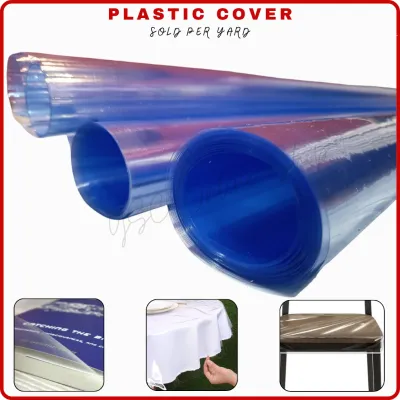
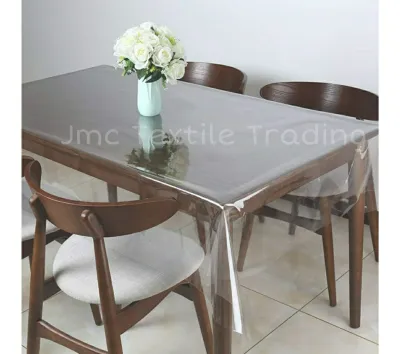
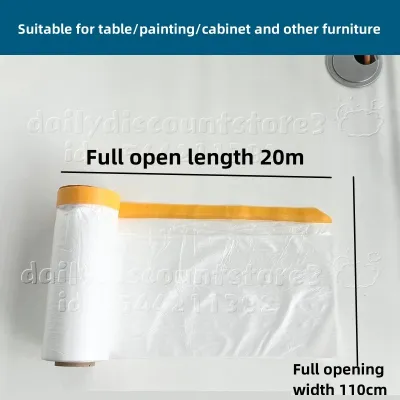

Prices are valid at publication and may change. Please refer to the product page for the latest price.
Conversely, an oversized cover that hangs over the edges of your desk introduces a different set of problems. Overhanging plastic easily catches on your clothing, watch straps, or office chair armrests as you move. Over time, this constant friction causes the edges of the cover to warp, peel, or curl upward, permanently ruining its flat profile. A flush, exact fit ensures the edges remain firmly anchored to the desk surface, extending the lifespan of both the cover and the furniture beneath.
Finally, correct sizing is crucial for maintaining a smooth, continuous surface for writing, drawing, and typing. If your keyboard or laptop sits half on and half off the edge of a poorly sized cover, it will wobble constantly. A perfectly sized cover creates a seamless transition across your entire active work zone, allowing your mouse to glide effortlessly and your notebook to lie completely flat.
How to Measure Your Desk for a Perfect Fit
Achieving a flawless installation starts with a meticulous measurement process. Do not rely on guesswork or the standard dimensions listed on your desk’s original packaging, as manufacturing tolerances can result in slight variances. Taking your own measurements ensures you account for the exact physical reality of your current setup.

Measuring Length, Width, and Depth
To begin, clear everything off your desk so you have unobstructed access to the entire surface. Always use a rigid metal tape measure for this task. Avoid using flexible sewing tape measures, as they can easily stretch, sag, or bend around corners, leading to inaccurate readings that might cause you to buy a cover that is a few centimeters too short or too long.
Extend the metal tape measure along the back edge of the desk to determine the total length, ensuring the tape lies completely flat and straight. Once you have this number, measure the width (or depth) from the front edge to the back edge. It is highly recommended to take these measurements at three different points: the left side, the middle, and the right side of the desk.
Many budget-friendly or custom-built wooden desks in the Philippines may have slight structural variances or minor warping due to seasonal humidity changes. Measuring multiple points allows you to identify if your desk is slightly wider at one end than the other. If you find a discrepancy of more than a few millimeters, use the smallest measurement as your guide to prevent the pastik cover from overhanging or buckling when pressed against adjacent walls.
Accounting for Edge Profiles and Thickness
The shape of your desk’s edges plays a massive role in how a plastic cover will sit. If your desk has sharp, 90-degree square edges, measuring is straightforward because the flat surface extends all the way to the absolute perimeter. However, many modern desks feature beveled, rounded, or waterfall edges designed for wrist comfort.
For desks with rounded or beveled edges, you must decide where you want the pastik cover to end. Placing a thick PVC cover over a sloped or rounded edge will cause the plastic to stick out stiffly rather than conforming to the curve, creating an unsightly lip that catches on your arms. For the best results, measure only the completely flat portion of the desk surface, stopping just before the curve or bevel begins.
Next, consider the thickness of your desk and how it interacts with your overall workspace layout. If your desk is pushed flush against a concrete wall or sits inside a tight alcove, a thick plastic cover might bunch up at the back if there is no clearance. Measure the distance between the desk edge and the wall, and subtract a few millimeters from your cover’s depth if you need to accommodate cable runs or monitor mount clamps. If you plan to use edge guards or desk clips to secure the cover, verify that your desk’s thickness matches the clip capacity before purchasing.
Choosing the Right Coverage Style
Not every workspace requires a pastik cover that spans from corner to corner. Depending on your daily tasks, the items on your desk, and your aesthetic preferences, you can choose between full-desk coverage and targeted zone coverage.
Full-Desk Coverage This style involves ordering a cover that matches the exact dimensions of your entire desk surface. Full coverage is highly recommended if your desk serves multiple purposes, such as a home office desk that doubles as a dining table, or a creative workspace used for crafting, painting, or heavy paperwork. It provides a uniform look and ensures that every square inch of your desk is shielded from spills, scratches, and heat. However, full-desk coverage requires highly precise measurements, as even a tiny error can result in awkward overhangs or exposed strips of wood.
Partial or Zone Coverage If you have a large desk but only use a specific area for active work, partial coverage is often the more practical and cost-effective choice. This involves placing a smaller, rectangular pastik cover directly under your keyboard, mouse, and writing area, essentially acting as a heavy-duty desk mat. This style is ideal if you have heavy desktop items, such as large monitor stands, studio speakers, or desk lamps, that you prefer to sit directly on the wood surface rather than on top of the plastic. Partial coverage gives you the freedom to protect your primary work zone while leaving beautiful wood grain or glass exposed elsewhere.
Mapping Your Workspace Layout Before deciding on a size, lay out your essential work tools in their permanent positions. Note where your laptop, external monitor, keyboard, mouse, and desk organizers sit. If you prefer to keep your monitor stand on the bare desk to maintain stability, measure the remaining open space in front of the stand to determine the ideal dimensions for a partial cover. This step prevents you from buying a cover only to realize it sits awkwardly halfway under your monitor base, causing your screen to tilt.
Standard Sizes vs. Custom-Cut Options
Once you have your measurements and preferred coverage style, you must decide whether to purchase a standard, pre-cut pastik cover or opt for a custom-cut solution.
Standard Pre-Cut Sizes Standard sizes are readily available from local office supply stores and online marketplaces in the Philippines. Common dimensions include 60×40 cm, 80×40 cm, 90×45 cm, and 120×60 cm. If your desk matches these standard dimensions closely, buying a pre-cut cover is the most convenient and budget-friendly option. These mats typically arrive with pre-rounded corners, which look neat and prevent sharp plastic corners from poking your arms. When buying pre-cut, always choose a size that is slightly smaller than your desk surface rather than larger, ensuring the edges do not hang over.
Custom-Cut Options If you have an L-shaped desk, a corner workstation, an oversized conference table, or a custom-built desk that does not conform to standard retail dimensions, a custom-cut pastik cover is your best option. Many local suppliers sell clear PVC plastic by the meter or yard from large rolls. You can order a piece that is slightly larger than your desk and trim it down yourself, or provide exact dimensions to a supplier who can cut it using professional machinery.
Tips for Trimming at Home If you decide to customize a roll at home, you will need a sharp utility knife, a heavy-duty metal straight edge (like a steel ruler), and a cutting mat to protect the surface underneath. Always perform a test cut on a small scrap piece first to get a feel for how the material behaves under pressure. When cutting your main piece, use firm, steady pressure and make multiple shallow passes along the metal ruler rather than trying to slice through the thick plastic in a single go. This technique ensures a clean, straight edge without jagged slips.
Common Sizing Mistakes to Avoid
Avoiding simple errors during the measuring and selection process will save you the hassle of returning products or dealing with a poorly fitted cover.
Buying Too Small out of Caution While avoiding overhang is important, buying a cover that is significantly too small leaves large portions of your active work area unprotected. If your mouse regularly slides off the edge of the plastic cover onto the bare desk, you will experience an irritating bump that disrupts your workflow. Aim for a size that comfortably accommodates your full range of motion while typing and using your mouse.
Ignoring the Footprint of Desk Accessories Many remote workers and students forget to account for clamped accessories like monitor arms, microphone booms, or desk lamps. If you clamp a heavy monitor arm directly over a thick pastik cover, the pressure can cause the plastic to warp, discolor, or split over time. It is generally best to measure your cover so that it stops just short of any heavy clamps, or carefully cut out notches in the plastic to accommodate the clamp bases.
Failing to Account for Material Thickness and Expansion Thicker plastic covers (such as 1.5mm to 2mm PVC) provide excellent protection but are less flexible. If you have a sliding keyboard tray underneath your desk, check the vertical clearance before placing a thick cover on the tray. A cover that is too thick can scrape against the underside of the desk, making it difficult to slide the tray in and out smoothly. Additionally, PVC plastic can slightly expand or contract depending on room temperature; in hot, humid Philippine summers, a tightly wedged cover might expand slightly and buckle if it doesn’t have a millimeter or two of breathing room at the edges.
Frequently Asked Questions (FAQ)
Should a pastik cover hang over the edge of the desk?
No, a pastik cover should generally not hang over the edge of the desk. While you might think an overhang protects the desk’s edge from wear, it actually creates a safety hazard. The overhanging plastic will constantly catch on your clothing, arms, and chair, causing the cover to slide, warp, or peel back over time. For the best durability and safety, choose a size that fits flush or sits 2 to 5 millimeters inside the flat perimeter of your desk.
How do I size a cover for an L-shaped desk?
To size a cover for an L-shaped desk, the easiest method is to treat the workspace as two distinct rectangular zones. Measure each section separately and purchase two individual rectangular pastik covers that meet neatly at the corner seam. Alternatively, if you want a seamless, single-piece cover, you should create a precise cardboard template of your entire desk surface and send it to a custom-cut supplier who can duplicate the exact shape.
Will a thick pastik cover interfere with my keyboard tray?
It can if you do not measure the vertical clearance beforehand. Before purchasing a thick PVC cover (especially those 1.5mm or thicker), measure the gap between the top of your sliding keyboard tray and the underside of your desk. Subtract the thickness of the plastic cover from this gap to ensure there is still enough clearance for your keyboard, mouse, and the tray itself to slide smoothly without scraping or getting stuck.
Community discussion
Share your experience or ask a question. Comments are reviewed before publication.