
To choose the right ticket-stub album for the memories you already have, you must measure the physical dimensions of your stubs and match them to the internal pocket sizes of the album pages. Choosing the right pocket size prevents you from having to fold, trim, or force your valuable keepsakes into spaces that are too small. By taking systematic measurements and understanding standard page layouts, you can preserve your concert, sports, and travel tickets in a clean, organized, and archival-safe format.
Ticket stubs are physical gateways to our favorite memories, representing nights at the theater, high-energy concerts, historic sporting events, or memorable transit journeys. However, because tickets come in an endless variety of shapes, sizes, and paper stocks, finding a single album that accommodates them all requires a bit of planning. Taking the time to measure your collection beforehand ensures that your album keeps your mementos flat, visible, and protected for years to come.
Gather the Right Tools for Accurate Measurements
Before you begin sorting through your collection, gathering a few basic stationery tools will make the measuring process quick, accurate, and safe for your paper items. Working with the correct tools prevents accidental damage to fragile or aging stubs.
Products mentioned in this guide
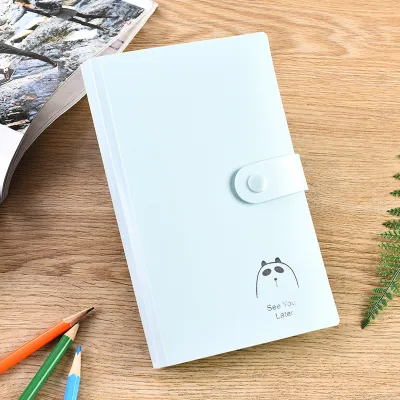
9 Lazada user ratings
perfect for the school project
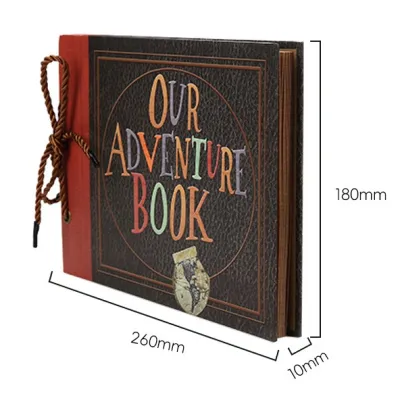
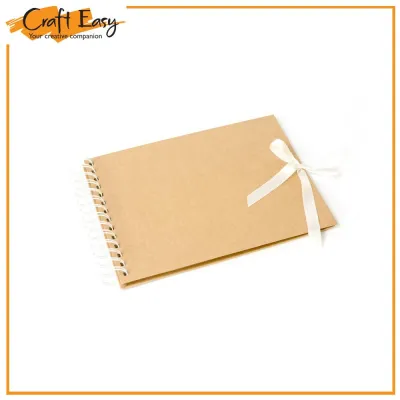
907 Lazada user ratings
thank you so much po received ko npo ambilis lang 1 day lng andito n agd,ganda ng quality at etong size ang hinahanap ko tlga pra sa project…Read full reviewShow less
thank you so much po received ko npo ambilis lang 1 day lng andito n agd,ganda ng quality at etong size ang hinahanap ko tlga pra sa project ng anak ko,ang mura pa..thank you po ulit 😊
Perfect for creative scrapbooking, Easy to personalize and embellish, Excellent for journaling and documenting, Lovely white satin ribbon,
Perfect for creative scrapbooking, Durable chipboard cover, Lovely white satin ribbon, Versatile for sketching and painting,
Perfect for creative scrapbooking! High-quality kraft pages that is really suitable for pop up designs.
Durable chipboard cover, Perfect for creative scrapbooking, Excellent for journaling and documenting,
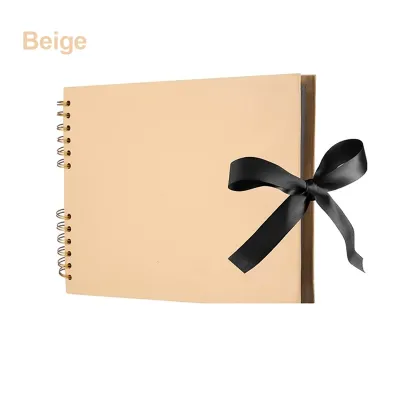
45 Lazada user ratings
What you see is what you get. The hardbound cover and the insert pages are very nice and high-quality. The number of sheets is also correct,…Read full reviewShow less
What you see is what you get. The hardbound cover and the insert pages are very nice and high-quality. The number of sheets is also correct, got the 40 sheets. Received the item in good condition.
Good packaging protection, Ideal for DIY projects,
Perfect for memories, High quality kraft paper,
nice paper & cover but my order was very small
Prices are valid at publication and may change. Please refer to the product page for the latest price.
First, obtain a clear acrylic grid ruler. A transparent ruler is highly recommended because it allows you to see the entire ticket underneath while you align the measuring marks. This makes it much easier to identify the exact edges, especially if the ticket has irregular borders or unique shapes.
Next, prepare a flat, clean, and dry surface to work on, such as a cleared desk or a clean craft cutting mat. Ensure the surface is free of dust, food particles, or liquids that could stain or cling to the paper. Avoid working on textured surfaces that could cause you to accidentally crease or bend fragile stubs while pressing them flat.
Finally, keep a notebook, a sheet of paper, or a digital spreadsheet nearby to log your dimensions. Creating a simple table with columns for the ticket name, width, height, and quantity will help you calculate exactly how many pages of each pocket style you need to purchase.
Step-by-Step Guide to Measuring Your Ticket Stubs
Measuring your ticket stubs is a straightforward process, but it requires attention to detail to ensure you capture the true dimensions of each item. Follow these steps to create an accurate inventory of your collection.

Start by laying the ticket completely flat on your work surface. If a ticket has been folded or curled from being kept in a pocket or drawer, gently flatten it with your fingers. For stubborn curls, you can place the ticket under a heavy, clean book for a few hours before measuring, but avoid using heat or irons, which can ruin the paper.
Measure the maximum width of the ticket from the leftmost edge to the rightmost edge. If the ticket was torn at an entrance gate, make sure to measure from the absolute furthest point of the torn or jagged edge rather than the cleanest part. This ensures the entire ticket will slide into the pocket without snagging.
Measure the maximum length or height of the ticket from the top edge to the bottom edge. Again, take the measurement from the longest points to account for any uneven cuts or perforations.
Assess the thickness and texture of the paper. While most modern tickets are printed on thin paper, some vintage passes, VIP tickets, or festival badges are made of thick cardboard, plastic, or laminated materials. Thicker items take up more physical volume, meaning they will require slightly larger pockets with extra breathing room to prevent the plastic from stretching or tearing.
Once you have measured a ticket, group it with others of similar dimensions. Sorting your collection into distinct piles based on size will give you a clear picture of which pocket configurations dominate your collection, making it much easier to select the right album pages.
Understand Standard Pocket Album Page Layouts
Once you have categorized your ticket stubs by size, you can explore the common pocket configurations available in the scrapbooking and stationery market. Understanding these layouts helps you visualize how your collection will look once organized.
Three-pocket pages are highly popular and versatile. These pages typically feature horizontal pockets that are ideal for wider or longer stubs, such as modern concert tickets, theater passes, and boarding slips. They allow you to display the full horizontal design of the ticket without clipping the text.
Four-pocket pages are generally designed for smaller, more compact items. These pockets are highly suitable for standard cinema tickets, raffle stubs, museum admission slips, and parking receipts. Because these stubs are smaller, the four-pocket layout maximizes page space without letting the tickets slide around excessively.
When evaluating layouts, pay close attention to the pocket orientation and loading style. Top-loading pockets allow you to slide the tickets in from the top of the pocket, which is highly convenient but can allow dust to settle inside over time. Side-loading pockets, where the opening faces the binder spine, offer excellent security because the tickets cannot easily slip out when you turn the pages or carry the album.
Match Your Ticket Measurements to the Right Pockets
With your measurements logged and standard layouts in mind, you can now match your stubs to the correct pocket sizes. This step is crucial to ensure a smooth fit and long-term protection.
The most important rule of choosing pocket sizes is to always add a clearance margin. Never choose a pocket that matches the exact dimensions of your ticket. Instead, add a margin of at least 2 to 3 millimeters to both the width and height of your ticket measurements. This extra space allows you to slide the ticket in and out smoothly without bending the corners or friction-tearing the paper.
When shopping, always distinguish between external page dimensions and internal pocket dimensions. Product listings often highlight the overall page size, but you must look at the detailed specifications to find the exact measurements of the individual pockets. If the internal pocket dimensions are not listed, contact the manufacturer or seller to verify them before purchasing.
Additionally, prioritize the safety of the pocket materials. Ensure the pages are explicitly labeled as acid-free, lignin-free, and PVC-free. Polypropylene is a highly stable, archival-safe plastic that will not chemically react with your tickets. Avoid cheap vinyl or PVC sleeves, as they release harmful plasticizers over time that can turn paper yellow, fade ink, and cause the ticket to stick to the plastic.
Protect Thermal and Fragile Ticket Papers Before Storage
Many modern event tickets are printed on thermal paper, which requires special care and consideration before you place them into any pocket album. Understanding the nature of this material will prevent your memories from fading away.
You can identify thermal paper by its smooth, slightly shiny surface and its sensitivity to heat. Unlike traditional printed paper, thermal paper does not use ink; instead, it uses a heat-sensitive chemical coating that turns dark when exposed to heat during the printing process. If you rub a fingernail quickly across a scrap piece of thermal paper, the friction heat will leave a dark streak.
Because of this chemical coating, thermal tickets are highly vulnerable to environmental factors. Direct sunlight, high temperatures, and high humidity will cause the chemical reaction to continue, eventually turning the entire ticket black or causing the printed text to fade into illegibility. Keep your album away from windows, radiators, and damp storage areas.
Furthermore, never use adhesive tapes, glue sticks, or self-adhesive “magnetic” photo album pages on thermal tickets. The chemicals in these adhesives will react with the thermal coating, erasing the print completely within a few months. Placing them loosely inside high-quality, acid-free polypropylene pockets is the safest way to preserve them.
Where to Find and Evaluate Ticket-Stub Albums
Finding the right ticket-stub album involves exploring local and online stationery resources while keeping a close eye on material quality and binder functionality.
In the Philippines, you can find suitable pocket albums and refill pages at local stationery shops, specialty craft stores, and online marketplaces. When browsing online, read customer reviews to see if other collectors have successfully used the pages for ticket preservation.
While budget is always a consideration, prioritize archival-safe materials over the cheapest available options. High-quality pocket pages can range from ₱15 to ₱30 per sheet, while complete dedicated albums can cost anywhere from ₱500 to ₱1,500 or more depending on the brand and capacity. Investing in acid-free pages now saves you from the heartbreak of ruined, irreplaceable tickets later.
Finally, consider the binder style. A ring-binder system (such as a D-ring binder) is highly recommended over a fixed-bound book. Ring binders allow you to add refill pages as your collection grows, mix different pocket layouts on the same ring mechanism, and easily rearrange your pages chronologically or by event type. Check the ring size and page capacity of the binder to ensure it can comfortably support the weight of your filled pages.
Frequently Asked Questions (FAQ)
What if my ticket stubs are slightly larger than the standard pockets?
If you have oversized ticket stubs, do not attempt to cut, trim, or fold them to make them fit standard pockets. Instead, look for alternative page layouts designed for larger items, such as 2-pocket pages meant for postcards or 4×6 inch photos. You can also use full-page (1-pocket) document sleeves to hold large souvenir programs or festival passes. Another excellent option is to mount the oversized ticket onto a sheet of acid-free cardstock using adhesive-free photo corners, and then slide that cardstock sheet into a standard full-page protector.
Can I mix different pocket sizes in the same album?
Yes, you can easily mix different pocket sizes if you choose a ring-binder style ticket-stub album. Using a standard three-ring or multi-ring binder allows you to combine 3-pocket, 4-pocket, and full-page layouts within the same volume. This flexibility is perfect for organizing your collection chronologically, allowing you to keep a large concert ticket, a small parking stub, and a souvenir flyer from the same event side-by-side on consecutive pages.

Community discussion
Share your experience or ask a question. Comments are reviewed before publication.