
Ordering personalized ballpens with your logo is a highly effective way to build brand recognition, but achieving a professional result requires careful attention to technical details. From selecting the right barrel material to preparing print-ready artwork, each decision impacts the final quality of your promotional items. This step-by-step guide walks you through the entire customization process, helping you navigate vendor selection, design proofing, and quality control to ensure your custom pens make a lasting impression.
A well-designed pen is more than just a writing instrument; it is a portable billboard that remains on a client’s desk or in their bag for months. However, a poorly executed order—such as a pen that leaks or features a smudged logo—can negatively reflect on your brand’s professionalism. Taking a methodical approach to the ordering process ensures that your promotional investment yields positive brand associations.
Step 1: Define Your Campaign Goals and Budget
Before browsing pen catalogs, clearly define the purpose of your promotional campaign. A pen designed for mass distribution at a large trade show in Manila requires a different approach than a premium gift intended for corporate executives. Identifying your target audience helps you determine the appropriate style, quality, and quantity of pens needed for your event.
Products mentioned in this guide
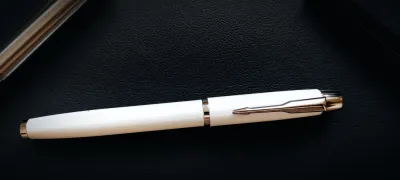
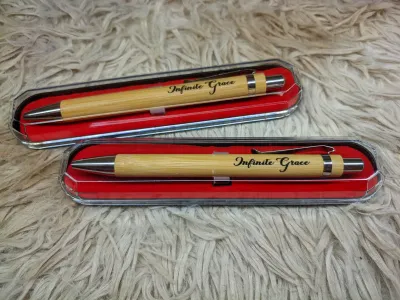
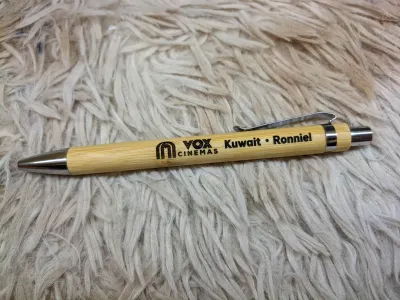
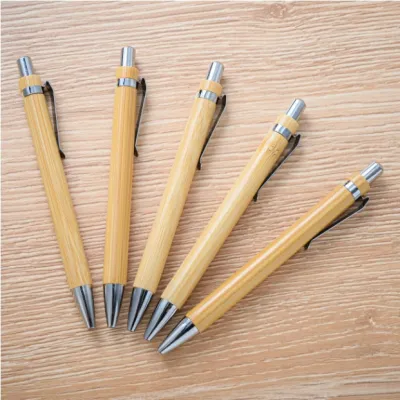
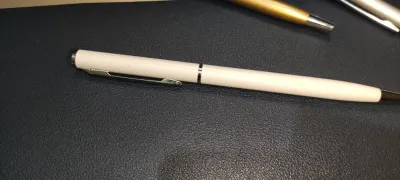
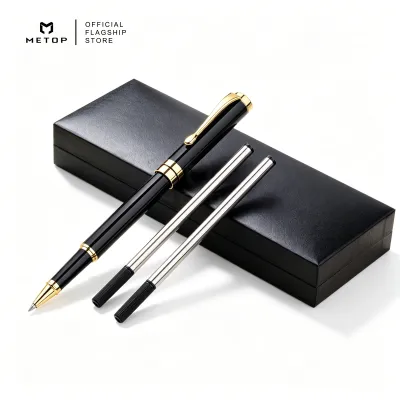
Prices are valid at publication and may change. Please refer to the product page for the latest price.
For large-scale public events, lightweight plastic click pens offer a cost-effective way to maximize your brand’s reach. Conversely, high-end corporate gifts for board members or key clients warrant premium metal pens with a substantial weight and elegant finish. Aligning the pen style with the recipient’s expectations ensures your promotional item is kept and used rather than discarded.
Estimating your required quantity accurately prevents last-minute shortages. Always order a slight surplus—typically 5% to 10% more than your expected attendee count—to account for unexpected guests, testing, and archival samples.
Establish a realistic budget by setting a target cost per unit in Philippine Pesos (₱). When calculating your total expenditure, look beyond the base price of the pen itself. Ensure you account for potential setup fees, local shipping charges, and rush fees if you are working on a tight timeline. Requesting an all-inclusive quote from your vendor prevents unexpected line items from inflating your final invoice.
Step 2: Select the Ideal Ballpen Style and Ink
The material of the pen barrel sets the tone for your brand’s image. Standard plastic is lightweight, highly versatile, and available in a wide array of vibrant colors to match your corporate identity. For brands focusing on sustainability, eco-friendly options like recycled plastics, wheat straw, or bamboo are excellent alternatives. Metal finishes, such as aluminum or brass, offer a premium weight and exceptional durability, making them ideal for executive gifts.

Choosing the right ink type and tip size directly affects the writing experience. Oil-based ballpoint ink is highly stable, dries almost instantly, and resists smudging, which is particularly beneficial in the humid tropical climate of the Philippines. Gel ink offers a smoother, more fluid glide with richer color payoff, though it requires a brief drying time to prevent smudging on glossy paper. Standard tip sizes range from fine (0.5 mm) for precise writing to medium (0.7 mm or 1.0 mm) for bold, smooth lines.
Consider the pen’s mechanism and ergonomic features. Click or retractable mechanisms are highly convenient for quick, one-handed use, while capped pens protect the ink from drying out and prevent accidental stains in pockets or bags. Ergonomic features, such as rubberized or textured grips, improve comfort during prolonged writing sessions, ensuring recipients keep and use your pen daily.
Step 3: Prepare Print-Ready Logo Artwork
To ensure your logo prints sharply on a small, curved surface, you must provide vector artwork. Vector formats, such as AI, EPS, or SVG, allow the vendor to scale your design infinitely without losing clarity or causing pixelation. Avoid submitting standard JPEG or PNG files, as these raster formats often result in blurry, jagged edges when printed on a narrow pen barrel.
Color accuracy is vital for maintaining brand consistency. Convert your artwork to the CMYK color mode or specify exact Pantone Matching System (PMS) codes. Because digital screens display colors in RGB, printed physical inks can look significantly different if they are not calibrated correctly. Providing precise color codes ensures the vendor matches your brand’s exact shades.
The printable area on a ballpen is extremely limited, often restricted to a few millimeters in height. Simplify your logo by removing fine lines, small secondary text, or complex gradients that might bleed together during the printing process. Decide where you want the logo positioned: the barrel offers the largest surface area, the clip provides high visibility when tucked into a pocket, and the plunger or cap can host a small, subtle icon.
Step 4: Evaluate and Choose a Customization Vendor
Before committing to a large bulk order, request physical samples of the exact pen model you intend to purchase. This allows you to personally test the ink flow, evaluate the build quality, and check the durability of the print. Rub your thumb firmly over the printed logo to ensure the ink does not easily scratch, peel, or smudge.
Verify the printing methods offered by the vendor. Screen printing is ideal for simple, solid-color logos on flat or slightly curved surfaces. Pad printing is highly versatile and conforms well to the cylindrical shape of a pen barrel, making it the standard choice for multi-color logos. Laser engraving is the preferred choice for metal pens, as it physically etches the design into the surface, creating a permanent, elegant mark that will not wear away.
Compare production lead times, minimum order quantities (MOQs), and the responsiveness of customer support. A reliable vendor should provide clear timelines for production and local delivery within the Philippines, taking into account regional shipping variations. Ensure they have a clear policy for handling defective items or shipping delays.
Step 5: Review the Digital Proof and Finalize the Order
The digital proof, or mockup, is your final opportunity to catch errors before mass production begins. Carefully inspect the spelling of any text, the alignment of the font, and the overall proportions of the logo on the pen template. Ensure the logo is not stretched, warped, or placed too close to the clip or grip.
Double-check that the specified barrel colors and ink colors match your initial selection. Verify that the proof explicitly lists your chosen Pantone codes or print colors. If the digital proof looks incorrect or misaligned, request revisions immediately; do not approve a proof with the assumption that the vendor will correct it during production.
Review the vendor’s policy regarding proof revisions. Some suppliers offer a set number of free revisions, while others may charge after the first round. Once you are completely satisfied, provide a formal, written sign-off to initiate the production phase. Remember that your approval releases the vendor from liability for any design errors present on the approved proof.
Step 6: Inspect the Delivery and Store Properly
Once your bulk order arrives, perform a thorough quality inspection immediately. Do not wait until the day of your event to open the boxes. Randomly select pens from different cartons and inspect them for misprints, smudges, or physical defects like cracked barrels or loose clips.
Test a small percentage of the pens on various paper types to ensure the ink flows smoothly without skipping or leaking. This step is particularly important for gel ink pens, which can sometimes dry out if the protective wax tips were not applied correctly or if they were exposed to extreme heat during transit.
Store your personalized ballpens in a cool, dry place away from direct sunlight and high humidity. In the tropical climate of the Philippines, excessive heat can degrade plastic barrels, cause ink to leak or dry out prematurely, and weaken the adhesive or print quality of the logo. Keep the pens in their original packaging or airtight containers until they are ready for distribution.
Frequently Asked Questions (FAQ)
What is the typical minimum order quantity for personalized ballpens?
Minimum order quantities (MOQs) vary widely depending on the pen material and customization method. For standard plastic promotional pens, vendors often require a minimum of 100 to 500 units to offset the setup costs of screen or pad printing. Premium metal pens or laser-engraved options may have much lower MOQs, sometimes starting at 10 to 50 units, making them more accessible for small corporate teams or executive gifts. Always check the specific policy of your chosen supplier, as ordering below the standard MOQ may incur additional low-volume surcharges.
How far in advance should I order custom logo pens for an event?
It is highly recommended to place your order at least three to four weeks before your scheduled event. This timeline allows approximately one week for design preparation, proofing, and revisions, followed by one to two weeks for mass production. Additionally, allocate at least one week for local transit and delivery within the Philippines, especially if the shipment is traveling between islands or to areas outside Metro Manila. Building in this buffer protects your campaign from unexpected delays in customs, production bottlenecks, or weather-related shipping disruptions.
Can I print a full-color or gradient logo on a standard ballpen?
While standard spot-color printing (like screen or pad printing) is limited to one or two solid colors, full-color printing is possible through advanced methods like digital UV printing or full-wrap heat transfer. These techniques allow for complex gradients and multi-colored logos, though they are typically more expensive and may require specific pen models with flat or specially coated barrels. If your logo features intricate gradients, discuss these technical requirements with your vendor early to determine if they offer digital printing or if you should simplify your artwork to a solid-color version for standard printing.
Community discussion
Share your experience or ask a question. Comments are reviewed before publication.