
Keeping your important documents organized and protected can feel like a constant battle, especially when dealing with various paper sizes and environmental factors. If you are looking for an affordable, lightweight, and durable solution, the long plastic zipper envelope is an excellent choice. These versatile pouches are widely used in schools, home offices, and corporate environments to keep loose sheets neat, dry, and easily accessible.
But what exactly fits inside these envelopes, and how can you set up an organization system that actually lasts? Because “long” envelopes are designed with generous dimensions, they can easily accommodate standard Philippine paper sizes, including short bond paper (Letter), A4, and long bond paper (Folio or Legal). By establishing a structured filing routine and taking steps to protect your papers from tropical humidity, you can transform a simple stack of plastic pouches into a highly efficient, damage-proof document archive.
Understanding Paper Sizes and Long Envelope Dimensions
When shopping for office supplies in the Philippines, you will frequently encounter the term “long” applied to folders, bond paper, and envelopes. In the local stationery market, a plastic envelope with zipper long is specifically manufactured to accommodate documents that are longer than standard letter or A4 sizes. Typically, these envelopes have outer dimensions measuring approximately 13.5 to 14.5 inches in length (34 to 37 cm) and 9.5 to 10.5 inches in height (24 to 27 cm). This extra clearance ensures that papers can slide in and out smoothly without their edges catching on the zipper mechanism.
Products mentioned in this guide
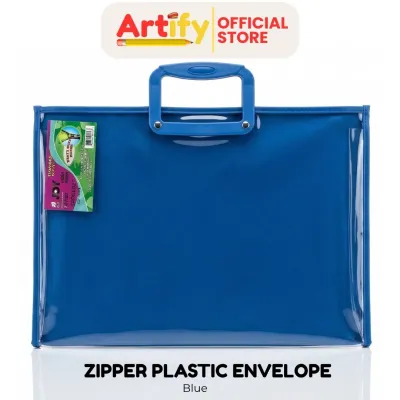
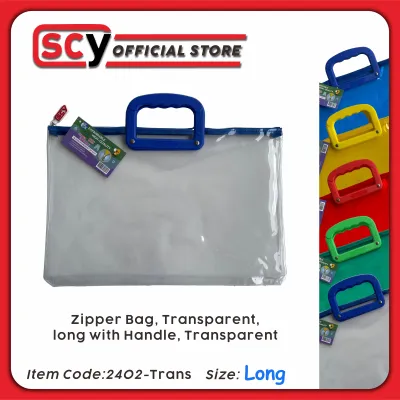
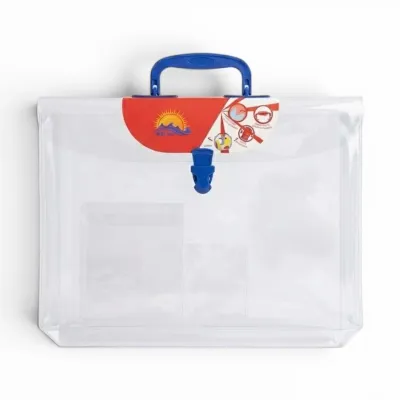
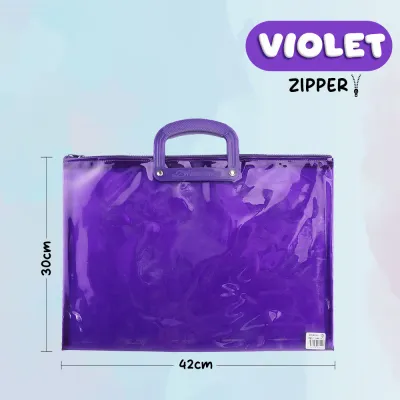
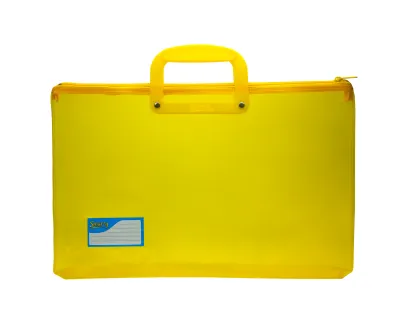
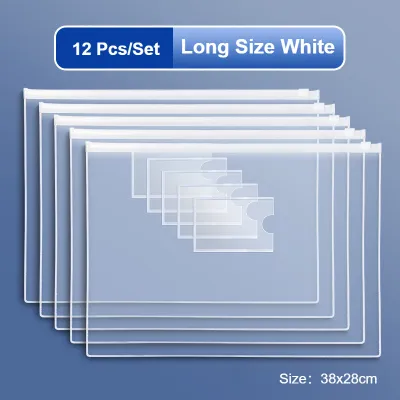
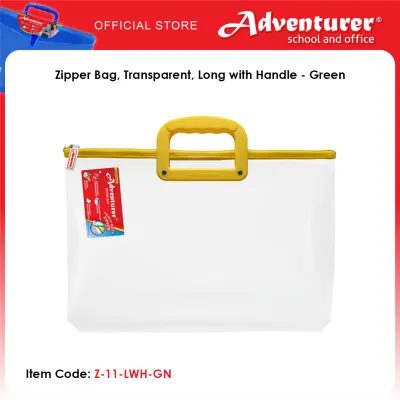
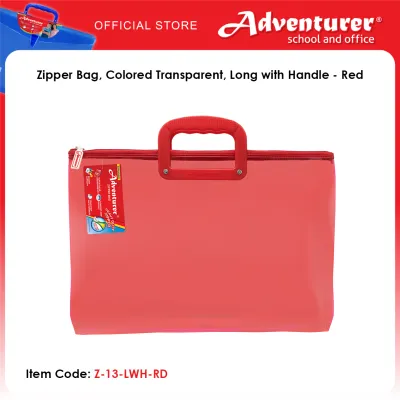
Prices are valid at publication and may change. Please refer to the product page for the latest price.
Understanding how standard paper sizes correspond to these dimensions will help you plan your filing system without damaging your documents:
- Letter Size (Short Bond Paper): Measuring 8.5 by 11 inches (21.59 x 27.94 cm), short bond paper fits inside a long zipper envelope with plenty of room to spare. This extra space is highly advantageous, allowing you to store thick stacks of paper or keep documents inside individual paper folders before placing them in the plastic pouch.
- A4 Size: Measuring 8.27 by 11.69 inches (21.0 x 29.7 cm), A4 is the international standard for many official forms, school modules, and corporate reports. Like short bond paper, A4 sheets fit comfortably inside a long envelope, leaving ample margin space on the sides and top.
- Folio Size (Standard Long Bond Paper): In the Philippines, the most common "long" paper used in schools and offices is Folio size, which measures 8.5 by 13 inches (21.59 x 33.02 cm). Long plastic zipper envelopes are perfectly sized for Folio sheets, allowing them to lay completely flat without any folding, bending, or creasing.
- US Legal Size: Measuring 8.5 by 14 inches (21.59 x 35.56 cm), true US Legal paper is primarily used for legal contracts, court pleadings, and land titles. Because some long envelopes are cut close to 13.5 inches, it is crucial to verify the exact product specifications if you plan to store true 14-inch legal documents. Many high-quality long zipper envelopes are designed with a slight margin to accommodate these longer sheets, but checking the dimensions beforehand is always recommended.
Before purchasing zipper envelopes in bulk, perform a quick physical check. Lay your longest document flat on a desk and place the envelope on top of it. You should see at least a half-inch of clearance on the left, right, and bottom sides, and at least one inch of clearance at the top. This top clearance is essential because it prevents the sliding zipper pull from scraping against or tearing the top edges of your papers when you seal the envelope.
It is also important to recognize the physical capacity limits of these folders. While plastic zipper envelopes are durable, they are flat-style storage solutions without expandable side gussets. To keep the seams from splitting and prevent the zipper track from popping open, limit the contents of each envelope to a maximum thickness of 1.5 centimeters. This is roughly equivalent to 100 to 150 sheets of standard 70gsm or 80gsm copy paper. If you need to store larger volumes of paper, it is best to split the documents across multiple envelopes.
How to Sort and File Documents Step-by-Step
An organized filing system is only as good as the process used to create it. To prevent your long plastic zipper envelopes from becoming cluttered catch-alls for random papers, follow this systematic step-by-step method to sort, prepare, and file your documents.

Step 1: Gather and Purge Collect all loose papers, receipts, school modules, and utility bills from around your home or office and pile them on a large, clean table. Go through the pile sheet by sheet. Be ruthless in deciding what to keep. Discard duplicate printouts, expired vouchers, and outdated drafts. For documents that contain sensitive personal data, financial records, or account numbers, set them aside to be securely shredded rather than thrown directly into the trash.
Step 2: Group by Broad Categories Sort your remaining papers into logical, high-level categories. If you are organizing a household, you might create piles for utility bills, medical records, property documents, and personal identification papers. If you are a student or teacher, group your papers by subject, semester, or administrative task. Keep these piles physically separate on your workspace so you can easily assess the volume of each category.
Step 3: Prep the Papers for Plastic Storage Before sliding papers into a plastic envelope, you must prepare them to prevent physical damage. Remove bulky metal binder clips, heavy staples, or rusty paper clips. These metal fasteners add unnecessary thickness, can snag on the zipper, and may rust over time in humid conditions, leaving permanent stains on your documents. Instead, use smooth, vinyl-coated paper clips to keep sub-groups of papers together. For small or delicate items like thermal cash register receipts, place them inside a standard paper envelope or a small index card pocket first so they do not slide around or get lost at the bottom of the larger pouch.
Step 4: Load and Seal Safely Hold the plastic envelope open with one hand and support your aligned stack of papers with the other. Gently slide the stack into the envelope, leading with the bottom edge of the paper. Ensure the corners of the papers slide all the way to the bottom without folding back or crumpling. Once the papers are fully inserted, check that they sit below the zipper line. Gently slide the zipper pull from one end to the other to seal the envelope, ensuring it glides smoothly without catching on the paper.
Verification and Storage Check After sealing, lay the envelope flat on your table and press out any trapped air. Inspect the heat-sealed side seams to ensure they are not under tension or pulling apart. If the envelope bulges significantly or the zipper is difficult to close, remove a portion of the papers and distribute them into a second envelope. A properly filled envelope should lay flat, making it easy to stack horizontally or file vertically in a storage box.
Practical Filing Systems to Keep Documents Retrievable
Storing your documents in long plastic zipper envelopes is only half the battle; you also need a reliable way to find what you need without opening every single pouch. Implementing a structured organizational framework will save you time and frustration.
Color-Coding Strategy Most long plastic zipper envelopes are available in a variety of vibrant colors. You can leverage these colors to create an instant visual filing system. Assign a specific color to each major category of your life:
- Red or Orange: Urgent actions, unpaid bills, active contracts, and tax documents.
- Blue or Purple: Academic records, certificates, school modules, and creative projects.
- Green: Medical prescriptions, health records, insurance policies, and property documents.
- Clear or White: General reference materials, user manuals, and blank forms.
Labeling Techniques While many plastic envelopes are translucent, reading small text through textured or colored plastic can strain your eyes. To make identification effortless, use a highly visible labeling method. One effective technique is to place a brightly colored cover sheet or a large index card as the very first page inside the envelope. Write the category name in large, bold black marker on this card so it is clearly readable through the front of the plastic. Alternatively, apply a removable adhesive label or write-on painter’s tape to the top-right corner of the envelope’s exterior. Avoid using permanent markers directly on the plastic, as this prevents you from reusing the envelope for a different category in the future.
Chronological vs. Categorical Sorting Decide how to order the papers inside each envelope based on how you will retrieve them. For documents that accumulate over time, such as monthly electricity bills, internet receipts, or salary slips, chronological sorting is highly effective. Always place the newest document at the front of the stack so that the most recent information is immediately visible when you open the zipper. For project-based files, school modules, or legal contracts, use categorical sorting. Group these papers by sub-topic or milestone, keeping related documents together regardless of the date they were printed.
Maintaining a Master Index To elevate your organization to a professional level, create a master index. This can be a simple sheet of paper kept in a primary binder or a digital spreadsheet on your computer or phone. List each zipper envelope by its color, label, and storage location, along with a brief bulleted list of its contents. When you need to find a specific document, a quick glance at your master index will tell you exactly which colored envelope to pull, eliminating any guesswork.
Protecting Files and Envelopes in Humid Climates
In tropical regions characterized by high humidity and intense heat, storing paper documents requires extra care. Plastic envelopes offer excellent protection against unexpected water spills and dust, but they can also trap moisture inside if not managed correctly.
Moisture Control and Mold Prevention Before sealing any documents inside a plastic zipper envelope, ensure that both the papers and the interior of the envelope are completely dry. Trapping even a microscopic amount of moisture inside an airtight plastic pocket can lead to a greenhouse effect. Over time, this trapped dampness can cause paper to yellow, develop a musty odor, grow mold, or cause ink from inkjet printers to bleed and smudge. To combat high humidity, consider dropping a small, fresh silica gel packet into the bottom of each envelope before sealing it. These packets absorb residual moisture and help keep your papers crisp and dry.
Proper Storage Conditions Store your filled plastic envelopes in a cool, dry, and dark environment. A closed wooden cabinet, a metal filing cabinet, or an opaque plastic storage box are ideal locations. Avoid leaving your envelopes on open shelves where they are exposed to direct sunlight or high ambient temperatures. Prolonged exposure to ultraviolet (UV) rays can degrade the plastic material, causing it to become brittle, yellowed, or prone to cracking. Furthermore, high heat can cause the printed ink or toner on your documents to soften and transfer onto the inner walls of the plastic envelope, permanently ruining both the document and the pouch.
Zipper Track Maintenance The sliding zipper on your plastic envelope relies on a clean, debris-free track to function properly. Over time, dust, lint, and tiny paper fibers can accumulate in the plastic teeth, causing the slider to stick or jump off the track. If the zipper becomes stiff, do not force it open or closed. Instead, open the envelope and gently wipe the zipper track with a dry, soft microfiber cloth to remove any micro-debris. Never apply liquid lubricants, oils, or chemical sprays to the zipper track, as these substances can attract more dust, seep inside the envelope, and permanently stain your valuable papers.
Handling Sticking and Tacky Plastic In extremely humid weather, some types of plastic envelopes can develop a slightly tacky or sticky texture on their exterior surfaces, especially if they are stacked tightly together for long periods. To resolve this, remove the documents from the envelope and wipe the exterior surfaces with a soft cloth that has been lightly dampened with clean water and a drop of mild dish soap. Wipe away any soap residue with a clean, damp cloth, and dry the envelope thoroughly with a dry towel before putting the papers back inside. If recommended by the manufacturer, you can also apply a very light dusting of unscented talcum powder or cornstarch to the dry exterior of the envelopes to prevent them from sticking to one another when stacked on a shelf.
Frequently Asked Questions (FAQ)
Can I store thick items like notebooks or textbooks in a long zipper envelope?
Long plastic zipper envelopes are specifically designed for flat paper documents and have minimal depth expansion. Storing thick, rigid items like hardbound textbooks, thick spiral notebooks, or bulky calculators is not recommended. Forcing these items into a flat envelope stretches the plastic beyond its intended capacity, putting immense strain on the heat-sealed side seams and the zipper track. This can cause the seams to split or the zipper teeth to separate permanently. If you need to store and transport bulky school or office supplies, it is better to use dedicated expandable plastic file cases with wide bottom gussets, or heavy-duty canvas utility pouches designed to handle depth.
How do I remove sticky residue or stains from the plastic surface?
To remove sticky residue left behind by old price tags, adhesive tape, or labels from the exterior of your plastic envelope, start with a gentle, low-risk cleaning method. Dampen a cotton pad or a soft cloth with a small amount of diluted dishwashing liquid or rubbing alcohol. Gently rub the sticky area in a circular motion until the adhesive dissolves, then wipe the area clean with a damp cloth and dry it immediately with a soft towel. Avoid using harsh chemical solvents like acetone, nail polish remover, paint thinner, or undiluted bleach. These strong chemicals can melt, warp, or permanently cloud the plastic material, and any chemical residue left on the envelope could seep inside and destroy your papers.
Community discussion
Share your experience or ask a question. Comments are reviewed before publication.