
Organizing loose-leaf folders and school papers inside a book holder bag for school requires a deliberate strategy to prevent crumpled edges, torn sheets, and wasted time between classes. When you are rushing from one classroom to another, a disorganized bag leads to bent corners and misplaced homework. By establishing a structured packing system, you can protect your schoolwork from physical damage and the wear of daily travel. This approach is especially crucial in warm, humid climates where moisture can soften paper fibers, making them highly susceptible to tearing and folding.
Sort and Categorize Your School Papers Before Packing
Before you place a single sheet of paper into your bag, you must assess your current document load. Dumping loose sheets directly into a compartment guarantees clutter. Start by gathering all loose papers from your desk, pockets, and existing folders, then lay them out on a flat surface to evaluate what actually needs to travel with you.
Separate your active daily papers from your long-term reference materials. Active papers include current homework assignments, study guides for upcoming exams, and permission slips that require immediate signatures. Long-term reference materials, such as past syllabi, completed unit notes, and graded essays, should remain in a dedicated storage box or filing cabinet at home rather than weighing down your daily carry.
Products mentioned in this guide
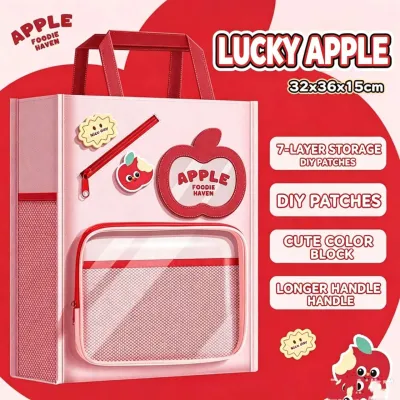
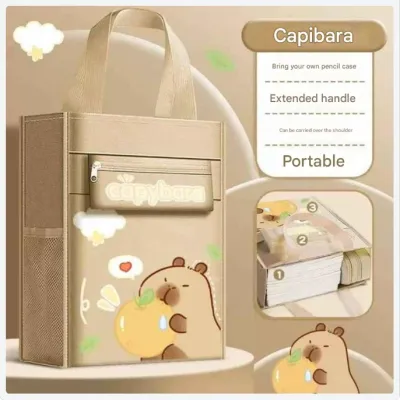
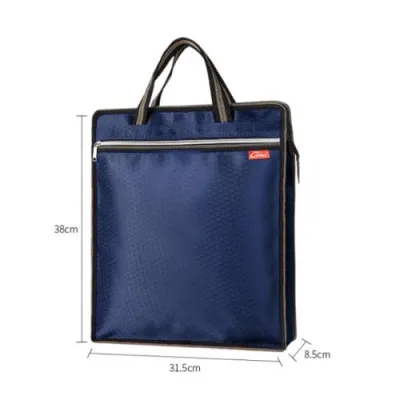
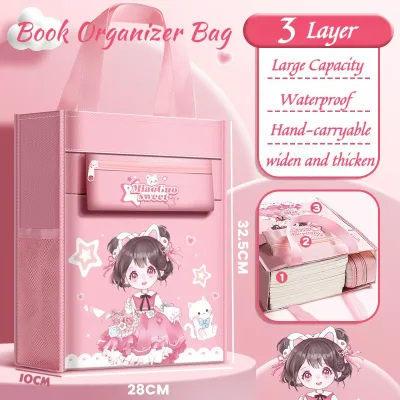
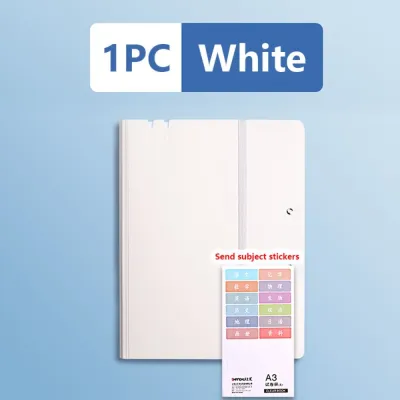

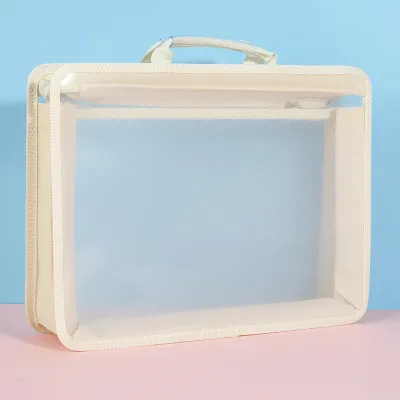
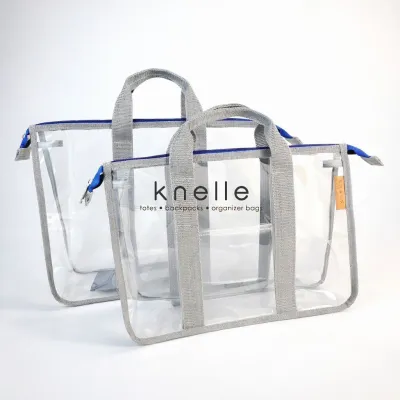
Prices are valid at publication and may change. Please refer to the product page for the latest price.
Next, group your active documents by subject, daily schedule, or priority. You can use color-coded sticky notes or temporary clips to keep these groups distinct during the sorting process. Aligning your papers with your daily class schedule ensures that you only carry what is necessary for that specific day’s lessons.
Finally, discard or archive outdated drafts, scribbled scrap paper, and old graded assignments that no longer serve an academic purpose. Regularly purging these items lightens your physical load and reduces visual clutter. This simple step prevents your book holder bag for school from becoming a graveyard for forgotten worksheets.
Select Folders and Inserts That Fit Your Bag
Choosing the right filing tools is the next step in building an efficient organization system. Not all folders are created equal, and their compatibility with your book holder bag for school depends heavily on physical dimensions and material construction.

Always match folder sizes to the internal dimensions of your specific bag. In many school environments, paper sizes vary between standard Letter, A4, and Long/Folio sizes. Measure the interior height, width, and depth of your bag’s main compartment before purchasing folders. If your bag is designed primarily for standard A4 notebooks, attempting to force a long plastic envelope inside will bend the corners of the folder and damage the zipper of your bag.
Compare rigid binders versus flexible loose-leaf folders to find the right balance between weight and structural protection. Rigid three-ring binders offer excellent protection against bending and crushing, making them ideal for delicate hand-drawn diagrams or lab reports. However, they are heavy and consume significant physical space. Flexible loose-leaf folders, plastic report covers, or multi-pocket folders are much lighter and conform easily to tight spaces, though they offer less defense against heavy textbooks pressing down on them.
For small, loose items like permission slips, index cards, or receipts, utilize clear plastic sleeves or zippered utility pouches. These inserts can be punched directly into your loose-leaf binders or tucked into dedicated slots. Keeping these small documents contained prevents them from slipping to the very bottom of your bag, where they are easily lost or damaged by heavier items.
Pack Your Book Holder Bag for Balance and Quick Access
How you arrange items inside your book holder bag for school directly affects both the condition of your papers and your physical comfort. A poorly balanced bag strains your shoulders and subjects your folders to uneven pressure, which can warp plastic covers and tear paper punch holes.
Begin by placing heavy binders and textbooks against the back panel of the bag. This positioning keeps the heaviest items closest to your spine, which provides better ergonomic support and prevents the bag from sagging outward. Placing flat, rigid items against the back also creates a sturdy internal wall that protects more delicate folders from bending.
Arrange your flexible loose-leaf folders in the middle section of the bag, ordering them chronologically according to your daily class schedule. For example, place your morning subject folders toward the front or top for easy retrieval, and afternoon subjects behind them. This sequential arrangement allows you to slide folders in and out without rummaging through the entire compartment during short class transitions.
Secure any remaining loose papers in designated front pockets or internal dividers rather than letting them float freely in the main compartment. If your bag lacks built-in dividers, you can insert a rigid plastic file organizer to create dedicated slots. Keeping loose sheets isolated prevents them from getting caught under heavy books and crumpled into unusable shapes.
Before zipping your bag closed, check the clearance around the zipper track and straps. Ensure that no folder edges, plastic tabs, or loose papers are protruding into the path of the zipper. Forcing a zipper over a misaligned folder can snag the plastic, rip your papers, or damage the zipper teeth, rendering the bag difficult to close.
Maintain Your System With a Daily Clearing Routine
An organized bag is not a one-time achievement; it requires consistent maintenance to prevent clutter from slowly accumulating over the school week. Establishing simple, daily habits ensures that your filing system remains functional and reliable.
Implement a quick daily clearing routine at the end of each school day. Spend five minutes removing completed worksheets, graded quizzes, and administrative notices from your bag. File these items into your home archive or discard them if they are no longer needed. This daily habit prevents your active folders from becoming overstuffed and difficult to navigate.
Rotate your folders and binders based on the upcoming day’s timetable. If you do not have math class on Tuesday, remove your math binder on Monday evening and replace it with the materials needed for Tuesday’s subjects. This rotation keeps your bag light and ensures you always have the correct resources on hand.
Regularly inspect folder edges, binder rings, and bag seams for early signs of wear or tearing. High humidity can weaken paper and adhesive seams over time, while heavy daily use can cause plastic folders to crack. Catching these minor issues early allows you to reinforce folder spines with tape or replace damaged inserts before they fail completely during a busy school day.
Frequently Asked Questions (FAQ)
How do I prevent loose papers from falling out of folders?
To keep loose papers secure, always verify the tightness of folder prongs, rings, or clasps before packing them into your bag. If you are using pocket folders, ensure the papers are pushed completely to the bottom of the pockets so they do not slide out when the bag is tilted. For temporary holding of unbound sheets, use binder clips or slide them into a plastic clear sleeve before placing them in the folder. These simple tools keep your documents bundled together and prevent individual pages from slipping out and getting lost in the main compartment.
What is the best way to organize a bag with only one main compartment?
If your book holder bag for school features only one main compartment, you can create structure by relying on a multi-pocket accordion folder. This single insert acts as a portable filing cabinet, allowing you to separate different subjects without needing multiple individual folders. Use color-coded tabs on the accordion dividers to quickly distinguish between subjects. This method keeps your papers organized and upright, preventing them from slumping to the bottom of the single compartment.
How can I protect important certificates or transcripts from bending?
Delicate or irreplaceable documents like certificates, transcripts, or art projects require extra protection. Always use rigid document holders, hard-backed plastic sleeves, or dedicated clipboards to shield these items from bending. Avoid placing these sensitive documents in exterior pockets or easily compressed sections of your bag where they can be crushed by heavy textbooks. Instead, sandwich the rigid holder between flat textbooks or place it directly against the back panel of your bag for maximum structural support.
Community discussion
Share your experience or ask a question. Comments are reviewed before publication.