
Pairing a bouquet wrapper with the right ribbon and bow is the final, crucial step in professional floral presentation. This finishing touch does more than just hold the arrangement together; it establishes a cohesive visual theme and elevates the perceived value of the flowers. The secret to a flawless presentation lies in balancing the physical weight, texture, and visual style of both the wrapping material and the ribbon. By understanding how these elements interact, you can ensure your arrangements look balanced, secure, and beautifully proportioned.
Understanding Wrapper Textures and Visual Weight
To create a harmonious bouquet, you must first analyze the physical and visual characteristics of your wrapping material. Wrapper finishes generally fall into two categories: matte and glossy. Matte finishes, such as classic Korean paper, non-woven fabric, and kraft paper, absorb light to create a soft, sophisticated, or rustic appearance. Glossy finishes, including clear cellophane, iridescent sheets, and metallic wrappers, reflect light to add brightness and a modern, high-energy feel to the arrangement.
Stiffness and drape also play a critical role in defining the bouquet’s overall silhouette. Stiff materials, like heavy kraft paper or thick plastic sheets, hold structured, geometric folds and create a dramatic, voluminous frame around the flowers. In contrast, draping materials, such as soft mesh, lace, or thin Korean paper, fall gracefully around the stems, offering a gentle, romantic, and organic outline.
Products mentioned in this guide
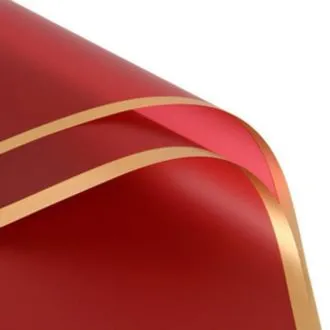
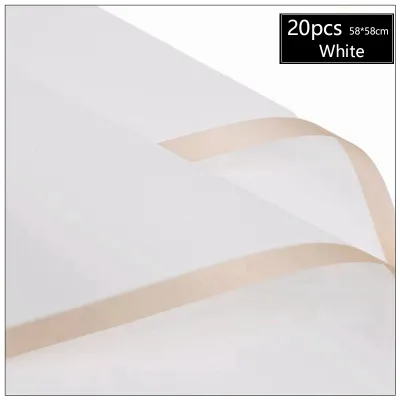
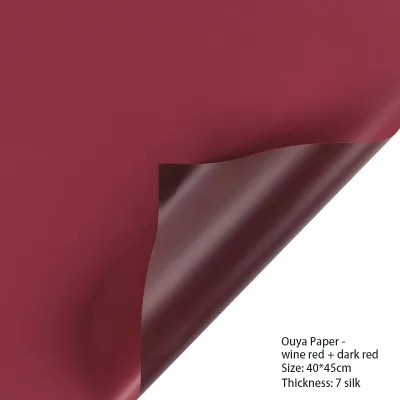
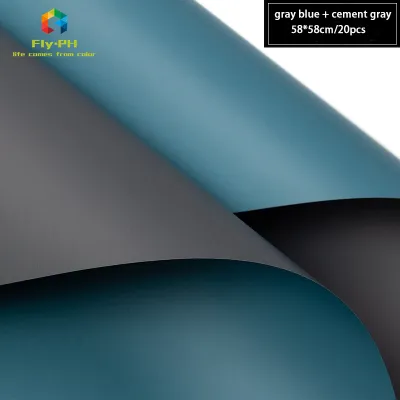
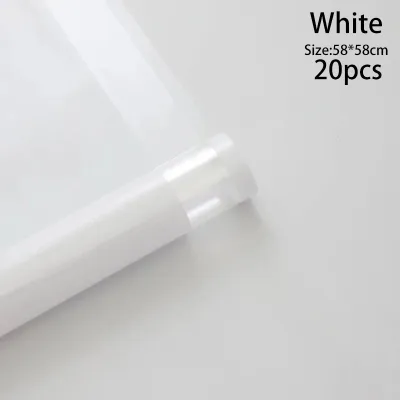
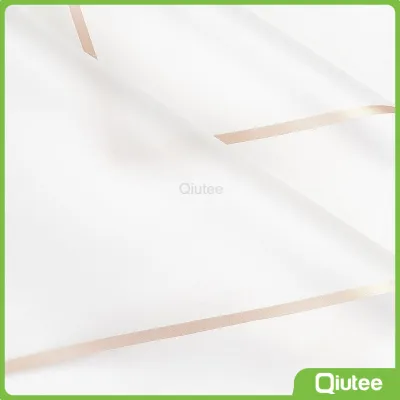
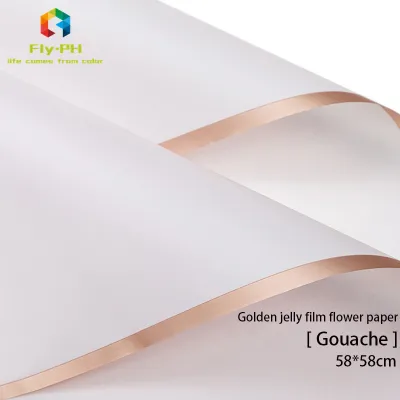
Prices are valid at publication and may change. Please refer to the product page for the latest price.
Transparency is another factor that dictates the visual weight of the finished arrangement. Fully transparent cellophane has virtually no visual weight, keeping the focus entirely on the natural beauty of the blooms. Semi-translucent or opaque wrappers, however, introduce their own color blocks and volume, requiring a ribbon that can either match this presence or provide a deliberate, balanced contrast.
In tropical climates like the Philippines, high humidity can affect how certain wrapping materials behave. Matte papers may soften slightly when exposed to moisture from wet stems or humid air, whereas glossy plastics and synthetic meshes remain completely unaffected. Verifying the water resistance of your chosen wrapper and ribbon combination through a simple spot test—applying a few drops of water to a scrap piece to observe if it stains, bleeds, or loses structural integrity—is an excellent way to ensure your bouquet maintains its shape.
Matching Ribbon Widths and Textures to Wrappers
Selecting the correct ribbon width and texture depends heavily on the thickness and weight of your wrapper. Lightweight or transparent wrappers, such as cellophane and thin Korean paper, pair best with narrow, delicate ribbons. Chiffon, organza, or thin satin ribbons ranging from 0.5 to 1 inch in width add a touch of elegance without crushing or overpowering the delicate folds of the wrapping material.

Heavy or highly textured wrappers, such as thick kraft paper, burlap, or heavy-gauge mesh, require substantial ribbons to anchor the design. Wide grosgrain, cotton, linen, or heavy canvas ribbons measuring 1.5 to 2 inches or more provide the necessary visual and physical strength. A thin, flimsy ribbon wrapped around a bulky kraft paper sleeve will look structurally weak and visually lost.
To avoid visual imbalance, establish a clear relationship between the textures of the wrapper and the ribbon. While contrasting textures can work, extreme mismatches often look accidental rather than intentional. For instance, pairing a highly textured, rustic burlap wrapper with an ultra-shiny, smooth silk ribbon can feel jarring. Instead, match the organic feel of kraft paper with matte cotton or jute twine, and reserve high-shine satin ribbons for smooth, premium Korean papers or glossy cellophane wraps.
Before finalizing your design, perform a quick physical check of your materials. Wrap a sample strip of ribbon around a folded piece of your wrapper to verify that the ribbon’s thickness matches the paper’s bulk. If the ribbon causes the wrapper to bunch up unnaturally, or if the wrapper completely swallows the ribbon’s presence, adjust your selection to a more compatible width or material weight.
Selecting Bow Styles for Different Wrapper Finishes
The style of your bow should complement the overall aesthetic of the wrapper finish to achieve a professional, cohesive look. Elegant and romantic styles, which often utilize layered Korean paper in soft pastel tones, are perfectly suited for multi-loop petal bows or classic French bows with long, flowing tails. These elaborate bow styles mirror the cloud-like, voluminous folds of the paper, allowing the ribbon to cascade gracefully alongside the stems.
Rustic or natural styles, characterized by kraft paper, corrugated sheets, or natural fiber meshes, call for simplicity. A clean single-knot tie, a simple shoestring bow, or a rustic twine weave with frayed edges enhances the earthy, organic charm of the bouquet. Overcomplicating the bow on a rustic arrangement can detract from its raw, natural beauty and make the design feel cluttered.
Modern or minimalist styles, which feature crisp cellophane, solid-colored stiff papers, or monochrome sheets, look best with geometric, structured bows. A flat, single-loop knot or a small, perfectly symmetrical bow with short, clean-cut tails maintains the clean lines and sharp angles of modern floral design. This approach ensures the wrapping remains sleek and sophisticated without unnecessary bulk.
When planning your arrangement, consider the practical environment of the event. A wedding bouquet wrapped in delicate mesh might require a soft, flowing chiffon bow that drapes beautifully as the bride walks, while a graduation bouquet wrapped in bold, structured paper benefits from a crisp, defined grosgrain bow that stays perfectly in place throughout a long, active ceremony.
Step-by-Step Tying and Securing Process
Achieving a professional finish requires a systematic approach to measuring, securing, and shaping your ribbon. To begin, measure your ribbon length carefully to avoid waste while ensuring you have enough material for beautiful loops and tails. A reliable method is to wrap the ribbon around the bouquet neck once, then pull out a length equal to approximately three times the width of the finished bouquet before cutting. Always use sharp fabric shears to make a clean, 45-degree angle cut or a classic V-shape chevron cut at the ends to prevent the fabric from fraying.
Securing the ribbon without damaging delicate wrappers requires careful tension management. Thin papers, particularly Korean paper, can tear or crease permanently if pulled too tightly. To prevent this, secure the bouquet stems tightly with floral tape or a sturdy rubber band first, then wrap a utility string or a thin chenille stem over this base to hold the wrapper folds in place. Once this structural foundation is secure, tie your decorative ribbon directly over it. This technique distributes the tension evenly and prevents the decorative ribbon from slicing through or wrinkling the paper.
When using sharp fabric shears to trim ribbon ends or hot glue to secure stubborn knots, always work on a stable, flat surface. Keep your fingers clear of the cutting path and the heat source to prevent accidental cuts or burns. If you are using adhesives to secure the bow, apply only a tiny, controlled dot of glue to the center knot to avoid spilling onto the wrapper material.
The final step is adjusting and shaping the bow to ensure symmetry and volume. Hold the center knot firmly with one hand while using your other hand to gently fluff and open the loops. Check that the loops on both sides are of equal size and that the tails hang naturally. If the ribbon material is soft, you can slide your fingers inside the loops to shape them into rounded, full circles, giving the bouquet a polished, professional appearance.
Common Pairing Mistakes to Avoid
One of the most common styling errors is creating visual clutter by clashing colors or overly busy patterns. If your bouquet wrapper features bold prints, metallic borders, or intricate patterns, always pair it with a solid-colored, matte ribbon. Conversely, if your wrapper is a solid, neutral tone, you can safely introduce a textured, multi-colored, or subtly patterned ribbon to add visual interest without overwhelming the flowers.
Slippage is another frequent issue, particularly when pairing smooth, glossy ribbons with slick wrappers like cellophane. Because these materials offer very little friction, a standard ribbon tied directly onto the cellophane will inevitably slide down the stem handle. To prevent this, always anchor the underlying wrapper structure with floral tape first, or hide a small piece of double-sided tape directly beneath the ribbon’s center knot to lock it securely in place.
Proportion errors can also detract from an otherwise beautiful arrangement. A massive, multi-layered bow on a delicate, single-stem bouquet looks top-heavy and awkward, while a tiny, thin bow on a large, multi-layered presentation bouquet looks unfinished. Always scale the size of your bow and the width of your ribbon to match the overall volume and flare of the wrapper.
Frequently Asked Questions (FAQ)
Can I use wired ribbon with delicate Korean paper?
Wired ribbon can easily crease, snag, or tear delicate Korean paper if handled roughly, as the sharp metal edges at the cut ends of the wire pose a constant risk to thin papers. To use it safely, fold the cut ends of the ribbon inward to completely conceal the wire tips, and avoid pulling the wired ribbon too tightly directly against the paper’s surface. Alternatively, use a soft, non-wired satin or chiffon ribbon to tie the structural binding knot, and then layer the wired ribbon loosely on top solely for shaping the decorative loops.
How do I keep a bow from slipping on smooth cellophane wrappers?
To prevent a bow from sliding down slick cellophane, do not rely on the wrapper’s surface for friction. First, bind the bouquet stems tightly with a high-friction material like floral tape or a rubber band before applying the wrapper. When wrapping the cellophane, tie your decorative ribbon directly over this pre-secured binding point. For extra security, place a small dot of craft glue or a tiny strip of double-sided tape on the cellophane exactly where the center knot of the ribbon will rest to keep it firmly anchored.

Community discussion
Share your experience or ask a question. Comments are reviewed before publication.